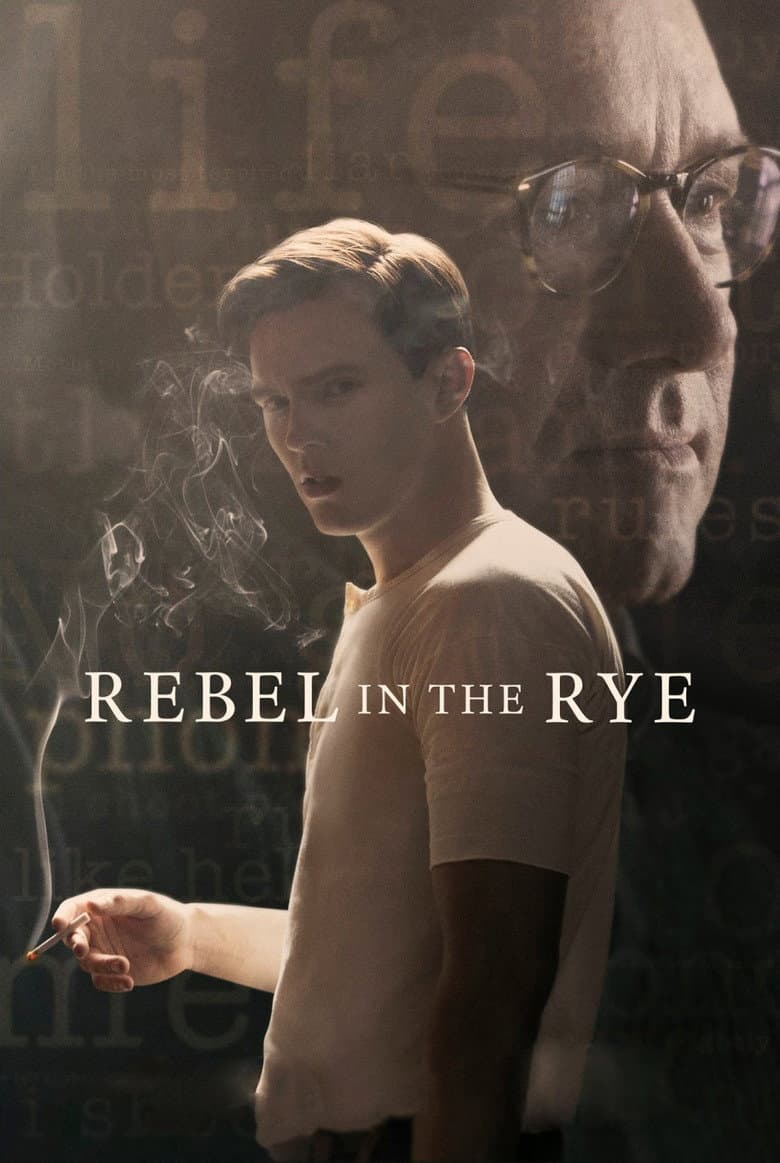
J.D. Salinger is a young writer who wants to make a name for himself while his father pushes him toward a safer job. In New York, he studies writing with editor Whit Burnett and falls for Oona O’Neill, but his hope for success is shaken by rejection and by her choice to marry Charlie Chaplin. World War II then takes him to Europe, where combat, death, and a concentration camp leave him with deep trauma. The movie follows his return home, his marriage, and his retreat to New Hampshire as he tries to finish The Catcher in the Rye. The tone is serious and reflective, with romance, dry humor, and harsh war scenes.
The story treats writing as a way for Salinger to face pain, protect his private life, and make sense of young people who feel lost in a false world. Burnett acts as a demanding teacher who helps him shape Holden Caulfield into a full character instead of a clever voice. Salinger also follows a spiritual teacher who helps him face the wounds left by the war. His fame becomes another conflict because readers want access to the man behind the book, while Salinger wants the work to stand on its own. The film ends with a quiet picture of an author choosing isolation over public attention.
Community feedback
Was our 13% Woke rating accurate?
Breakdown
These are the editorial factors and ratings behind our score for Rebel in the Rye.
Woke representation / casting
Not present. The film uses mostly white actors for Salinger and the American and European people around him. The Indian spiritual teacher is cast to match that character’s background, and the film does not present the casting as a diversity or identity statement.
0%
Woke political dialogue
Whit Burnett says he lets women audit his class and hopes the rest of the university will do the same. The line supports wider access for women in education. The moment lasts only a short classroom exchange. Other identity references concern Salinger’s Jewish background and prejudice from that time, not modern activist ideas.
10%
Identity-driven story themes
Not present. The main themes are artistic work, war trauma, love, fame, and choosing a private life. The film does not build its story around modern race, gender, sexuality, or group-based politics.
0%
Western institutional / cultural critique
Burnett’s classroom line points to a university that gives women less access than men. The film treats his decision to let women audit as a small act of fairness. The point appears in one brief scene and does not grow into a wider attack on Western institutions, family life, or traditional values.
8%
Woke character or canon changes
Not relevant. The movie is a biography of Salinger and the making of his book. It shortens events and relationships, but it does not change a known character’s race, gender, sexuality, or role to make an identity point.
0%
Anti-woke backlash and complaints
Not present. The separate X research pass found no anti-woke reaction or specific complaints. Broader coverage focused on the film’s shallow storytelling and Spacey’s later sexual misconduct allegations, not woke or DEI content.
0%
Creator track record context
Danny Strong has made political docudramas and co-created Empire, which includes race and LGBTQ storylines. Bruce Cohen has a long public record of LGBTQ activism. Avy Kaufman has worked on queer-focused projects, while Kenneth Slawenski and most producers have no clear activist profile. Interviews about this film focus on Salinger’s war, writing, and privacy.
28%
Production
Movie · 2019
England, early 20th century. The future writer and philologist John Ronald Reuel Tolkien (1892-1973) and three of his schoolmates create a strong bond between them as they share…
Movie · 2022
A young couple's relationship clashes with the harsh realities of the California Gold Rush of 1850. Angel, experiencing love for the first time and facing demons unsurmountable…

Movie · 2023
Hadley and Oliver begin falling in love on a flight from New York to London, but when they lose each other at customs, can they defy all odds to reunite?
Movie · 2025
Based on a true story, two down-on-their-luck musicians form a joyous Neil Diamond tribute band, proving it's never too late to find love and follow your dreams.
Movie · 2017
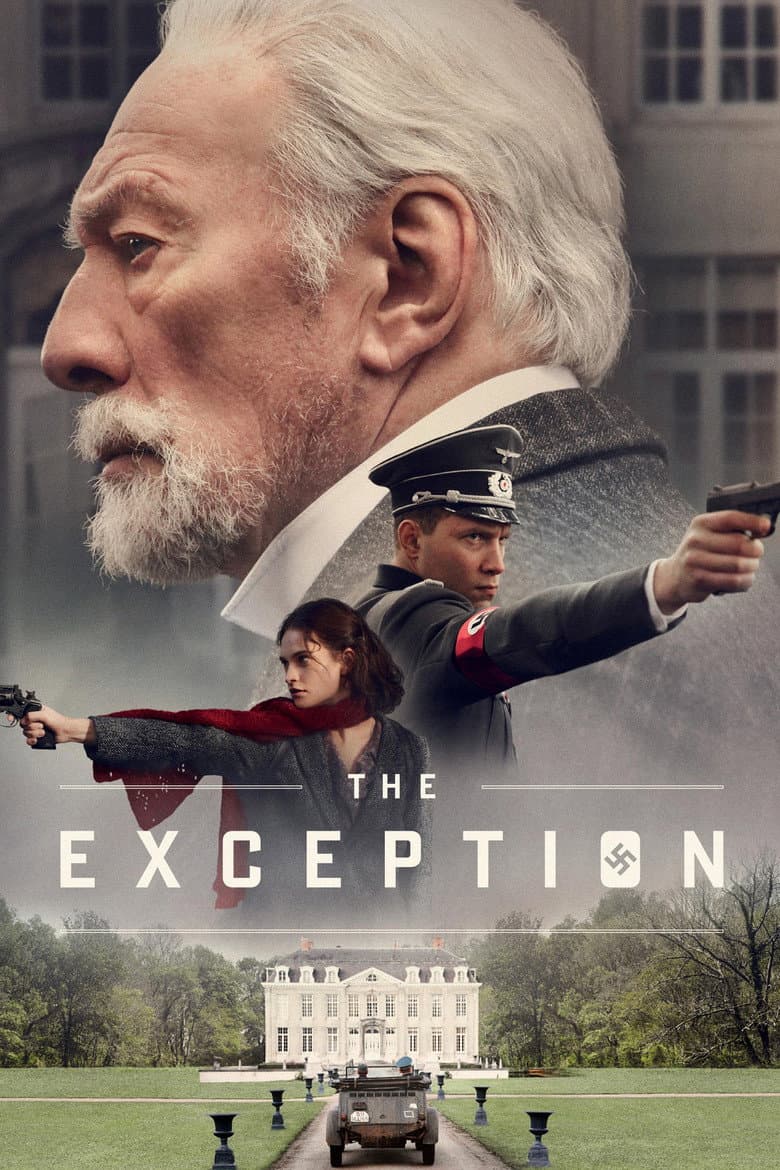
Nothing is as it seems in this riveting World War 2 thriller as a wary soldier goes to investigate a mysterious German monarch at his secluded mansion, leading him into a web of…
Movie · 2025
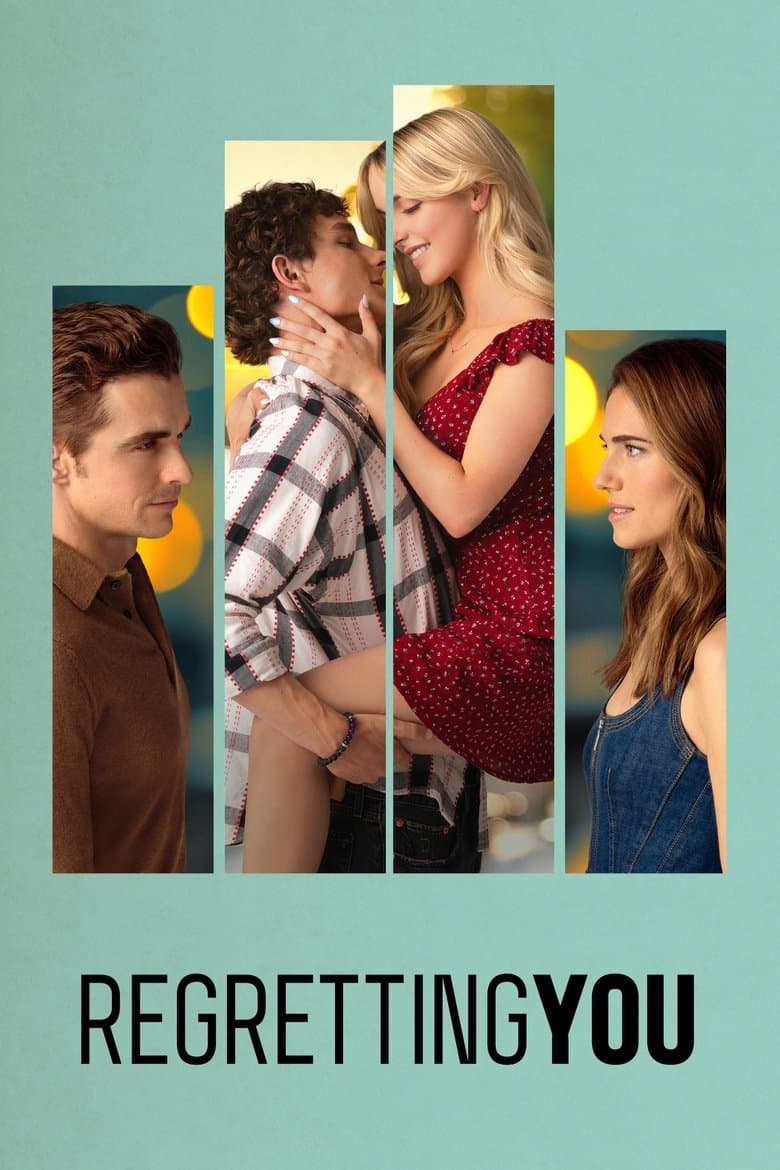
Morgan Grant and her daughter Clara explore what's left behind after a devastating accident reveals a shocking betrayal and forces them to confront family secrets, redefine love…

Movie · 2016
Canadian folk artist Maud Lewis falls in love with a fishmonger while working for him as a live-in housekeeper.

Movie · 2020
When illness strikes two people who are polar opposites, life and death bring them together in surprising ways.
