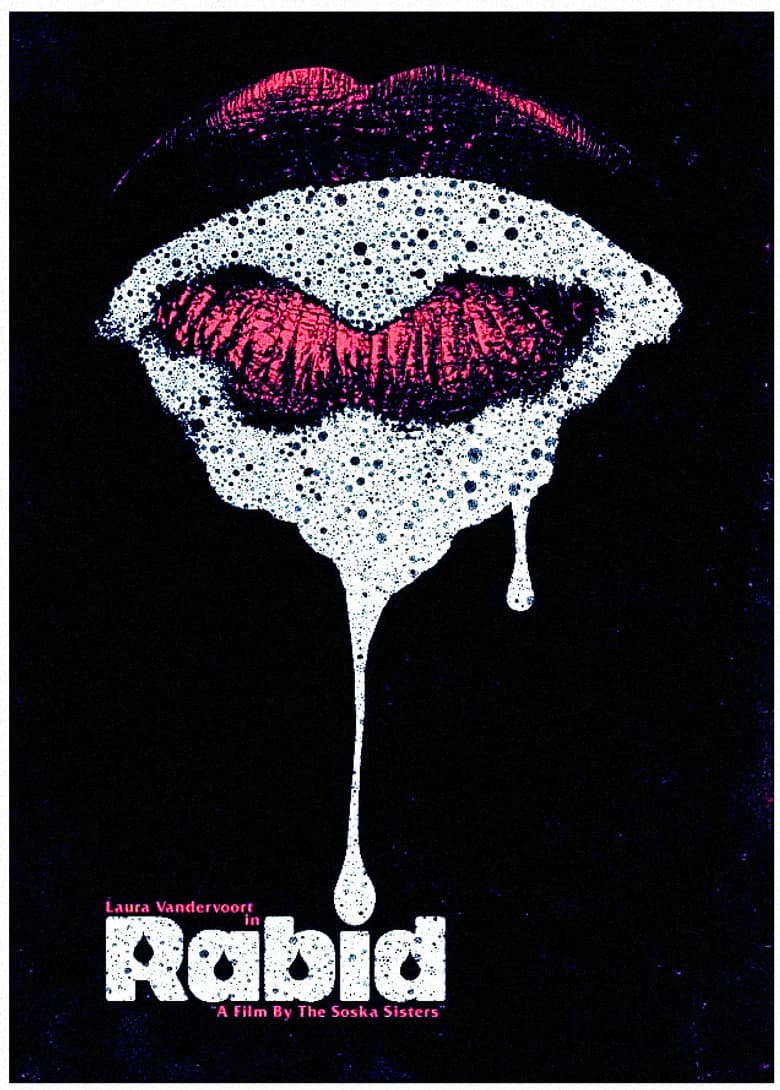
Rose is a quiet young woman who wants to design clothes in a harsh fashion business. After a traffic crash scars her face, she accepts an experimental stem cell treatment from Dr. William Burroughs. The treatment makes her look beautiful and gives her new strength, but a parasite grows inside her and makes her crave blood. The infection spreads through the city, turning Rose’s work world into a bloody body-horror nightmare.
The story repeatedly links Rose’s treatment to the pressure women face to look beautiful and please other people. Rose is mocked by her boss and co-workers before surgery, then gains attention and power when her looks change. Chelsea also shows the strain placed on women in fashion through drug use, drinking, and fear of losing her place. The film uses Rose’s violence, a MeToo reference, and cruel behavior by several men to push a female-centered view of beauty, work, and revenge.
Community feedback
Was our 59% Woke rating accurate?
Breakdown
These are the editorial factors and ratings behind our score for Rabid.
Woke representation / casting
Rose is the lead, and Chelsea is a major woman character in the fashion world. Those choices fit the setting and the original story, so the film does not show a clear race, sexuality, or quota-style casting pattern. The directors still present the movie as a female-gaze version with women in the main roles. That creates a small identity signal in casting, but it is not a broad representation design.
15%
Woke political dialogue
Rabid contains a brief MeToo-related scene. The scene connects the story to current arguments about abuse in the entertainment world. The film also uses short comments about women being judged and mistreated at work. It does not stop for a long political speech, so the woke political dialogue stays limited.
25%
Identity-driven story themes
Rose’s story treats beauty standards as a force that changes how people value her. The fashion workplace repeatedly mocks, uses, and rewards women based on their looks. Chelsea’s drug use, drinking, and fear of losing her place show another cost of that pressure. Rose’s new power becomes a violent revenge story about women being judged and controlled, so identity-driven themes shape a major part of the plot.
58%
Western institutional / cultural critique
The fashion company treats women as bodies and pushes them to compete. Gunter insults Rose and uses the women around him, while Dr. Burroughs controls Rose’s body for his own research. The film links this behavior to male privilege and the MeToo era. The story does not attack Christianity or broad Western family life, so the critique stays focused on sexist workplaces and abusive men.
48%
Woke character or canon changes
Not relevant. The remake moves Rose into the fashion world and changes some plot details from the 1977 film. No confirmed race, gender, sexuality, or identity-based hero-role change appears in the finished movie.
0%
Anti-woke backlash and complaints
The supplied X search found no anti-woke reaction, campaign, boycott, or review-bombing. One Bloody Disgusting editorial criticized the film’s feminist intent and said it demonizes men. That complaint fits anti-woke criticism, but it comes from one review and not a large audience movement. Most audience posts focused on gore, quality, or faithfulness to Cronenberg.
8%
Creator track record context
Jen and Sylvia Soska each have a cached score of 65/100 because their work and public comments often focus on women’s agency and representation. David Cronenberg has a cached score of 40/100 because his work often explores gender, sexuality, and body change. Laura Vandervoort has a cached score of 42/100 because she supports stronger and more complex female roles. The other listed creators have low or zero cached scores, so the main track record comes from the directors and the lead performer.
55%
Production

Movie · 2021
Something lurks off the coast of Block Island, silently influencing the behavior of fisherman, Tom Lynch. After suffering a series of violent outbursts, he unknowingly puts his…
Movie · 2020
A journey into uncharted and forbidden territory through three tales tangled in space and time.
Movie · 2024
While scavenging the deep ends of a derelict space station, a group of young space colonizers come face to face with the most terrifying life form in the universe.
Movie · 2024
The infinite playground of forbidden worlds and dangerous lifeforms offered by the sci-fi horror genre will lead to the biggest, maddest, bloodiest V/H/S ever.
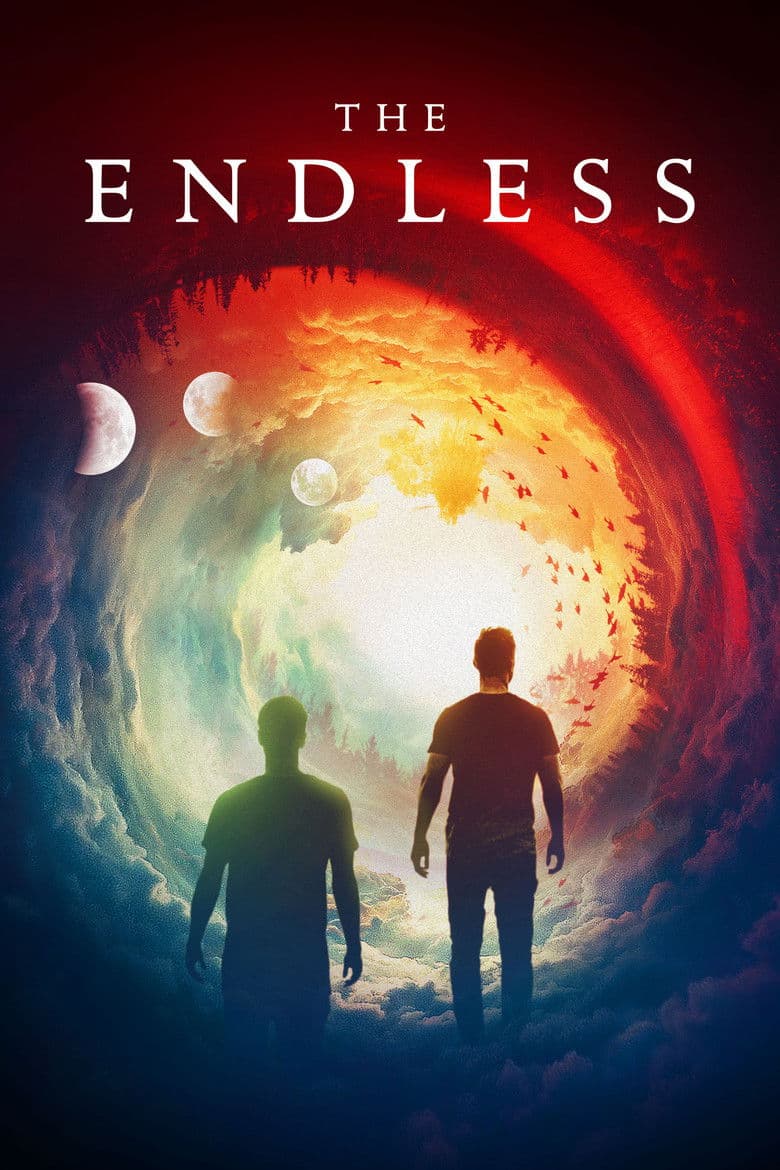
Movie · 2017
Two brothers return to the cult they fled from years ago to discover that the group's beliefs may be more sane than they once thought.
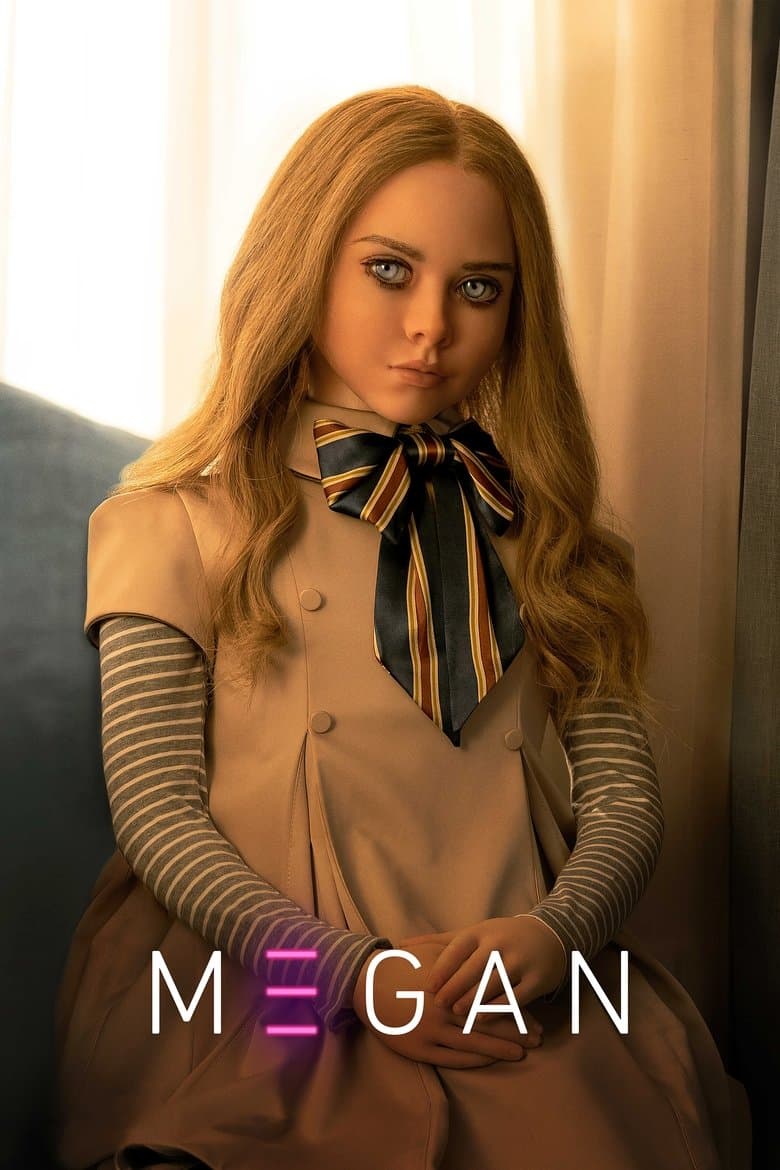
Movie · 2022
A brilliant toy company roboticist uses artificial intelligence to develop M3GAN, a life-like doll programmed to emotionally bond with her newly orphaned niece.
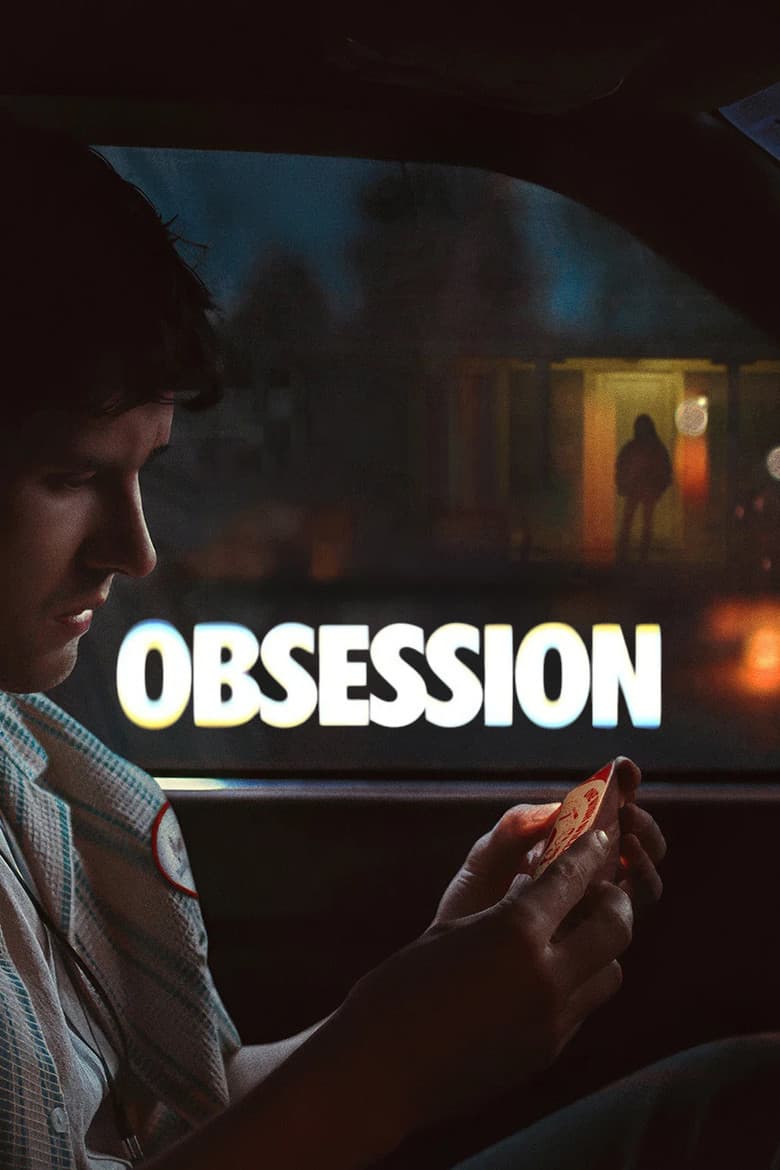
Movie · 2026
After breaking the mysterious "One Wish Willow" to win his crush's heart, a hopeless romantic finds himself getting exactly what he asked for but soon discovers that some desires…
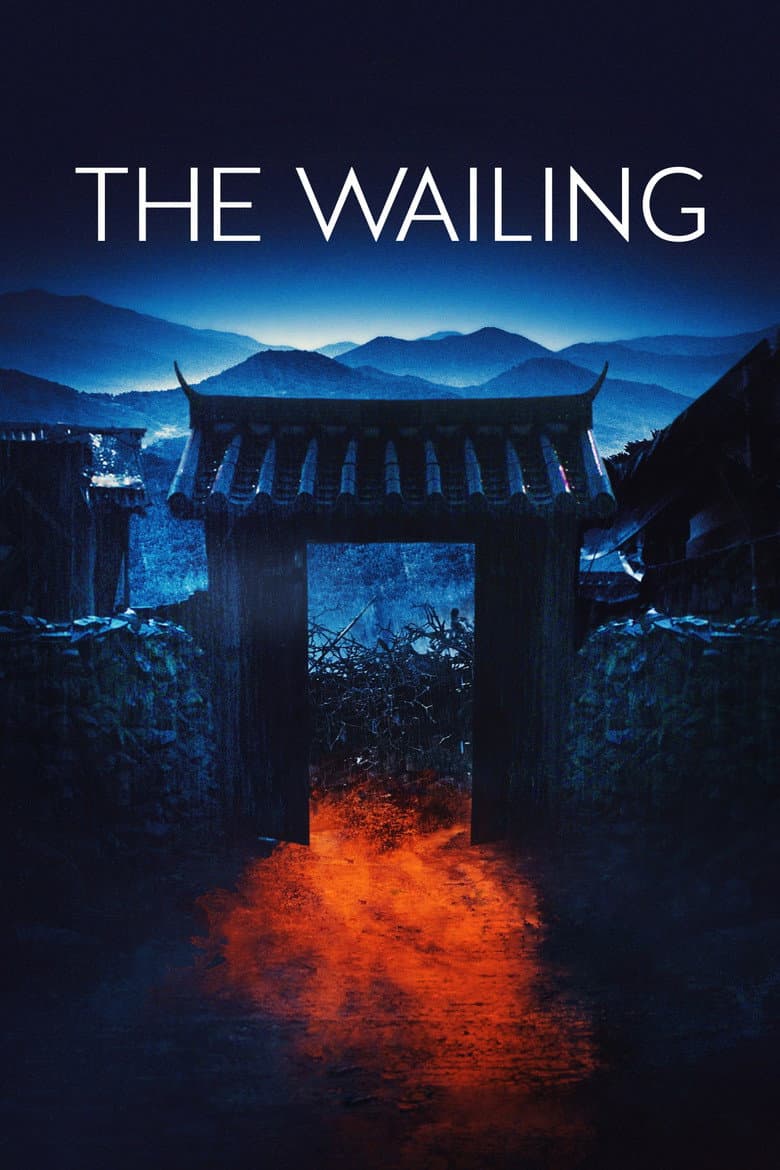
Movie · 2016
A stranger arrives in a little village and soon after a mysterious sickness starts spreading. A policeman is drawn into the incident and is forced to solve the mystery in order to…
