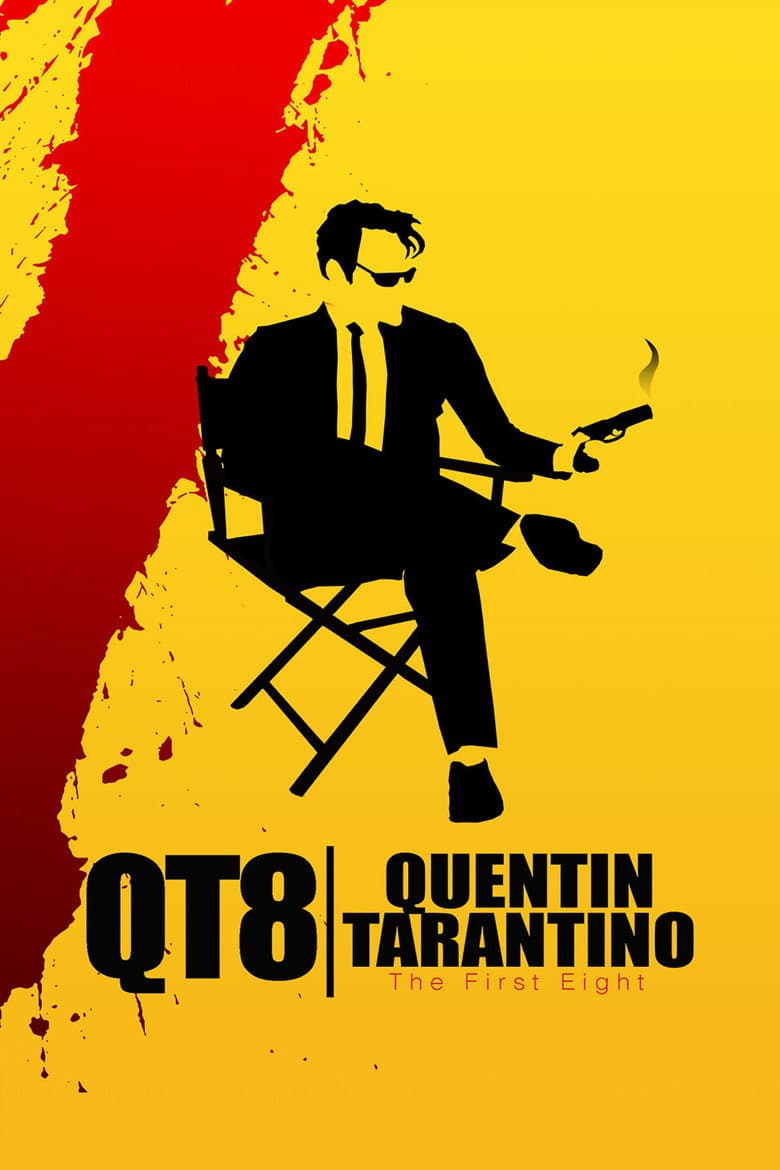
QT8: The First Eight follows Quentin Tarantino from his days working in a video store to his rise as a major Hollywood filmmaker. The documentary moves through the making of his first eight directed movies, from Reservoir Dogs to The Hateful Eight, while touching on Once Upon a Time in Hollywood. Tarantino faces the challenge of turning a deep love of old movies into a lasting career, and the film presents that climb as an underdog story. The tone is lively and admiring, but it turns darker when the film reaches Harvey Weinstein and the fear around his power.
The film gives a full chapter to “Badass Women & Genre Play” and treats Jackie Brown, Kill Bill, and Death Proof as proof that Tarantino writes women as strong, skilled, and able to lead. The film says women have been denied good leading roles, calls Death Proof feminist, and praises female characters who fight, seek revenge, or control the story. The documentary also links his work to race in America, Black film traditions, and Django Unchained’s revenge against slave owners. Its final discussion presents Weinstein’s abuse, workplace fear, and Tarantino’s regret as a serious part of the Hollywood story.
Community feedback
Was our 48% Woke rating accurate?
Breakdown
These are the editorial factors and ratings behind our score for QT8: The First Eight.
Woke representation / casting
The on-camera lineup includes several women and black or Asian collaborators, including Lucy Liu, Jennifer Jason Leigh, Zoë Bell, Samuel L. Jackson, and Jamie Foxx. The film gives these participants visible space while discussing strong women, Black film traditions, and gender roles. Their presence fits the subject’s real cast history, so the film does not show a clear diversity-first or quota-style lineup. This is a mild representation signal rather than a dominant casting message.
18%
Woke political dialogue
The documentary contains repeated lines about women not getting a fair chance at leading roles. Speakers say Tarantino makes women fighters and leaders, call him an ally, and describe Death Proof as feminist. The film also links his work to race in America and says respect for women and black people is a basic truth. These lines appear in several sections, but the documentary remains mainly about filmmaking rather than political debate.
44%
Identity-driven story themes
The documentary organizes a major chapter around “Badass Women & Genre Play.” That chapter praises Jackie Brown, Kill Bill, and Death Proof for putting women in skilled, violent, and leading roles. Speakers call Death Proof feminist and describe Tarantino as a champion or ally of women. The film also gives race in America, Black film traditions, and Django’s story about a black man escaping slavery a clear place in its account of Tarantino’s themes. This is a recurring part of the film, but it shares space with craft, violence, humor, and movie history.
48%
Western institutional / cultural critique
The final part of the documentary describes Weinstein’s sexual abuse, the power he used to bully people, and the fear that kept women from speaking. Speakers criticize people who followed his orders and connect the abuse to Hollywood’s work system. The film also records Tarantino saying he knew about the abuse and should have spoken up. This is a noticeable modern workplace and gender critique, but it stays tied to the Weinstein story instead of becoming the documentary’s whole subject.
35%
Woke character or canon changes
Not relevant. The documentary reviews Tarantino’s existing movies and does not rewrite a character’s race, gender, sexuality, or role. It also does not change a real historical event in its own story.
0%
Anti-woke backlash and complaints
Not present. No anti-woke backlash was found in the reviewed posts and coverage. The reported complaints called the film shallow, too admiring, or awkward in its Weinstein section.
0%
Creator track record context
Tara Wood has a focused record of discussing strong female characters, women’s place in film discussion, and abuse in Hollywood. That background matches the film’s praise of female leads and its Weinstein discussion. The other producer profiles show little or no recurring DEI, identity-politics, or activist record. The overall creator context is mild to moderate rather than dominant.
30%
Production
Movie · 2017
The life and career of an actor, artist, and icon. His own journey through his own camera.
Movie · 2023
His love of film began as an escape from a rocky childhood. From underdog to Hollywood legend, Sylvester Stallone tells his story in this documentary.
Movie · 2025
The individual journeys of the four members of the band, as they move through the music scene of the 1960s, playing small clubs throughout Britain and performing some of the…
Movie · 2024
Christopher Reeve portrayed the Man of Steel in four Superman films and played dozens of other roles that displayed his talent and range as an actor, before being injured in a…
Movie · 2022
An enchanting making-of story told through all-new in-depth interviews and cast conversations, inviting fans on a magical first-person journey through one of the most beloved film…
Movie · 2021
Take a musical odyssey through five weird and wonderful decades with brothers Ron & Russell Mael, celebrating the inspiring legacy of Sparks: your favorite band’s favorite band.
Movie · 2018
New York, 1980. Three complete strangers accidentally discover that they're identical triplets, separated at birth.
Movie · 2025
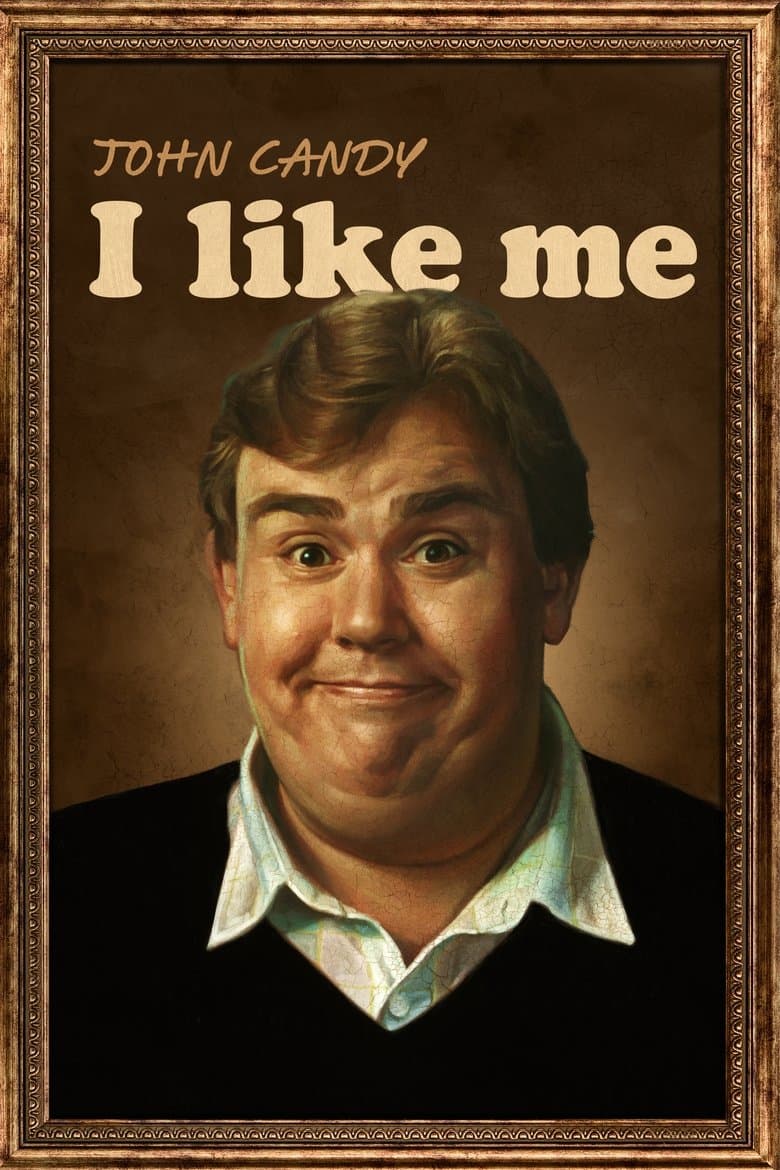
Those who knew iconic funnyman John Candy best share his story, in their own words, through never-before-seen archival footage, imagery, and interviews.
