
Pushpa Raj is a poor daily-wage worker in the forests of Andhra Pradesh in the late 1990s. He cuts and moves red sandalwood for a smuggling gang, then uses his nerve and clever plans to climb higher. Police pressure, rival gang leaders, and a powerful officer all try to stop him. Pushpa also seeks respect after his family rejects him because he was born outside his father's marriage. The film has a rough, violent, showy tone, with songs, jokes, and long action scenes.
The film gives some attention to social rank through Pushpa's work, his lack of his father's name, and the way richer men order workers around. Those ideas return through his need to earn money and make others respect him, but the story turns them into a personal rise through crime instead of a modern campaign for social change. One dance song, “Oo Antava,” says that men often look at women with lust and treat them like objects. That message is brief and stands beside a main story that celebrates Pushpa's violent pride, while Srivalli remains mostly his love interest and a woman he saves.
Community feedback
Was our 23% Woke rating accurate?
Breakdown
These are the editorial factors and ratings behind our score for Pushpa: The Rise.
Woke representation / casting
Not present. The main cast fits the rural Andhra setting and its local Indian characters. The film does not present any casting choice as a diversity message.
0%
Woke political dialogue
Not present. Characters talk about respect, crime, family, and power. The film has no clear modern identity, DEI, or activist speech.
0%
Identity-driven story themes
Pushpa’s story repeatedly links respect to his family name, birth status, and work as a labourer. The film shows richer men ordering workers to obey and uses that shame to drive his rise. One dance song says men look at women with lust and treat them as objects. The film turns these ideas into personal revenge and crime, not a wider modern activist program.
24%
Western institutional / cultural critique
The song “Oo Antava” says that men often stare at women and judge them by their bodies and clothes. Samantha’s performance turns the usual song-based gaze back toward male viewers. The message is one short musical sequence, while the main story celebrates a violent, dominant male hero. The film does not attack Western institutions or modern family life.
18%
Woke character or canon changes
Not relevant. The film tells an original crime story. It does not change a known character, real event, or source-world identity.
0%
Anti-woke backlash and complaints
A men’s association filed a case and sought a ban on “Oo Antava” because the song portrays men as lustful. Several entertainment outlets reported the complaint, but the issue stayed limited to one group and did not become a broad campaign. The supplied X evidence shows no anti-woke complaint volume, while a few small right-leaning accounts praised the film as not woke. Those praises do not add backlash.
18%
Creator track record context
Sukumar’s creator track record is mainly commercial storytelling, with rural settings, family conflict, and morally troubled heroes. He has no sustained public record of DEI activism or identity-first work. Pavan Ketharaju’s stored score is 0/100 and his work centers on family and emotional stories. The producers’ stored scores are 11/100 each and their public image is business-focused. This gives the title only a mild creator-context signal.
11%
Production

Movie · 2018
A geologist races against time to save his estranged wife and two children when a devastating earthquake strikes Oslo, Norway.
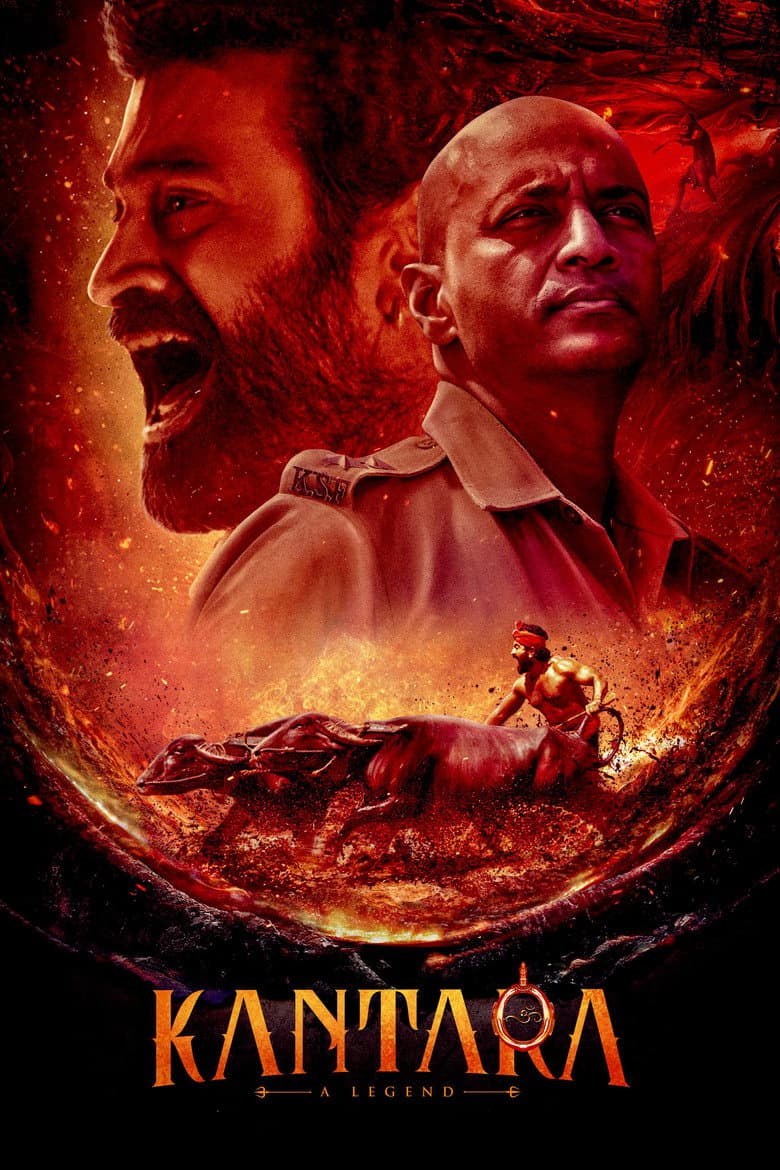
Movie · 2022
Shiva, a tribal vagabond lives with his mother in hamlet, stays away from the traditional Daivaradhane and Bhoota Kola legacy due to an unforgettable childhood incident.
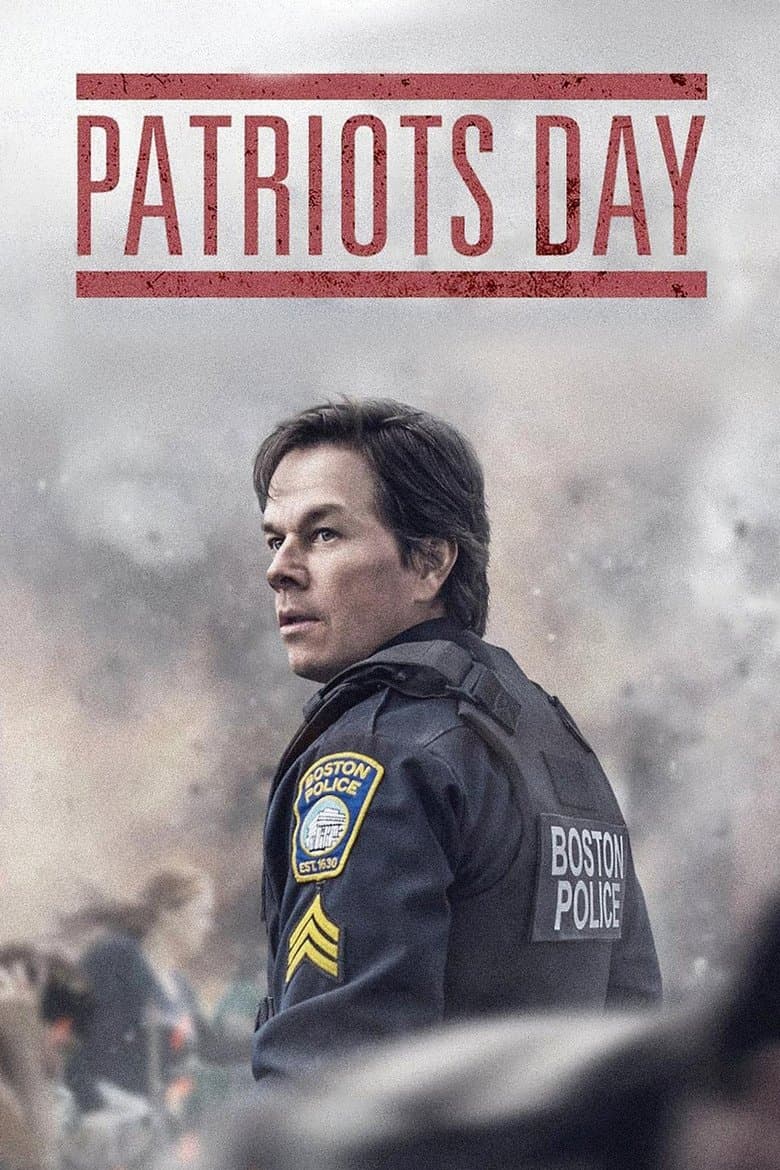
Movie · 2016
In the aftermath of an unspeakable act of terror, Police Sergeant Tommy Saunders joins courageous survivors, first responders and investigators in a race against the clock to hunt…

Movie · 2018
A logger defends his family from a group of dangerous drug runners.

Movie · 2017
An American sniper and his spotter engage in a deadly cat-and-mouse game with an Iraqi sniper.
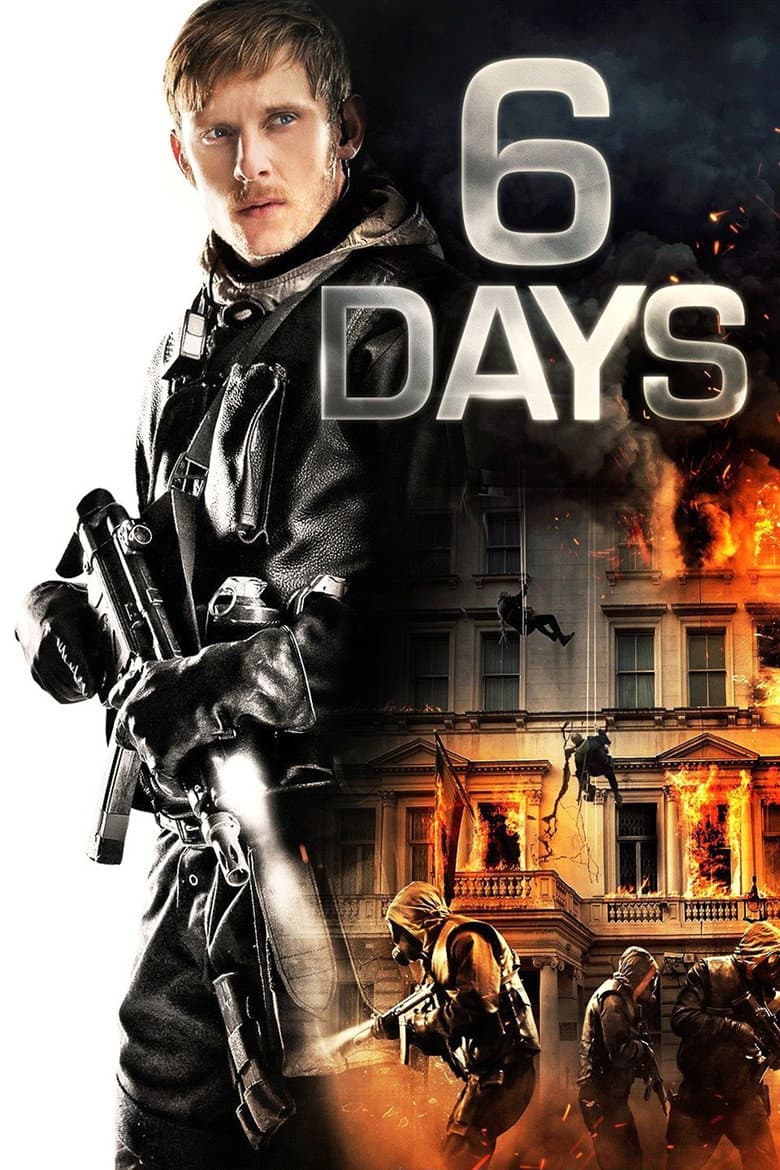
Movie · 2017
London, England, April 1980. Six terrorists assault the Embassy of Iran and take hostages. For six days, tense negotiations are held while the authorities decide whether a…

Movie · 2021
Jim Hanson’s quiet life is suddenly disturbed by two people crossing the US/Mexico border – a woman and her young son – desperate to flee a Mexican cartel.

Movie · 2018
Barents Sea, August 12th, 2000. During a Russian naval exercise, and after suffering a serious accident, the K-141 Kursk submarine sinks with 118 crew members on board.
