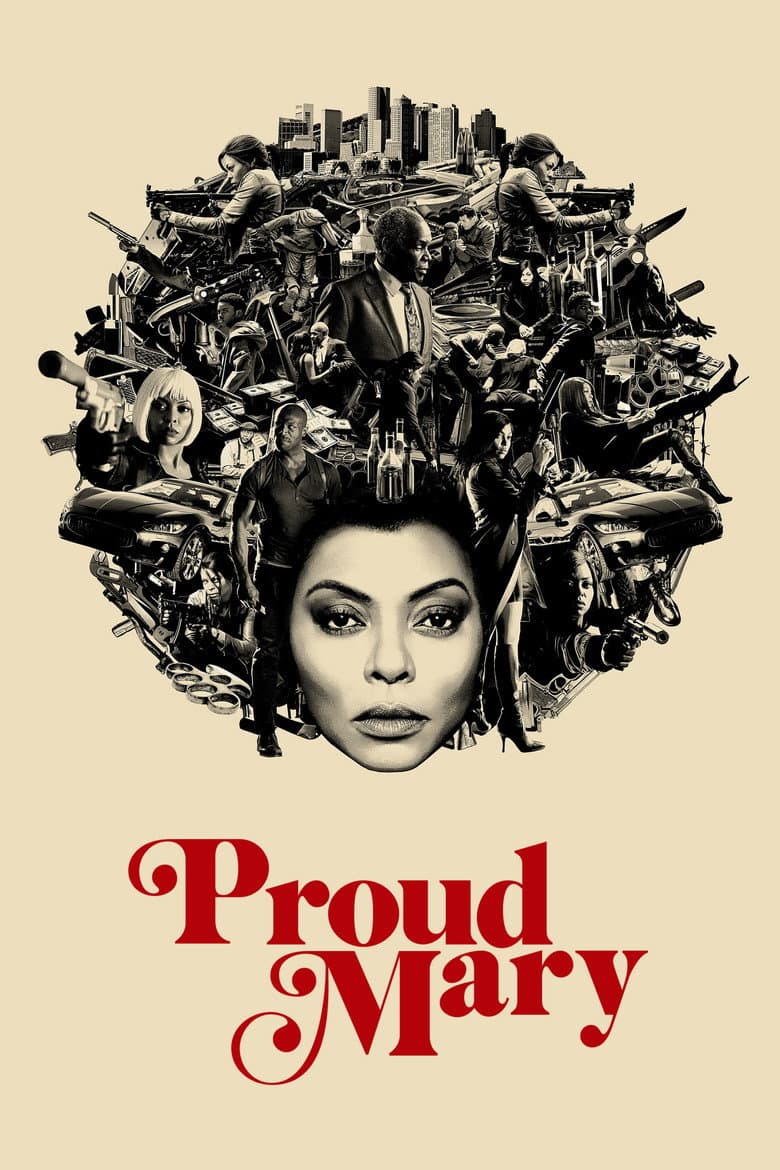
Mary is a highly trained hit woman for a Boston crime family. After she kills a man and leaves his young son Danny alive, she watches the boy struggle on the streets for a year. Mary then saves Danny from a drug dealer, but her choice starts a war between her own mob and a Russian crime group. The movie has a dark, violent, and rough action tone, with a softer story about guilt, family, and starting over.
The clearest woke element is the choice to center a black woman as the most skilled and feared killer in a genre usually led by men. Mary defeats or outsmarts many male crime figures, and the story presents her move away from the mob as a personal act of freedom. The mostly black cast fills the central crime-family world, but the characters do not debate race or identity. These choices are visible in the lead role, but they support a standard revenge and rescue plot rather than becoming a larger activist message.
Community feedback
Was our 38% Woke rating accurate?
Breakdown
These are the editorial factors and ratings behind our score for Proud Mary.
Woke representation / casting
Mary is a black woman who is the film's most skilled and feared killer. The main crime family is also mostly Black, while rival crime groups are led by white or Eastern European men. Henson compared Mary to a “Black Lara Croft,” and coverage presented the movie as a black female action vehicle. The film does not build a broad mix of identity groups, so the casting signal is noticeable but not dominant.
42%
Woke political dialogue
Not present. The film has crime talk, threats, and family arguments. It does not use speeches or recurring lines about race, gender, DEI, or modern activism.
0%
Identity-driven story themes
Mary's guilt and decision to protect Danny drive the whole plot. The film repeatedly shows her as more capable than the male criminals around her, and she defeats them without a male rescuer. The story presents leaving the crime family as her move toward a free life. The film does not connect this change to a larger argument about gender or race, so the theme is present but limited.
40%
Western institutional / cultural critique
Not present. The film shows a violent crime family and a controlling boss, but it does not connect that abuse to modern ideas about patriarchy, capitalism, Christianity, or Western institutions.
0%
Woke character or canon changes
Not relevant. The movie is an original crime story and does not change an established character, canon, or historical figure.
0%
Anti-woke backlash and complaints
X research found no anti-woke posts, boycott, or review-bombing. Most audience and news reaction focused on weak action, poor writing, and limited marketing. One personal movie blog mocked support for a black woman lead as “woke” and complained that identity politics had entered the hitman genre. That complaint was isolated, so the anti-woke backlash was very weak.
6%
Creator track record context
Taraji P. Henson is a producer with a public record of mental-health work in black communities, pay fairness, race representation, and women's empowerment. The director, writers, and other producers have little public record of activist or DEI work. Title interviews add some empowerment framing around a black female action lead. This gives the movie a mild creator track record signal, but Henson's wider work is not the movie's main message.
28%
Production
Movie · 2024
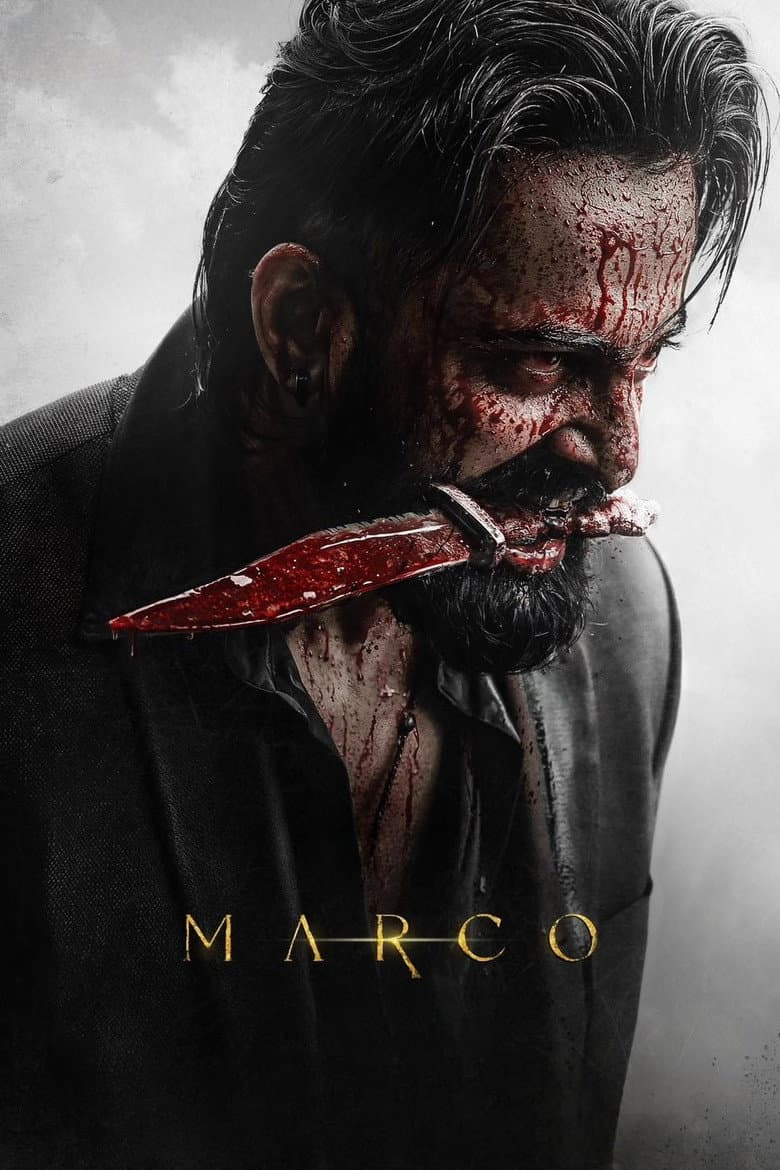
The adoptive son of the Adattu family, Marco, sets off on a ruthless quest for vengeance after his brother is brutally murdered, finding only betrayal, loss and unimaginable…
Movie · 2019
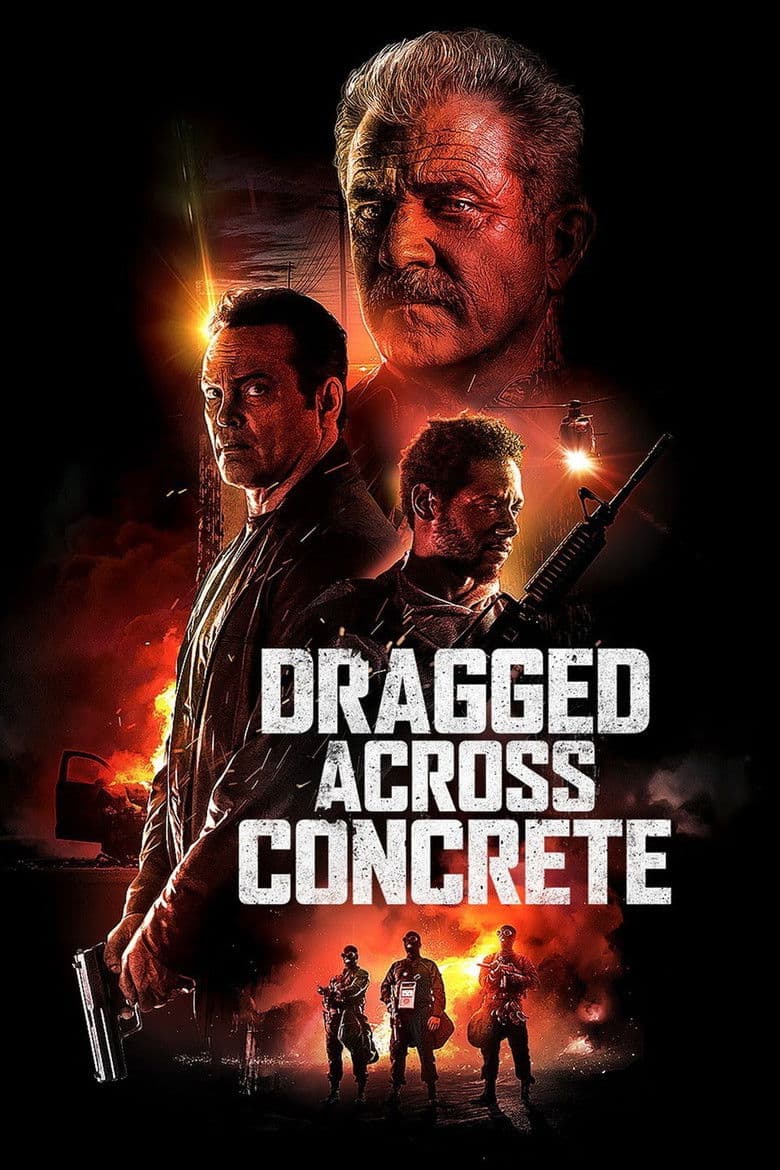
Two policemen, one an old-timer, the other his volatile younger partner, find themselves suspended when a video of their strong-arm tactics becomes the media's cause du jour.
Movie · 2019
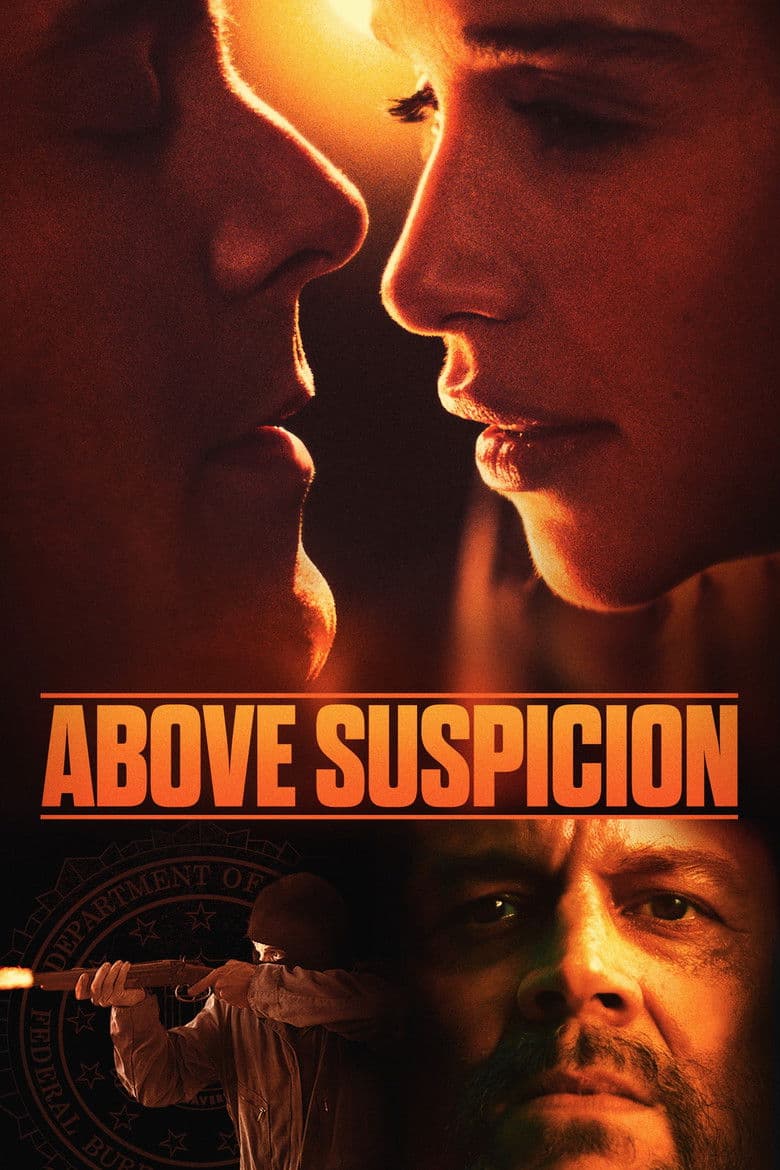
The chilling true story of a newly married FBI poster boy assigned to an Appalachian mountain town in Kentucky.
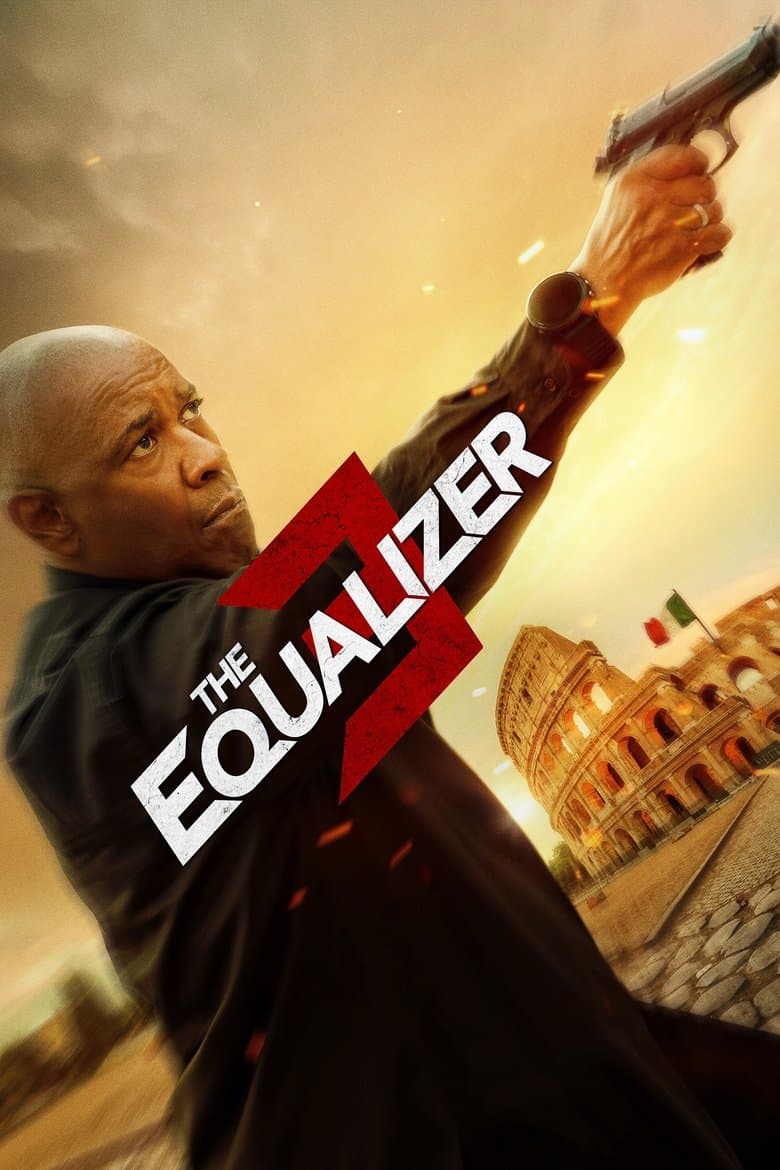
Movie · 2023
Robert McCall finds himself at home in Southern Italy but he discovers his friends are under the control of local crime bosses.
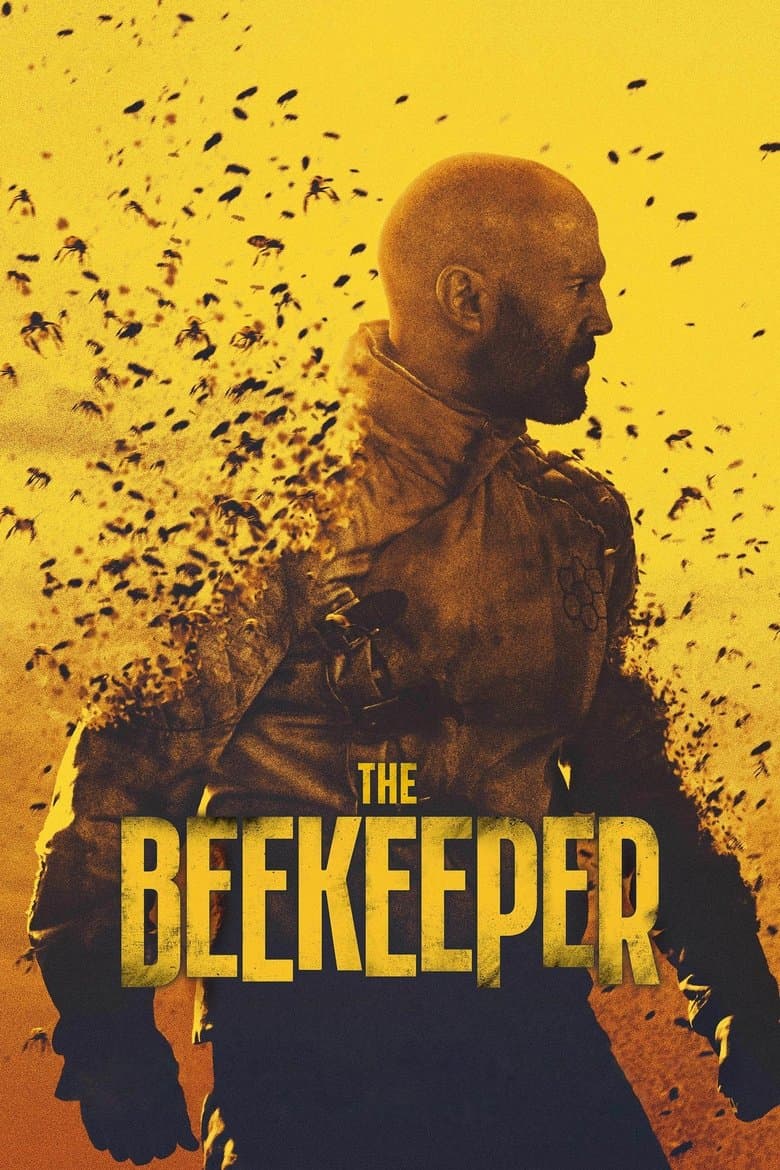
Movie · 2024
One man's campaign for vengeance takes on national stakes after he is revealed to be a former operative of a powerful and clandestine organization known as Beekeepers.
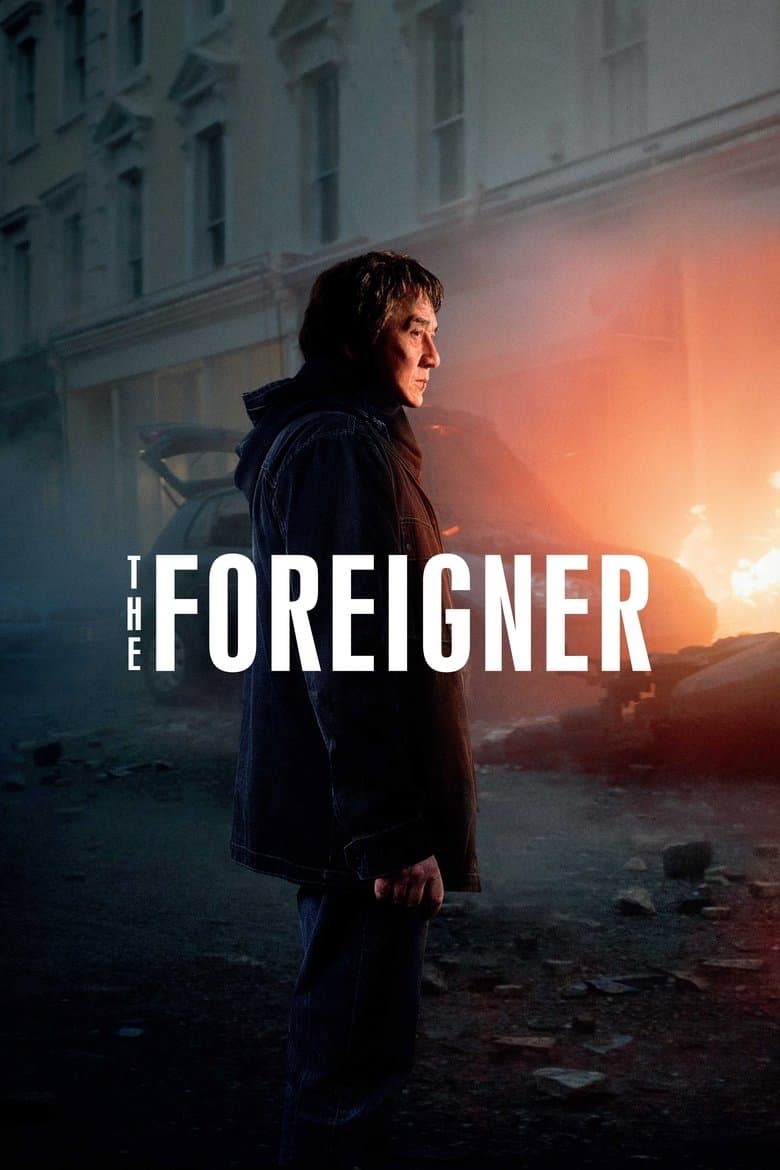
Movie · 2017
Quan is a humble London businessman whose long-buried past erupts in a revenge-fueled vendetta when the only person left for him to love – his teenage daughter – dies in an Irish…
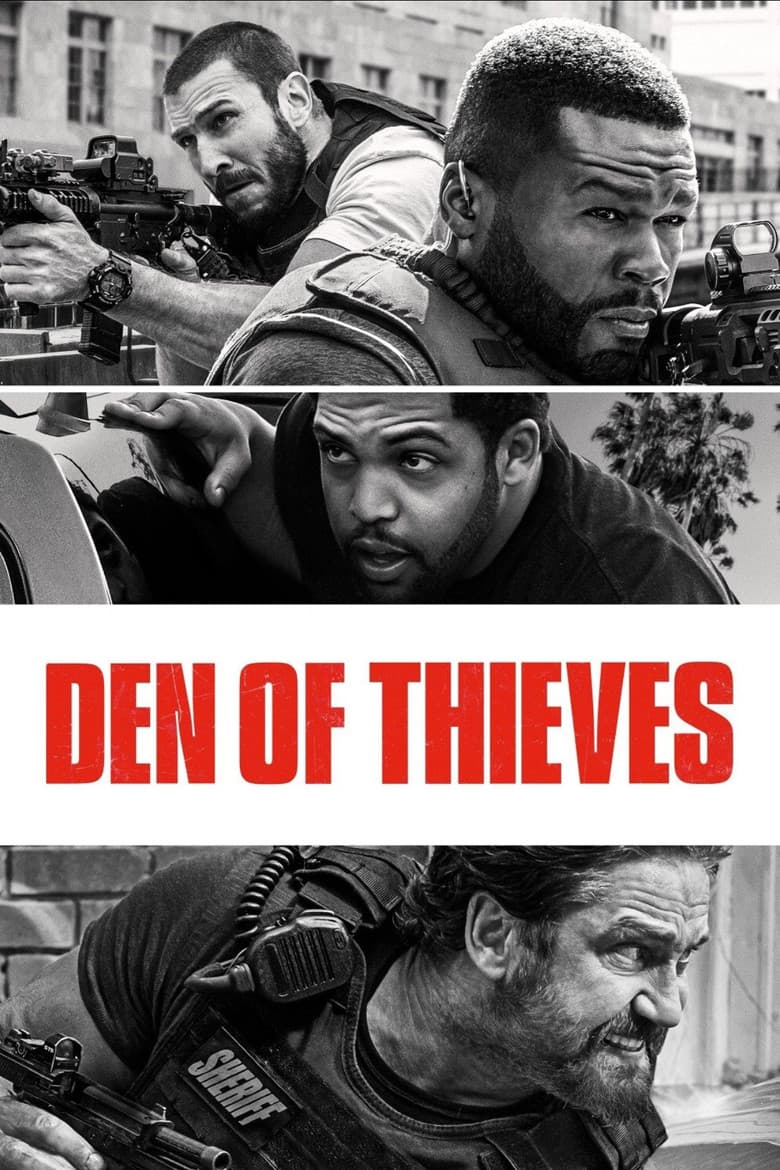
Movie · 2018
A gritty crime saga which follows the lives of an elite unit of the LA County Sheriff's Dept. and the state's most successful bank robbery crew as the outlaws plan a seemingly…
Movie · 2018
When his fiancee is kidnapped by human traffickers, Roman and his ex-military brothers set out to track her down and save her before it is too late.
