
In 1719 on the Great Plains, young Comanche woman Naru wants to prove she can hunt like the men in her tribe. A strange new threat arrives when an alien Predator lands and starts killing animals and people for sport. Naru sets out to protect her camp and face a hunter far stronger and better armed than she is. The tone is tense, bloody action-horror with a survival feel.
The movie’s biggest “woke-leaning” signals are easy to see: an almost all-native cast, a female hero who wants a male hunting role, and marketing that stressed Indigenous casting and culture. Naru’s arc is about earning respect as a hunter and ending as war chief. French fur trappers show up as cruel secondary bad guys who trap people and kill buffalo to hurt the Comanche. Dialogue is light and not full of modern politics, but the “girl proves the men wrong” story and pride in native heroes are front and center. Some fans and critics called it “woke” or “girlboss” before and after release; others later said it was mainly a strong Predator movie. Normal viewers will notice the female lead, native focus, and colonial villains without getting long activist speeches.
Community feedback
Was our 72% Woke rating accurate?
Breakdown
These are the editorial factors and ratings behind our score for Prey.
Woke representation / casting
Almost all main roles are filled by native and First Nations actors, led by Indigenous star Amber Midthunder as a Comanche warrior. Marketing and production openly treated authentic Indigenous casting and a female action lead as a big point of pride. The historical Comanche setting fits native ethnicity, but the female hunter-hero and representation-first casting are still loud and hard to miss.
62%
Woke political dialogue
Talk is sparse. Some tribe members doubt Naru’s wish to hunt. There are no long modern lectures on race, gender theory, or current politics. Any “prove yourself” talk stays personal and period-framed, not slogan-heavy.
18%
Identity-driven story themes
The core arc is a young woman refusing the usual path, proving she can hunt, and rising to war chief after men doubt her. Indigenous life and skill are shown with pride. French trappers add a colonial-threat layer. Viewers will clearly see girl-power and native-hero themes, even though the movie still runs mainly as a hunt-and-survive Predator story.
58%
Western institutional / cultural critique
European fur trappers are brutal secondary villains who cage people, use bait, and kill buffalo to hurt the Comanche. Some male hunters look down on Naru. That reads as a critique of colonial cruelty and rigid gender roles, but it is set in 1719 and is not a modern rant against today’s West, churches, or capitalism.
38%
Woke character or canon changes
Naru and most leads are new characters, not race or gender swaps of Dutch or other famous Predator heroes. The franchise shifts to an Indigenous woman lead and period setting. That is a clear identity-forward choice for a new story, not a rewrite of an established person’s race, sex, or history.
12%
Anti-woke backlash and complaints
Before and after release, parts of online fandom called it woke, girlboss, Mary Sue, or forced feminism because of the female lead and native focus. The star answered “super-woke” claims in press. Some anti-woke reviewers later walked back the worst claims after watching. Complaints were real and public, but not total rejection of the film.
52%
Creator track record context
Key people are mixed. Jhane Myers scores high for Indigenous representation work; Trachtenberg is moderate for strong female and minority leads in genre films; Rosenblatt sits mid for diversity-minded producing. Franchise writers and most other producers score low. Overall crew context supports representation without a full activist roster.
32%
Production
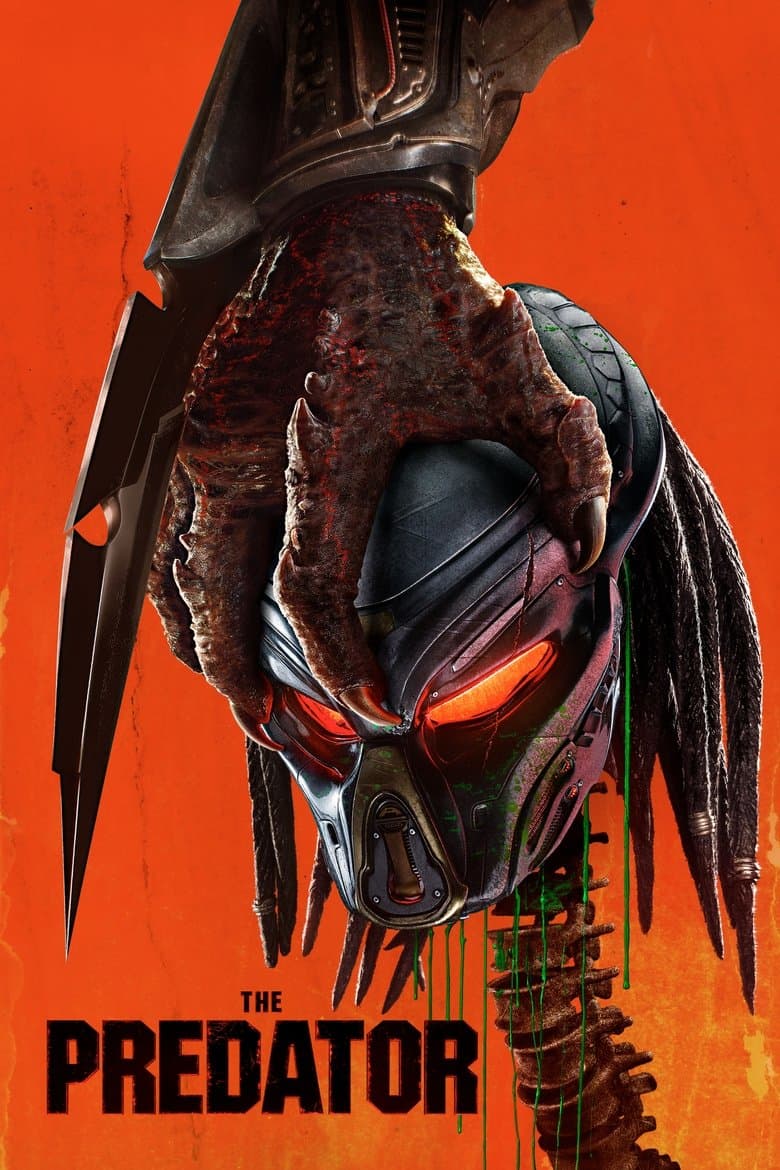
Movie · 2018
When a young boy accidentally triggers the universe's most lethal hunters' return to Earth, only a ragtag crew of ex-soldiers and a disgruntled scientist can prevent the end of…
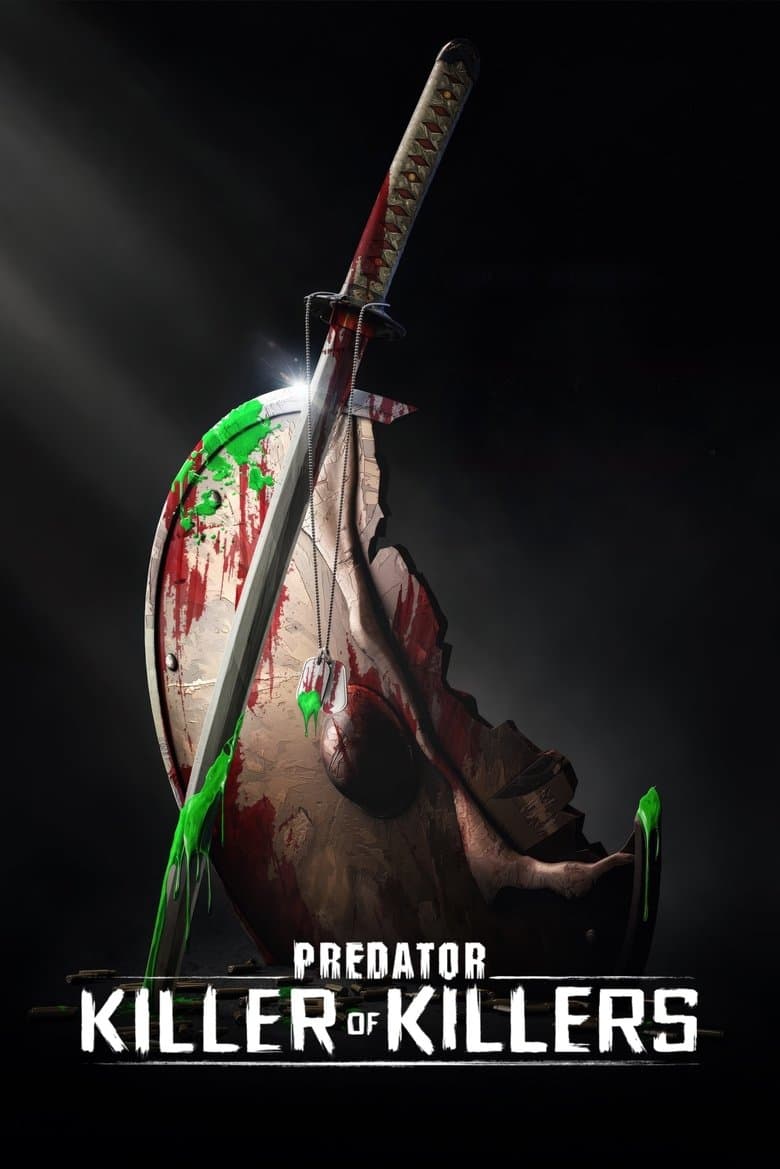
Movie · 2025
While three of the fiercest warriors in human history—a Viking raider, a ninja in feudal Japan, and a WWII pilot—are killers in their own right, they are merely prey for their new…
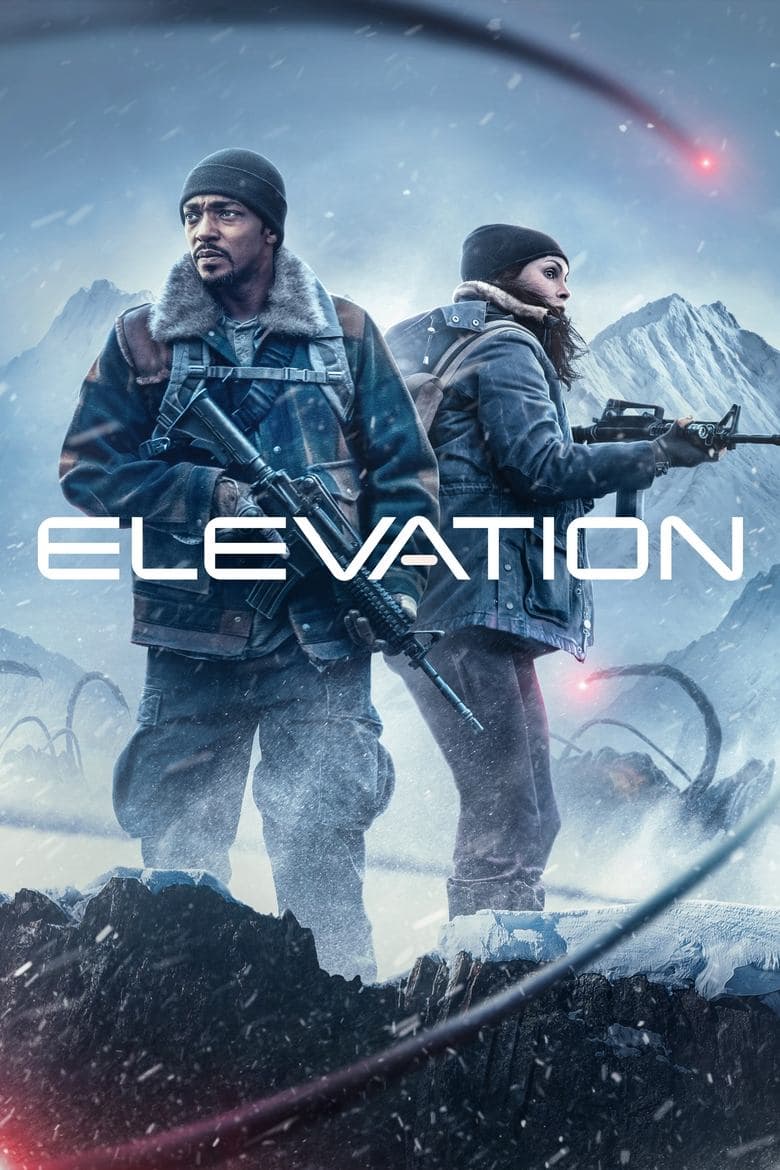
Movie · 2024
Post-apocalyptic survivors find refuge in the Rocky Mountains to hide from giant, insect-like creatures that can't live above 8,000 feet.

Movie · 2026
On one last grueling mission during Army Ranger training, a combat engineer must lead his unit in a fight against a giant otherworldly killing machine.

Movie · 2023
When a tech blogger lands an interview with a tech guru and stops an attack on him, he finds a mysterious ring that takes him back 57 seconds into the past.
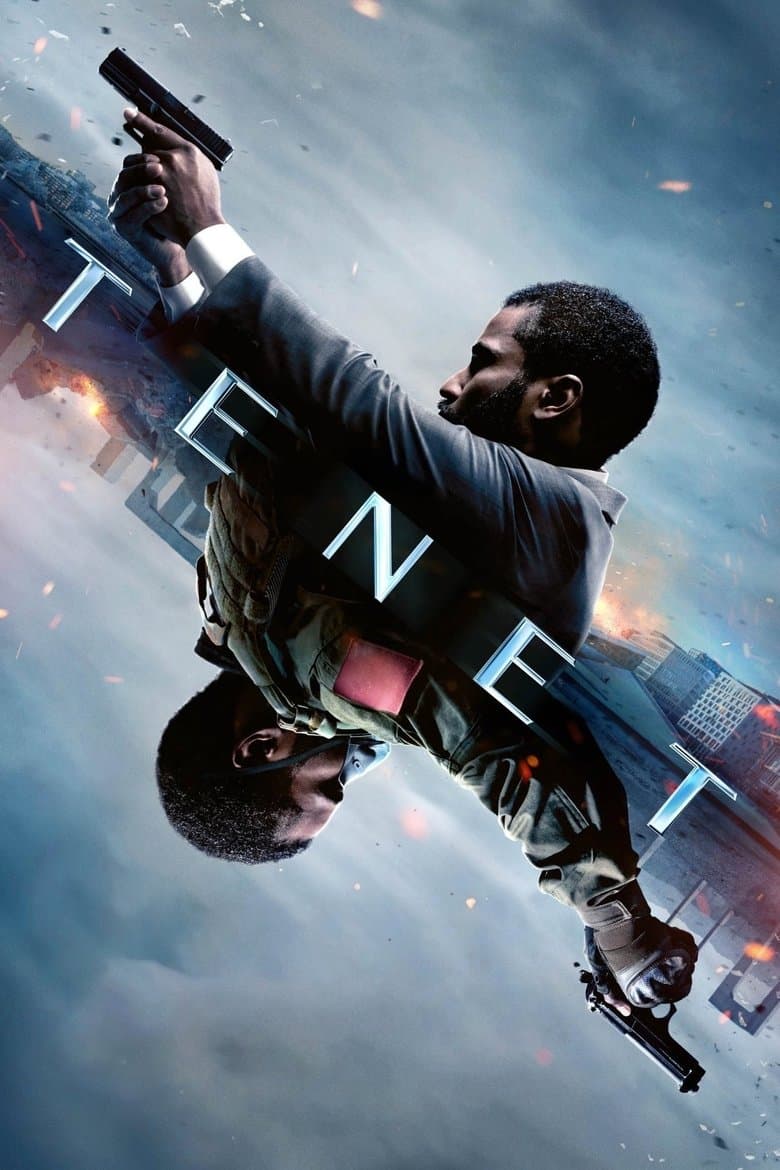
Movie · 2020
Armed with only one word - Tenet - and fighting for the survival of the entire world, the Protagonist journeys through a twilight world of international espionage on a mission…

Movie · 2018
A brutal mugging leaves Grey Trace paralyzed in the hospital and his beloved wife dead. A billionaire inventor soon offers Trace a cure — an artificial intelligence implant called…
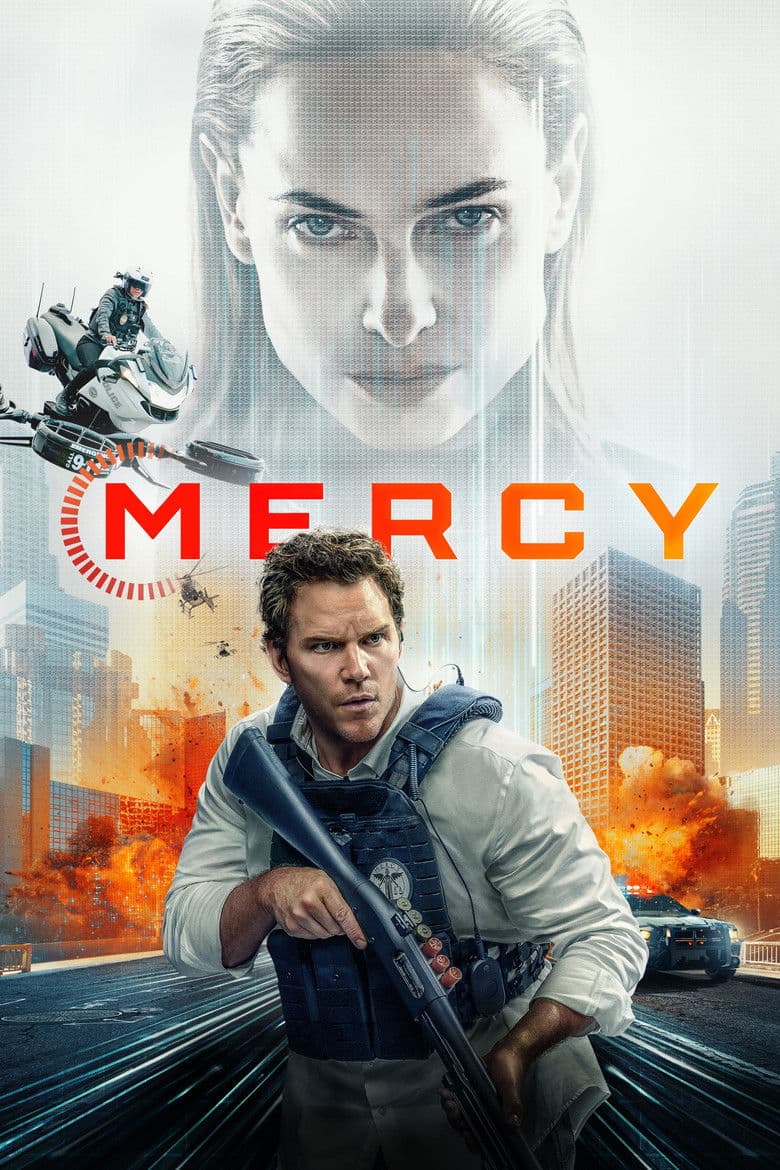
Movie · 2026
In the near future, a detective stands on trial accused of murdering his wife. He has ninety minutes to prove his innocence to the advanced AI Judge he once championed, before it…
