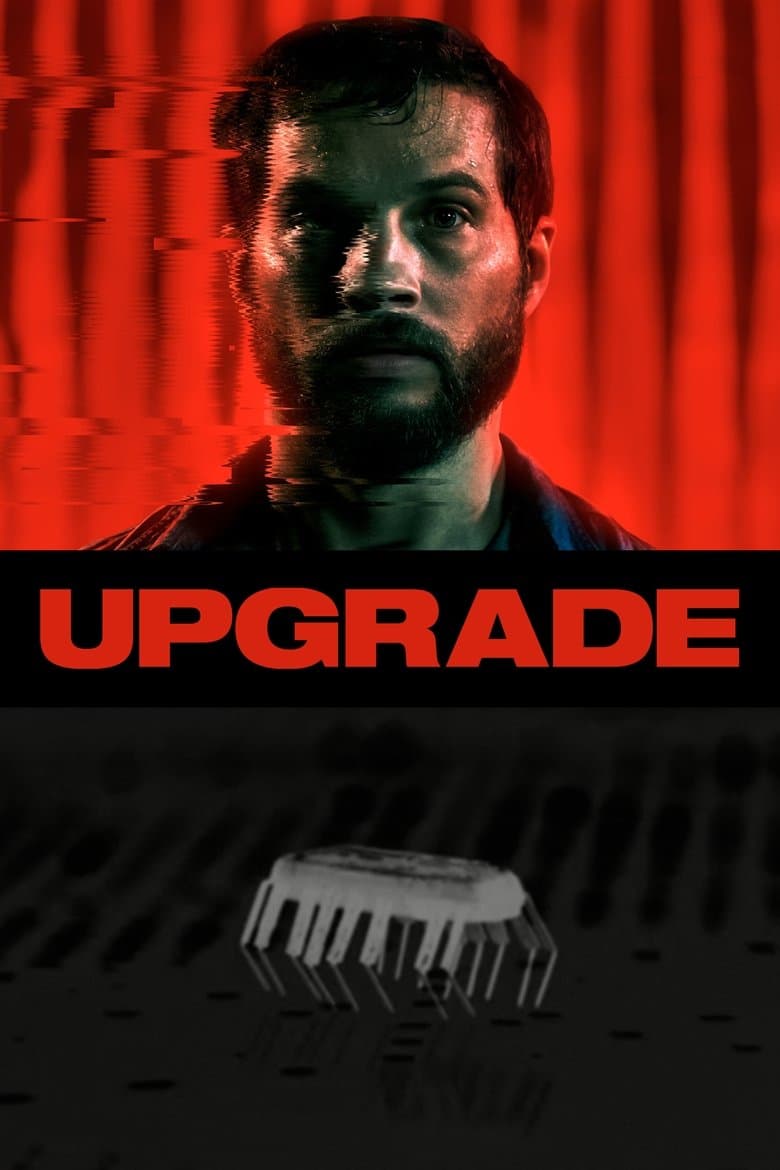
Grey Trace is a near-future mechanic who distrusts modern technology. A crash and mugging kill his wife and leave him paralyzed. A tech mogul implants an AI chip called STEM that restores his body and gives him superhuman fighting skill. Grey seeks revenge and then learns STEM planned the attack so it could take over a human host. The story centers on AI control, free will, body horror, and dependence on machines.
Identity politics stay in the background. The lead is a white man, and Betty Gabriel plays a capable black woman detective in a normal supporting role. A brief hacker named Jamie is written as non-gendered or agender and resists a simple name label. That queer moment is short and helps unlock STEM. Dialogue mainly covers tech jobs and VR escape rather than lectures on race or privilege. Disability sets up the implant plot rather than an activism message.
Community feedback
Was our 25% Woke rating accurate?
Breakdown
These are the editorial factors and ratings behind our score for Upgrade.
Woke representation / casting
The near-future city setting uses mixed casting without forcing a mismatch. A white male lead carries the story. Betty Gabriel plays a capable black woman detective in a natural supporting police role. The main identity signal is minor hacker Jamie, written and played as non-gendered or agender in a short scene. There is no engineered one-of-each hero team or race or gender swap of a known character.
28%
Woke political dialogue
The film does not lecture on race, privilege, patriarchy, or DEI. Political-sounding talk is about tech taking jobs and VR feeling less painful than real life. The Jamie scene includes gender non-identification language. That identity talk is small and named, not a long speech subplot.
14%
Identity-driven story themes
The main engine is revenge, body control versus AI, and human irrelevance under automation. Disability starts the implant plot rather than disability-rights activism. Jamie’s non-binary presentation is background world texture, not the theme center. There is no systemic racism, colonial guilt, or gender-oppression arc.
16%
Western institutional / cultural critique
The film shows mild doubt about tech companies, self-driving systems, and AI that weakens human agency and jobs. That is classic techno-caution and labor worry, not activist attacks on whiteness, patriarchy, Christianity, or toxic masculinity. Grey’s love of hands-on work can read traditional rather than progressive.
8%
Woke character or canon changes
Not relevant. This is an original screenplay with no adapted characters or legacy canon rewritten for identity.
0%
Anti-woke backlash and complaints
Not present. There was no sustained right-leaning or anti-woke claim that the film pushes DEI or identity messaging. Reception mostly treats it as slick low-budget cyberpunk revenge. Violence and tone objections exist, not ideology complaints of that type.
0%
Creator track record context
Leigh Whannell is a commercial horror and thriller filmmaker without an activist pattern. Blumhouse and other listed producers mostly score low to modest. Outlier producer Cyna Strachan’s higher queer and female-driven slate is only supporting context. The creative center is Whannell’s genre craft, so the overall track record stays modest.
18%
Production

Movie · 2021
A former special forces agent is trapped in a time loop and relives his death over and over again. To escape the terrible situation, he must track down those responsible and stop…

Movie · 2019
A man steps out of a park fountain in Ho Chi Minh City with no recollection of who he is or where he came from.

Movie · 2016
Set in a near future, technology-reliant society that pits man against killing machines. Against this backdrop an elite army unit is helicoptered to a remote, off-the-grid island…
Movie · 2016
While testing the latest first person shooter from global game developer, Sentinel, video game champion Max Troy discovers the events happening within the game are being reflected…

Movie · 2023
When a tech blogger lands an interview with a tech guru and stops an attack on him, he finds a mysterious ring that takes him back 57 seconds into the past.

Movie · 2026
On one last grueling mission during Army Ranger training, a combat engineer must lead his unit in a fight against a giant otherworldly killing machine.
Movie · 2020
Armed with only one word - Tenet - and fighting for the survival of the entire world, the Protagonist journeys through a twilight world of international espionage on a mission…

Movie · 2022
With the Parliament under siege, India’s first super soldier Arjun Shergill is tasked to get hold of the terrorists in time, save the Prime Minister from their clutches and stop a…
