Movie review
June 5, 2025 · 85 min · R · Sci-Fi · Animation · Action · Thriller
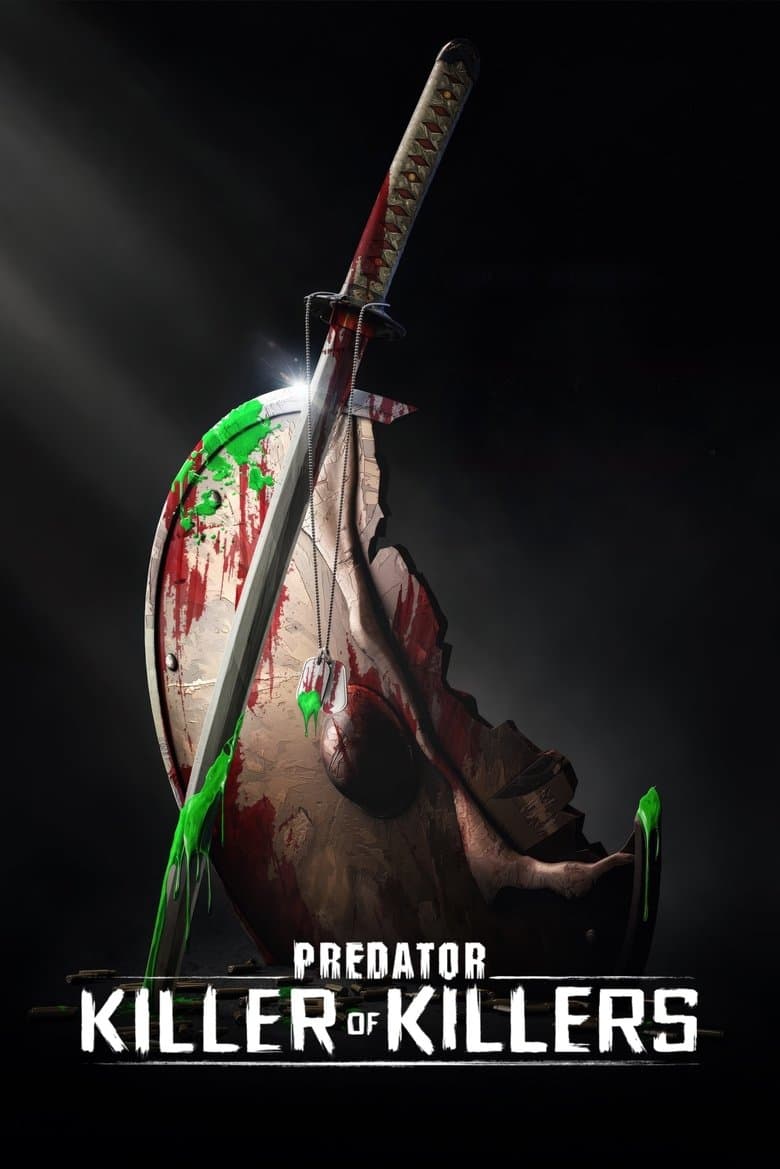
Predator: Killer of Killers is an adult animated action movie about three human fighters who become targets for alien hunters. Ursa is a Viking warrior who leads her young son and clan against a warlord who killed her father. Kenji is a ninja in feudal Japan who faces his samurai brother during a fight over their father’s rule. Torres is a Mexican American mechanic who becomes a fighter pilot in World War II and battles a Predator in the sky. The film uses a fast, bloody tone as it moves from old Scandinavia to Japan and then to wartime skies before bringing the survivors together for a final fight.
The clearest audience-visible woke element is the choice of Ursa as a central Viking leader and fighter. Her role places a woman at the front of a violent warrior story, while the film also places a Mexican American pilot in another leading role. These choices are shown through action rather than speeches about race, gender, or politics. The stories mainly deal with revenge, family duty, courage, sacrifice, and the lesson that revenge does not bring back the dead.
Community feedback
Was our 24% Woke rating accurate?
Breakdown
These are the editorial factors and ratings behind our score for Predator: Killer of Killers.
Woke representation / casting
Ursa is a central female Viking leader and fighter, which is a noticeable choice in a period action story that usually centers male warriors. Torres is a Mexican American pilot in another major heroic role. The Japanese warrior matches his setting, and the movie does not present the cast as a diversity program. The identity signals are visible, but the characters still serve their own revenge and survival plots.
32%
Woke political dialogue
Not present. The dialogue centers on family, revenge, military duty, and survival. The film does not use activist speeches or modern political talking points.
0%
Identity-driven story themes
Not present. Ursa's story is about grief and revenge, while the other stories focus on brothers, duty, and combat. The film does not make race, gender, sexuality, or DEI conflict the main subject.
0%
Western institutional / cultural critique
Not present. The film shows a Viking warlord, a strict father, and wartime combat as period conflicts. It does not turn those conflicts into a modern attack on Western institutions, family life, religion, or traditional roles.
0%
Woke character or canon changes
Not relevant. The film uses new warriors and original period stories inside the Predator universe. It does not make an identity-driven change to an established character or real historical figure.
0%
Anti-woke backlash and complaints
Small anti-woke posts called Ursa a “girlboss” and said Disney had weakened the franchise’s male focus. Other small posts called the film “DEI nonsense” or “woke garbage.” A small GOG forum thread made a similar complaint about the female Viking. The broader reaction was mostly positive, and no major boycott or review-bomb campaign was confirmed.
14%
Creator track record context
Dan Trachtenberg has a mild pattern of putting strong women and minority heroes at the center of genre stories, including Prey. Ben Rosenblatt and Jessica Sherman have professional records that favor diverse talent and female empowerment. Joshua Wassung, the Thomas brothers, Micho Rutare, and most producers show little public activist work. This gives the movie mild creator track record context, but the team does not show a strong shared identity-politics pattern.
25%
Production
Movie · 2018
When a young boy accidentally triggers the universe's most lethal hunters' return to Earth, only a ragtag crew of ex-soldiers and a disgruntled scientist can prevent the end of…
Movie · 2022
The Red Ribbon Army, an evil organization that was once destroyed by Goku in the past, has been reformed by a group of people who have created new and mightier Androids, Gamma 1…
Movie · 2024
An endless army of shadow demons bent on the destruction of all reality swarms over our world and all parallel Earths!
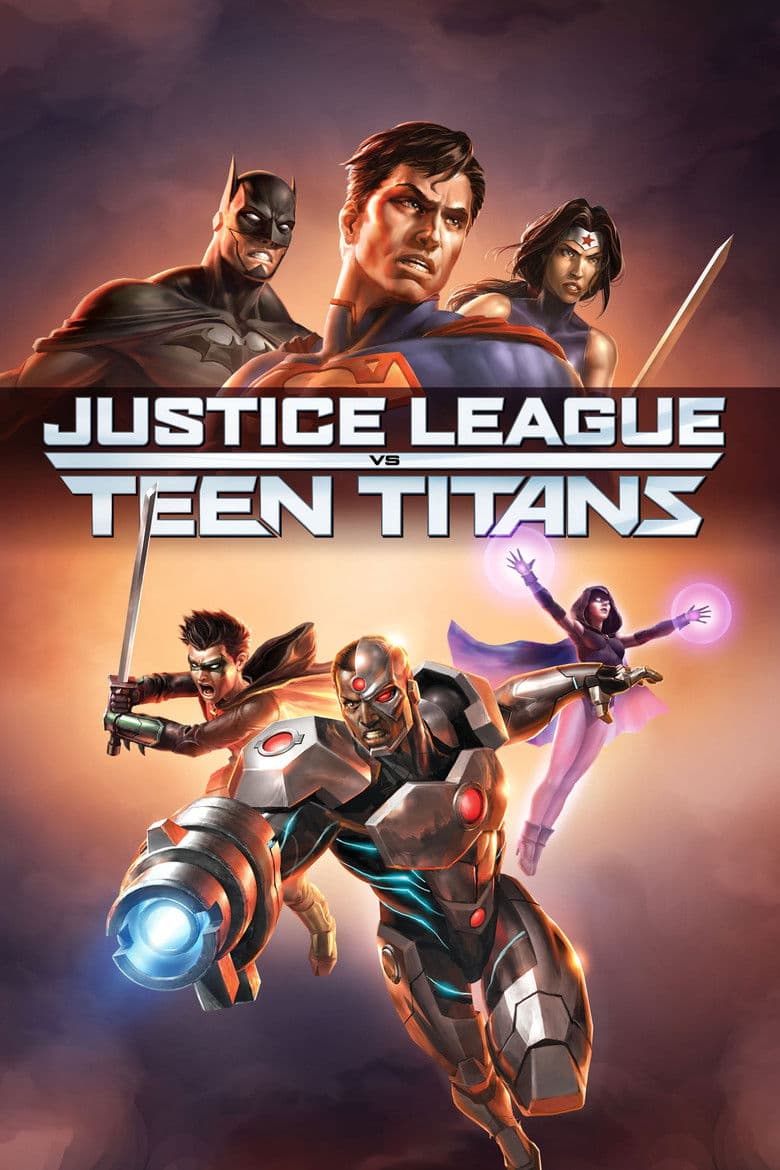
Movie · 2016
Robin is sent by Batman to work with the Teen Titans after his volatile behavior botches up a Justice League mission.
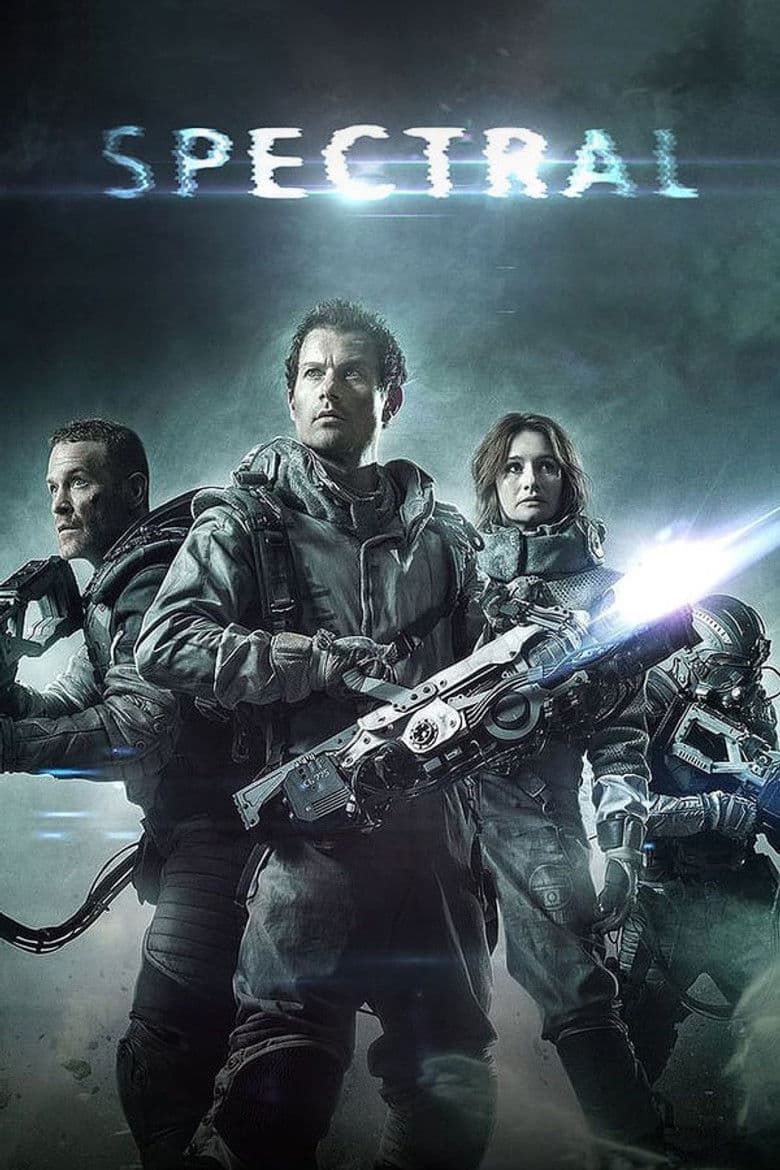
Movie · 2016
A special-ops team is dispatched to fight supernatural beings that have taken over a European city.

Movie · 2018
Batman, along with many of his allies and adversaries, finds himself transported to feudal Japan by Gorilla Grodd's time displacement machine.
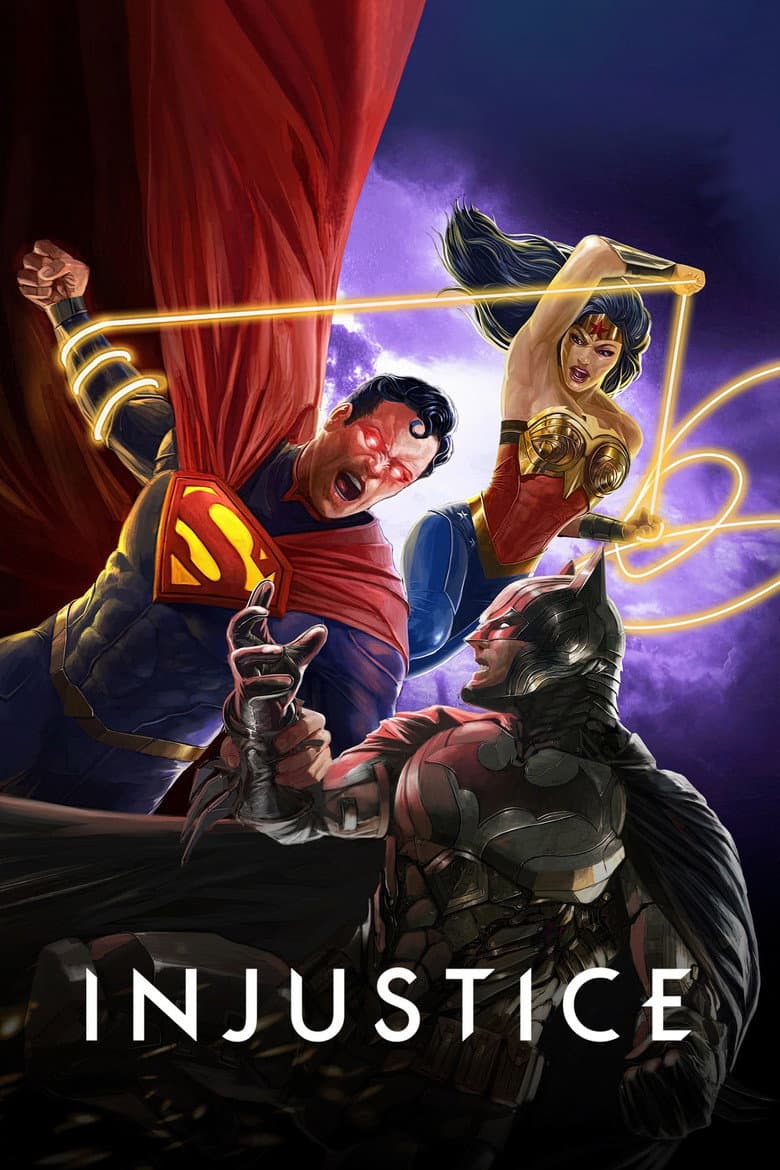
Movie · 2021
When Lois Lane is killed, an unhinged Superman decides to take control of the Earth. Determined to stop him, Batman creates a team of freedom-fighting heroes.
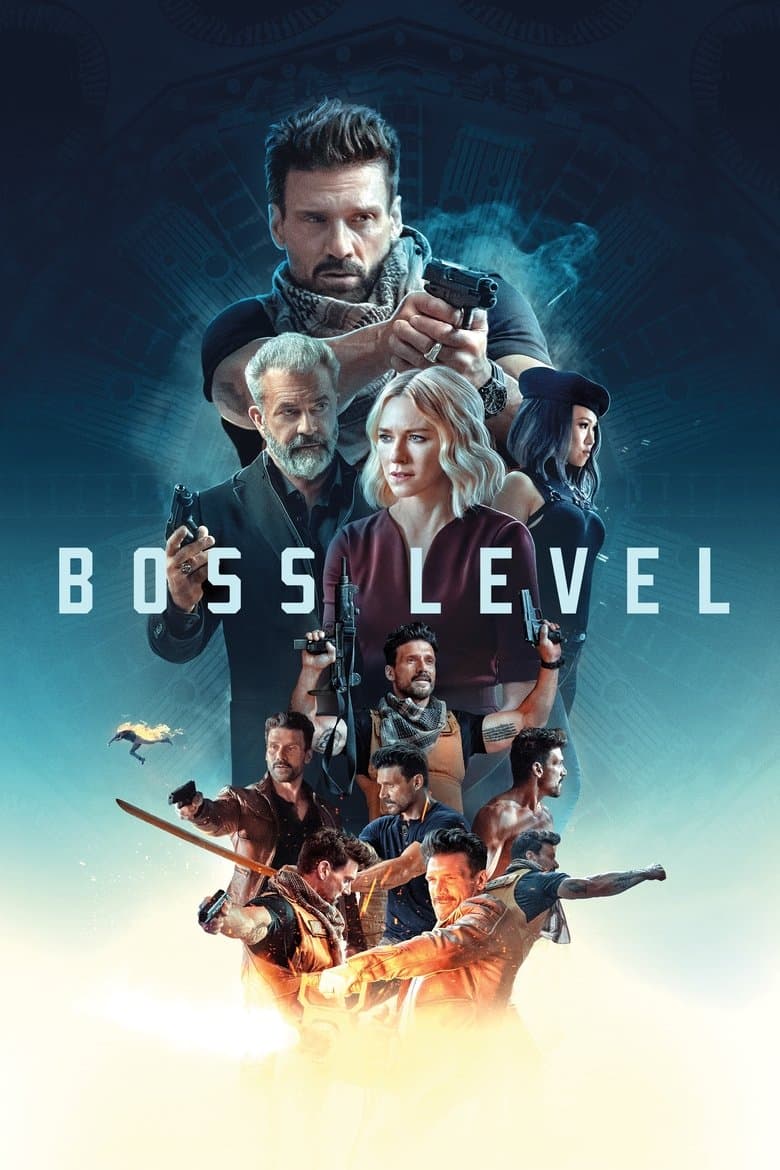
Movie · 2021
A former special forces agent is trapped in a time loop and relives his death over and over again. To escape the terrible situation, he must track down those responsible and stop…
