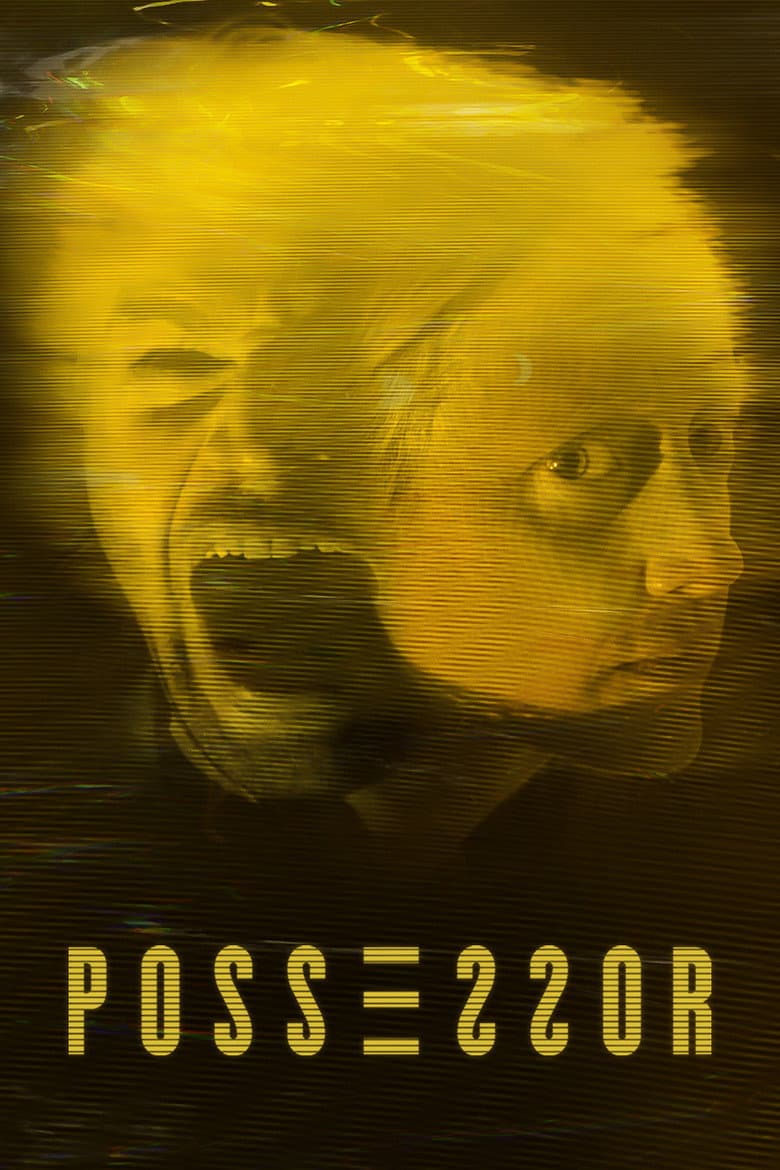
Tasya Vos is a skilled assassin who works for a secret company in a strange version of 2008. Brain implants let her take over another person's body and force that person to kill a target. Her latest mission puts her inside Colin Tate, a troubled man tied to a rich technology family. Colin fights back, and Tasya starts to lose her grip on her own mind, family, and body. The film has a cold, grim tone with shocking violence and disturbing body horror.
The film makes identity a main source of fear because Tasya moves through both female and male bodies and cannot fully separate herself from Colin. A sex scene joins her female self, Colin's male body, and mixed body parts in one disturbing image. The opening also places Tasya inside Holly, a black woman whose body is used for murder before police kill her. The story raises questions about race, gender, privacy, work, and control, but it does not turn them into a clear political speech or a simple call for social change.
Community feedback
Was our 43% Woke rating accurate?
Breakdown
These are the editorial factors and ratings behind our score for Possessor.
Woke representation / casting
Tasya Vos is a white woman who holds the lead assassin role, and Girder is also a senior boss. Andrea Riseborough called Vos a female anti-hero, and Cronenberg said he changed Vos from a man because the gender contrast interested him. The opening gives a major role to black woman Holly, whose body is used and then shot by police. Most other major roles are white, so the film shows a modest identity pattern rather than a diversity-first cast.
28%
Woke political dialogue
Not present. The characters discuss jobs, contracts, and control, but they do not deliver current political or activist speeches.
0%
Identity-driven story themes
Tasya's loss of self is the main conflict, and the film repeatedly shows her moving between bodies. The story makes sex and gender visible when a female consciousness and a male body merge during an explicit sex scene. The opening links body control to race when a white woman uses Black Holly as a disposable host before police kill her. These ideas are disturbing and central, but the film does not argue for a clear activist cause.
48%
Western institutional / cultural critique
The assassin company treats human bodies as tools for paid killings. Colin's data-mining job watches people in their homes so a company can sell products. John Parse and his family use wealth and business power to arrange murder. These ideas shape the main plot, but the film does not attack religion, democracy, or ordinary family life.
42%
Woke character or canon changes
Not relevant. The film is an original story with no established character or real event being changed.
0%
Anti-woke backlash and complaints
Not present. Broad news and audience searches found no substantial anti-woke backlash or complaint that the film pushes DEI or identity politics. Criticism of the black police scene came from reviewers who wanted more racial care, so it does not count here.
0%
Creator track record context
Brandon Cronenberg's recorded creator score is 21/100. His films repeatedly explore identity, technology, power, and consumer culture, which gives a mild context signal. The record shows no clear DEI or activist campaign, and the other listed creators have low recorded scores. The current film's sex and gender focus adds context, but the overall creator signal stays limited.
21%
Production

Movie · 2020
Two New Orleans paramedics' lives are ripped apart after encountering a series of horrific deaths linked to a designer drug with bizarre, otherworldly effects.
Movie · 2025
On the mysterious planet of Ash, Riya awakens to find her crew slaughtered. When a man named Brion arrives to rescue her, an ordeal of psychological and physical terror ensues…
Movie · 2023
A powerful biotech company has breakthrough technology allowing them to clone history’s most influential people with just a few fragments of DNA.
Movie · 2019
A year after the mysterious disappearance of an 8 year-old girl, we meet her grieving family as they return home from her memorial service in their small town.
Movie · 2016
Set in a near future, technology-reliant society that pits man against killing machines. Against this backdrop an elite army unit is helicoptered to a remote, off-the-grid island…
Movie · 2021
Following the events at home, the Abbott family now face the terrors of the outside world. Forced to venture into the unknown, they realize that the creatures that hunt by sound…

Movie · 2025
After returning from her first space mission, astronaut Sam Walker is placed under NASA’s care at a high security house for rehabilitation and medical testing.

Movie · 2016
A woman struggles to survive on her own in the wake of a mysterious epidemic, which has decimated society and forced her deep into the unforgiving wild.
