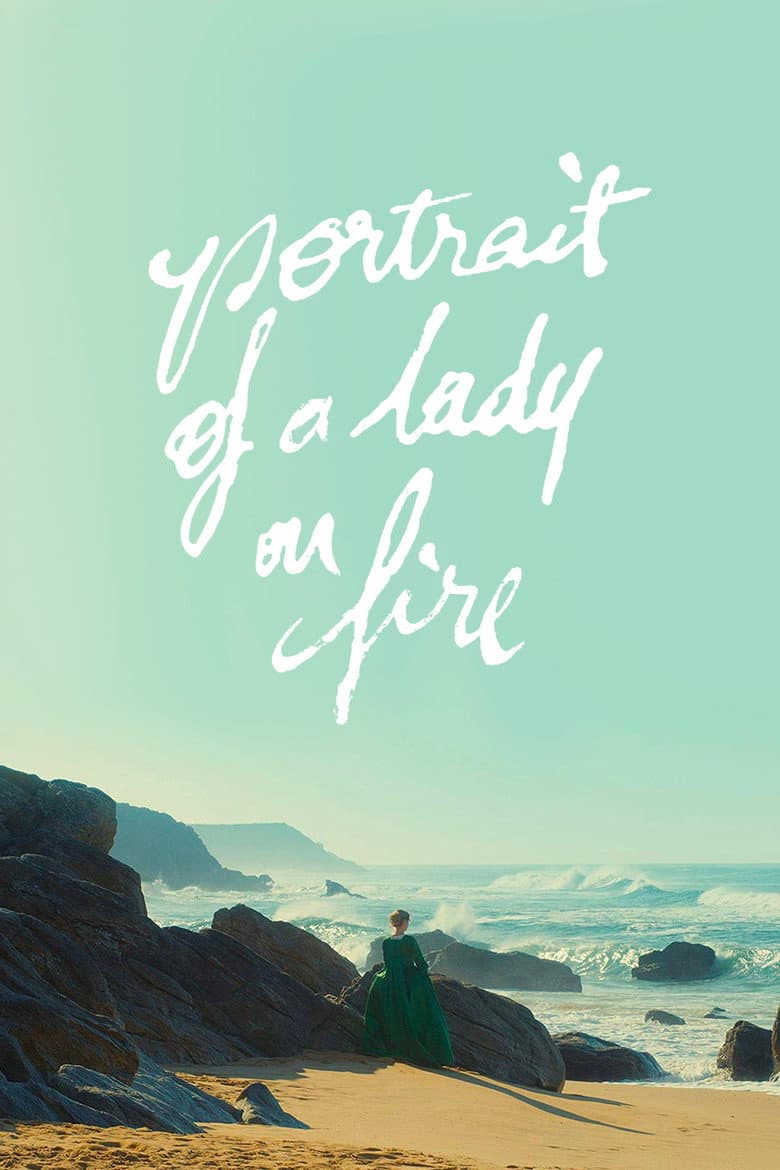
Marianne is a painter who travels to a remote island in Brittany in the late 1700s. A countess hires her to secretly paint Héloïse, a young woman being sent into an arranged marriage. Héloïse refuses to pose, so Marianne studies her during walks and paints her at night. Their guarded friendship becomes a quiet, passionate romance before the wedding closes in.
The film centers a love story between two women and gives their desire the same weight as their art and work. It presents women as equal observers, artists, and decision makers while keeping men mostly outside the frame. The story also follows Sophie, a maid who faces an unwanted pregnancy and receives help from the other women. These choices make female freedom, consent, abortion, and resistance to marriage rules central parts of the story.
Community feedback
Was our 84% Woke rating accurate?
Breakdown
These are the editorial factors and ratings behind our score for Portrait of a Lady on Fire.
Woke representation / casting
The film puts women in nearly every major role and keeps men mostly off screen. The main roles are two white French women and a maid, so ethnicity is not used as a diversity display. Sciamma said equality between the two leads was an important choice. The female-centered design is a clear gender statement even though the cast does not show a wide mix of ethnic identities.
38%
Woke political dialogue
The women repeatedly discuss how marriage, art, and public life limit women. The Orpheus and Eurydice discussion asks whether Eurydice chose her own fate. The characters also speak about Sophie’s unwanted pregnancy and abortion. These conversations support female choice and equal standing, but they stay inside the period story rather than becoming modern campaign speeches.
40%
Identity-driven story themes
The film centers a love affair between Marianne and Héloïse, two women whose desire shapes the whole plot. The story makes female freedom, consent, artistic control, and the right to choose one’s life part of that romance. The film gives a full subplot to Sophie’s abortion and shows women helping her. The female gaze and women’s solidarity return through the paintings, the myth, and the women-only household.
90%
Western institutional / cultural critique
The film shows family wealth, arranged marriage, and the male art world limiting women’s choices. The countess helps enforce a marriage that Héloïse does not want. Marianne explains that men receive credit for her work when she submits paintings under her father’s name. The story presents women’s shared freedom as an answer to those old rules, while keeping the criticism tied to the women’s lives.
53%
Woke character or canon changes
Not relevant. The film is an original story, not a retelling of an established character’s life. It discusses Orpheus and Eurydice, but it does not use that myth as the film’s source story.
0%
Anti-woke backlash and complaints
Not present. No clear anti-woke or anti-left complaints appeared in the reviewed coverage. Most public discussion praised the lesbian romance, the female gaze, or the film’s style.
0%
Creator track record context
Sciamma has a strong feminist and queer record, and this film directly follows that pattern. Couvreur has backed many women-led and identity-focused films. Baras has often worked on projects with gender and representation themes. Rodolakis has no known public activist record, but script supervision is a technical role. The director’s role makes the creator track record signal strong.
84%
Production
Movie · 2018
German artist Kurt Barnert has escaped East Germany and now lives in West Germany, but is tormented by his childhood under the Nazis and the GDR regime.

Movie · 2024
Remi and Barnes, two very different teenagers, meet by chance in the winter of their senior year, then spend four days together over the course of a year that will change their…

Movie · 2018
Seasoned musician Jackson Maine discovers — and falls in love with — struggling artist Ally. She has just about given up on her dream to make it big as a singer — until Jack…
Movie · 2018
As a young New York couple goes from college romance to marriage and the birth of their first child, the unexpected twists of their journey create reverberations that echo over…

Movie · 2017
Nothing is as it seems in this riveting World War 2 thriller as a wary soldier goes to investigate a mysterious German monarch at his secluded mansion, leading him into a web of…

Movie · 2016
Lou Clark, a directionless 26-year-old from the English countryside, takes a job at the local castle as a caregiver and companion to a wealthy young banker, Will Traynor.

Movie · 2020
Young musician Zach Sobiech discovers his cancer has spread, leaving him just a few months to live. With limited time, he follows his dream and makes an album, unaware that it…
Movie · 2020
Lonely college freshman Alex has closed himself off from his peers, who all appear to have this whole "college thing" figured out.
