
Ben King is a nervous young man who keeps searching for the perfect relationship. Alice Mori is his longtime friend, and a recent breakup has left her angry, funny, and ready to drink through wedding season. They agree to attend ten weddings across modern California so neither person has to face the singles table alone. The plan turns into sex, romance, and a hard test of whether friendship can become a lasting relationship. The film uses rude jokes, awkward sex, family fights, and wedding speeches to make a warm but messy comedy.
Plus One gives Alice a leading role that rejects the polished, quiet woman often used in older romances. She is loud, sexually direct, independent, and often controls the pace while Ben is the anxious helper who keeps overthinking love. The film also shows Alice's Japanese American family, her relationship with a white man, and a male couple whose marriage is treated as normal. It jokes that straight people overthink marriage and questions the pressure to find a perfect partner. These ideas are part of the romance and its jokes, but they stay below the level of an activist story.
Community feedback
Was our 49% Woke rating accurate?
Breakdown
These are the editorial factors and ratings behind our score for Plus One.
Woke representation / casting
The film puts a Japanese American woman at the center and pairs her with a white man. It also gives Alice a Japanese American family wedding and includes a black man in a male couple. These choices make diversity visible in major and supporting roles, but the modern California setting makes them believable. The interviews describe the casting as finding the best fit, not as a diversity campaign.
24%
Woke political dialogue
The film has a repeated joke in which Brett and Nick say that straight people overthink marriage. Alice also rejects a remark that Asian women only date white men. These lines bring sexuality and race into the wedding talk. The jokes are brief and do not become a speech or a political debate.
27%
Identity-driven story themes
The film repeatedly makes Alice the bold, sexually open, and socially dominant half of the pair. She does not soften herself to win Ben, and the story treats her drinking, swearing, and direct pursuit of love as part of her appeal. Ben is often the nervous helper who follows her lead and must learn to stop demanding perfect certainty. The film also treats a male couple's marriage as normal, but that couple remains a small side part.
52%
Western institutional / cultural critique
The film makes wedding culture and the pressure to pair off look silly and stressful. It questions the idea that a person must find a perfect match before making a life choice. Alice also rejects the polished woman and perfect romance expected by older stories. The ending still accepts love, marriage, and family, so the critique is mild.
32%
Woke character or canon changes
Not relevant. The movie is an original story about two college friends and does not alter a known character or real event.
0%
Anti-woke backlash and complaints
One Metacritic user review called Alice's casting a diversity-box choice and disliked her as the lead. The comment was isolated and did not lead to a boycott, review campaign, or news controversy. Most other audience reactions praised the leads or only complained about the film being predictable.
12%
Creator track record context
Cached context gives Andrew Rhymer a moderate progressive record, including work linked to fluid sexual identities. Jeff Chan has a limited public activist profile. Several producers have worked on inclusive or LGBTQ projects, while many others have mainly commercial careers. The film's interviews present Plus One as an honest relationship story, which keeps this background signal moderate.
32%
Production
Movie · 2020
An on-the-lam punk rocker and a young woman obsessed with a local band go on an unexpected and epic journey together through the decaying suburbs of the American Midwest.
Movie · 2022
Peter and Emma thought they were on the precipice of life’s biggest moments – marriage, kids, and houses in the suburbs – until their respective partners dumped them.
Movie · 2023
Two twenty-somethings, both reeling from bad break-ups, connect over the course of an eventful day in South London – helping each other deal with their nightmare exes, and…

Movie · 2020
A teenager lives out the hilarious and often tragic consequences of being lethally attractive, until he meets a girl with a congenital defect.
Movie · 2018
Lara Jean's love life goes from imaginary to out of control when her secret letters to every boy she's ever fallen for are mysteriously mailed out.
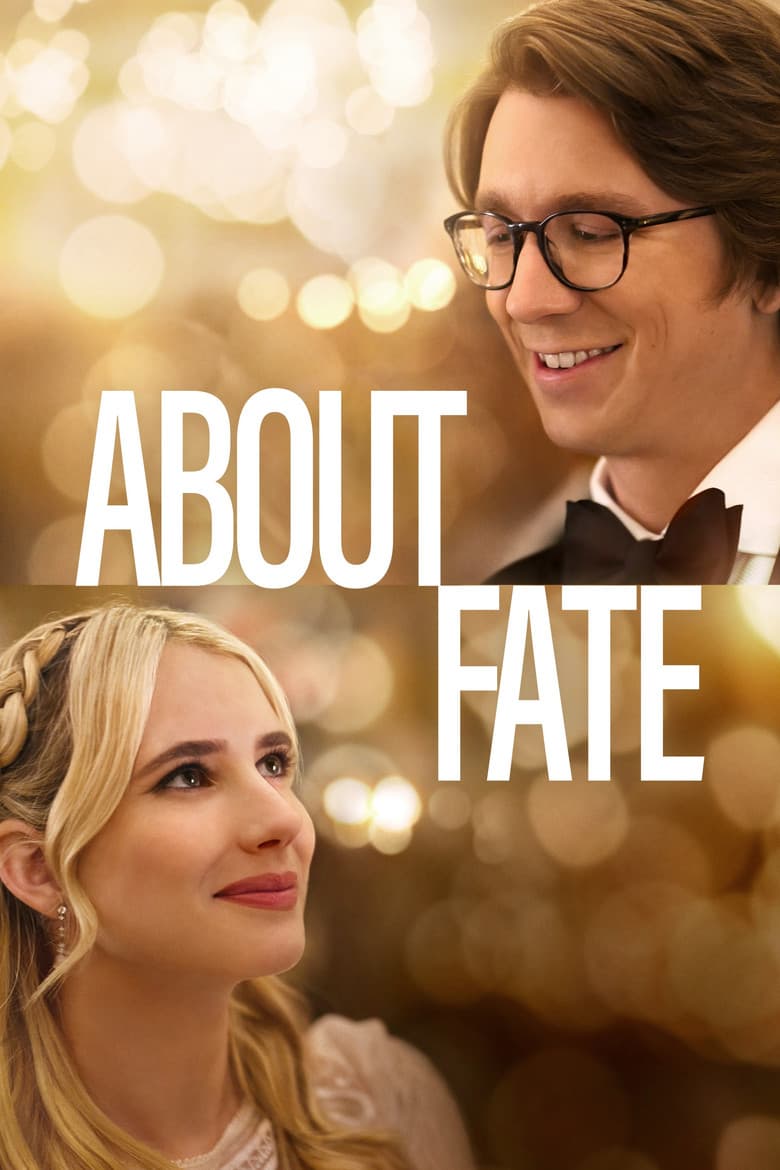
Movie · 2022
Two strangers believe in love but never seem to be able to find its true meaning. In a wild twist of events, fate puts each in the other's path on one stormy New Year's Eve.

Movie · 2023
After a disastrous first date, wild-child Nicole and socially-anxious Max vow to lose each other’s numbers until they learn that their dogs found a love match, and now puppies are…
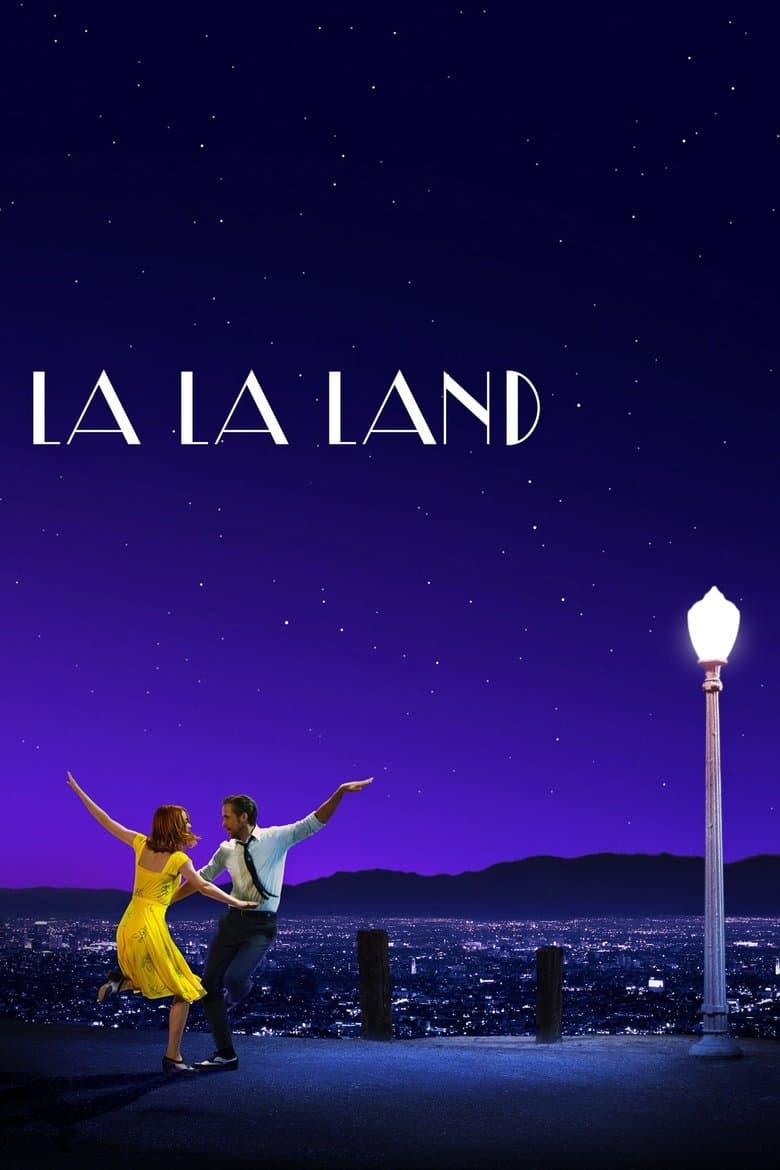
Movie · 2016
Mia, an aspiring actress, serves lattes to movie stars in between auditions and Sebastian, a jazz musician, scrapes by playing cocktail party gigs in dingy bars, but as success…
