
Anne Elliot lives with her proud but nearly broke family in Regency England. Eight years earlier, she let her family friend talk her out of marrying the poor naval officer Frederick Wentworth. When Wentworth returns rich and successful, Anne must face her regret while he seems ready to choose someone else. The movie mixes sadness and romance with jokes, direct talks to the camera, and modern slang.
The film uses a race-diverse cast for several high-status English roles, and the story gives no reason for the choice. Anne often speaks about the narrow path open to women, while other scenes question marriage as a woman's main goal. Wentworth calls her fit to be an admiral, and the ending tells viewers to choose love on their own terms. These feminist ideas return through the story, but the main plot stays focused on a man and woman rebuilding trust and choosing marriage.
Community feedback
Was our 72% Woke rating accurate?
Breakdown
These are the editorial factors and ratings behind our score for Persuasion.
Woke representation / casting
The film places black and Asian actors in several major English upper-class and country-family roles in 1817. Lady Russell, Mr. Elliot, Charles Musgrove, Captain Benwick, Louisa, and Henrietta form a clear pattern. The story does not explain this mix through family history or the plot. The casting remains easy to notice throughout the film.
44%
Woke political dialogue
Anne and other women repeatedly discuss marriage as a trade tied to women's basic security. Anne says a woman without a husband is not a problem, and she rejects the idea that all women only want an eligible man. She tells Wentworth not to decide what a future wife can bear, and he says the world denies Anne a public life. One line says lower ranks are taxed too much, but the movie has no party politics or activist campaign.
42%
Identity-driven story themes
The main romance is framed around Anne learning to trust her own choice after social pressure cost her love. The film often links her personal freedom to the limited roles offered to women. Wentworth praises her as fit to be an admiral, while the ending tells viewers not to let others decide how or whom they love. The result is a clear feminist message, though the story still ends as a romance between a man and a woman.
48%
Western institutional / cultural critique
Sir Walter is a vain fool who treats inherited rank as proof of worth and looks down on a successful Navy man of lower birth. The film also treats the marriage market and strict female roles as unfair. Anne gains happiness by rejecting family and class pressure, not by rejecting marriage or family itself. Wentworth and other Navy men remain capable and decent, so the critique is limited rather than a broad attack on Western life.
38%
Woke character or canon changes
The film turns Austen's quiet and restrained Anne into a bolder heroine who jokes to the camera, drinks from a bottle, and directly challenges gender rules. The added lines make her change strongly tied to current feminist ideas. Several known Regency characters are also recast across race as a clear representation choice. These changes are central and easy to see, though the main romance and ending remain close to the book.
58%
Anti-woke backlash and complaints
Several reviews and right-leaning writers called the film woke-washed or aimed at a woke generation. They objected to its race-diverse period casting, feminist rewrite of Anne, and modern social lines. Social posts also complained that black and Asian actors did not fit the English period setting. These complaints were visible, but the larger backlash focused on modern slang, comedy, and poor faithfulness rather than woke politics.
38%
Creator track record context
Director Carrie Cracknell has a strong record of feminist work, and casting director Dixie Chassay has often backed diversity-first casting. Writer Ronald Bass has voiced support for more chances for women and ethnic minorities. The other writers and most producers have low or mild records, with Michael S. Constable as the main exception. The group therefore has a moderate record led by the director and casting director.
39%
Production

Movie · 2016
Set against the backdrop of a beautiful garden in the heart of London, this contemporary fairy tale revolves around the unlikely friendship between a reclusive young woman and a…
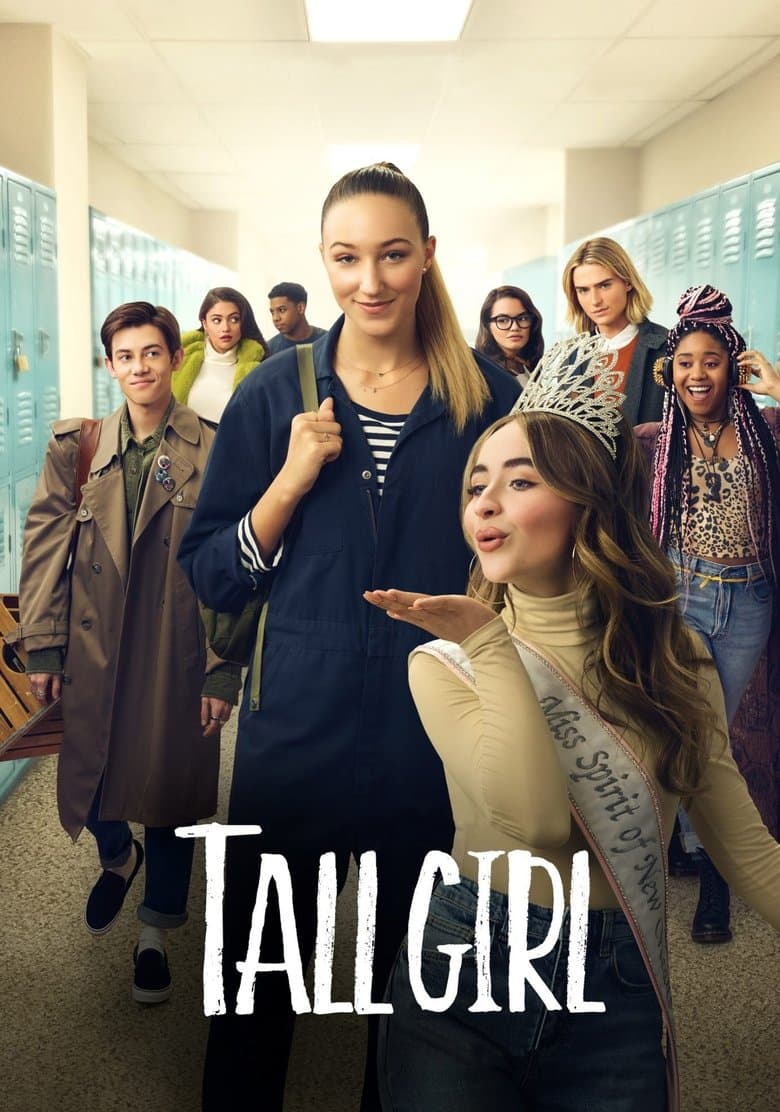
Movie · 2019
Jodi, the tallest girl in her high school, has always felt uncomfortable in her own skin. But after years of slouching, being made fun of, and avoiding attention at all costs…

Movie · 2016
Anne is at a crossroads in her life. Long married to a successful, driven but inattentive movie producer, she unexpectedly finds herself taking a car trip from Cannes to Paris…
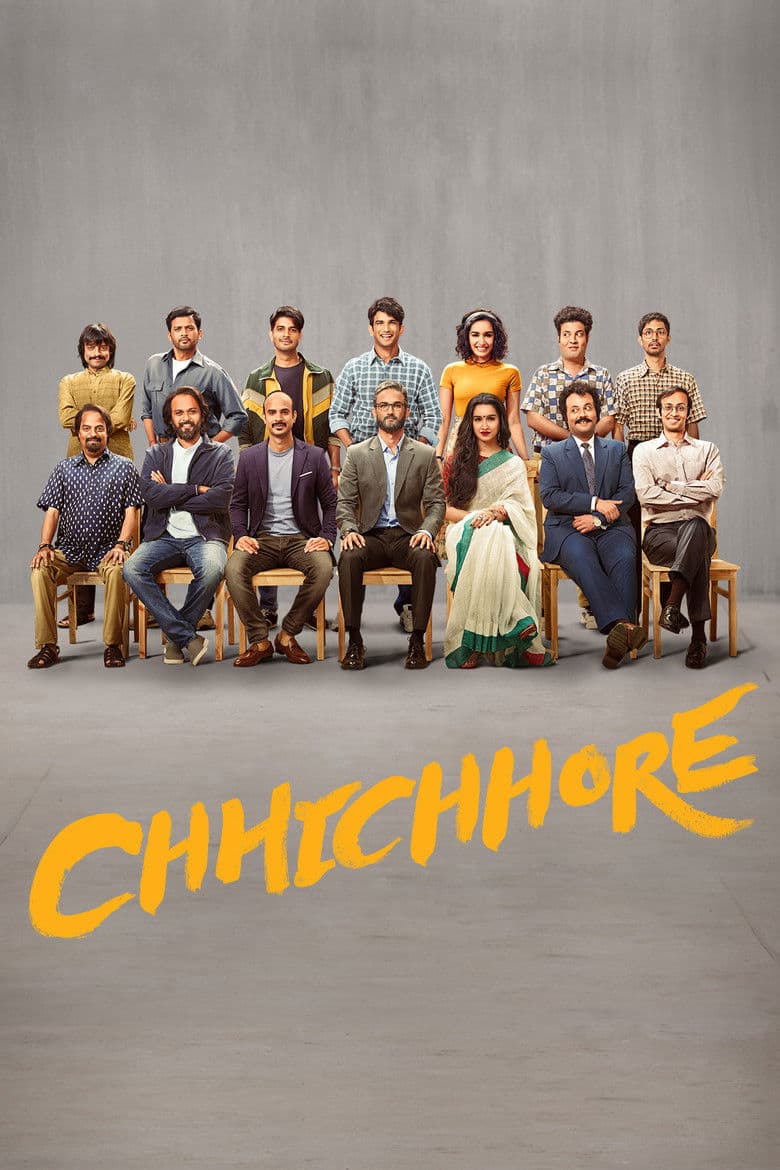
Movie · 2019
Following a group of friends from university as they progress into middle-age life and go their own separate ways.
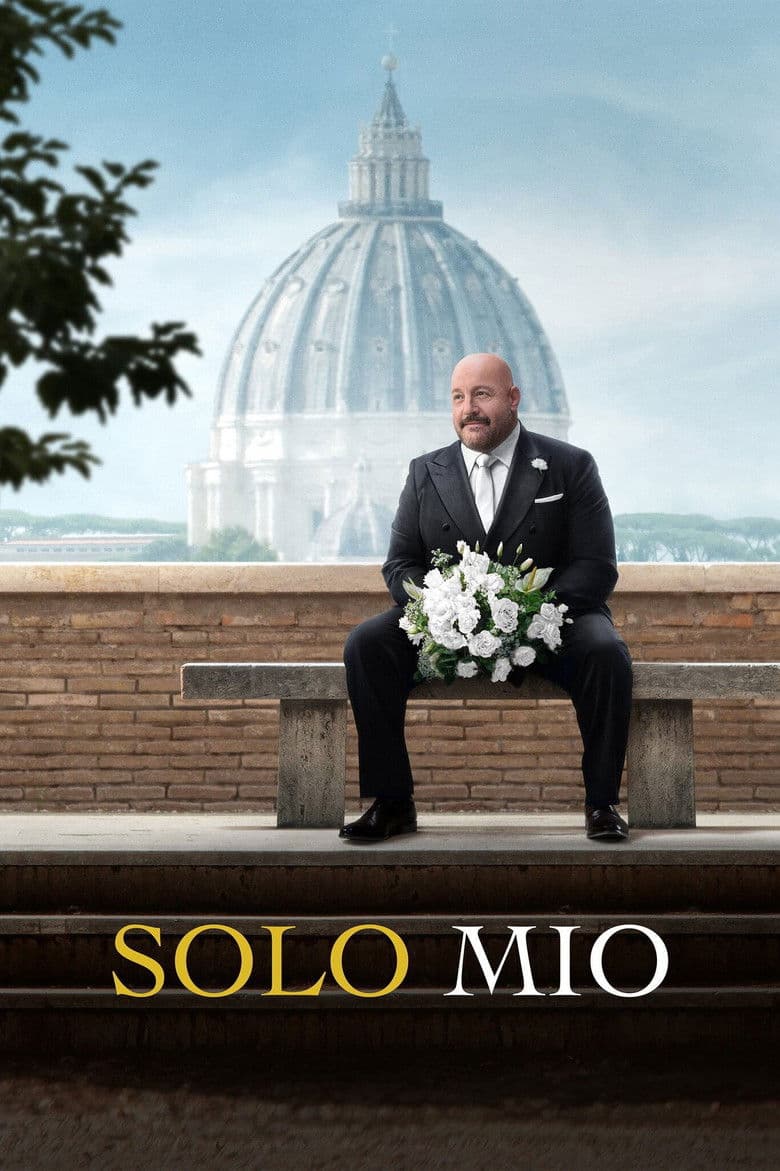
Movie · 2026
After Matt's dreams of a picturesque Italian wedding are shattered when his fiancée leaves him at the altar, he embarks on his planned honeymoon across Italy alone, immersing…
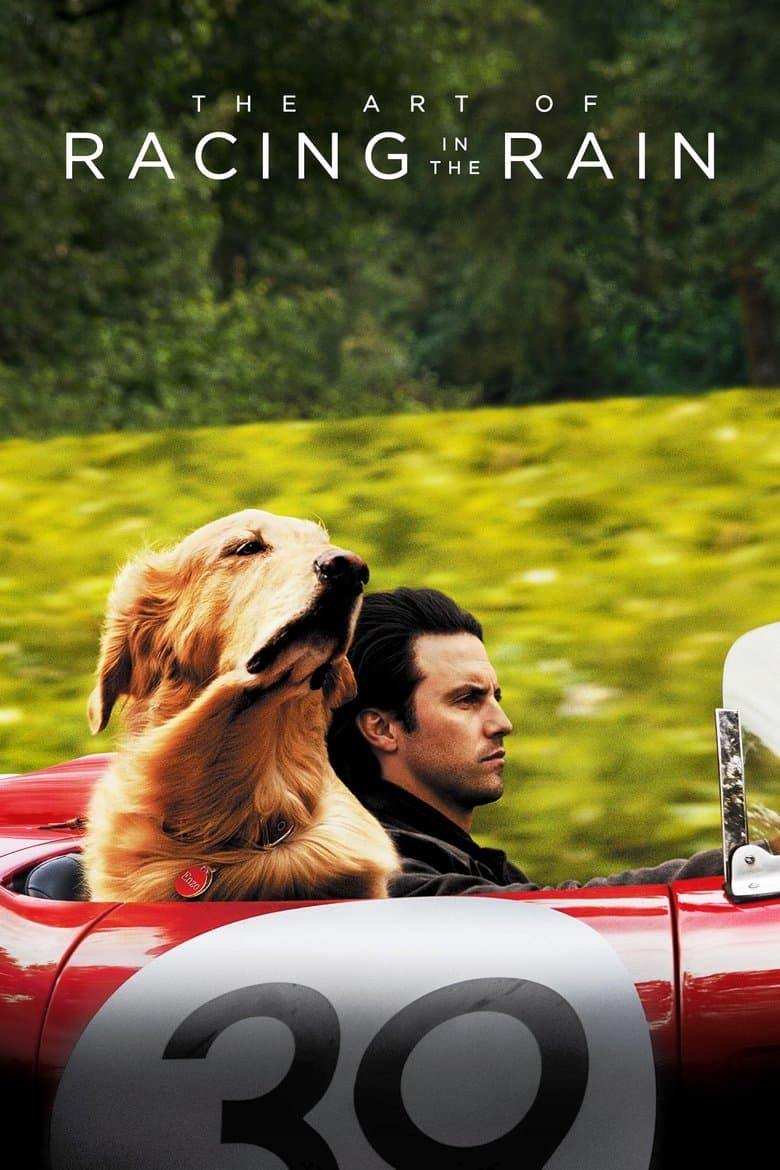
Movie · 2019
A family dog – with a near-human soul and a philosopher's mind – evaluates his life through the lessons learned by his human owner, a race-car driver.

Movie · 2016
Pop superstar Jordan Jaye has a big dream he just wants to live like a regular teenager. When he's chased down by some excited female fans, he finds a perfect hideout and a…
Movie · 2018
Dan, a 21-year-old carefree boy is always surrounded by a bunch of friends and fellow hotel interns who feed off each other's everyday moments, their ups and downs.
