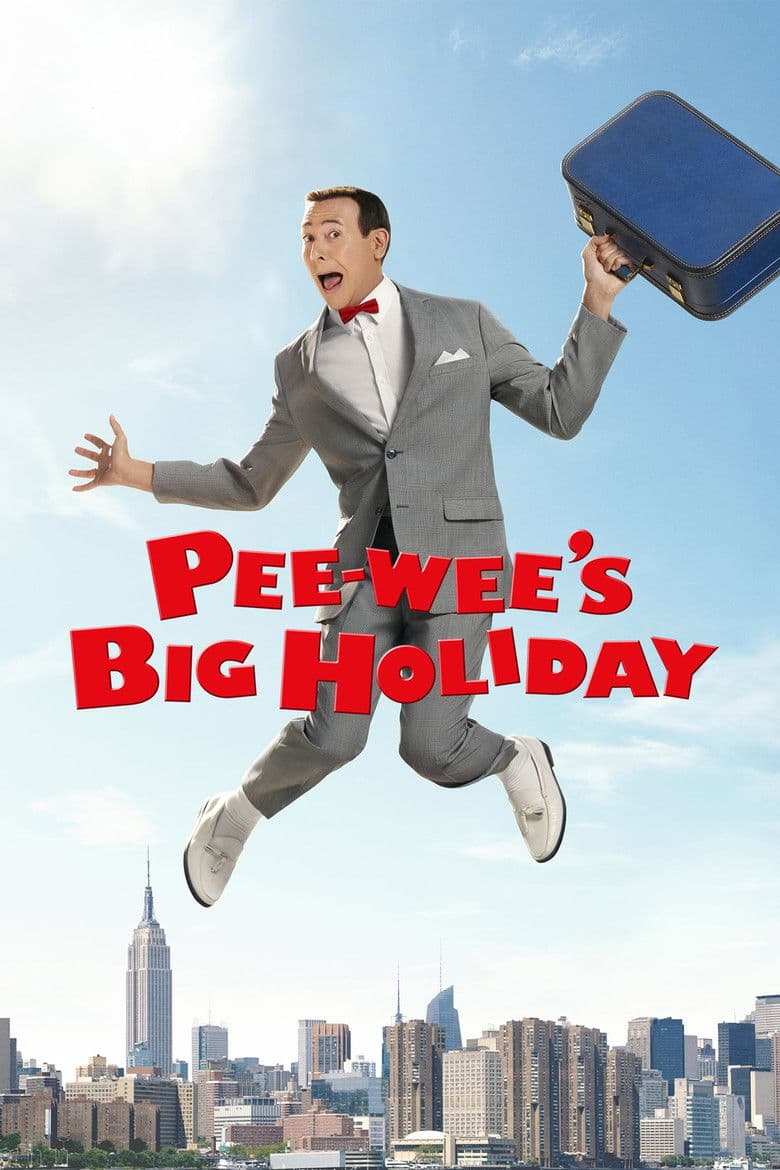
Pee-wee Herman lives in the small town of Fairville, where he cooks at a diner, plays in a band, and builds tiny machines. When his band breaks up, Joe Manganiello visits town and urges him to leave home for the first time. Pee-wee drives toward New York City so he can attend Joe’s birthday party. He meets bank robbers, a snake seller, a farmer with nine daughters, a flying-car pilot, and an Amish group along the way. The story uses bright jokes, strange set pieces, and a gentle road-trip mood.
The film puts Pee-wee’s bond with Joe at the center of the journey. Pee-wee dreams about Joe, travels across the country for him, and feels crushed when he thinks Joe may not care. Joe cries over Pee-wee, rescues him, and ends the film riding away with him after they exchange matching friendship bracelets. The movie keeps their love unnamed and childlike, but the repeated same-sex romance signals make the queer subtext easy for many viewers to notice. The film also treats Pee-wee’s soft style, the female criminals, the female pilot, and other odd characters as normal and welcome, but these ideas support the friendship story instead of replacing it.
Community feedback
Was our 41% Woke rating accurate?
Breakdown
These are the editorial factors and ratings behind our score for Pee-wee's Big Holiday.
Woke representation / casting
Not present. The film has a mixed group of characters, but it does not present race, ethnicity, or gender casting as a message. The main roles are built around comedy, friendship, and odd personalities.
0%
Woke political dialogue
Not present. The movie includes a brief “World Peace” line in a New York song, but it does not push modern identity, gender, DEI, or activist politics. The other gender jokes are part of the comedy and do not make a political argument.
0%
Identity-driven story themes
The movie makes Pee-wee’s bond with Joe the main emotional goal. Pee-wee dreams about Joe, crosses the country for his party, and feels rejected when he thinks Joe will not notice him. Joe cries over Pee-wee, rescues him, and rides away with him after they trade matching friendship bracelets. Pee-wee also rejects a shotgun wedding, kisses a female bank robber, and moves through a world where soft men and forceful women are treated as normal. The film never names a sexuality, but its repeated same-sex romance signals make queer subtext a major story element.
72%
Western institutional / cultural critique
Not present. The film does not attack Christianity, family life, capitalism, or Western institutions. A father pushes Pee-wee toward marriage, but the scene is a short absurd joke rather than a modern critique of family or gender rules.
0%
Woke character or canon changes
Not relevant. The film adds a new road trip and new characters for Pee-wee. It does not change a known character’s race, gender, sexuality, or hero role. Loose continuity with earlier movies is an ordinary story issue, not an identity change.
0%
Anti-woke backlash and complaints
Not present. Searches found no clear anti-woke complaints that the film pushes DEI, identity politics, or left-wing politics. Online complaints focus on sexual jokes, male strippers, the age rating, or disappointment with the comedy. The supplied X research also reports no anti-woke reaction.
0%
Creator track record context
Paul Reubens has a camp style and a history of welcoming outsiders, but the available record does not show a strong political campaign. John Lee, Paul Rust, Judd Apatow, and most producers have no strong activist pattern. Casting director Victoria Thomas has a stronger record of inclusive casting and stories about race and culture. The creator record gives some context for the film’s queer tone and mixed ensemble, but it does not point to a strong political agenda.
24%
Production
Movie · 2024
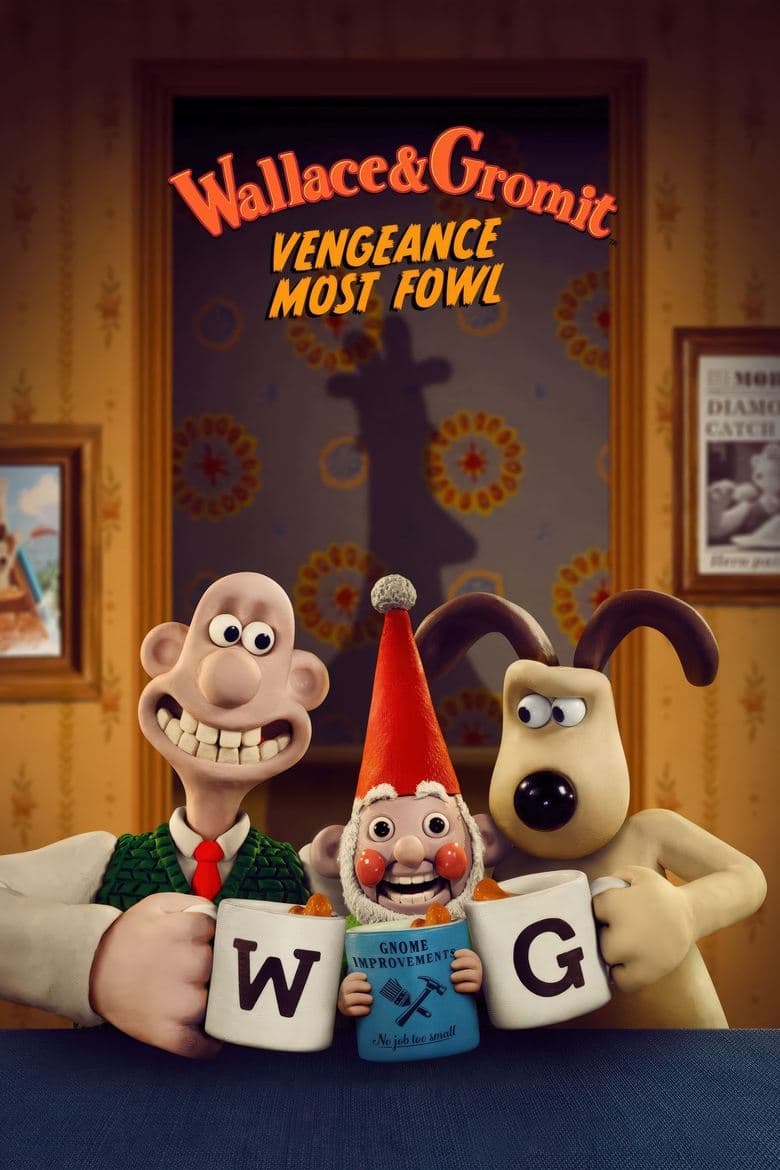
Gromit’s concern that Wallace is becoming too dependent on his inventions proves justified, when Wallace invents a “smart” gnome that seems to develop a mind of its own.
Movie · 2024
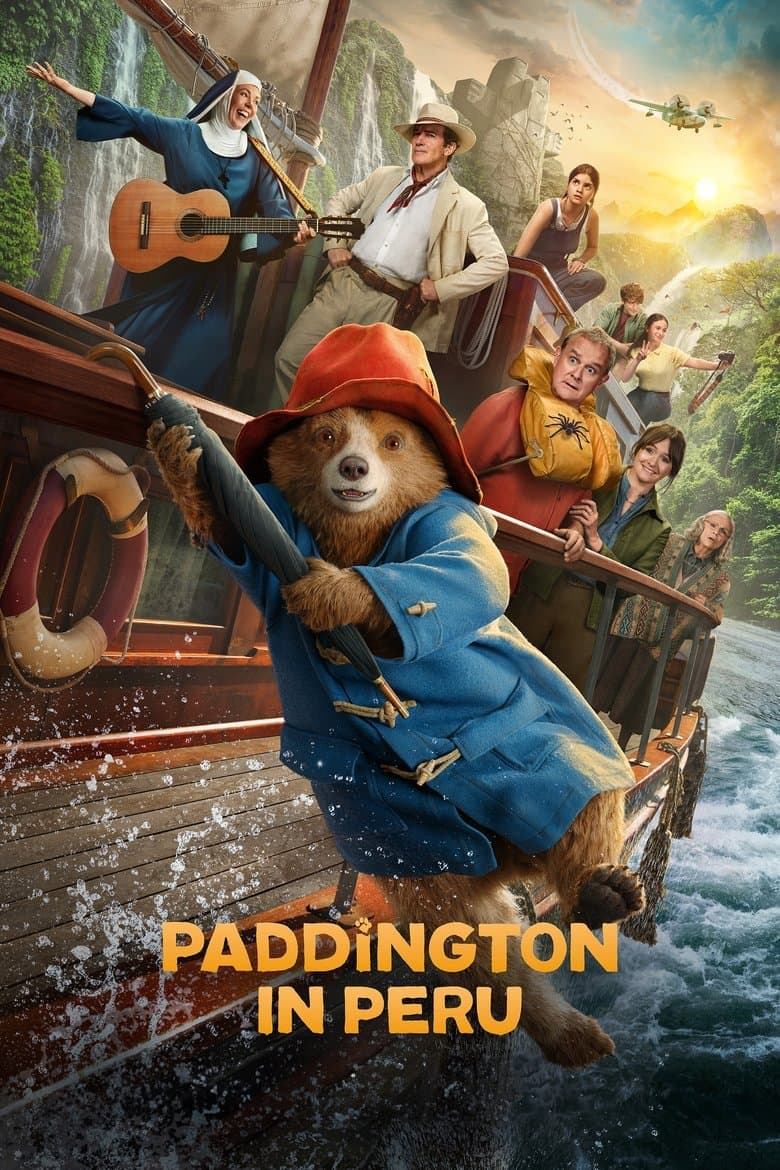
Paddington travels to Peru to visit his beloved Aunt Lucy, who now resides at the Home for Retired Bears. With the Brown Family in tow, a thrilling adventure ensues when a mystery…
Movie · 2021
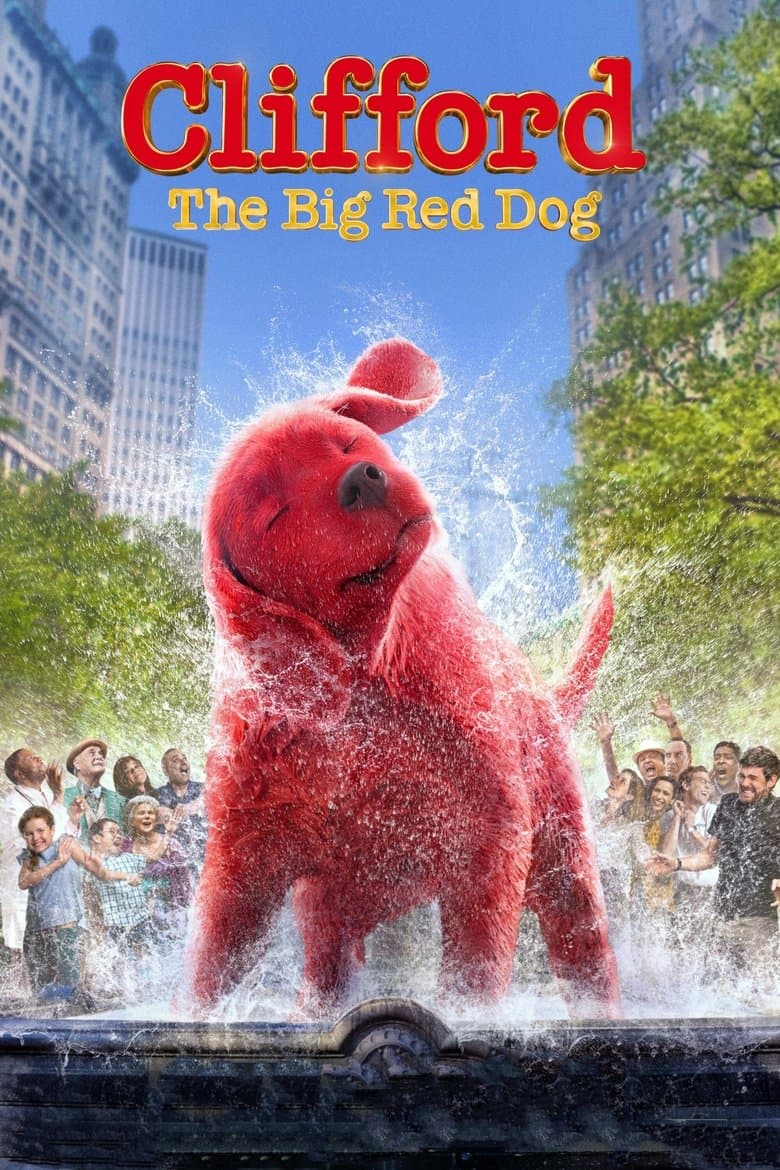
As Emily struggles to fit in at home and at school, she discovers a small red puppy who is destined to become her best friend.

Movie · 2025
Dora, Diego, and their new friends trek through the perilous dangers of the Amazonian jungle in search of the ancient and powerful treasure of Sol Dorado to keep it out of enemy…
Movie · 2026
Living on a rundown shipwreck, Mr. Fish one day discovers a hyperactive young sea dragon Pip – who had mistaken his home for a junkyard – pilfering his belongings.
Movie · 2025
Four misfits find themselves struggling with ordinary problems when they are suddenly pulled through a mysterious portal into the Overworld: a bizarre, cubic wonderland that…
Movie · 2016
When a radio falls from the sky into the hands of a wide-eyed Tibetan Mastiff, he leaves home to fulfill his dream of becoming a musician, setting into motion a series of…
Movie · 2018
After he’s grounded by an injury, a high-flying bachelor is saddled with two wide-eyed orphans as they come face-to-face with the dangers and beauty of the outside world.
