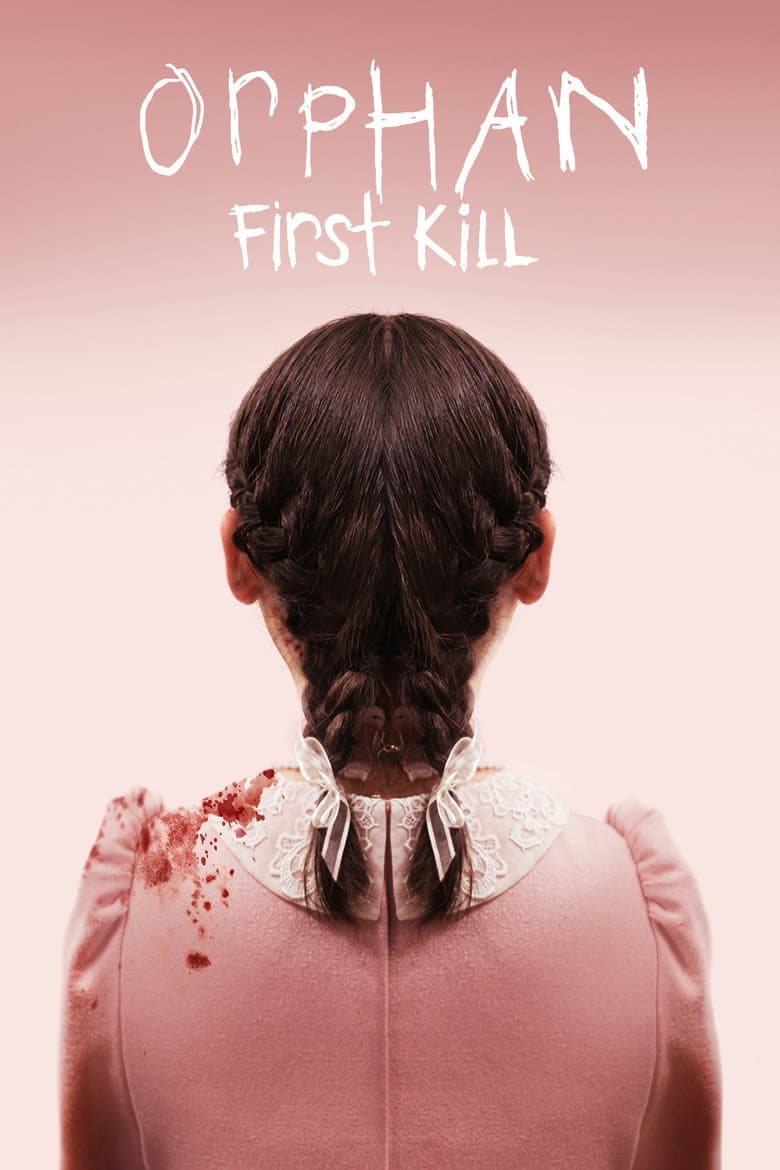
Orphan: First Kill follows Leena Klammer, a dangerous adult woman who looks like a young girl because of a rare growth disorder. After escaping a psychiatric hospital in Estonia, she steals the identity of Esther Albright, a missing girl from a rich Connecticut family. Leena expects to rob the Albrights, but she becomes attached to Allen, the gentle father, and meets Tricia, a mother hiding a terrible secret. The story turns into a dark, violent fight between two people who will lie, control others, and kill to protect what they want.
The film gives a clear but limited identity-based message through the Albright family’s pride in its old white American name and wealth. Tricia says her family came over on the Mayflower and built the country, while Gunnar says that people like him matter and calls Leena an illegal immigrant. These lines make the family sound entitled and make the foreign outsider the target of their fear and control. The point returns in the story’s main family conflict, but the movie remains mainly an over-the-top horror thriller about murder, lies, family secrets, and the danger of judging people by their appearance.
Community feedback
Was our 25% Woke rating accurate?
Breakdown
These are the editorial factors and ratings behind our score for Orphan: First Kill.
Woke representation / casting
Not present. The main family is a white Connecticut family, and the smaller roles fit a normal modern setting. The film does not frame its casting as a diversity or empowerment message.
0%
Woke political dialogue
Tricia ties the family’s worth to its Mayflower history and says that the family matters. Gunnar says that people like him matter in America and uses Leena’s immigrant status against her. The movie makes these lines part of the threat between the family and the outsider. The political signal appears in a short confrontation and does not guide the whole story.
18%
Identity-driven story themes
The story makes the Albrights’ old white American identity part of their power. Tricia hides Esther’s death to protect her son, her husband, and the family name. Gunnar treats Leena as an outsider who must obey the family even after he learns the truth. This theme shapes much of the second half, but the movie remains a horror story about two violent killers.
27%
Western institutional / cultural critique
The film shows a wealthy family using old status and family power to control an outsider. Tricia protects the family’s place in society after her son kills Esther, and Gunnar threatens Leena with deportation. This creates a mild Western institutional / cultural critique of inherited status and family power. The movie does not attack Christianity, capitalism, men as a group, or Western institutions in general.
21%
Woke character or canon changes
Not relevant. The prequel changes earlier plot details about Esther and the house fire, but those changes serve the new horror twist. The film does not make a woke or identity-driven change to an established character.
0%
Anti-woke backlash and complaints
One small X account called the film WOKE because it framed Leena against a rich white entitled family. The account had about 700 followers and the post received one like. The X pass found no repeated anti-woke pile-on, boycott call, review-bombing push, or large right-leaning spread.
8%
Creator track record context
The cached director and writer profiles have low woke scores and focus on horror and thrillers. Most cached producer and casting profiles are also low. Producer Kyle Irving is the main higher-scoring exception because of his work supporting Indigenous talent and the #sacredMMIWG campaign. The title-related interviews focus on the twist, acting, family conflict, and camera tricks. No interview found for this movie frames it around diversity, empowerment, female gaze, representation, or queer themes.
14%
Production
Movie · 2021
The Blind Man has been hiding out for several years in an isolated cabin and has taken in and raised a young girl orphaned from a devastating house fire.
Movie · 2016
A young American woman takes a job as a nanny in a remote English village, soon discovering that the family's eight-year-old son is a life-sized doll that comes with a list of…

Movie · 2019
When a huge hurricane hits her hometown in Florida, Haley ignores evacuation orders to look for her father. After finding him badly wounded, both are trapped by the flood.

Movie · 2024
A group of criminals kidnap a teenage ballet dancer, the daughter of a notorious gang leader, in order to obtain a ransom of $50 million, but over time, they discover that she is…
Movie · 2025
When Polly receives a mysterious box, it comes with one rule: place inside something she needs, something she hates, and something she loves.
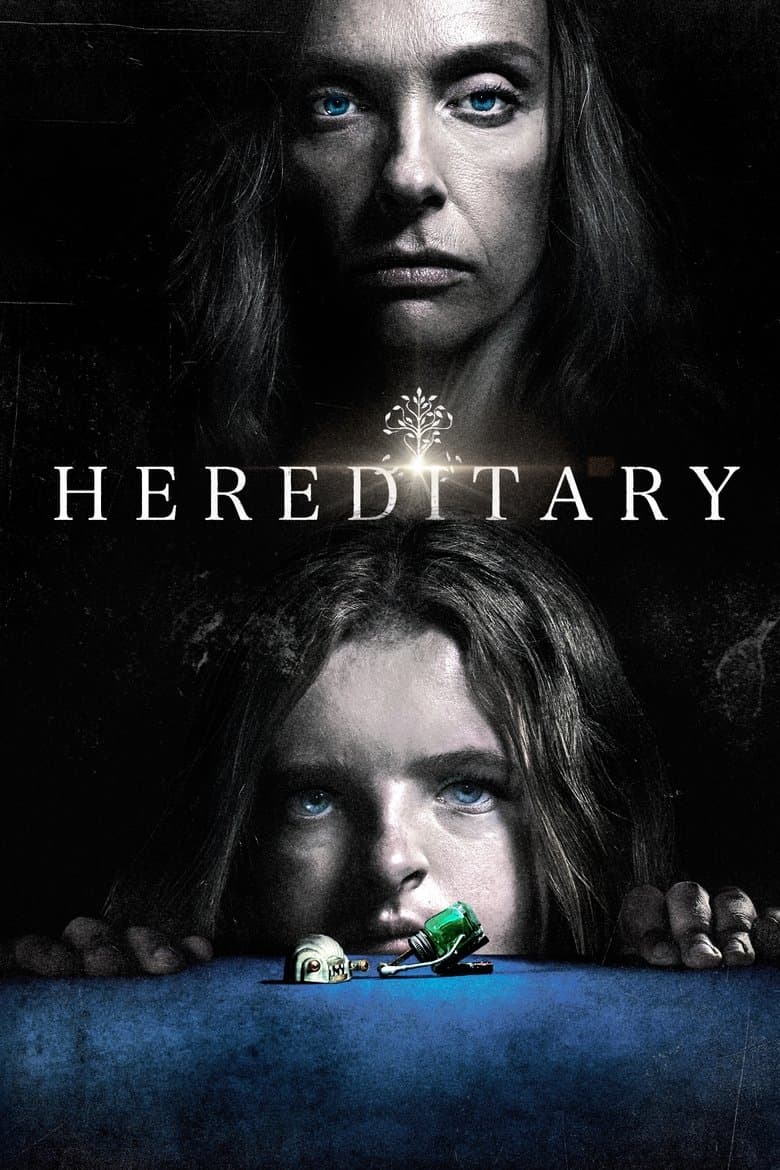
Movie · 2018
Following the death of the Leigh family matriarch, Annie and her children uncover disturbing secrets about their heritage.
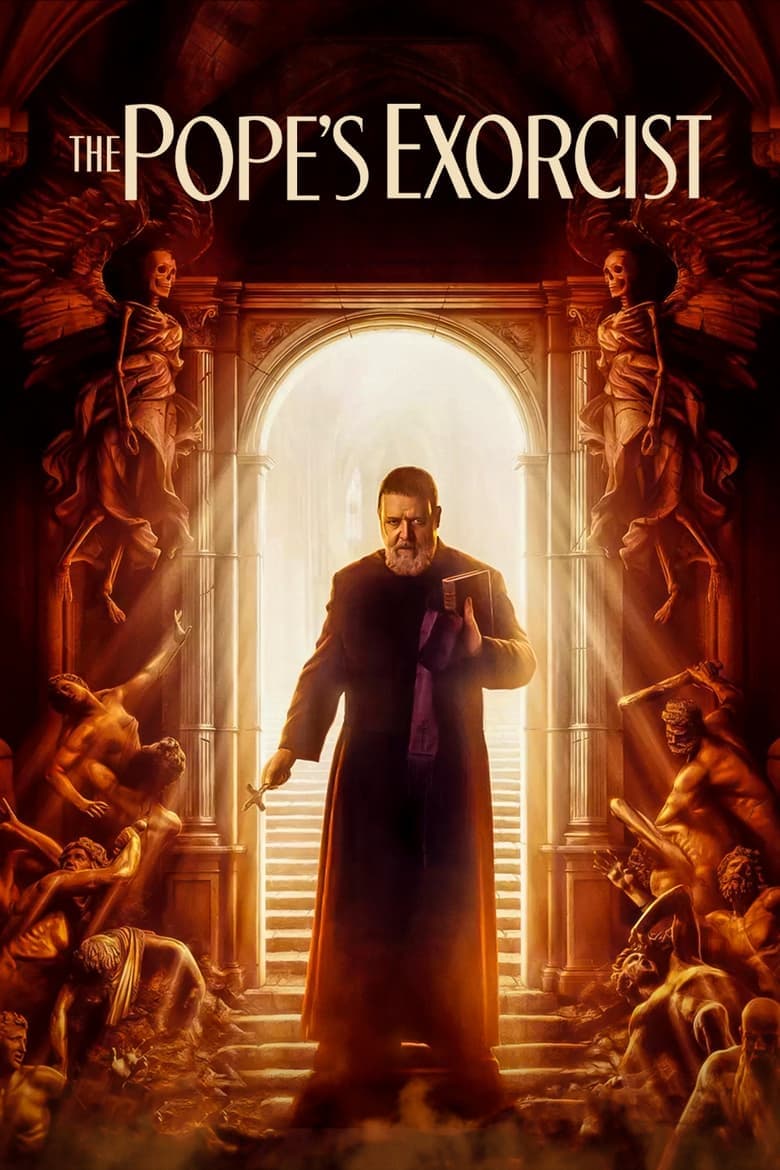
Movie · 2023
Father Gabriele Amorth, Chief Exorcist of the Vatican, investigates a young boy's terrifying possession and ends up uncovering a centuries-old conspiracy the Vatican has…
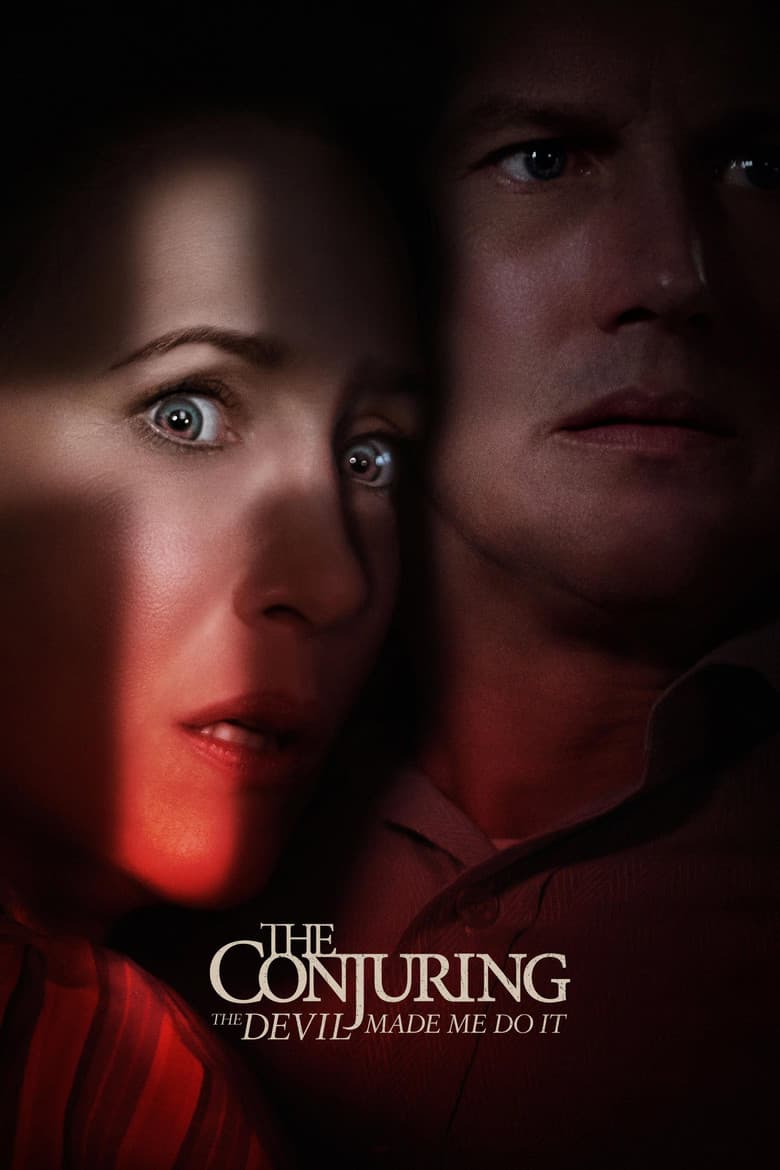
Movie · 2021
Paranormal investigators Ed and Lorraine Warren encounter what would become one of the most sensational cases from their files.
