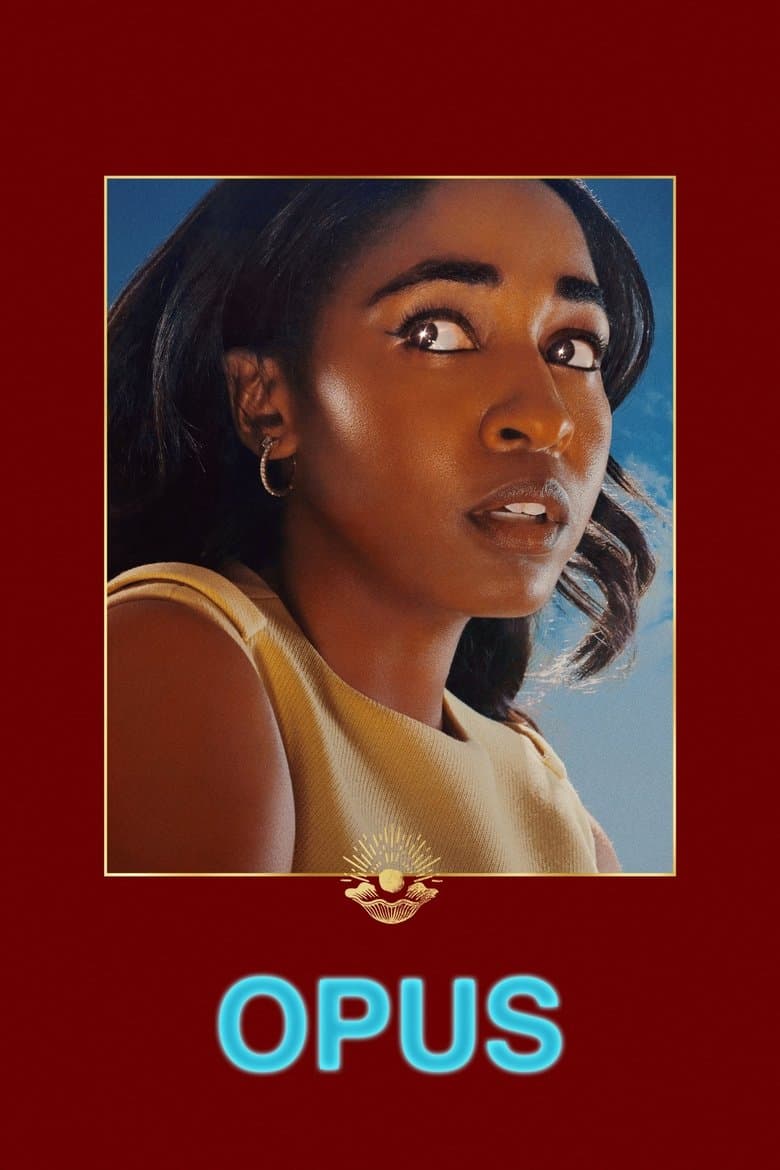
Opus follows Ariel Ecton, a young music writer who wants a bigger chance at work. She travels to a remote Utah compound after Alfred Moretti, a famous pop star who vanished for thirty years, invites a small group of media people to hear his new album. The guests find a strange group of loyal followers who treat Moretti like a god. The film mixes dark humor, mystery, and bloody horror as Ariel tries to learn what Moretti really wants.
The main hero is a black woman, and several women and actors from different racial backgrounds fill the invited media group. That makes representation easy to notice, but the story does not make race, sex, or sexuality its main subject. The movie attacks celebrity worship, media fame, and the habit of forgiving powerful people because they have talent. A final talk asks whether society's leaders and systems still work, but the film does not push a clear party or identity message.
Community feedback
Was our 38% Woke rating accurate?
Breakdown
These are the editorial factors and ratings behind our score for Opus.
Woke representation / casting
The movie puts a black woman, Ariel, at the center and makes her the one who sees through the cult. Most invited journalists are women, and the visible group includes actors from Asian, Black, and Indigenous backgrounds. The modern media setting makes this mix possible, and the film does not present the casting as a political cause, so the signal is clear but moderate.
34%
Woke political dialogue
Moretti's final prison speech says government, elite education, war, division, and the old way of choosing leaders have failed. He argues that creative people should take charge instead. This is one major late scene, not a repeated message about race, gender, or party politics.
32%
Identity-driven story themes
Not present. The story centers on celebrity worship, cult control, and journalism. It does not make race, sex, gender, or sexuality the main conflict.
0%
Western institutional / cultural critique
The film shows a media workplace that blocks Ariel from her own stories and a cult that watches and controls people. Moretti also attacks government, elite education, war, and social division in the final interview. These are clear anti-institutional ideas, but the movie mainly targets celebrity worship and does not keep attacking family, religion, capitalism, or traditional gender roles.
33%
Woke character or canon changes
Not relevant. Opus is an original story about the fictional pop star Alfred Moretti. It does not change an established character, canon, or real historical event.
0%
Anti-woke backlash and complaints
Not present. The supplied X pass found no anti-woke campaign or named complaint. Wider coverage focused on plot and quality, not woke or DEI claims.
0%
Creator track record context
Nile Rodgers has a long record of racial-equality work, and Poppy Hanks, Charles D. King, Jelani Johnson, and Joshua Bachove have backed race-centered, multicultural, or LGBTQ-focused projects. Green has no strong activist record in the supplied research, and several other producers have ordinary or low-context profiles. This creates a moderate creator track record context signal, while Opus itself stays focused on celebrity worship.
39%
Production
Movie · 2022
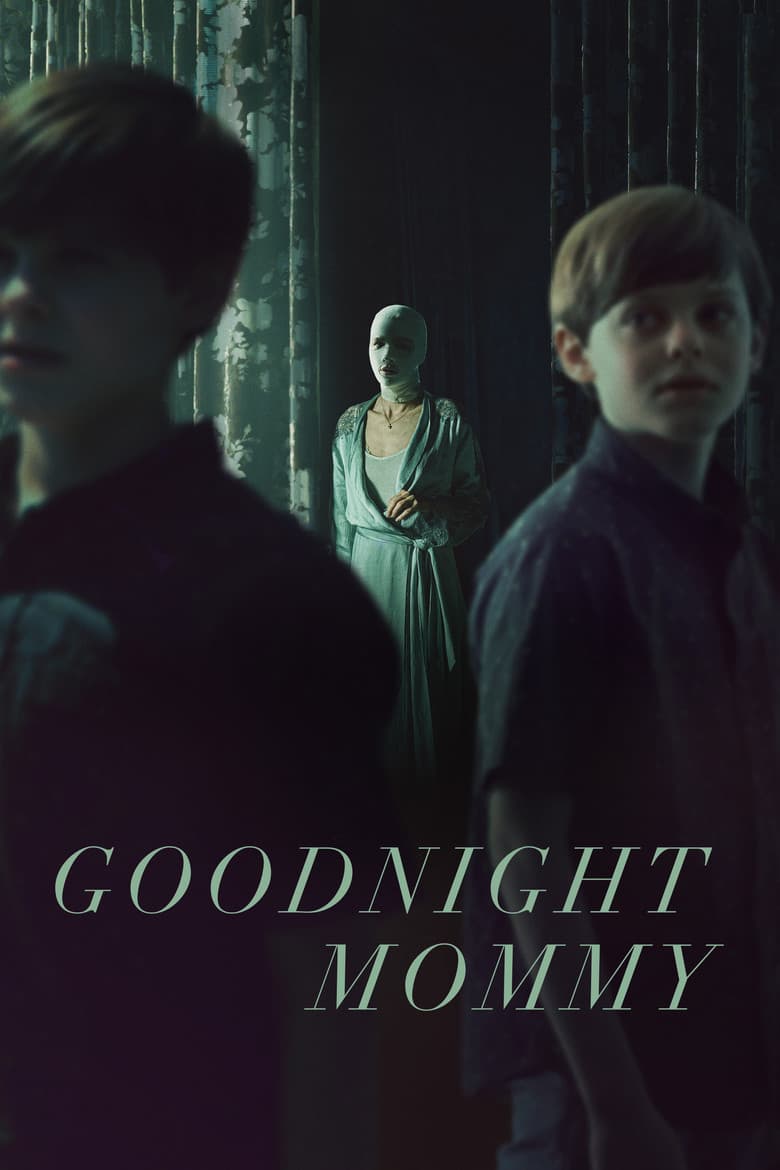
When twin brothers arrive home to find their mother’s demeanor altered and face covered in surgical bandages, they begin to suspect the woman beneath the gauze might not be their…

Movie · 2019
When a 12-year-old boy goes missing at a local park, a detective investigates the case to help the boy's family find answers.
Movie · 2018
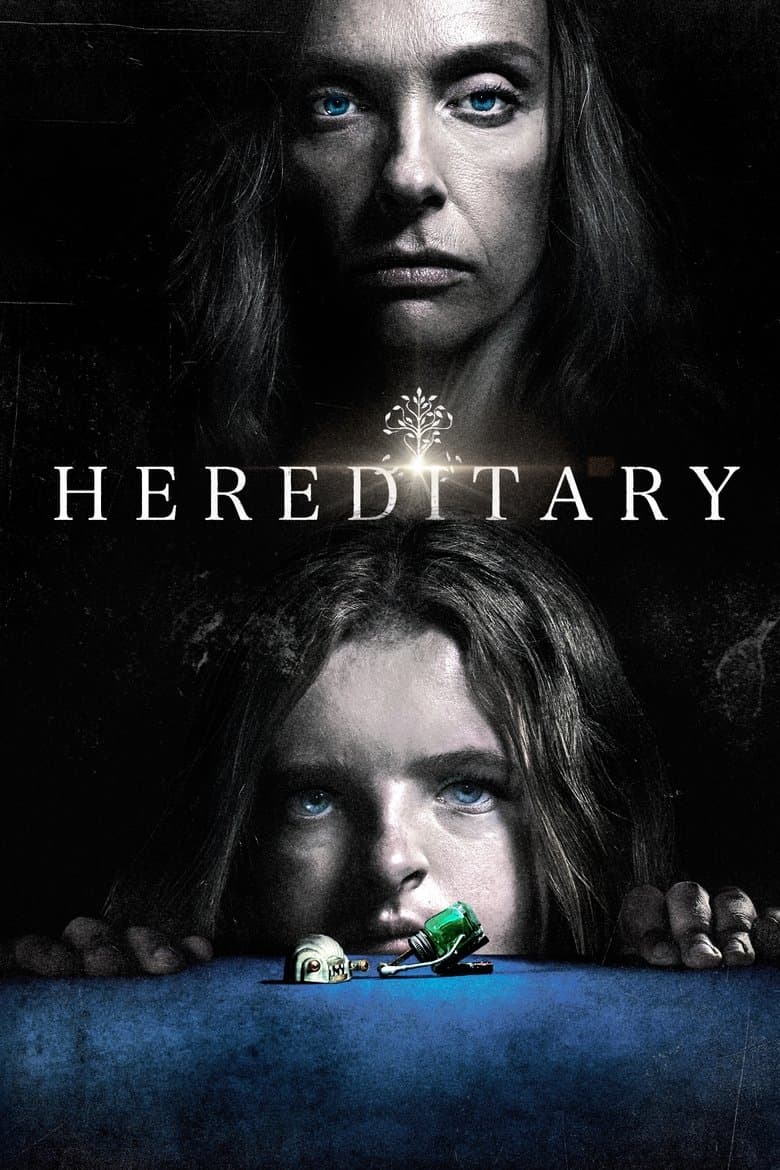
Following the death of the Leigh family matriarch, Annie and her children uncover disturbing secrets about their heritage.
Movie · 2021
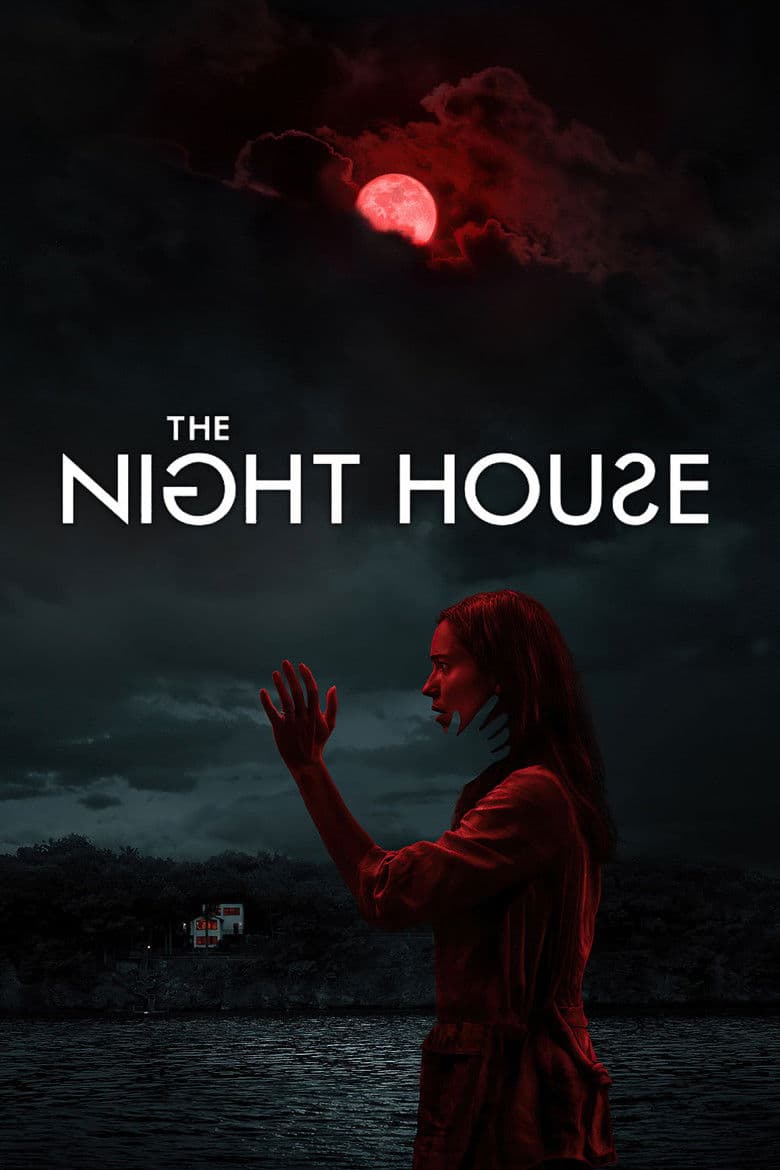
Reeling from the unexpected death of her husband, Beth is left alone in the lakeside home he built for her. Soon she begins to uncover her recently deceased husband's disturbing…
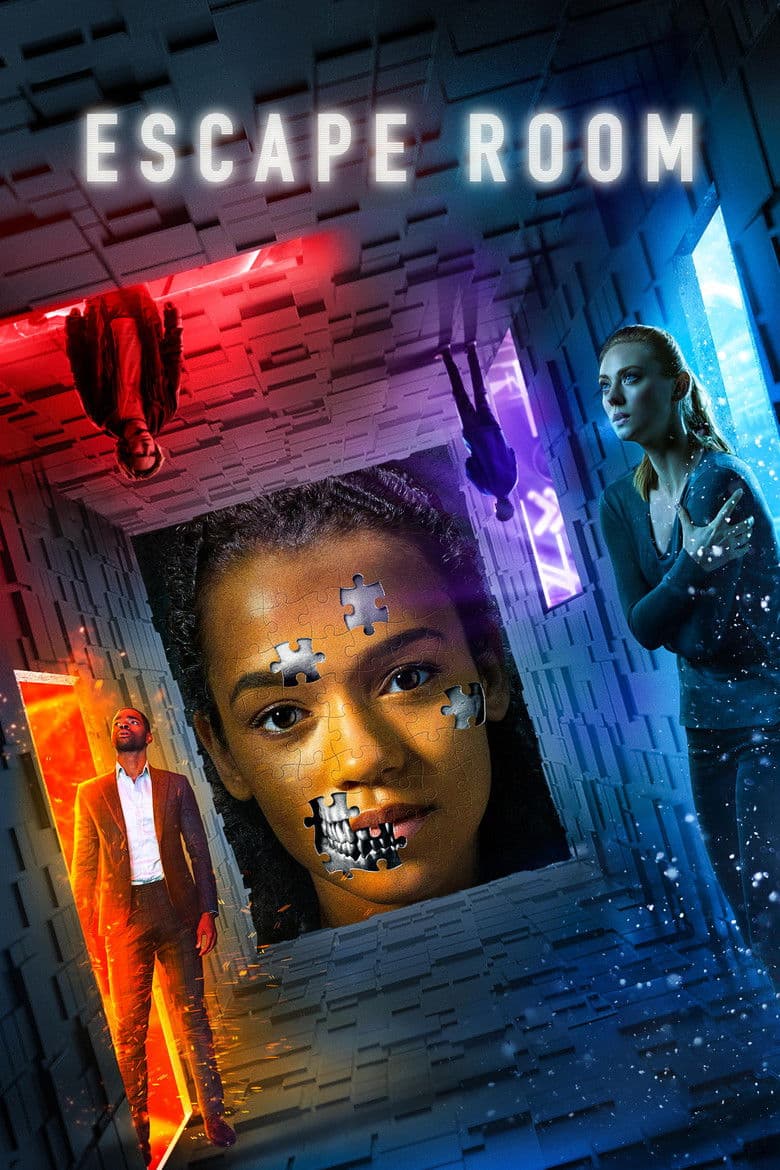
Movie · 2019
Six strangers find themselves in circumstances beyond their control, and must use their wits to survive.

Movie · 2025
Plagued by a violent recurring nightmare, college student Stefanie heads home to track down the one person who might be able to break the cycle and save her family from the grisly…

Movie · 2025
Four years after defeating The Grabber, Finney Blake is struggling with life after captivity. When his younger sister Gwen begins receiving calls in her dreams from the Black…

Movie · 2016
A stranger arrives in a little village and soon after a mysterious sickness starts spreading. A policeman is drawn into the incident and is forced to solve the mystery in order to…
