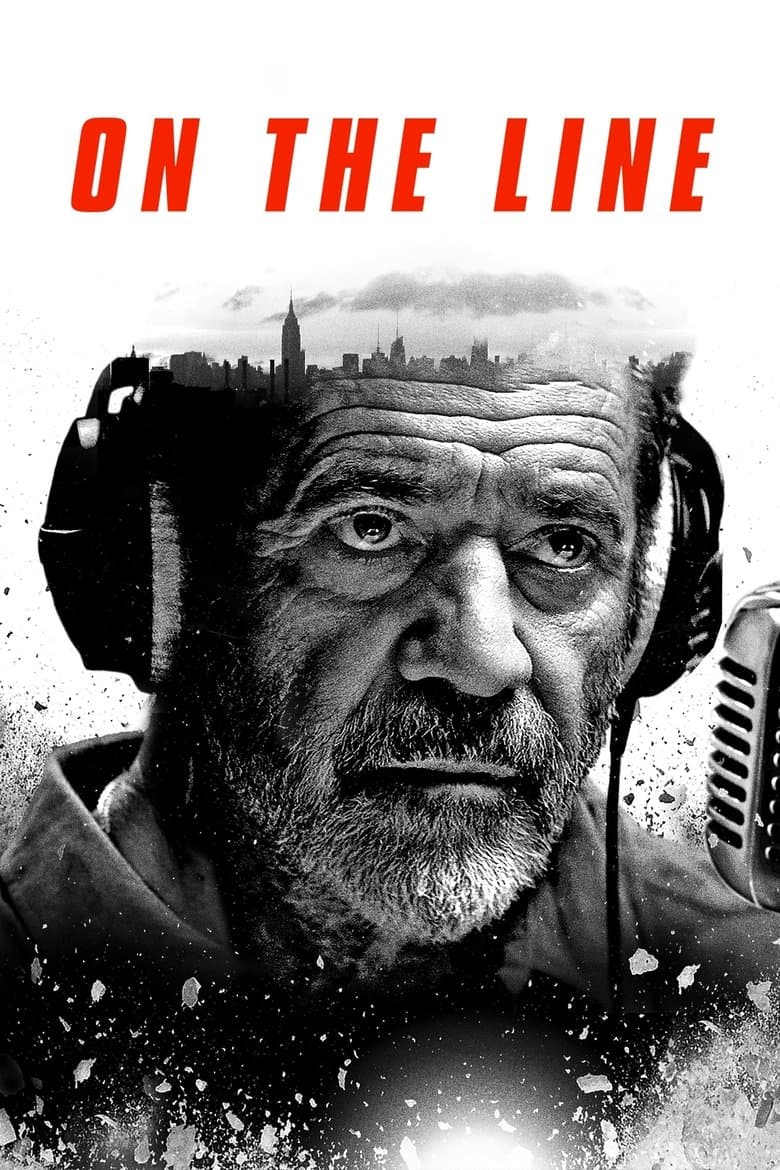
Elvis Cooney is a famous but aging Los Angeles radio host who runs a late-night call-in show. He insults callers, plays cruel jokes, and ignores pressure from his boss to use social media. During one live broadcast, a caller says he has taken Elvis's wife and young daughter and placed bombs around the station. Elvis must stay on the phone while he and a new worker search the building, so the thriller feels tense, nasty, and darkly playful.
The caller says Elvis helped drive a former female worker to suicide through months of cruel jokes, so the attack first looks like punishment for abuse and public humiliation. The film also makes Elvis admit to an affair with his producer, although the confession later becomes part of a staged prank. The story ends by revealing that the staff planned a fake hostage crisis and a fake death to fool each other. Its main themes are cruel jokes, revenge, guilt, and the danger of treating fear as entertainment.
Community feedback
Was our 1% Woke rating accurate?
Breakdown
These are the editorial factors and ratings behind our score for On the Line.
Woke representation / casting
Not present. The movie centers on a male radio host, with women in producer, boss, wife, and daughter roles. Supporting characters have different backgrounds, but the film does not present its casting as a diversity statement.
0%
Woke political dialogue
Not present. The characters talk about ratings, social media, sex, pranks, and a bomb threat. The dialogue does not present a political or identity-based cause.
0%
Identity-driven story themes
Not present. The story follows a personal revenge prank linked to Elvis's cruel behavior. Race, gender, sexuality, and group identity do not drive the plot.
0%
Western institutional / cultural critique
Not present. The film shows Elvis as cruel and self-centered, and the caller blames him for a former worker's death. Those events stay personal and do not become a broad message about men, family life, capitalism, or Western institutions.
0%
Woke character or canon changes
Not relevant. The movie uses original characters and does not make an identity-driven change to a known story, character, or real event.
0%
Anti-woke backlash and complaints
Not present. Online complaints focus on the twists, weak logic, and poor acting. No meaningful backlash claims that the film pushes DEI or identity politics.
0%
Creator track record context
Romuald Boulanger has no high-confidence record of identity activism. Mel Gibson's public record is mainly anti-woke pushback and personal controversy. A few producers have broad civic or political activity, but the group adds only a mild signal.
7%
Production

Movie · 2022
After escaping a Michigan prison, a charming career criminal assumes a new identity in Canada and goes on to rob a record 59 banks and jewellery stores while being hunted by a…

Movie · 2023
In 1988, American video game salesman Henk Rogers discovers the video game Tetris. When he sets out to bring the game to the world, he enters a dangerous web of lies and…

Movie · 2024
During the 1972 Munich Olympics, an American sports broadcasting crew finds itself thrust into covering the hostage crisis involving Israeli athletes.
Movie · 2021
A cold and mysterious new security guard for a Los Angeles cash truck company surprises his co-workers when he unleashes precision skills during a heist.

Movie · 2025
A group of disillusioned outsiders abandon modern society in search of a new beginning. Settling on a remote, uninhabited island, their utopian dream quickly unravels as they…

Movie · 2025
Marty Mauser, a young man with a dream no one respects, goes to hell and back in pursuit of greatness.

Movie · 2017
A newly-released prison gangster is forced by the leaders of his gang to orchestrate a major crime with a brutal rival gang on the streets of Southern California.

Movie · 2024
While awaiting the next fuel truck at a middle-of-nowhere Arizona rest stop, a traveling young knife salesman is thrust into a high-stakes hostage situation by the arrival of two…
