
Noelle Kringle lives at the North Pole as the cheerful daughter of Santa Claus. Her brother Nick is meant to inherit the red suit after their father dies, but the pressure frightens him and he runs away to Phoenix. Noelle follows him with Elf Polly and a private detective named Jake, while Christmas begins to fall apart at home. The movie is a bright, silly family comedy with magic, family troubles, and a warm holiday ending.
The film’s main social message is that a woman can take a job that old family rules gave only to men. The North Pole first expects Noelle to support Nick, but the story shows that she has the better skills and finally names her the first female Santa. The elders call the old rule a blind tradition, and Noelle says traditions can change when they stop people from using their gifts. The film also criticizes Gabe’s computer system for judging children, but this idea stays secondary to the gender message.
Community feedback
Was our 64% Woke rating accurate?
Breakdown
These are the editorial factors and ratings behind our score for Noelle.
Woke representation / casting
The film makes Noelle the first female Santa and gives her the main heroic job. The old family role passes through men, so her rise is a clear gender statement. The film also makes Polly the first female elder elf. The Phoenix cast includes black and Latino characters, but their identities are not a main part of the story.
40%
Woke political dialogue
Noelle learns that men were treated as Santa because of an old rule. The elders admit that the rule never says a woman cannot be Santa. The final speech says traditions can change and praises love, understanding, and hope. The film repeats this message during Noelle’s conflict with Nick and the North Pole elders.
45%
Identity-driven story themes
The film’s main character arc follows a woman who was told to support her brother instead of using her own talents. Noelle discovers that she can understand children and lead the sleigh. The story treats her gender as the reason the old rule ignored her. The climax makes female leadership and changing gender rules the key reason the North Pole changes.
58%
Western institutional / cultural critique
The North Pole’s male family line is shown as an unfair custom that keeps Noelle from a job she can do. One elder rejects her simply because Santa has always been a man. The film also mocks Gabe’s data system for judging children and replacing care with numbers. The criticism stays inside a light Christmas story.
38%
Woke character or canon changes
The film gives the Santa role to a new female successor instead of keeping the usual male line. The change is linked to the story’s claim that old gender rules were never fair. The movie keeps the North Pole, the red suit, and the Christmas mission. The main change is the gender of the person who becomes Santa.
32%
Anti-woke backlash and complaints
A few Reddit commenters called the film woke because Noelle becomes Santa. One commenter said Disney was trying to take Santa away from men. Other comments called the ending an agenda or a way to prove men wrong. These complaints were scattered and did not lead to a major campaign.
16%
Creator track record context
Marc Lawrence has no clear activist record in the stored context. Suzanne Todd has a mild feminist record through projects about women’s lives and support for women and girls. John G. Scotti and the casting directors have low stored scores and no clear activist record. The creator background gives the film mild support, but the title itself carries the stronger signal.
20%
Production
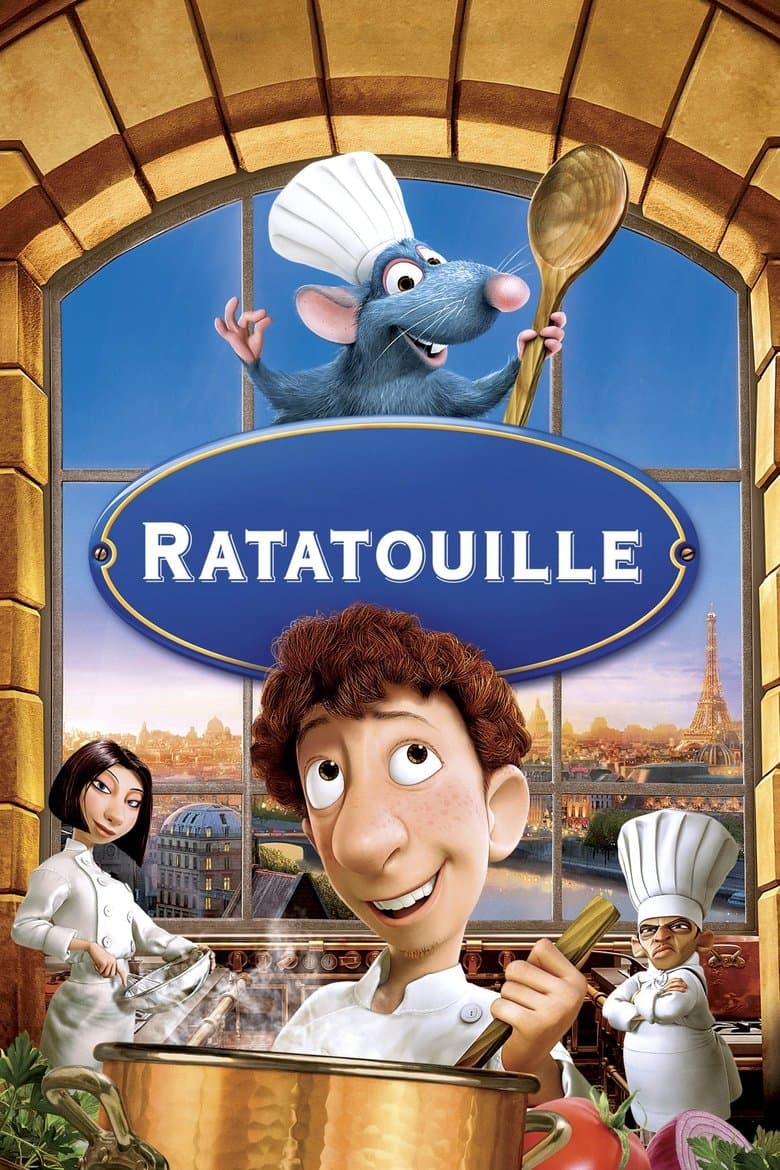
Movie · 2007
Remy, a rat living in Paris, possesses a palate far more refined than that of his fellow comrades. He dreams of becoming a chef, determined to create culinary masterpieces rather…
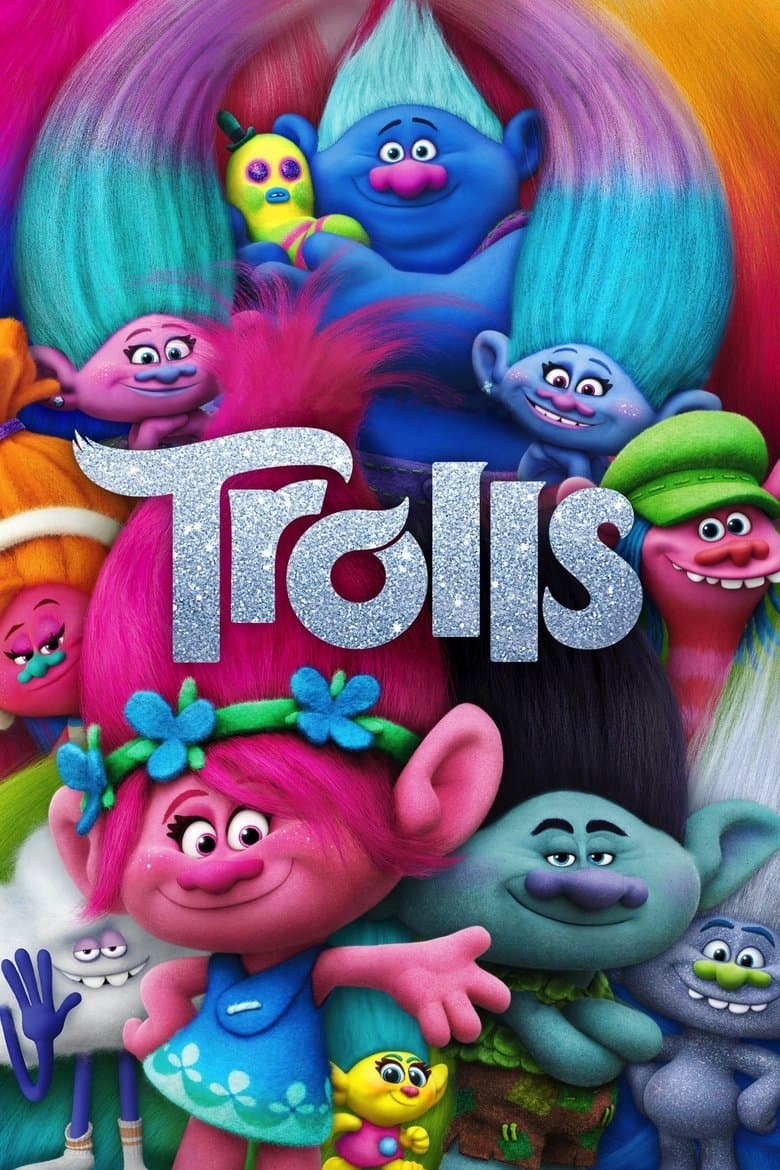
Movie · 2016
After the monstrous Bergens invade Troll Village, Princess Poppy, the happiest Troll ever born, and overly-cautious, curmudgeonly outcast Branch set off on a journey to rescue her…
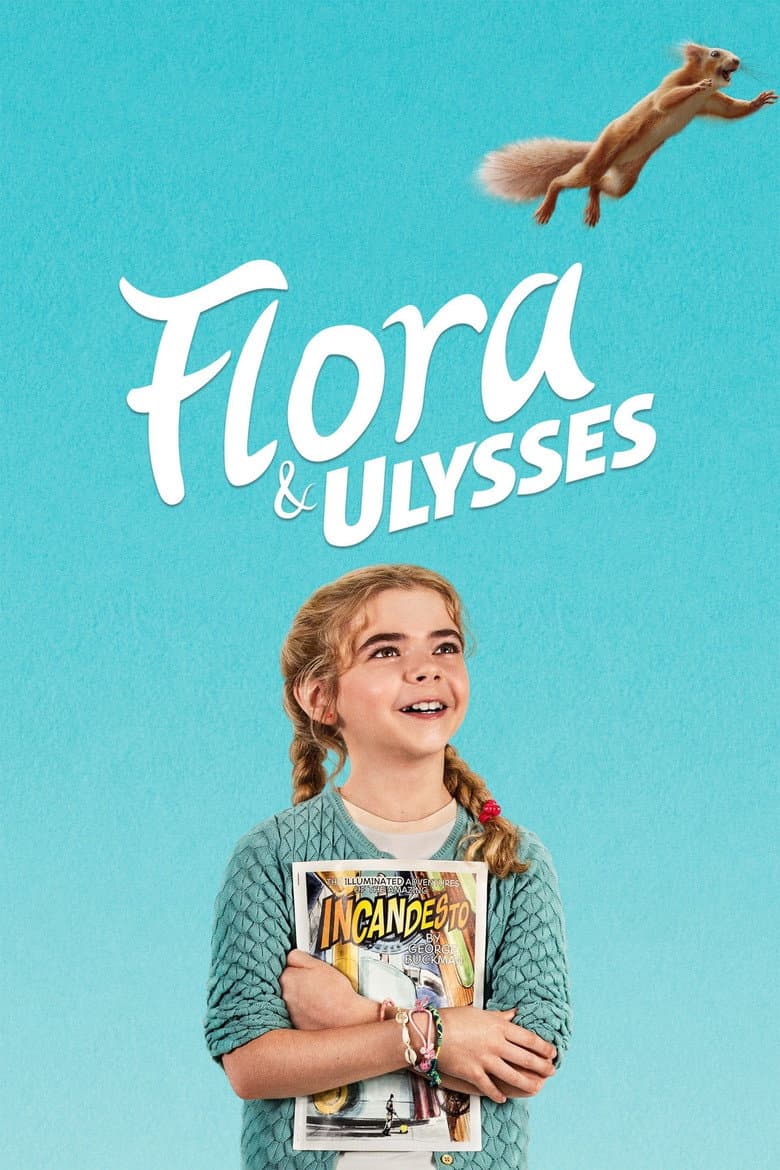
Movie · 2021
When Flora rescues a squirrel she names Ulysses, she is amazed to discover he possesses unique superhero powers, which take them on an adventure of humorous complications that…
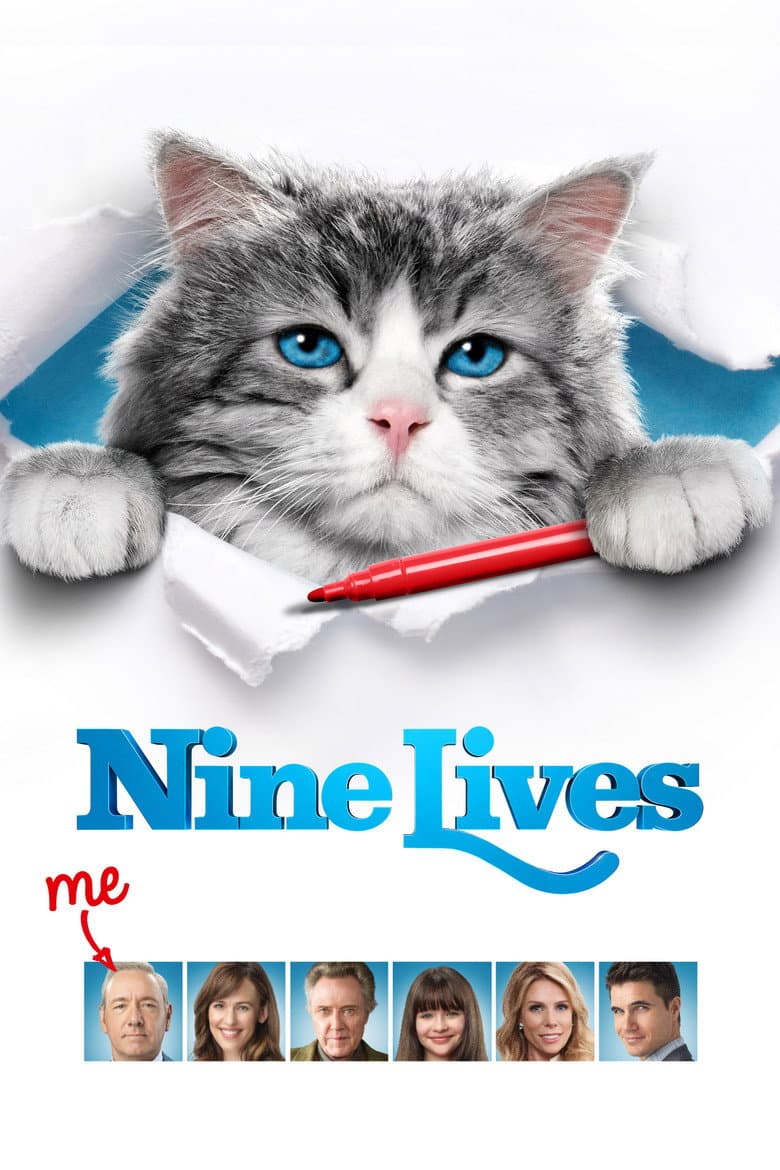
Movie · 2016
A stuffy businessman finds himself trapped inside the body of his family's cat.
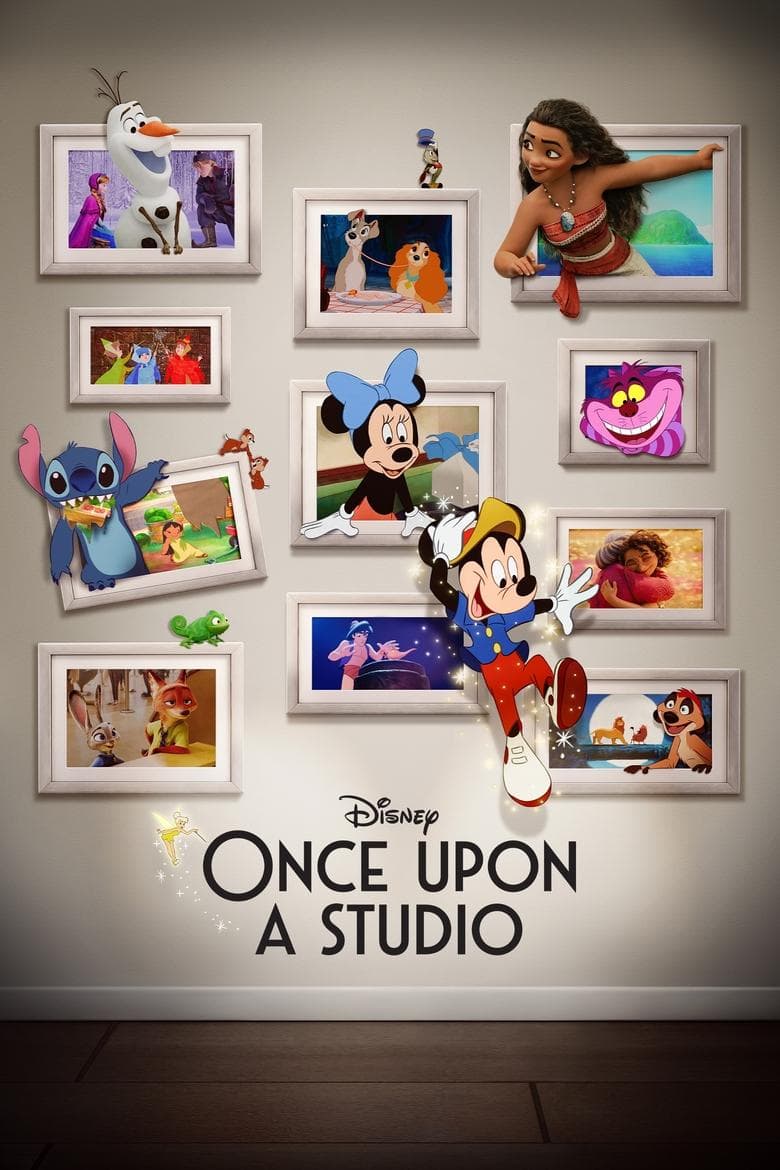
Movie · 2023
Created for Disney's 100th anniversary, the short features Mickey Mouse corralling a gallery of legendary Disney characters for a group photo.
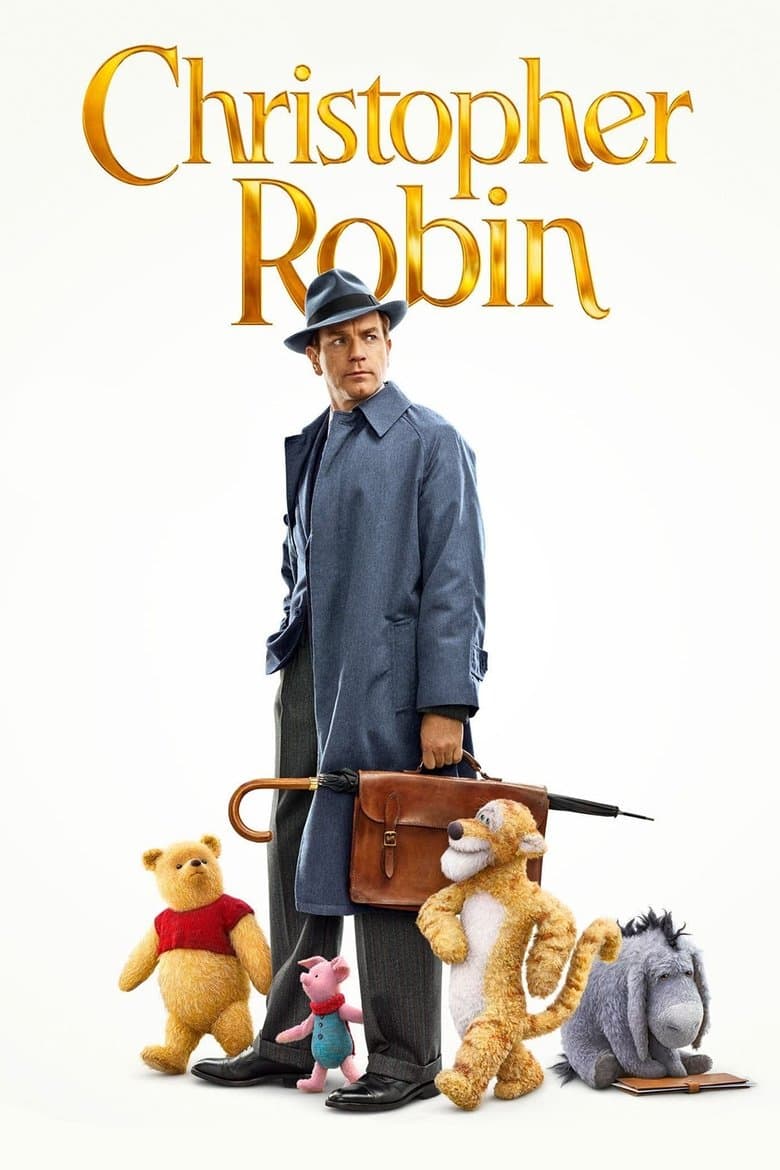
Movie · 2018
Christopher Robin, the boy who had countless adventures in the Hundred Acre Wood, has grown up and lost his way.
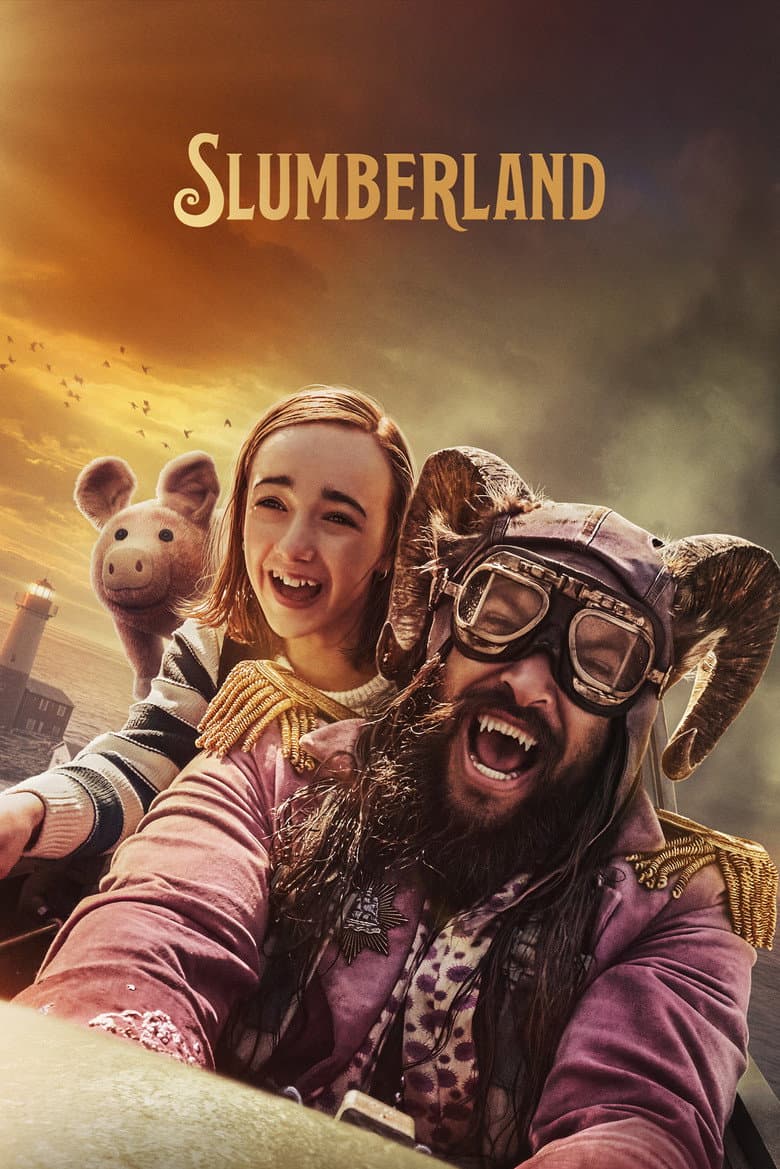
Movie · 2022
A young girl discovers a secret map to the dreamworld of Slumberland, and with the help of an eccentric outlaw, she traverses dreams and flees nightmares, with the hope that she…
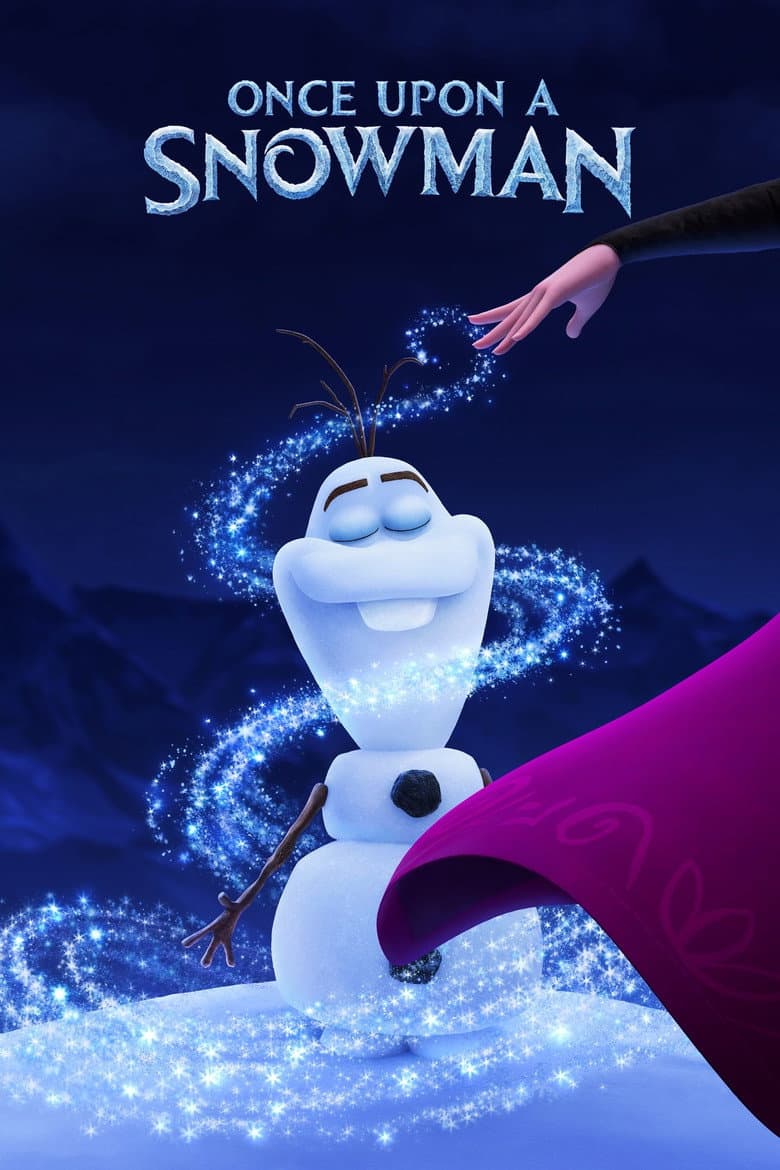
Movie · 2020
The previously untold origins of Olaf, the innocent and insightful, summer-loving snowman are revealed as we follow Olaf’s first steps as he comes to life and searches for his…
