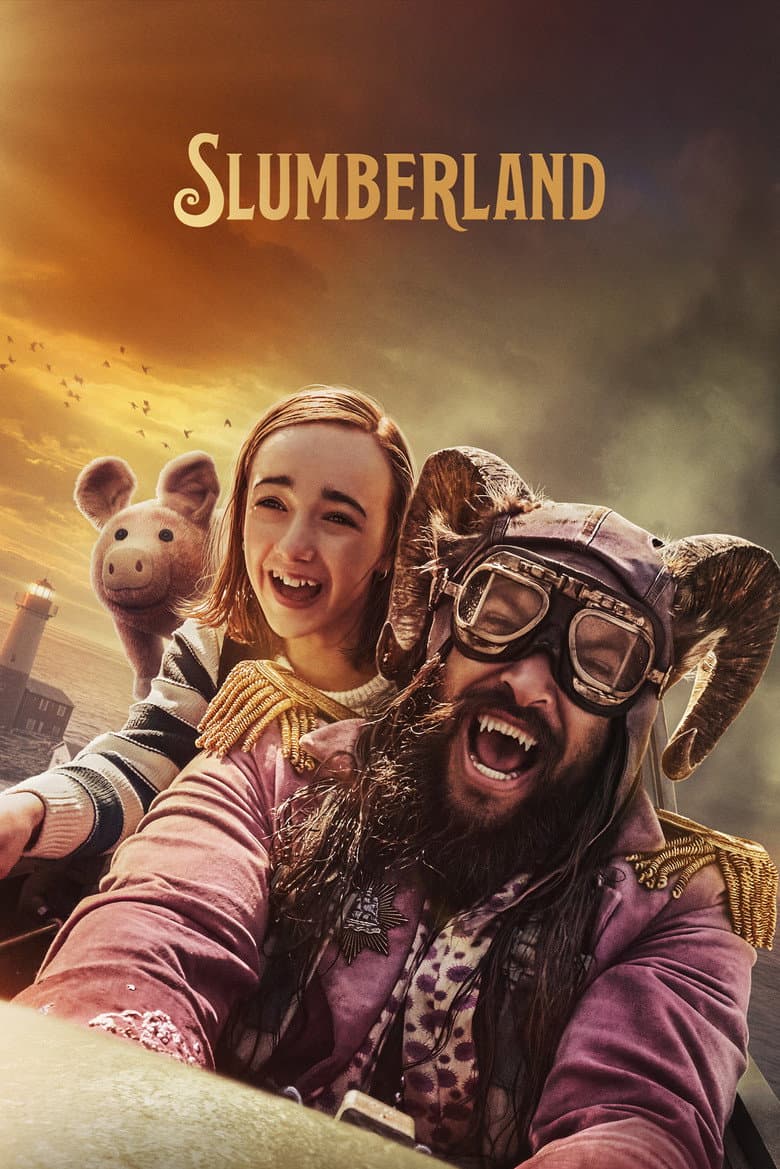
Nemo is a young girl who lives with her dad in a lighthouse. When he dies at sea, she must move to the city with her stiff uncle. At night she finds a map into Slumberland, a world of other people’s dreams. With help from a wild outlaw named Flip, she races through dreams and nightmares, hoping to see her dad one more time. The tone is bright family fantasy mixed with real sadness about loss.
The story is mainly about grief, growing up, and choosing to live again after someone you love is gone. The biggest change from the old comic is that classic boy hero Little Nemo is now a girl. Supporting roles include a tough black dream-cop and a mixed modern city cast, but those choices sit in the background. Marketing and the director talk about dreams, hope, and family feelings, not politics. A normal viewer will notice a fun adventure about a kid who misses her dad more than any activist message.
Community feedback
Was our 29% Woke rating accurate?
Breakdown
These are the editorial factors and ratings behind our score for Slumberland.
Woke representation / casting
Lead is a white girl and her white dad/uncle; co-lead is star Jason Momoa. Supporting cast adds a capable black woman dream-cop (Agent Green) and other secondary black, Asian, and Latino roles in city/school/dream scenes. Diversity is visible but not the selling point or a hard “quota lead” pattern. Light, background-level signal.
22%
Woke political dialogue
Coverage and parent guides describe grief talk, courage, and soft life lessons, not race, gender theory, climate sermons, or activist slogans. No widely reported political speeches that a viewer would mark as left-wing messaging.
0%
Identity-driven story themes
Story engine is death of a parent, dreams, friendship with Flip, and learning to live in the waking world. Female hero is a grieving kid, not a modern identity or “girlboss vs men” plot. No confirmed queer romance or identity-politics arc in the core narrative.
10%
Western institutional / cultural critique
Uncle’s boring city job and strict rules are classic “adults are dull” kids-movie jokes. Dream “bureau” cops are fantasy police, not a modern hit on Western culture, religion, or family norms as bad systems. Very mild.
8%
Woke character or canon changes
Established comic hero Little Nemo was a boy; this film makes Nemo a girl. Reviews and guides repeatedly note the gender flip. Plot and world also move far from McCay (grief quest, new dream rules), but only the gender change counts as identity-style canon change. Not race-swapped; not sold as a big activist rewrite.
51%
Anti-woke backlash and complaints
No major, sustained anti-woke or anti-DEI backlash found in news or social search. Complaints that do exist are mostly “bad adaptation / weak movie,” not “pushes woke agenda.”
5%
Creator track record context
Key creatives mostly score low on cached activist/DEI history. Lawrence and the writers are spectacle/family-entertainment names. A few producers (e.g. Chernin, Topping) have mild-to-moderate left or diversity-adjacent context, but nothing that redefines this film as an activist project.
15%
Production
Movie · 2024
Inside of his book, adventurous Harold can make anything come to life simply by drawing it. After he grows up and draws himself off the book's pages and into the physical world…

Movie · 2021
In suburban Chicago during the late 1980s, ten-year-old Jake Doyle embarks on a herculean quest to get the latest and greatest video game system for Christmas.
Movie · 2018
Be careful what you wish for. With their after school junk business, best friends Sonny and Sam hope to find treasure in other people’s trash.
Movie · 2020
Andy, at the urging of his former mentor and Magic Camp owner Roy Preston, returns to the camp of his youth hoping to reignite his career.
Movie · 2021
With his best friend Luca away at school, Alberto is enjoying his new life in Portorosso working alongside Massimo—the imposing, tattooed, one-armed fisherman of few words—who's…

Movie · 2018
The Grinch hatches a scheme to ruin Christmas when the residents of Whoville plan their annual holiday celebration.
Movie · 2016
A stuffy businessman finds himself trapped inside the body of his family's cat.
Movie · 2024
After discovering she can see everyone's imaginary friends, a girl embarks on a magical adventure to reconnect forgotten imaginary friends with their kids.
