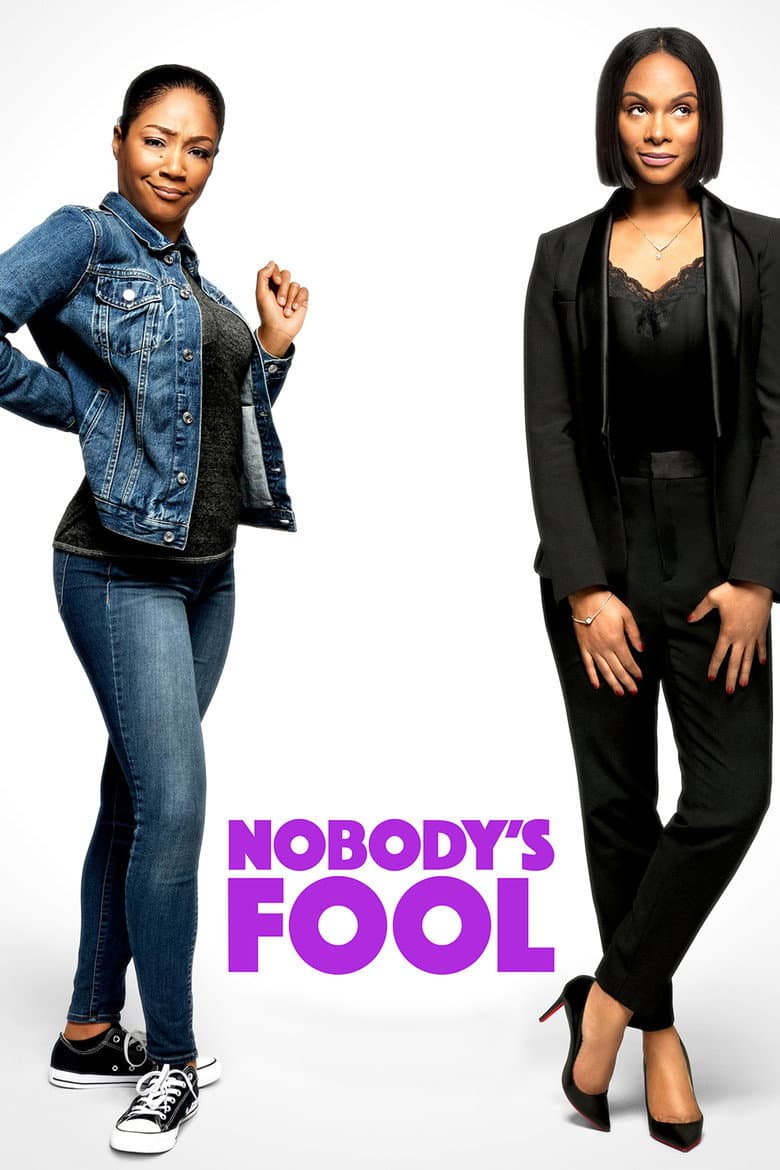
Nobody's Fool follows Danica, a careful New York advertising worker whose life looks perfect from the outside. Her plans begin to fail when her sister Tanya comes home after five years in prison and moves in with her. Tanya thinks Danica's online boyfriend is a fake, while Danica must also face her growing feelings for Frank, a kind coffee shop owner with a criminal past. The movie mixes family arguments, adult jokes, dating trouble, and a warm but messy romance.
The story puts two very different black sisters at its center. Danica is a successful career woman who wants to become a company vice president, while Tanya is loud, sexually bold, and always ready to challenge the men around her. The film asks women to stop pretending to be perfect and to accept people who have made serious mistakes. It also jokes about changing the way black women speak at work and about women treating men as sex objects. These ideas are visible, but the main story remains a family comedy about trust, second chances, and choosing a real relationship over a perfect list.
Community feedback
Was our 55% Woke rating accurate?
Breakdown
These are the editorial factors and ratings behind our score for Nobody's Fool.
Woke representation / casting
The main cast is largely Black, and the story gives its biggest roles to black women. Danica says she could become the first black woman to be a vice president at her company. Tanya, Danica, Kalli, and Lola also fill most of the active family and work roles. The modern setting makes this casting plausible, so the film shows a clear identity pattern without making representation the only point of the story.
44%
Woke political dialogue
Danica says she could be the first black woman to become a vice president at her company. Tanya and Danica joke that they must “talk white” in the office before switching back to their usual speech. These lines bring race and workplace identity into the dialogue. Most of the movie talks about sex, dating, family, work, and recovery instead, so the political message is brief.
28%
Identity-driven story themes
The sisters are the center of the story, and the women drive nearly every major event. Tanya speaks openly about sex, chases men, and treats male characters as jokes, while Danica is a high-ranking career woman who controls the romance's final choice. The film asks women to stop acting perfect, reject some old gender rules, and accept people who have changed. It also gives the women the last word in many scenes, but the main goal remains a messy family romance rather than a broad activist program. A short prison joke mentions a mixed sexual and gender label, but no queer relationship develops.
55%
Western institutional / cultural critique
The sisters joke that they must change their speech to sound white at the office. That joke points to pressure inside a workplace and questions the need to fit a white style. Tanya also harasses men sexually while the film treats her behavior as comedy. The movie does not attack government, capitalism, the church, or Western culture, so this critique stays limited.
25%
Woke character or canon changes
Not relevant. The movie is an original modern story and does not change an established character, canon, or real historical event.
0%
Anti-woke backlash and complaints
Not present. No verified anti-woke complaints were found in the searched news, reviews, or social posts. The supplied X pass also found no anti-woke reaction.
0%
Creator track record context
Tyler Perry has a mixed but noticeable identity and political record, with a 51/100 creator score. He built Tyler Perry Studios around black stories and has spoken publicly about race, inclusion, and Democratic politics. Kim Taylor-Coleman has a 56/100 creator score for diverse-casting work. Mark E. Swinton and Will Areu each have 21/100 and add little public activist context. This background supports the film's black-centered casting, but it is not the movie's main subject.
49%
Production
Movie · 2020
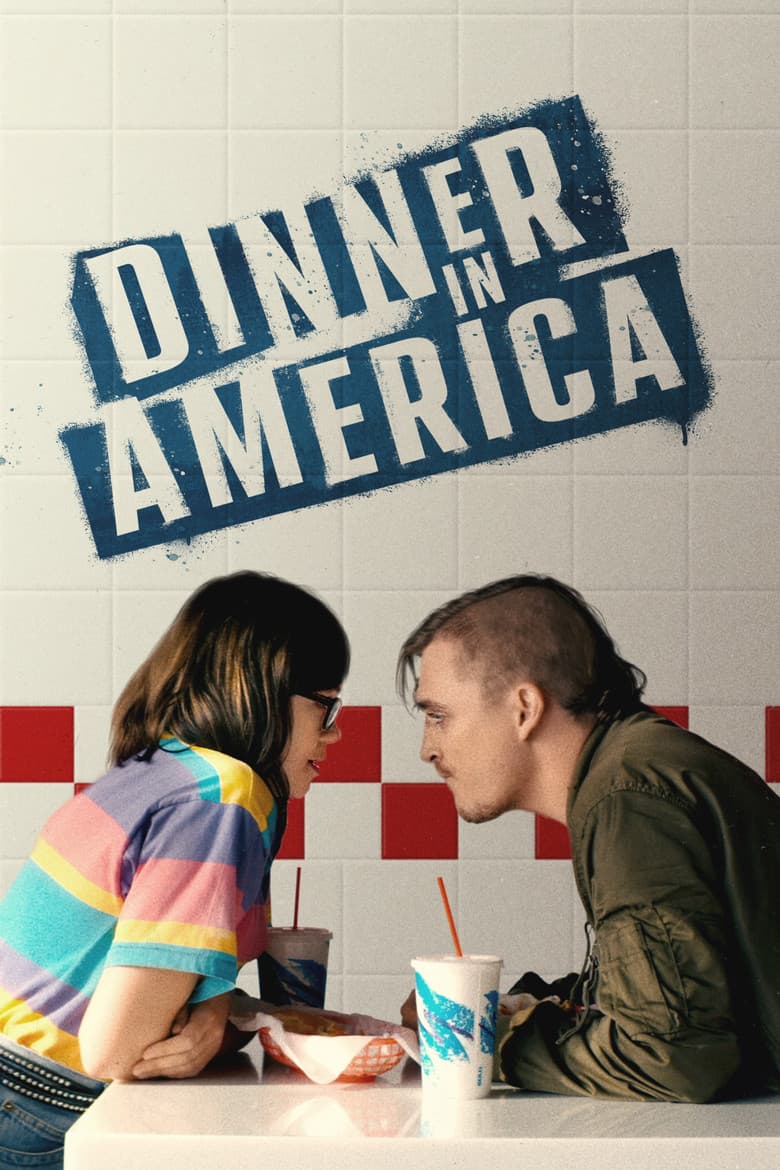
An on-the-lam punk rocker and a young woman obsessed with a local band go on an unexpected and epic journey together through the decaying suburbs of the American Midwest.

Movie · 2022
Peter and Emma thought they were on the precipice of life’s biggest moments – marriage, kids, and houses in the suburbs – until their respective partners dumped them.
Movie · 2020
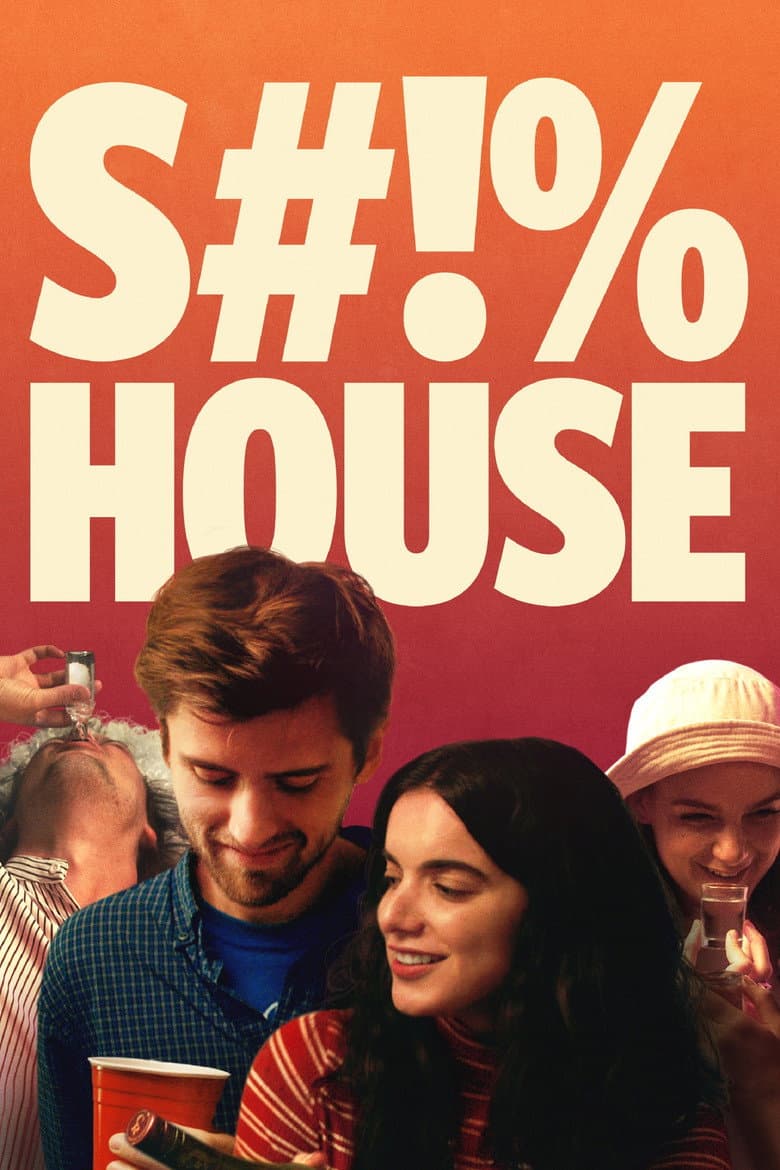
Lonely college freshman Alex has closed himself off from his peers, who all appear to have this whole "college thing" figured out.

Movie · 2023
After a disastrous first date, wild-child Nicole and socially-anxious Max vow to lose each other’s numbers until they learn that their dogs found a love match, and now puppies are…
Movie · 2022
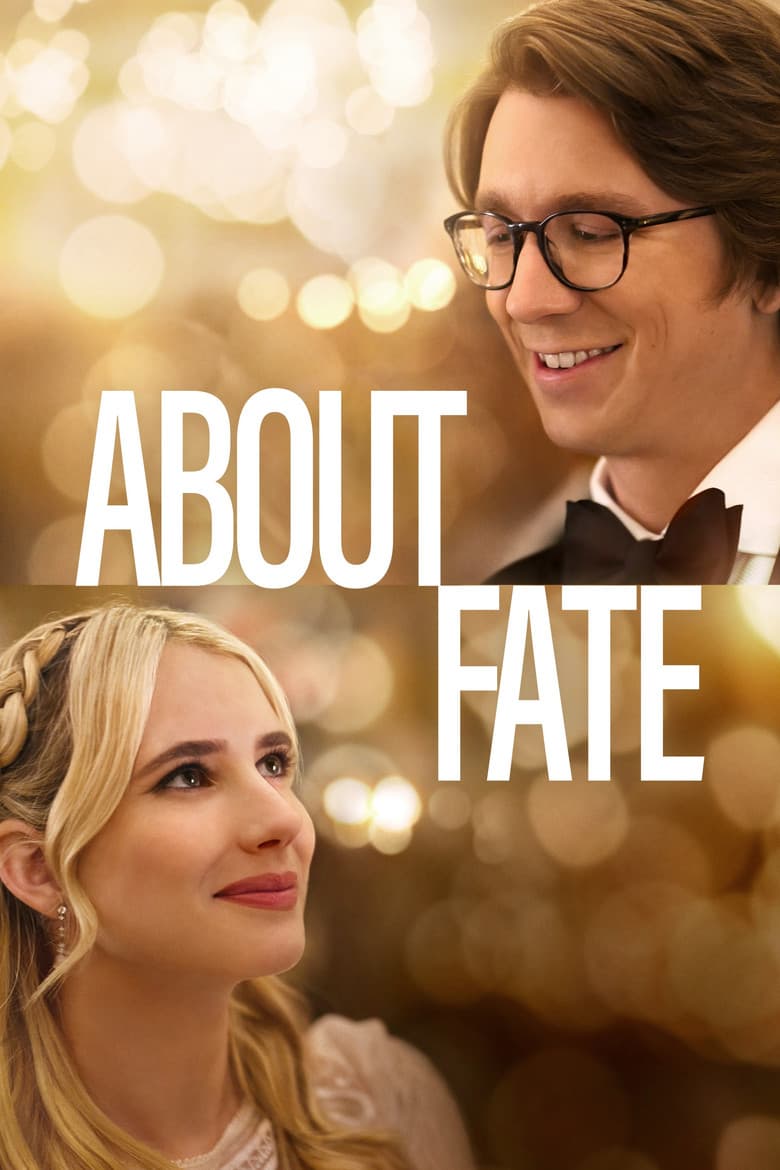
Two strangers believe in love but never seem to be able to find its true meaning. In a wild twist of events, fate puts each in the other's path on one stormy New Year's Eve.
Movie · 2023
Two twenty-somethings, both reeling from bad break-ups, connect over the course of an eventful day in South London – helping each other deal with their nightmare exes, and…
Movie · 2026
A happily engaged couple is put to the test when an unexpected turn sends their wedding week off the rails.
Movie · 2023
A novelist's longstanding marriage is suddenly upended when she overhears her husband giving his honest reaction to her latest book.
