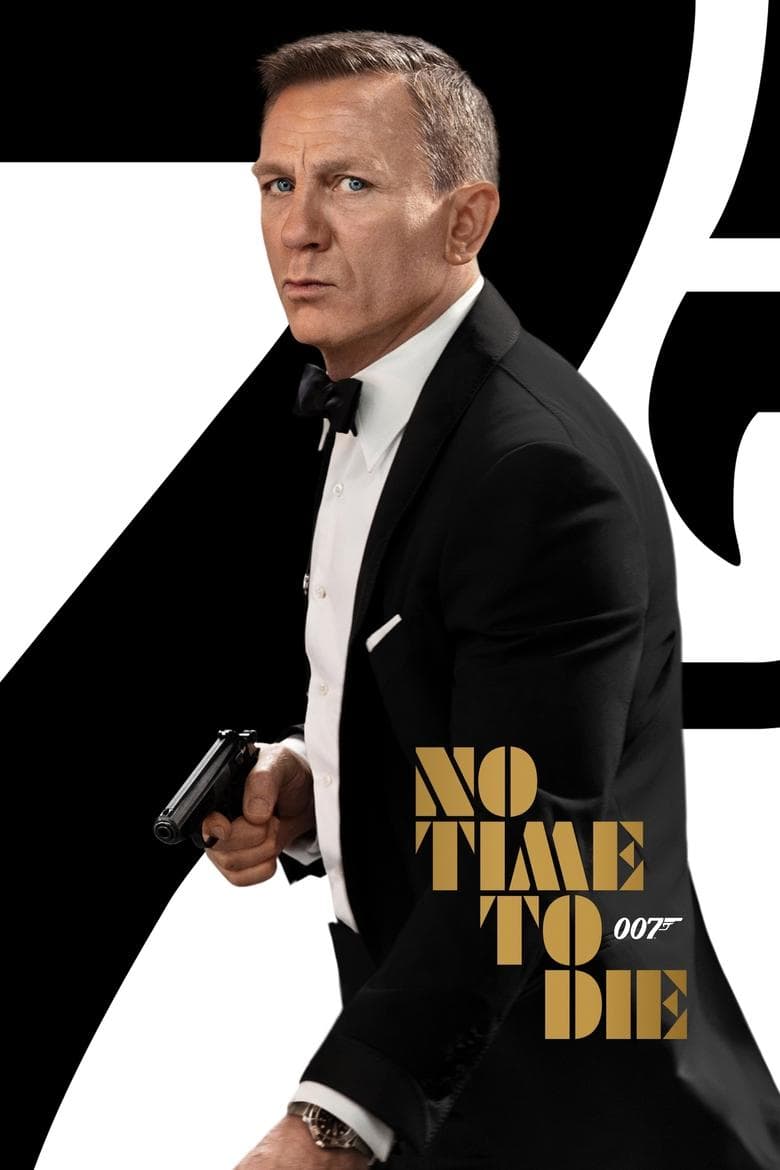
James Bond has retired to Jamaica, but his peace is cut short when his old friend Felix Leiter asks him for help. This final mission leads him to a dangerous new threat and a villain with deadly technology. In this movie, a black woman takes over the 007 codename, which shows a push for girl power. The tech expert Q is also shown preparing for a date with another man. These updates make the modern social themes visible to the audience.
Community feedback
Was our 77% Woke rating accurate?
Breakdown
These are the editorial factors and ratings behind our score for No Time to Die.
Woke representation / casting
The casting features a clear focus on modern representation. A black female agent, Nomi, is introduced as the new 007, which serves as a highly visible symbol of female empowerment. Additionally, Q is portrayed as gay. While the franchise has historically had a very white and male-dominated focus, these choices intentionally bring diverse identity groups into prominent, competent roles. This fits standard industry patterns of prioritizing visible diversity.
55%
Woke political dialogue
The script mostly avoids heavy-handed political lectures or overt activist phrasing. However, there are light, playful verbal jabs between Bond and the new female 007 about her holding the famous title. The dialogue reflects a more self-aware, modern tone regarding gender roles and power dynamics, but it remains subordinated to the main action plot.
5%
Identity-driven story themes
The story contains visible identity elements. The film features a confirmed LGBTQ+ element through Q's casual reveal that he is gay, which adds substantial weight under our rules. The narrative also emphasizes themes of female agency and independence, positioning women as highly competent leaders and fighters. The story moves away from the classic womanizing tropes of the past to present a modernized, more progressive view of relationships.
45%
Western institutional / cultural critique
The film presents a mild critique of traditional British espionage and masculinity. It portrays the old-school, individualistic 'license to kill' style as outdated compared to a modernized, more cautious bureaucratic system. There is also a subtle effort to dismantle the legacy of toxic masculinity by presenting Bond as a more vulnerable, emotionally open character who rejects his past womanizing ways. However, it does not attack Western culture directly.
25%
Woke character or canon changes
The movie makes significant adjustments to established lore and characters to align with modern social trends. The iconic 007 codename is reassigned to a new female character, which temporarily strips Bond of his classic identity. Additionally, the character of Q is given a specific gay identity, which represents an explicit change to a classic legacy character who previously had no defined sexuality. These changes were widely discussed as deliberate updates for a modern era.
60%
Anti-woke backlash and complaints
The film was a major lightning rod for culture war debates. It received heavy online backlash from right-leaning and traditional fans who criticized the decision to pass the 007 title to a black female character. Many accused the production of sacrificing classic Bond traditions to appease progressive agendas and the MeToo movement. The inclusion of Phoebe Waller-Bridge as a writer also fueled complaints that the franchise was catering to woke sensibilities.
70%
Creator track record context
The creative team has a mixed but notable record of progressive advocacy. Producers Barbara Broccoli and Michael G. Wilson are very vocal about modernizing the franchise and expanding diverse representation. Co-writer Phoebe Waller-Bridge is known for her feminist-oriented storytelling. Director Cary Joji Fukunaga has supported modern updates to legacy tropes, while other co-writers and technical crew members have neutral or traditional track records.
42%
Production
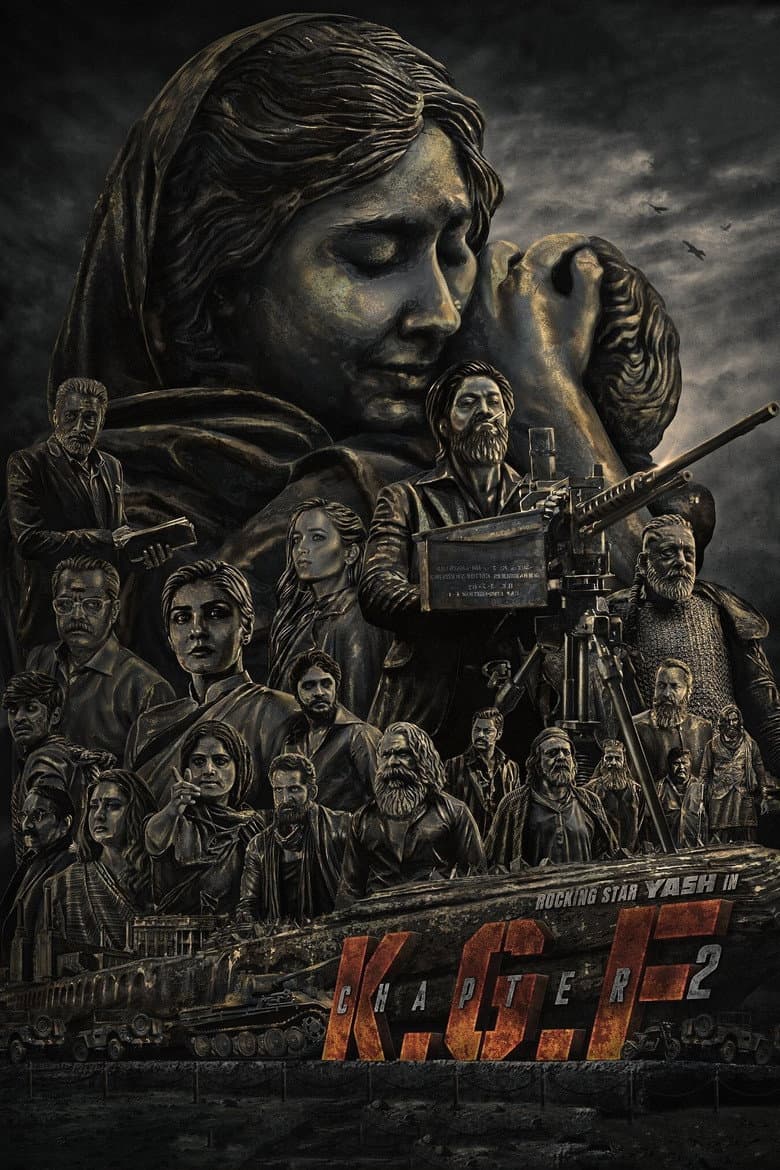
Movie · 2022
The blood-soaked land of Kolar Gold Fields (KGF) has a new overlord now - Rocky, whose name strikes fear in the heart of his foes.
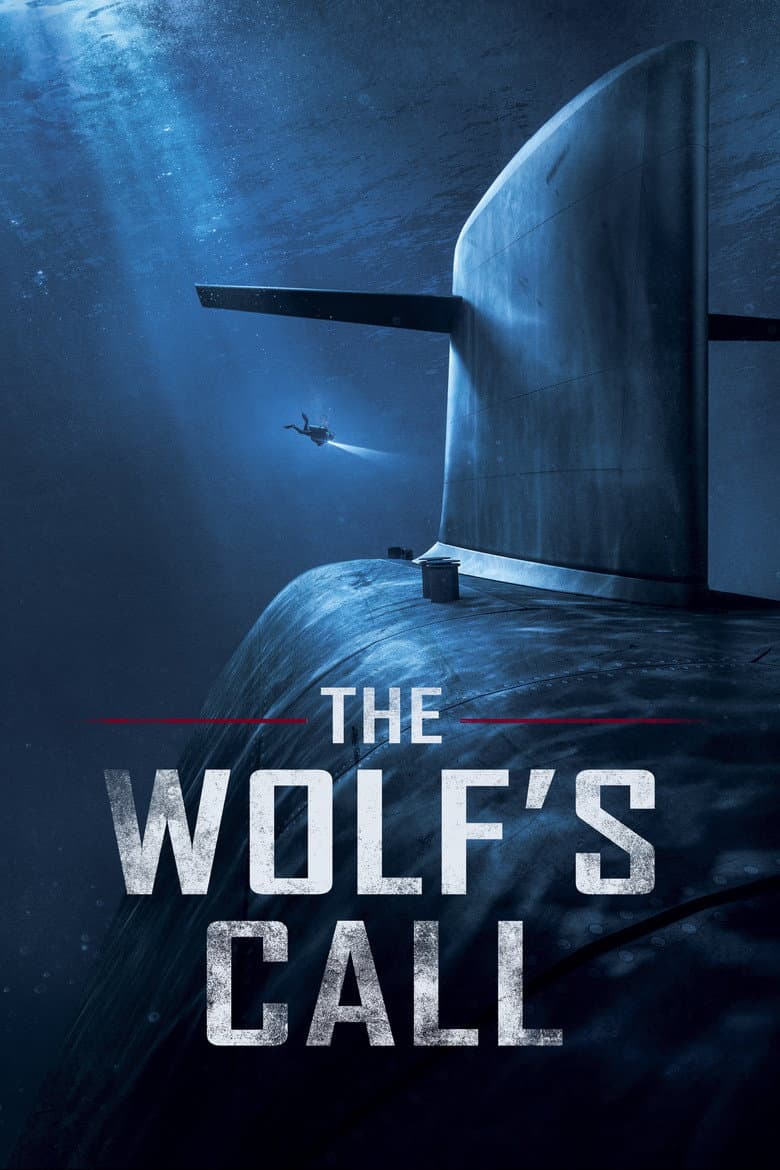
Movie · 2019
Shown from the perspective of a young submariner with unusually sensitive hearing and uncannily precise sound recognition.
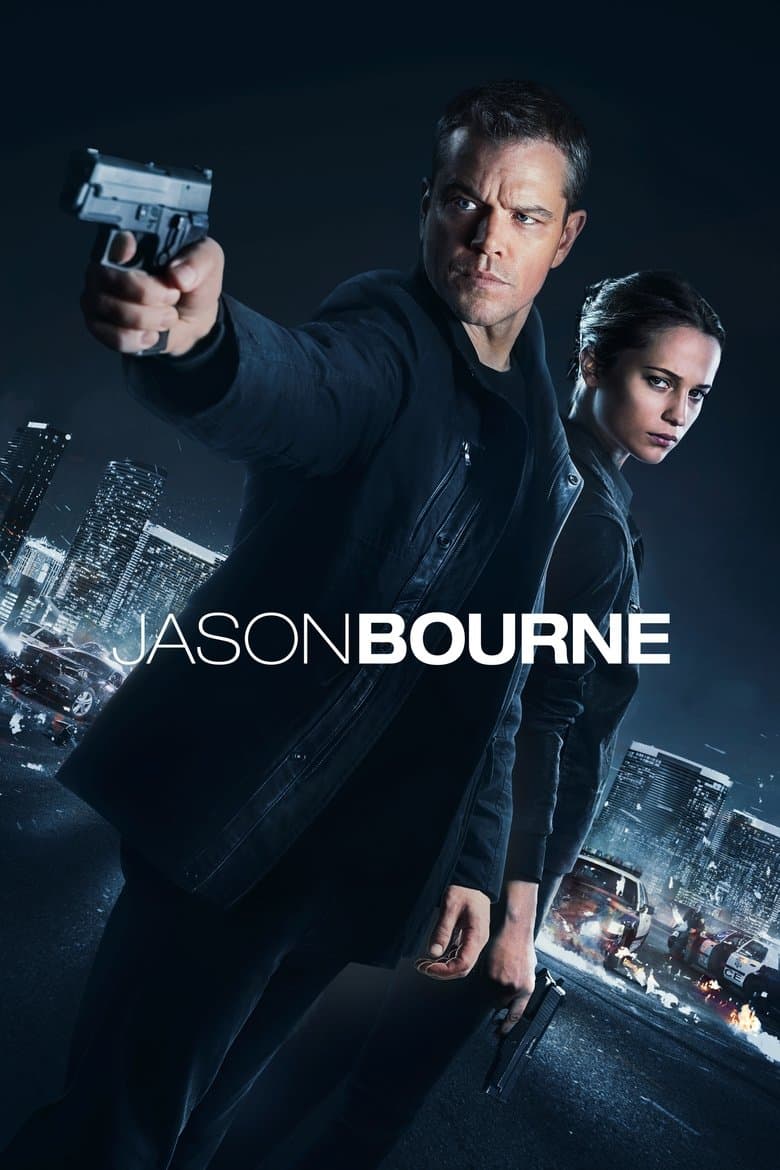
Movie · 2016
The most dangerous former operative of the CIA is drawn out of hiding to uncover hidden truths about his past.
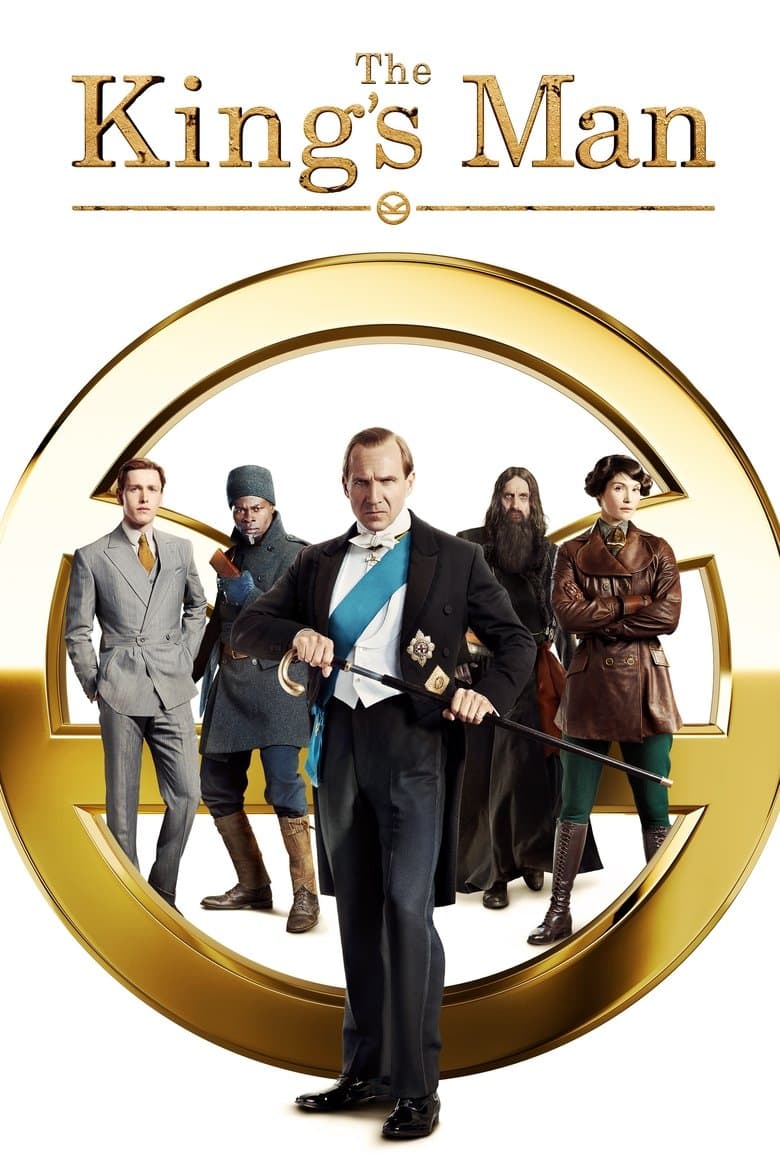
Movie · 2021
As a collection of history's worst tyrants and criminal masterminds gather to plot a war to wipe out millions, one man must race against time to stop them.
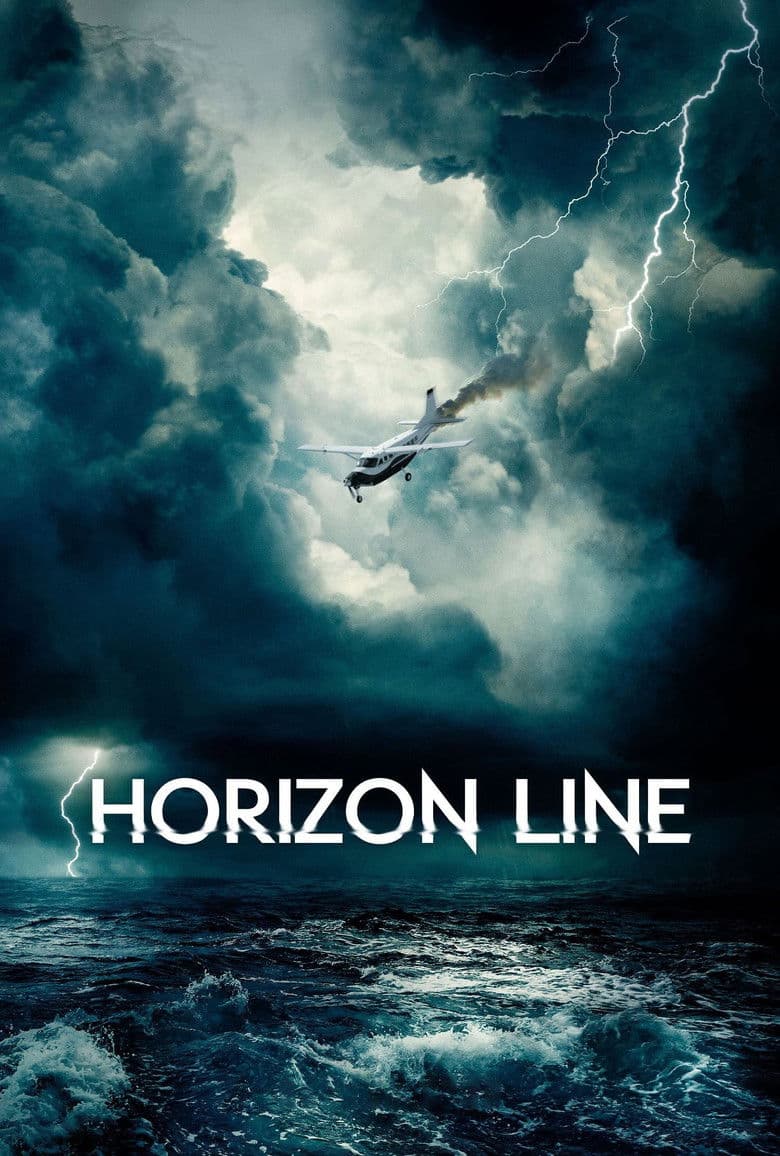
Movie · 2020
A couple flying on a small plane to attend a tropical island wedding must fight for their lives after their pilot suffers a heart attack.

Movie · 2016
A man who bears a striking resemblance to a renowned movie star becomes an obsessive fan, but when his fierce love is spurned by the star, he decides to destroy the star's life…
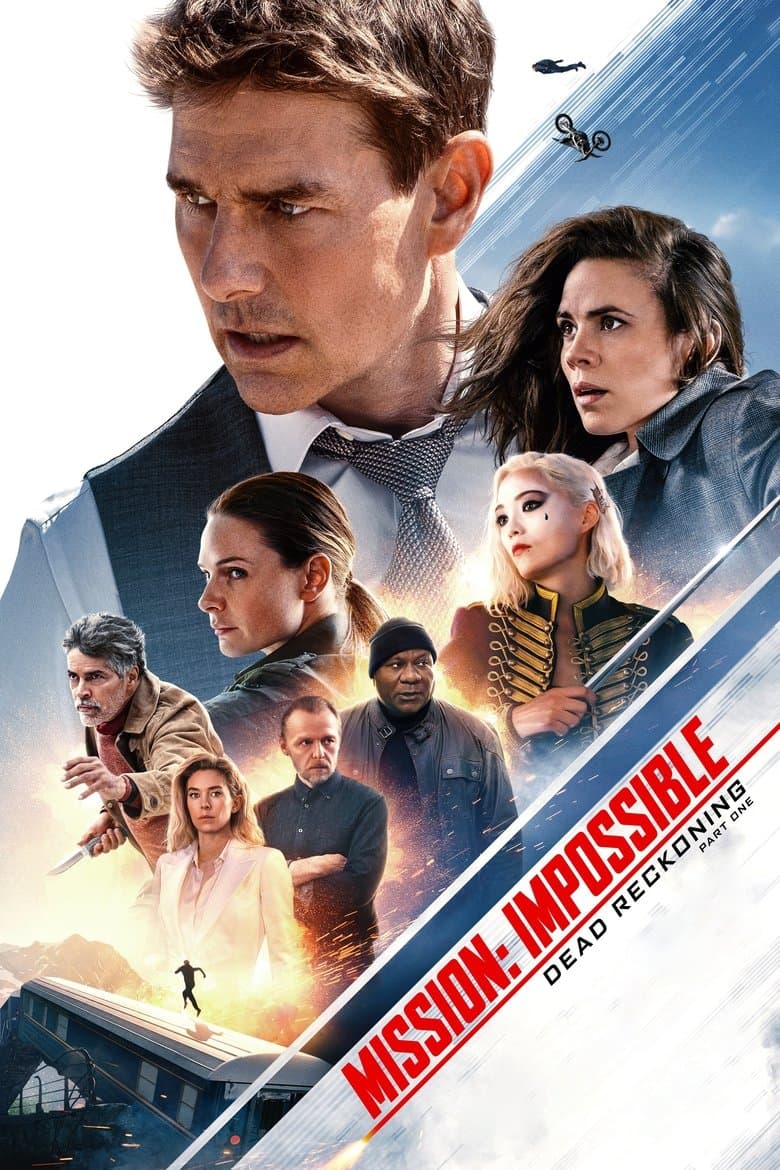
Movie · 2023
Ethan Hunt and his IMF team embark on their most dangerous mission yet: To track down a terrifying new weapon that threatens all of humanity before it falls into the wrong hands.
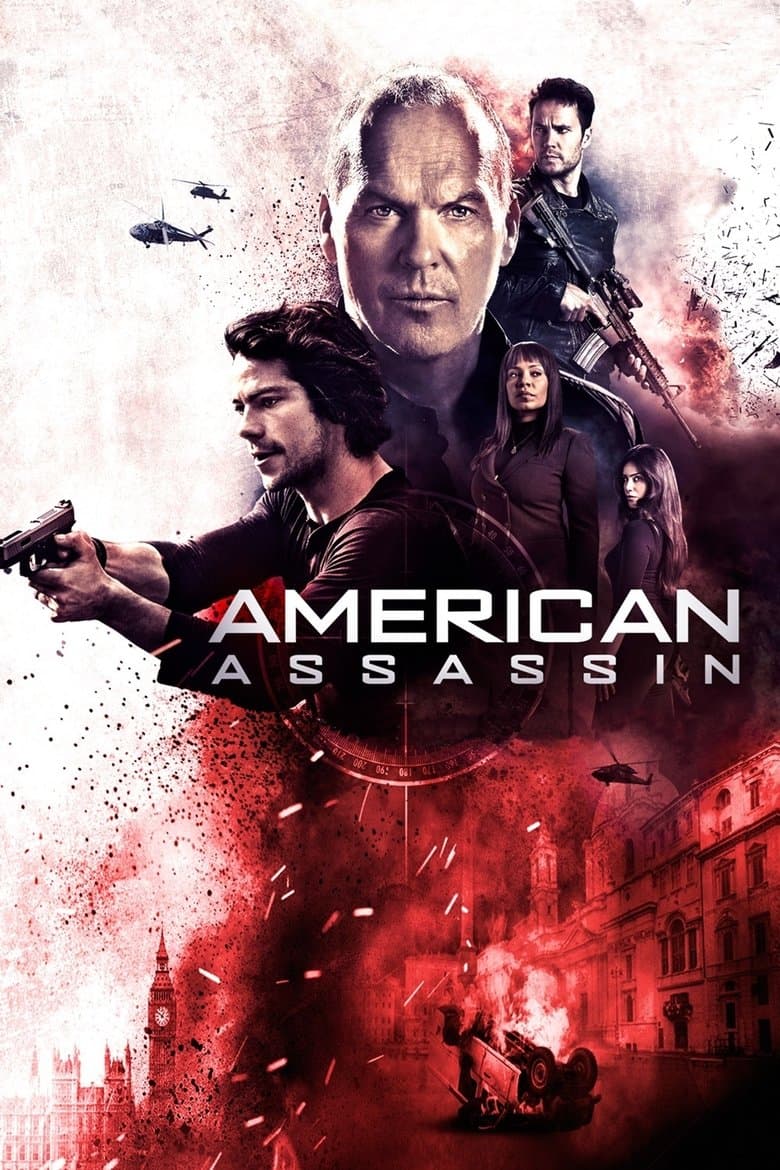
Movie · 2017
Following the murder of his fiancée, Mitch Rapp trains under the instruction of Cold War veteran Stan Hurley.
