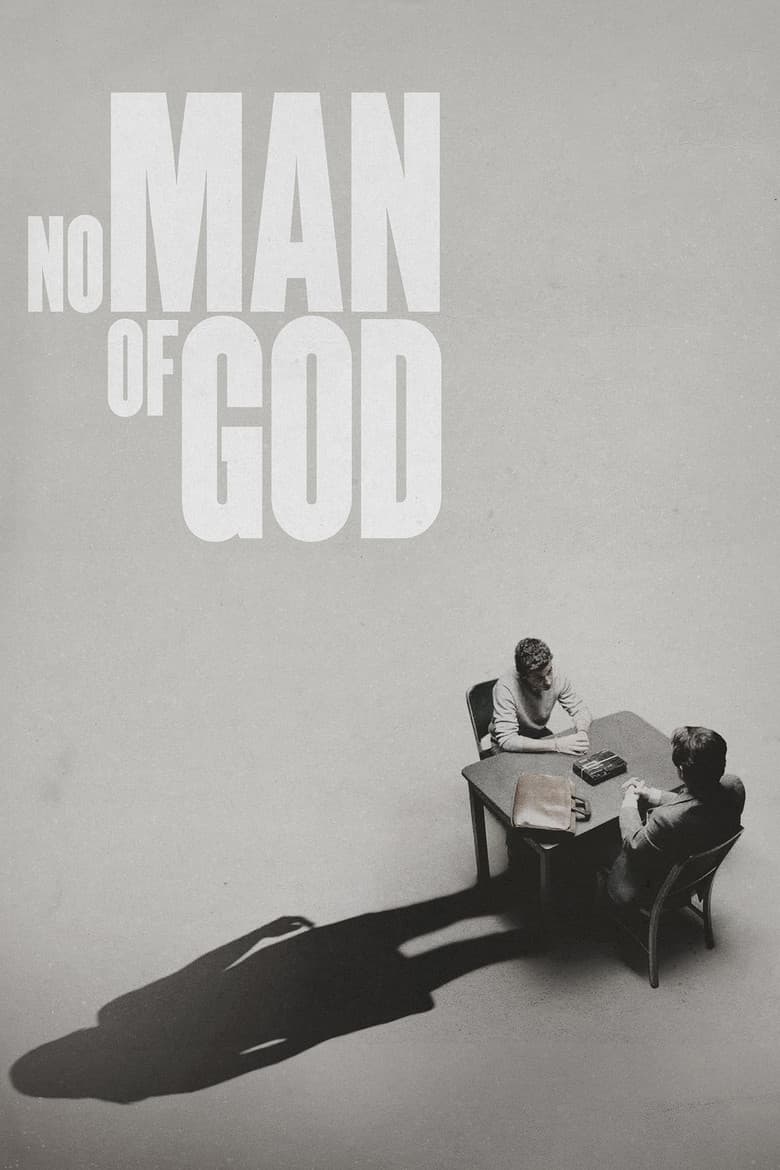
FBI analyst Bill Hagmaier visits Ted Bundy in a Florida prison during the killer’s last years on death row. Hagmaier wants Bundy to explain his murders and help the FBI understand other violent criminals. Bundy tests him, offers half-truths, and slowly turns the work into a strange bond between two men. The film has a dark, tense, and mostly quiet tone, with long talks, short flashes of memory, and no shown murder scenes.
The film adds a clear female point of view to a story built around two men. Women appear as watchers and reminders of Bundy’s victims, while his female lawyer challenges a patronizing remark from Hagmaier. A short television scene shifts away from Bundy and focuses on a woman who looks sickened as he talks about violence against women. These choices support a feminist message about how men’s violence and the public’s interest in killers affect women, but that message stays secondary to the prison interviews and Hagmaier’s struggle to understand evil.
Community feedback
Was our 37% Woke rating accurate?
Breakdown
These are the editorial factors and ratings behind our score for No Man of God.
Woke representation / casting
Not present. The main roles are white men because the story follows the real FBI analyst Bill Hagmaier and Ted Bundy. The supporting cast includes women and people of different backgrounds. The film does not present a repeated identity pattern or a diversity-first casting message.
0%
Woke political dialogue
Not present. The dialogue focuses on Bundy’s crimes, FBI profiling, death row, remorse, and the public’s interest in him. The film does not use recurring modern activist or identity-political speeches.
0%
Identity-driven story themes
The film repeatedly turns from Bundy and Hagmaier to women who live with the danger his crimes represent. The unnamed female assistant watches a televised interview with fear and disgust. Carolyn Lieberman, Bundy’s lawyer, challenges Hagmaier after he makes a patronizing remark. These choices give the story a feminist view of violence against women, but that view remains a side layer in a story centered on the two men.
38%
Western institutional / cultural critique
The film presents Bundy’s control of women as a form of male abuse. The story also asks how ordinary men can live near that danger. A female lawyer calls out Hagmaier when he speaks to her in a patronizing way. The James Dobson television scene places an evangelical media figure beside Bundy and shows a woman reacting with disgust. These moments criticize male power and a religious media setting, but they do not become a broad attack on Western institutions.
28%
Woke character or canon changes
The film is based on real interviews and does not change the identities of Bill Hagmaier or Ted Bundy. The director said she added women, victim voices, and a stronger female layer that were not in the earlier script. The new scenes shift the adaptation toward feminist framing. The changes do not replace a known character or rewrite the main historical relationship.
24%
Anti-woke backlash and complaints
Not present. The supplied X research pass found no anti-woke reaction or named complaint. Wider posts and reviews discuss the acting, the repeated Bundy subject, and possible myth-making rather than woke or DEI messaging.
0%
Creator track record context
The director has a public feminist and women-centered creative record. The casting directors have spoken about inclusive casting, and one producer has backed diversity hiring. Elijah Wood has liberal views, but his production work is mainly genre film. The writer and several producers have little or no activist record. The mixed record supports a moderate context signal rather than a strong one.
32%
Production
Movie · 2016
As a math savant uncooks the books for a new client, the Treasury Department closes in on his activities and the body count starts to rise.

Movie · 2017
Cairo, 2011. A police officer investigates the murder of a woman in a luxurious hotel in the days leading up to the Egyptian revolution.

Movie · 2019
During the 1980s, a failed stand-up comedian is driven insane and turns to a life of crime and chaos in Gotham City while becoming an infamous psychopathic crime figure.
Movie · 2017
After a botched bank robbery lands his younger brother in prison, Connie Nikas embarks on a twisted odyssey through New York City's underworld to get his brother Nick out of jail.

Movie · 2022
Decorated veteran Will Sharp, desperate for money to cover his wife's medical bills, asks for help from his adoptive brother Danny.

Movie · 2022
After escaping a Michigan prison, a charming career criminal assumes a new identity in Canada and goes on to rob a record 59 banks and jewellery stores while being hunted by a…
Movie · 2021
William Tell just wants to play cards. His spartan existence on the casino trail is shattered when he is approached by Cirk, a vulnerable and angry young man seeking help to…

Movie · 2021
Deputy Sheriff Joe "Deke" Deacon joins forces with Sgt. Jim Baxter to search for a serial killer who's terrorizing Los Angeles.
