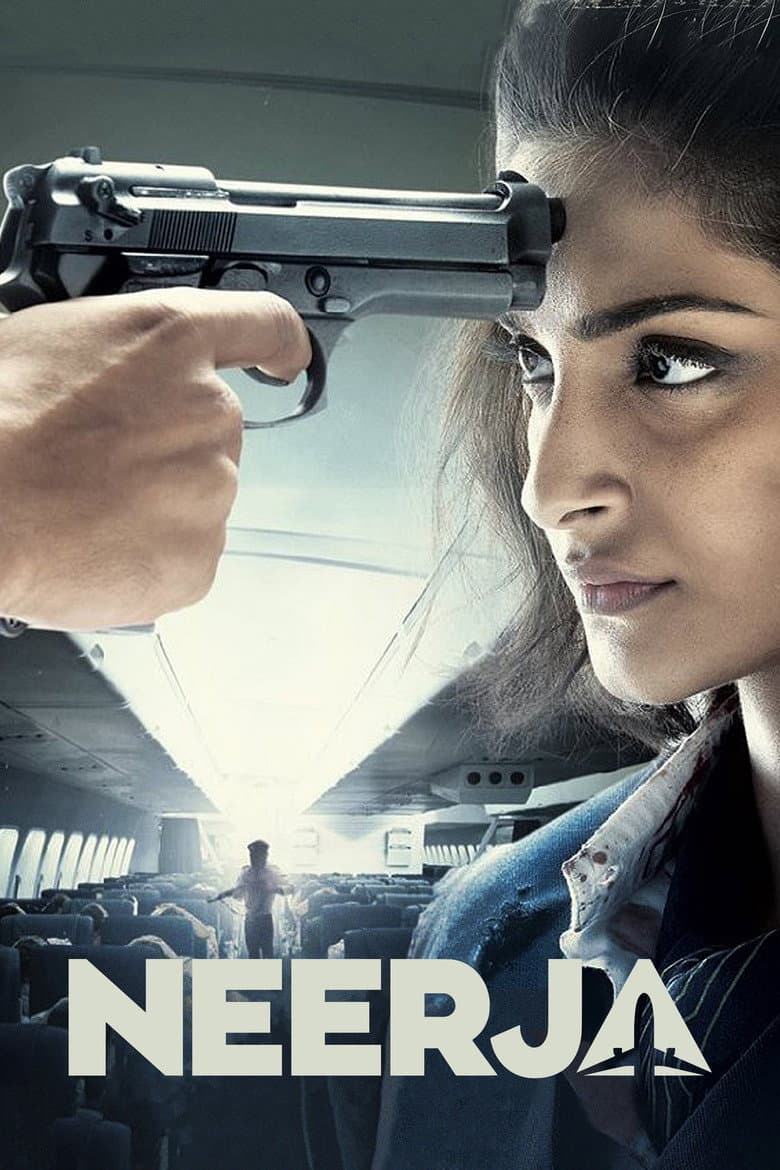
Neerja follows 22-year-old Neerja Bhanot, a flight attendant and head purser from Bombay. In 1986, terrorists seize Pan Am Flight 73 during a stop in Karachi, leaving her to protect the passengers after the pilots escape. Neerja stays calm, hides American passports, delays the gunmen, and helps people reach the exits. The film moves between the tense 17-hour standoff and her warm home life with her parents, brothers, and boyfriend. Its tone is serious, sad, and suspenseful, with a strong focus on family love and personal courage. The film gives its strongest message through Neerja's life as a woman who leaves an abusive arranged marriage and keeps the job she loves. The story shows her female courage as real strength, while her mother says that families often expect brothers to protect sisters and expect girls to adjust. That speech turns Neerja's death into a wider lesson about women taking responsibility and protecting others. The movie also presents her as a caring daughter, a trained worker, and an ordinary person who makes brave choices under pressure. These ideas are important to the ending and return through the marriage flashbacks, but the hijacking and the family's grief remain the main story.
Community feedback
Was our 44% Woke rating accurate?
Breakdown
These are the editorial factors and ratings behind our score for Neerja.
Woke representation / casting
Not present. The main cast matches the Indian family and cabin crew in this 1986 story. Neerja leads because the real Neerja Bhanot held the head-purser role and led during the hijacking, not because the film creates a diversity pattern.
0%
Woke political dialogue
Rama says that families teach daughters to stay quiet and expect brothers to be brave. Rama also says that no one asks a sister to protect others. The dialogue says that girls are often expected to adjust in marriage. The film places these lines in the final speech, so gender roles become a clear part of its message.
38%
Identity-driven story themes
Neerja leaves an abusive arranged marriage and refuses to give up the job she loves. Neerja then becomes the main protector of hundreds of passengers during the hijacking. The film repeatedly shows women calming, guiding, and protecting people while the male terrorists lose control. Rama's ending speech turns Neerja's courage into a lesson about women doing more than society expects. The theme is strong and important, but Neerja's skill comes from her real job and the real event rather than an invented superwoman role.
44%
Western institutional / cultural critique
Neerja's former husband demands dowry and punishes her for not cooking and cleaning. The film treats the family's first advice that girls must adjust as harmful. Rama challenges the idea that brothers should protect sisters while sisters stay protected. This critique is tied to Neerja's 1986 family story and appears most clearly in the final speech, so it is noticeable but limited.
30%
Woke character or canon changes
Not relevant. The film follows the real Neerja Bhanot and does not change her race, gender, sexuality, or basic role. The reported changes concern how the event is shown and which people receive focus.
0%
Anti-woke backlash and complaints
Not present. Public reports show praise, a Pakistan release ban, and one deleted crew-member complaint about how the film shared credit. One low-reach X post called the film secular propaganda, but it did not describe a woke, DEI, or identity-politics campaign.
0%
Creator track record context
Ram Madhvani and Saiwyn Quadras have moderate creator scores of 52/100. Their earlier work often centers women's agency and overlooked lives, which fits Neerja's female hero and social themes. Atul Kasbekar has a low score of 10/100, while Shanti Sivaram Maini and Kanika Berry have scores of 0/100. The team therefore gives moderate background support, but it does not show a strong activist profile.
40%
Production
Movie · 2022
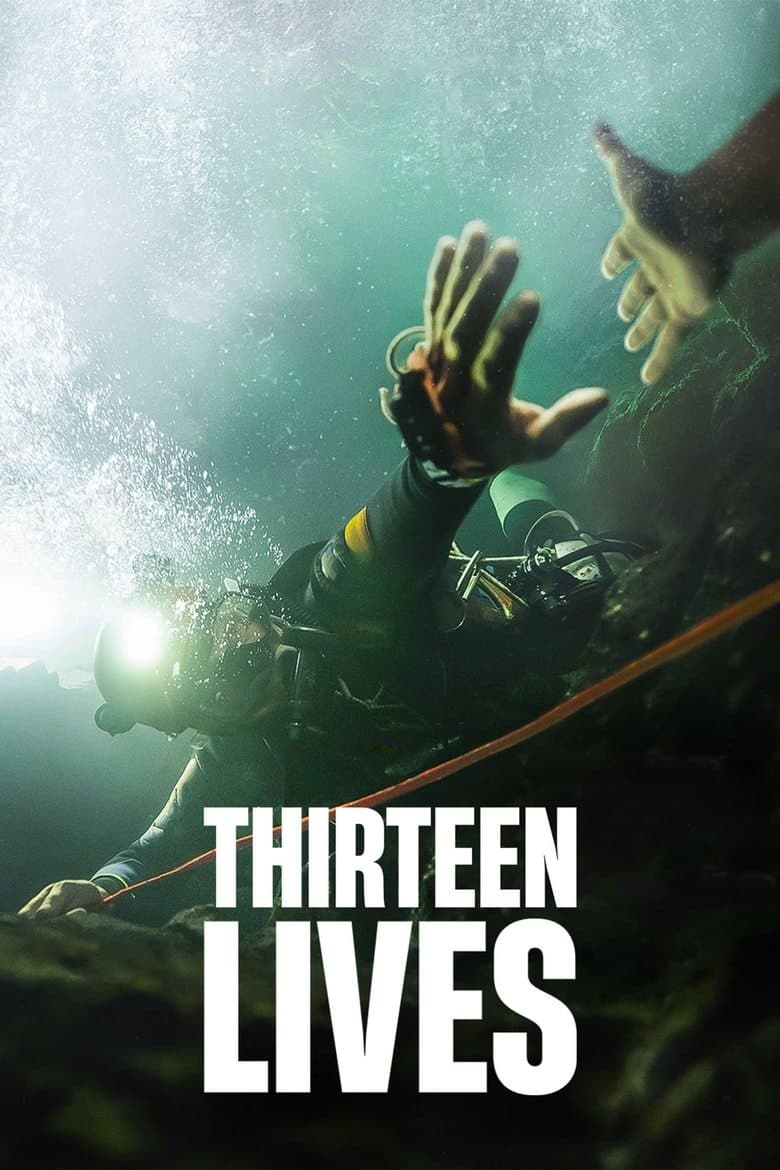
Based on the true nail-biting mission that captivated the world. Twelve boys and the coach of a Thai soccer team explore the Tham Luang cave when an unexpected rainstorm traps…

Movie · 2024
During the 1972 Munich Olympics, an American sports broadcasting crew finds itself thrust into covering the hostage crisis involving Israeli athletes.
Movie · 2025
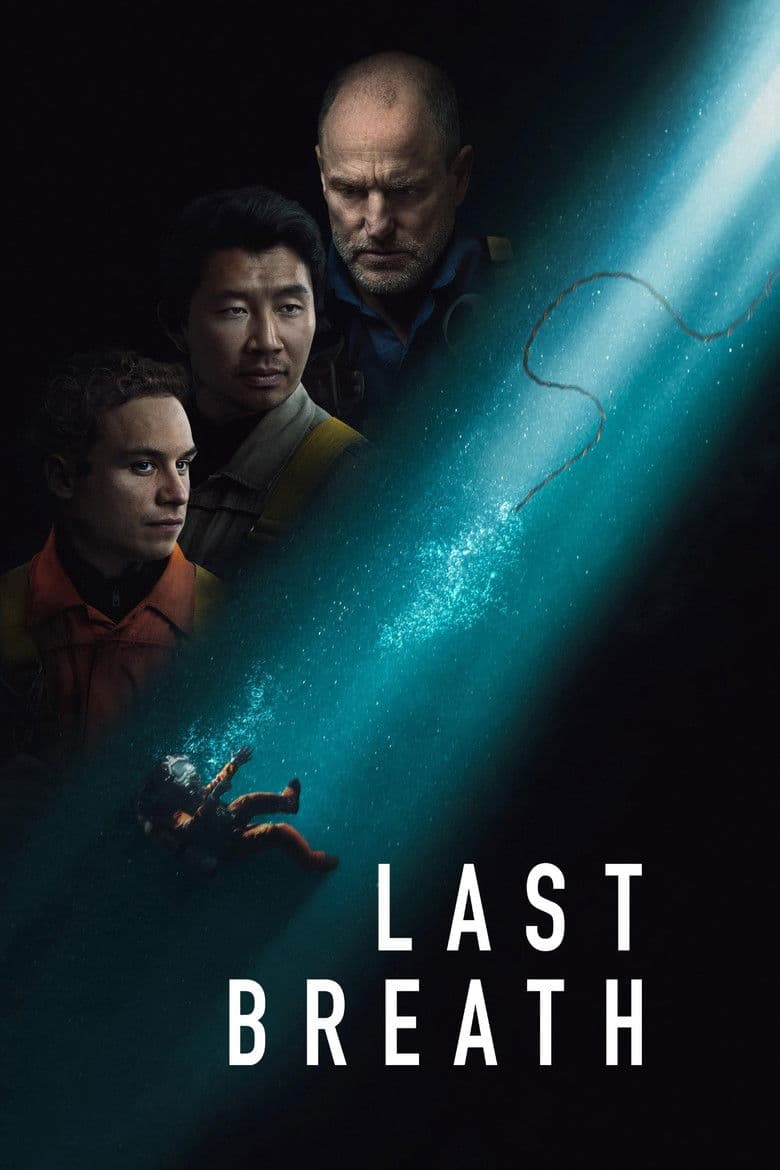
Seasoned deep-sea divers battle the raging elements to rescue their crewmate trapped hundreds of feet below the ocean's surface.

Movie · 2023
In 1988, American video game salesman Henk Rogers discovers the video game Tetris. When he sets out to bring the game to the world, he enters a dangerous web of lies and…

Movie · 2016
When Iraq invades Kuwait in August, 1990, a callous Indian businessman becomes the spokesperson for more than 170,000 stranded countrymen.
Movie · 2016
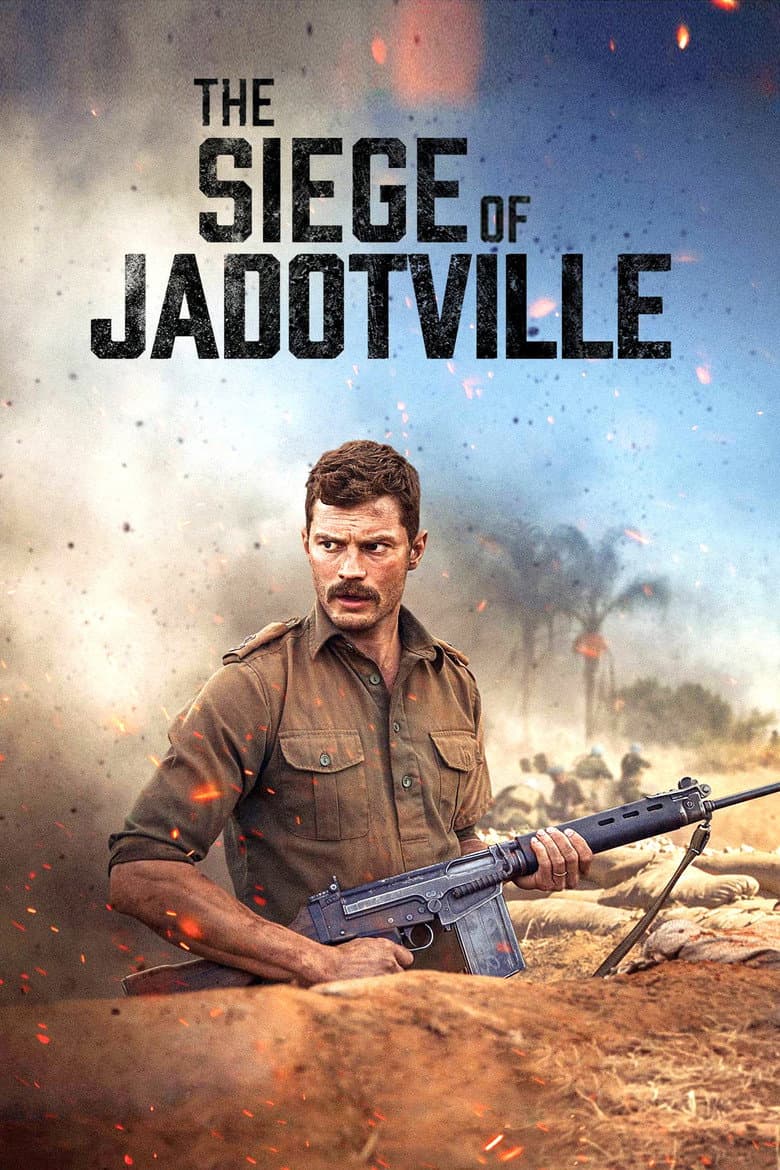
Irish Commandant Pat Quinlan leads a stand off with troops against French and Belgian Mercenaries in the Congo during the early 1960s.

Movie · 2020
South Africa, 1978. Tim Jenkin and Stephen Lee, two white political activists from the African National Congress imprisoned by the apartheid regime, put a plan in motion to escape…
Movie · 2018
After receiving an anonymous tip, a tax officer leads a raid on the mansion of the most powerful figure in Lucknow, a member of parliament who has been evading income tax for…
