Movie review
March 15, 2019 · 89 min · PG · Kids · Crime · Mystery · Family
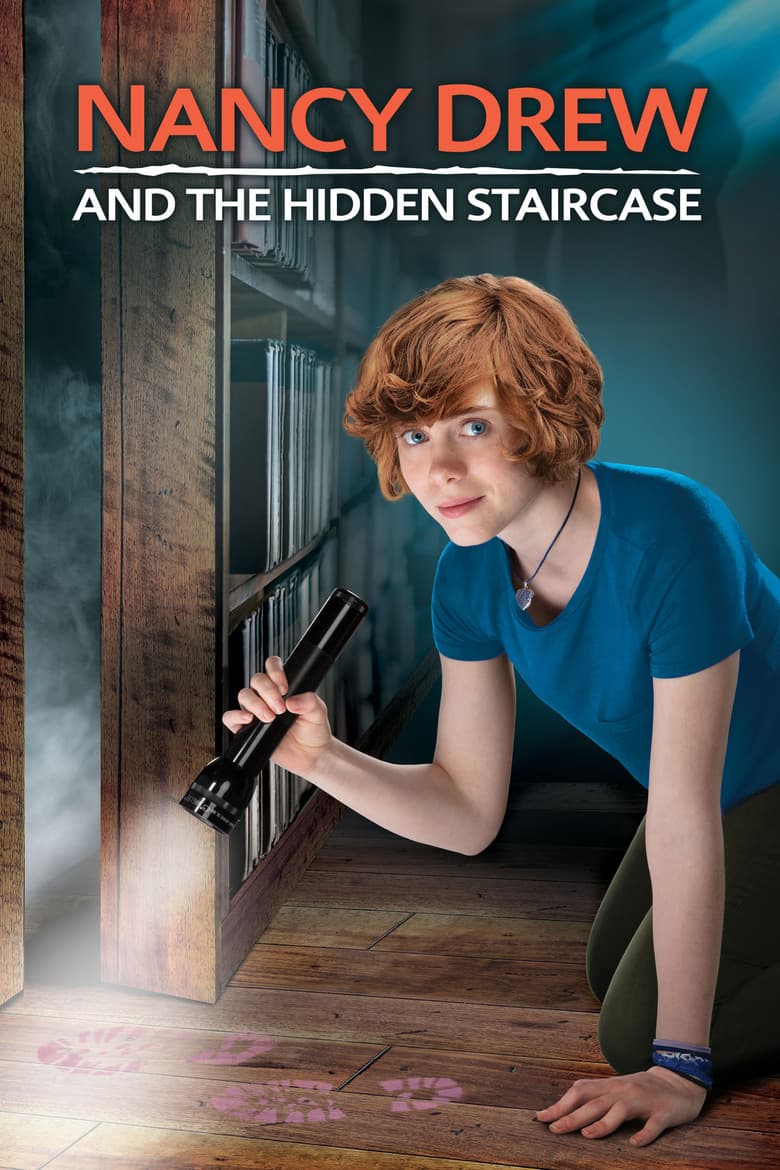
Nancy Drew is a smart sixteen-year-old who moves from Chicago to the small town of River Heights with her father after her mother dies. She feels like an outsider, but she soon meets Bess, George, and Helen. Flora Turnbull asks Nancy to explain the strange events in her old house, where lights burst, doors move, and a masked figure appears. The mystery leads Nancy to a hidden passage, a kidnapping, and a fight over a new train line, so the movie feels bright, playful, and sometimes scary.
The film puts female friendship, confidence, and clever problem solving at the center of the story. Nancy protects Bess after a humiliating video spreads online, and the girls use science, clues, and teamwork to save adults in danger. The movie also gives Nancy a black friend in George and presents four girls as the main people who solve the case. Short lines about a civil rights advocate mother, a town that feels backward, and feeling empowered add modern social and gender language, while the main message stays focused on courage, friendship, and learning from revenge.
Community feedback
Was our 61% Woke rating accurate?
Breakdown
These are the editorial factors and ratings behind our score for Nancy Drew and the Hidden Staircase.
Woke representation / casting
The film makes the friend group more diverse than the older books by casting Zoe Renee as George Fayne, a prominent black teen sleuth. George helps Nancy investigate the case, so the identity choice appears in an important role. The story does not explain the casting through identity themes or make diversity a spoken goal. The modern setting makes the choice believable, so the signal is modest rather than a strong mismatch.
30%
Woke political dialogue
Nancy describes her mother as a civil rights advocate who pushed politicians to help ordinary people. A friend calls River Heights square and backward and says that the girls can change it. Bess says she feels empowered when Nancy helps her enter the hotel. These lines add modern activist or gender language, but they appear briefly and the movie has no political speech.
27%
Identity-driven story themes
Nancy and her female friends drive nearly every important step in the mystery. The girls solve the science problem, gather clues, enter danger, and rescue Nancy’s father and Flora. The movie treats female friendship, speaking up, and confidence as the main way to answer bullying and threats. Bess gets a makeover so she can feel empowered, while Nancy learns that revenge is wrong. This repeated girl-power focus is central, even though the film is made for young viewers.
60%
Western institutional / cultural critique
The girls call River Heights square and backward and say that cool girls can change it. Nancy also gets the last word over a male bully who uses a viral video to shame Bess. The train fight is about money and land, but it stays a local crime plot instead of a broad attack on Western institutions. The movie does not attack Christianity, family life, or traditional society as a whole.
12%
Woke character or canon changes
The movie casts Zoe Renee as George Fayne, making a long-standing character visibly black in this version. The film gives Nancy a larger role for her father and her friends than the book, but those are plot changes rather than identity changes. The race change is easy to see, yet the story does not use it for an identity speech or make it the main conflict.
28%
Anti-woke backlash and complaints
One home-video review said the film was aimed at a future-is-female audience and objected to its girl-power update of Nancy. Some audience comments said the movie felt unlike the books, but they did not clearly call it woke or identity politics. The separate X research found no anti-woke reaction and no named complaints. The evidence shows a small complaint rather than a broad controversy.
15%
Creator track record context
Ellen DeGeneres is a producer with a strong public record tied to LGBTQ representation. Nina Fiore has worked on The L Word and The Handmaid’s Tale and has supported disability inclusion. Katt Shea’s public record is mostly craft-focused, and the other listed writers, producers, and casting director have mostly low or general records. The film’s focus on female confidence and inclusion fits Ellen and Fiore’s context, so the background is noticeable but not dominant.
48%
Production
Movie · 2026
George Hardy is a shepherd who reads detective novels to his beloved sheep every night, assuming they can't possibly understand.

Movie · 2018
Two school kids strike up a friendship with an orphaned puppy named Benji. When danger befalls them and they end up kidnapped by robbers who are in over their heads, Benji and his…
Movie · 2022
When the Bad Guys, a crew of criminal animals, are finally caught after years of heists and being the world’s most-wanted villains, Mr.

Movie · 2021
The true story of Kurt Warner, who went from a stockboy at a grocery store to a two-time NFL MVP, Super Bowl champion, and Hall of Fame quarterback.
Movie · 2024
19 year old Isaiah Wright lives for basketball and video games. A year out of high school, he has no job, no plans, and no idea how to be a man.
Movie · 2019
John Mulaney and his kid pals tackle existential topics for all ages with catchy songs, comedy sketches and special guests in a nostalgic variety special.
Movie · 2018
When ten-year-old Lewis is suddenly orphaned, he is sent to live with his Uncle Jonathan in a creaky (and creepy) old mansion with a mysterious ticking noise that emanates from…

Movie · 2022
Chasing his dream to join an elite K-9 unit, a state trooper partners with a fellow underdog: clever but naughty shelter pup Ruby. Based on a true story.
