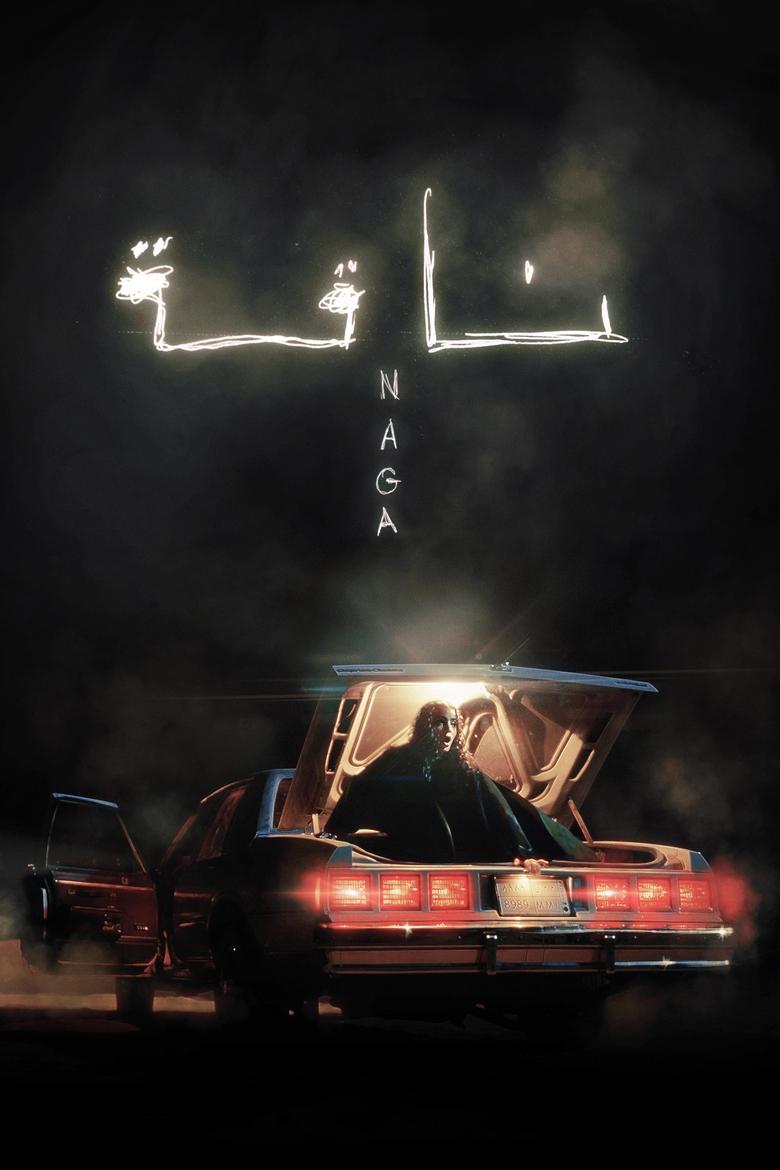
Sarah is a young Saudi woman who sneaks away from home to meet Saad, her secret boyfriend. She plans to attend a desert party and return before her strict father’s curfew. The plan collapses after a police raid, drug use, car trouble, violence, and a dangerous camel attack. The film uses dark comedy, fast action, and tense survival scenes. The film strongly focuses on Sarah’s struggle against strict male control and traditional rules for women. Sarah must hide her movements, wear a niqab in public, and fear serious punishment if she comes home late. The story often shows men as threats, fools, or careless obstacles while Sarah survives through courage and quick thinking. The film presents female anger, independence, and resistance as important parts of Sarah’s journey.
Community feedback
Was our 58% Woke rating accurate?
Breakdown
These are the editorial factors and ratings behind our score for Naga.
Woke representation / casting
Not present. The main cast fits the Saudi setting and story world. No clear diversity-first casting message was found.
0%
Woke political dialogue
Not present. Available plot and interview coverage does not confirm repeated spoken lines about DEI, identity politics, or modern activist causes.
0%
Identity-driven story themes
Sarah’s struggle with male control and strict rules for women drives the story. The film shows honor violence, forced modesty, and the danger of female disobedience. Sarah’s anger, independence, and survival are praised through the story. These themes recur across her journey and are central to the film.
68%
Western institutional / cultural critique
The film repeatedly presents traditional gender rules as harmful limits on Sarah. Sarah faces male entitlement, threats, and control from family and other men. The story treats her rebellion as understandable and necessary. The criticism is rooted in Saudi society, but it uses a clear modern feminist view of power and gender roles.
58%
Woke character or canon changes
Not relevant. Naga is an original story and does not change an established character, source work, or historical figure.
0%
Anti-woke backlash and complaints
Not present. Searches found no documented complaint that Naga pushes woke, DEI, or identity-politics messaging. Feminist praise and general criticism of the film do not count as anti-woke backlash.
0%
Creator track record context
The director and writer often use satire to question religious expectations, masculinity, and social pressure. The producers have supported Saudi stories about cultural change and less powerful people. The stored record shows social criticism but no strong pattern of partisan activism or organized DEI advocacy.
47%
Production

Movie · 2025
A determined father risks everything to rescue a dedicated teacher and her students from a raging wildfire.
Movie · 2023
After a fateful miss, an assassin battles his employers, and himself, on an international manhunt he insists isn't personal.
Movie · 2016
In December 1941, Czech soldiers Jozef Gabčík and Jan Kubiš parachute into their occupied homeland to assassinate Nazi officer Reinhard Heydrich.

Movie · 2022
Finney Blake, a shy but clever 13-year-old boy, is abducted by a sadistic killer and trapped in a soundproof basement where screaming is of little use.
Movie · 2024
When a Delta Force special ops mission goes terribly wrong, Air Force drone pilot Reaper has 48 hours to remedy what has devolved into a wild rescue operation.

Movie · 2023
In 1988, American video game salesman Henk Rogers discovers the video game Tetris. When he sets out to bring the game to the world, he enters a dangerous web of lies and…
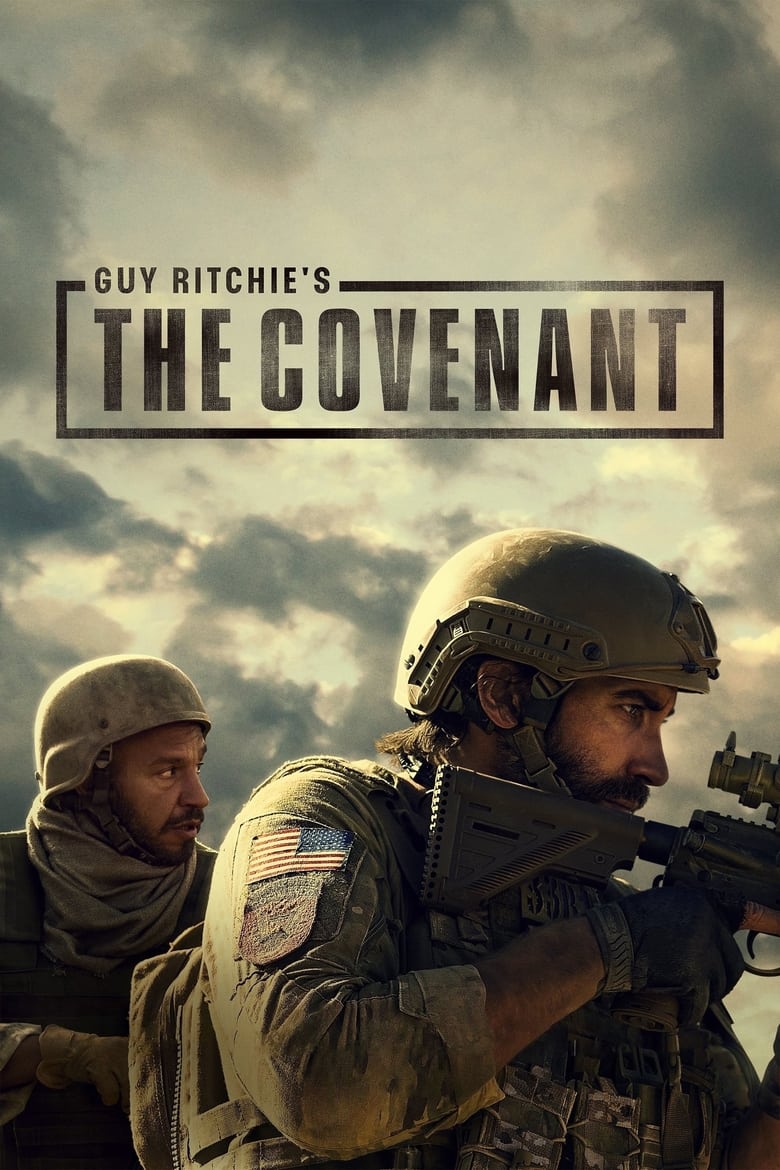
Movie · 2023
During the war in Afghanistan, a local interpreter risks his own life to carry an injured sergeant across miles of grueling terrain.

Movie · 2024
Nothing is what it seems when a twisted one-night stand spirals into a serial killer’s vicious murder spree.
