
Taylor Jacobson is a single mother who loses her cookie factory job just before Christmas. She needs money for rent and for her daughter Zoey’s expensive snowboarding school. Taylor hears that a snowy ski resort needs a Santa, so her brother helps her dress as an old man named Hugh Mann and take the job. She falls for Matthew, the rich resort owner’s son, while she rushes between her real life and her Santa disguise. The movie has a warm, silly, and hopeful tone, with family trouble, romance, music, and broad costume jokes.
Gender disguise is the movie’s main identity element because Taylor can get the Santa job only after presenting herself as a man. The story treats the disguise as a comic way to question why Santa must be a man, and Taylor proves that she can comfort children and run the job well. Taylor also says that a mother should be able to enjoy life, and the ending gives her a new job and brings back her old music career. A gay brother and his male partner help make the disguise, but their relationship stays a small side detail. The movie supports kindness, family, and second chances more than it argues for a larger political cause.
Community feedback
Was our 38% Woke rating accurate?
Breakdown
These are the editorial factors and ratings behind our score for My Secret Santa.
Woke representation / casting
The cast shows a mild visible diversity pattern. The film places a black woman in a visible vice president role at the resort. The film includes a gay male couple in Taylor’s family circle. The story does not present these choices as a diversity campaign, and the modern setting can support a varied cast.
16%
Woke political dialogue
The script gives Taylor two direct challenges to old gender roles. The dialogue questions the idea that a person cannot be both a rock star and a mother. Matthew says that mothers deserve to have fun too. The final speech says Santa is an idea that everyone can share, no matter who they are. These lines are brief, and the movie has no party politics or long political debate.
22%
Identity-driven story themes
Gender presentation drives the whole story. Taylor must pretend to be an old man to get the only resort job that can pay for her daughter’s school, and she keeps the role through most of the movie. The movie presents her as a capable Santa who comforts children, wins public praise, returns to music, and earns a new family-events job. A gay brother and his male partner help her, and the movie treats their relationship as normal. The ending is a man and woman romance, so the identity message is about role reversal and acceptance rather than a queer relationship.
46%
Western institutional / cultural critique
The movie presents a traditional male-coded job as a barrier for Taylor because the resort expects Santa to be an old man. The story questions the idea that mothers should give up fun or creative work. The movie contrasts Natasha’s work discipline with Matthew’s spoiled and reckless behavior. The story does not attack capitalism, religion, or Western institutions, so this remains a mild critique of gender roles.
12%
Woke character or canon changes
Not relevant. The film is an original story with no established characters, canon, or historical figures being changed.
0%
Anti-woke backlash and complaints
Not present. Search results showed no meaningful anti-woke or right-leaning campaign against the movie. Audience complaints mostly concerned plot holes, bad logic, and the strange disguise.
0%
Creator track record context
Ron Oliver has a stored creator score of 55/100 and is an openly gay filmmaker whose work addresses queer identity and feminism. That background fits the film’s gay side characters and gender-role premise. Carley Smale and Mike Rohl have stored scores of 0. The other stored crew scores are low, so the wider team gives limited extra support.
28%
Production

Movie · 2018
When a down-to-earth Chicago baker and a soon-to-be princess discover they look like twins, they hatch a Christmastime plan to trade places.

Movie · 2020
Longtime friends and local radio hosts Maggie and Jack fake it as a couple for their families and listeners in hopes of getting their show syndicated.
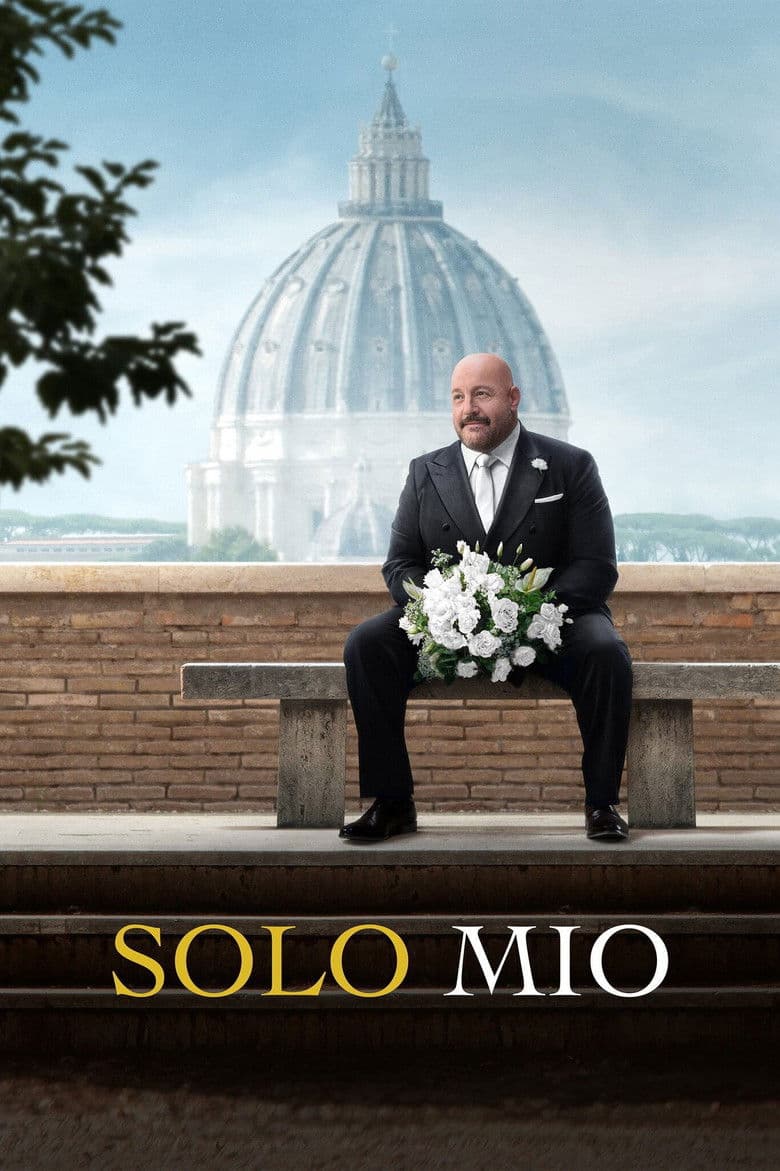
Movie · 2026
After Matt's dreams of a picturesque Italian wedding are shattered when his fiancée leaves him at the altar, he embarks on his planned honeymoon across Italy alone, immersing…

Movie · 2017
Fourteen years after the events of the original film, a series of encounters between people in Britain reminds us that in these different times Love, actually exists.

Movie · 2024
When a young widow's magic scarf brings a dashing snowman to life, can he help her rediscover romance, laughter and holiday cheer before he melts away?

Movie · 2022
An engaged, spoiled hotel heiress finds herself in the care of a handsome, blue-collar lodge owner and his precocious daughter after getting amnesia in a skiing accident.

Movie · 2019
Following a group of friends from university as they progress into middle-age life and go their own separate ways.

Movie · 2019
Kat is an aspiring singer-songwriter who dreams of making it big. However, her dreams are stalled by her reality: a conniving and cruel stepfamily and a demoralizing job working…
