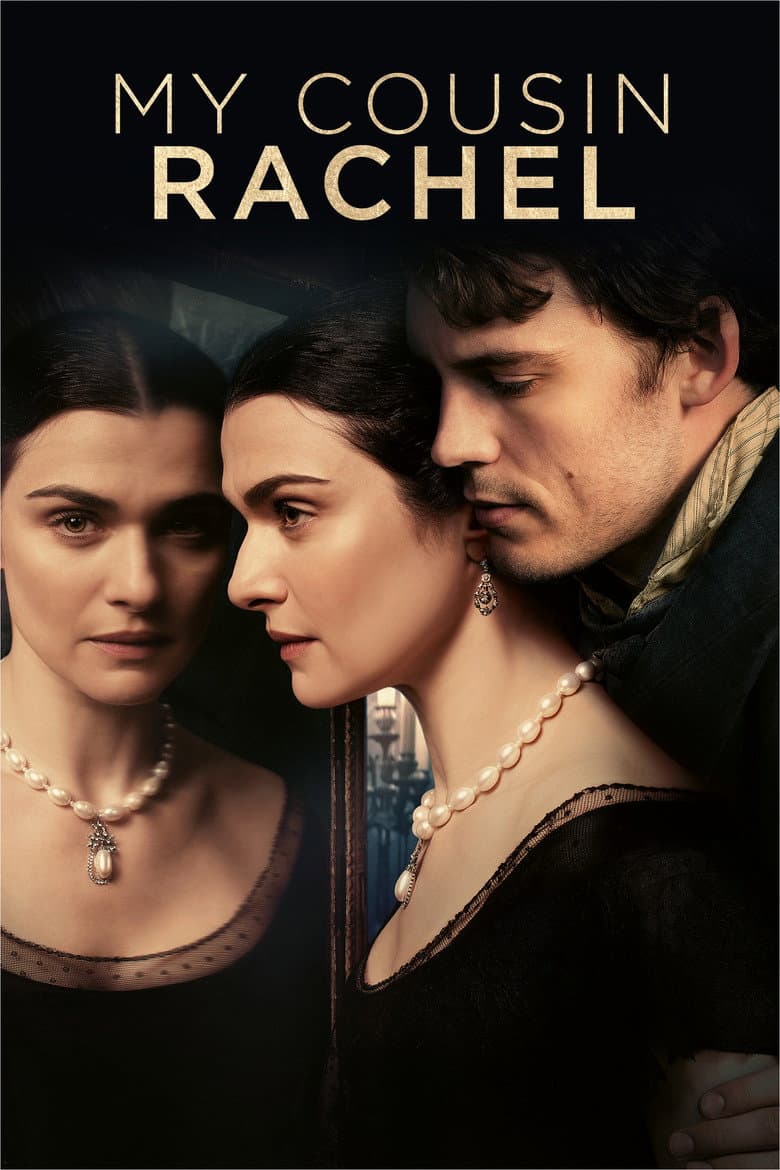
Philip Ashley is a young English heir living on a large estate in nineteenth-century Cornwall. He believes his guardian, Ambrose, was poisoned by Ambrose's widow, Rachel, so he plans revenge when she returns from Italy. Rachel's charm changes his plan, and he falls for the woman he once blamed. The film uses a slow, dark, and uncertain tone as Philip tries to decide whether Rachel is a killer or a misunderstood widow.
The story gives Rachel strong control over her money, sexuality, and choices in a world run by men. Philip often acts jealous, possessive, and violent, while Rachel resists his wish to own her through marriage and wealth. The film also treats her as a woman who can teach Italian, manage property, and live outside normal marriage rules. These ideas shape the central romance and mystery, but the film keeps her guilt unclear instead of turning the story into a direct political speech.
Community feedback
Was our 50% Woke rating accurate?
Breakdown
These are the editorial factors and ratings behind our score for My Cousin Rachel.
Woke representation / casting
Not present. The British and Italian cast fits the film’s period setting. Rainaldi’s brief gay reveal is a plot clue, not a diversity-first casting pattern.
0%
Woke political dialogue
Philip says only spinsters teach and widows should remarry or sell their wedding rings. Philip also mocks a man by saying he scythes like a girl. Rachel asks why women should suffer in childbirth and demands a life of her own. These lines recur across the romance and support the film’s gender message.
38%
Identity-driven story themes
Rachel’s wish for freedom and control of her own life shapes the main romance and mystery. The film treats her sexuality, money, and choices as sources of power. Philip often treats her as a possession and becomes jealous and violent when she resists him. The story gives Rachel power while keeping her motives unclear, so the message is strong but mixed.
52%
Western institutional / cultural critique
The estate and marriage rules limit Rachel because men control money and property. Philip’s possessive behavior exposes male entitlement, including his attack on Rachel. Rachel’s wish to teach, manage money, and choose her own life pushes against traditional gender roles. The film criticizes those rules but does not attack religion or Western institutions in a broad way.
37%
Woke character or canon changes
Michell said he exaggerated the book’s feminist elements in the film. The film makes Rachel more openly independent and more willing to discuss sexual freedom. The film also makes Rainaldi’s attraction to men a clear clue about his bond with Rachel. These changes affect the main character and one supporting mystery, while the main plot remains close to the novel.
34%
Anti-woke backlash and complaints
Not present. The separate X pass found no anti-woke reaction, boycott talk, or review-bombing. Wider reviews debated the film’s feminist reading but did not show a clear anti-woke complaint.
0%
Creator track record context
Roger Michell’s work is mainly mainstream literary drama. Daphne du Maurier is known for Gothic fiction, and no activist campaign is tied to the producers or casting director. Michell’s title interview adds a small signal because he says he strengthened Rachel’s independence and sexual freedom.
13%
Production
Movie · 2016
Lou Clark, a directionless 26-year-old from the English countryside, takes a job at the local castle as a caregiver and companion to a wealthy young banker, Will Traynor.
Movie · 2016
In 1958, in the state of Virginia, the idea of interracial marriage was not only considered to be immoral to many, it was also illegal.

Movie · 2016
Set during the last days of the Ottoman Empire, a love triangle develops between Mikael, a brilliant medical student, the beautiful and sophisticated artist Ana, and Chris, a…

Movie · 2025
Two artistic souls find harmony through music despite their contrasting worlds. As feelings deepen, age and circumstances challenge their undeniable bond.

Movie · 2018
Katie, a 17-year-old, has been sheltered since childhood and confined to her house during the day by a rare disease that makes even the smallest amount of sunlight deadly.
Movie · 2025
Based on a true story, two down-on-their-luck musicians form a joyous Neil Diamond tribute band, proving it's never too late to find love and follow your dreams.
Movie · 2016
Canadian folk artist Maud Lewis falls in love with a fishmonger while working for him as a live-in housekeeper.
Movie · 2020
When a young woman meets an aspiring saxophonist in her father’s record shop in 1950s Harlem, their love ignites a sweeping romance that transcends changing times, geography, and…
