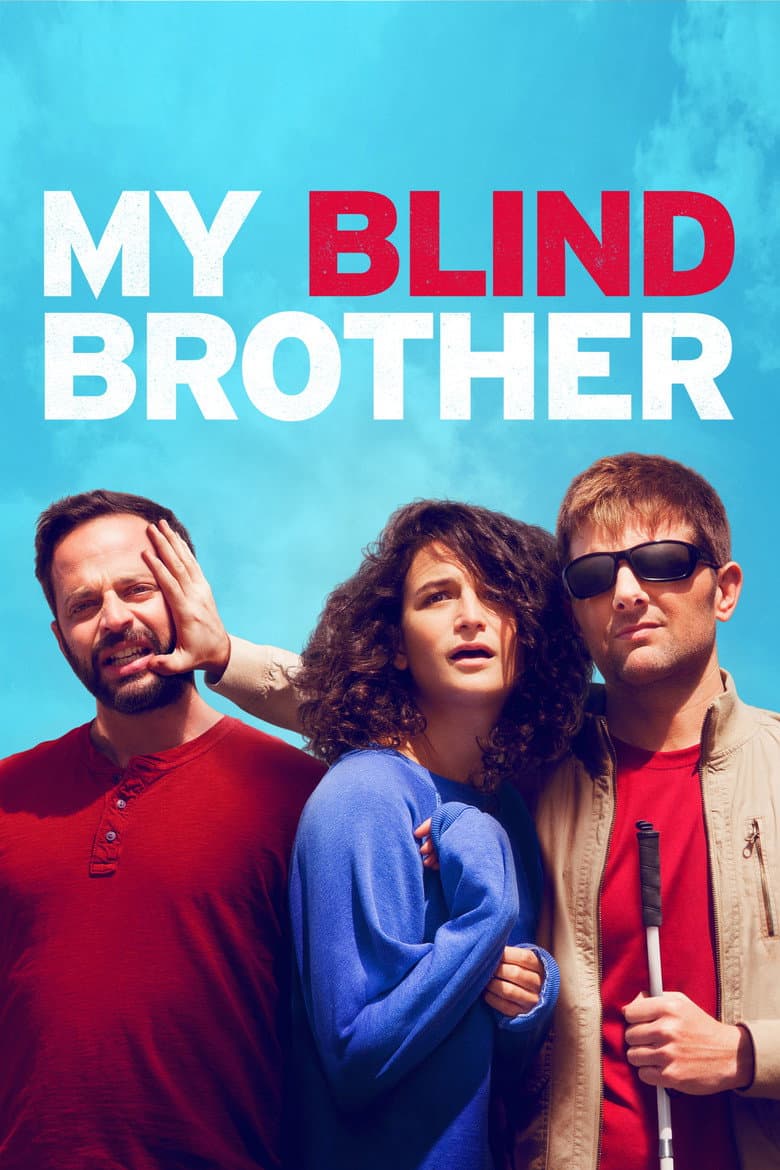
My Blind Brother is a dark comedy and romance about two adult brothers in a small American town. Robbie became blind after a childhood accident involving Bill, and he becomes a proud long-distance athlete who draws praise at races and charity events. Bill guides Robbie through each challenge, but Bill feels trapped in Robbie's shadow and works a dull job. Their bond breaks open when both men fall for Rose, a troubled woman who feels guilty about her former boyfriend's death and wants to become a better person.
Blindness is a major part of the story because it shapes Robbie's public image, his family life, and the brothers' jealousy. The film questions the habit of treating disabled people as heroes or helpless children, while it also lets Robbie be vain, selfish, and cruel. Rose often dates Robbie because she wants to feel forgiven, and Francie calls out Rose for talking down to him. One short joke mocks the idea that being a white American man is hard, and Robbie calls a safety ban on his swim discrimination. These identity and disability points stay tied to guilt, pity, dishonesty, and family duty instead of becoming a broad political campaign.
Community feedback
Was our 38% Woke rating accurate?
Breakdown
These are the editorial factors and ratings behind our score for My Blind Brother.
Woke representation / casting
Not present. The main cast is mostly white, and the film does not present its casting as a diversity statement. The blind lead is played by Adam Scott, but the story does not use that choice to make a message about identity.
0%
Woke political dialogue
The film contains a brief joke about the hardship of being a white American man. Robbie later says he could sue over discrimination when officials stop his dangerous swim. He also suggests getting the community behind a petition. These lines bring race, disability rights, and activist-style action into the dialogue, but they appear in a few comic scenes rather than across the whole film.
30%
Identity-driven story themes
Blindness drives the main conflict, the romance, and the public events. The film shows strangers, family, and Rose treating Robbie as a hero or a person to rescue. The story pushes back by making Robbie vain, selfish, and cruel. The film returns to pity, charity, disability, and the burden placed on Bill from beginning to end. This is a strong identity-focused theme, but it is personal and comic rather than a broad activist program.
44%
Western institutional / cultural critique
The film questions the charity culture that turns Robbie into a public hero. It shows family, reporters, and strangers praising him while ignoring Bill's work. It also shows officials blocking his swim for safety, which Robbie calls discrimination. The film does not attack capitalism, religion, men, or Western institutions in a broad way.
24%
Woke character or canon changes
Not relevant. The feature expands Goodhart's own short and adds Rose's story, but those are ordinary plot changes. The film does not alter an established character's race, gender, sexuality, or identity.
0%
Anti-woke backlash and complaints
Not present. The supplied X pass found no reaction, and broader searches found no claims that the film pushes woke, DEI, or identity politics. Audience comments focused on the sighted actor and the handling of blindness, not on woke themes.
0%
Creator track record context
Sophie Goodhart has a Woke score of 23/100. Her known work and public record show no strong activist or identity-driven focus. Her title interviews focus on her sister's MS, jealousy, pity, charity, and how society treats disabled people. That gives the film a mild creator-context signal, not a strong activist pattern.
23%
Production
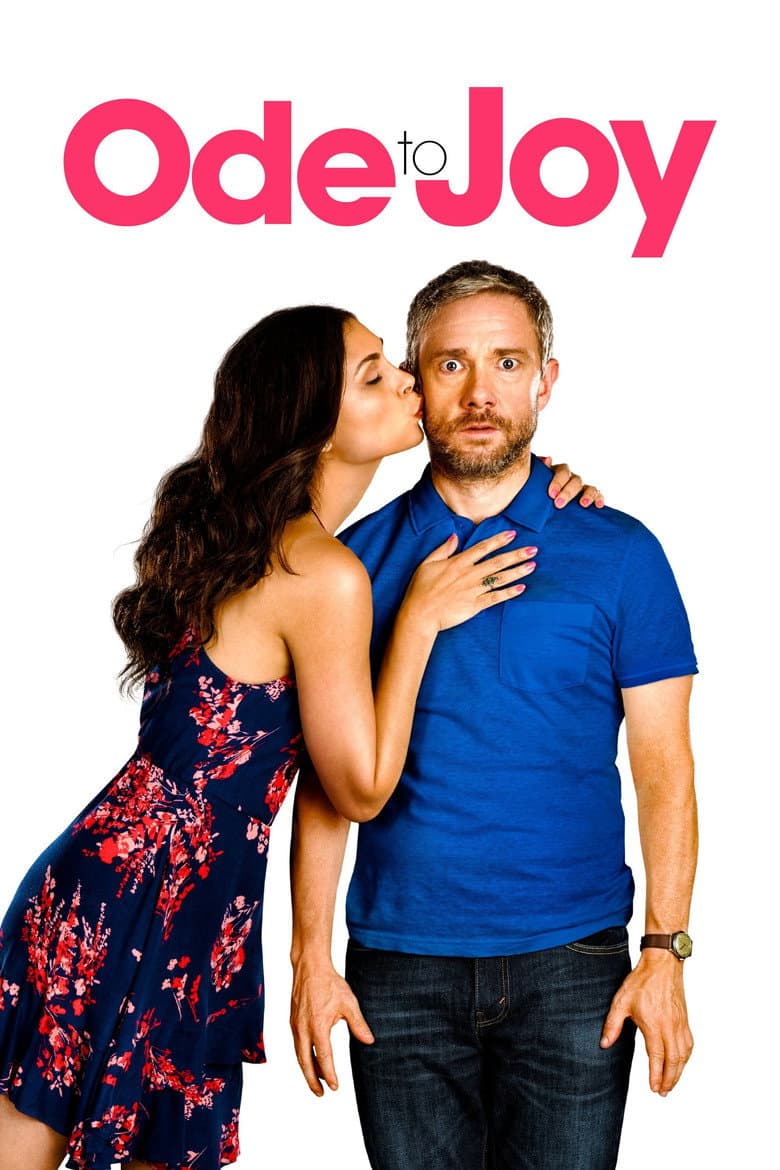
Movie · 2019
Charlie suffers from a serious disease that causes acute narcolepsy whenever he is happy. Although he develops a variety of techniques to deny himself pleasure and deal with his…
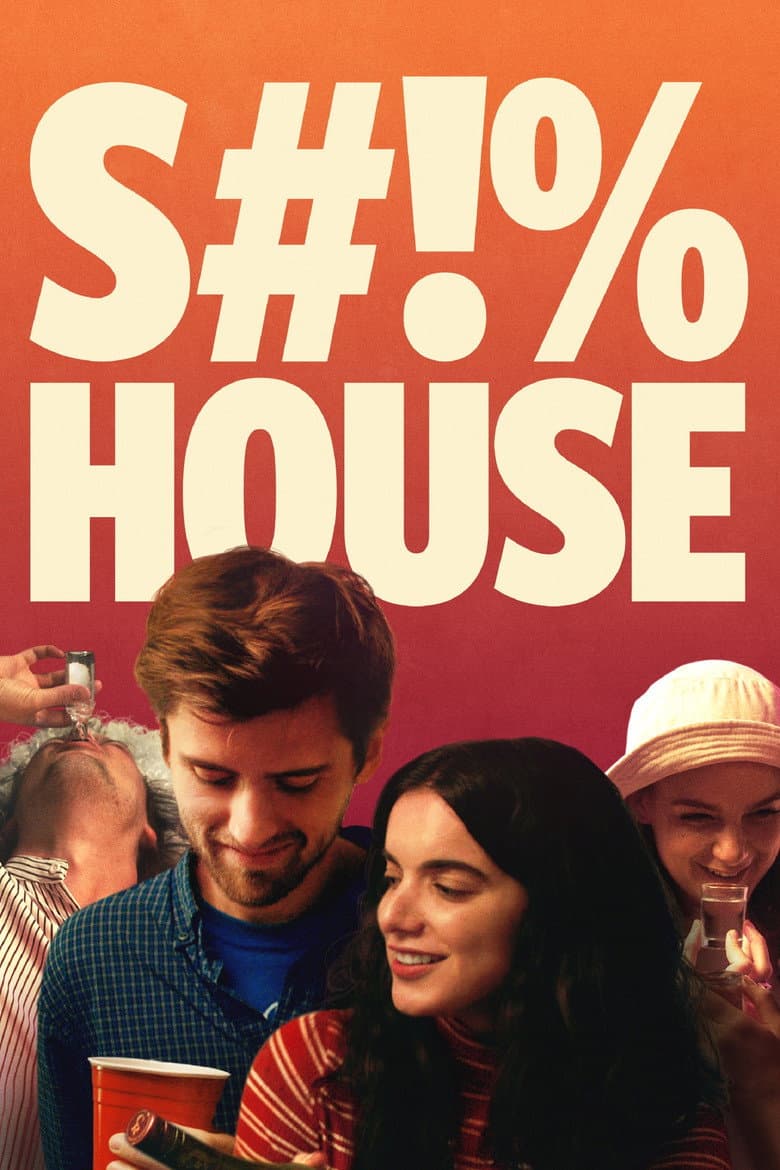
Movie · 2020
Lonely college freshman Alex has closed himself off from his peers, who all appear to have this whole "college thing" figured out.
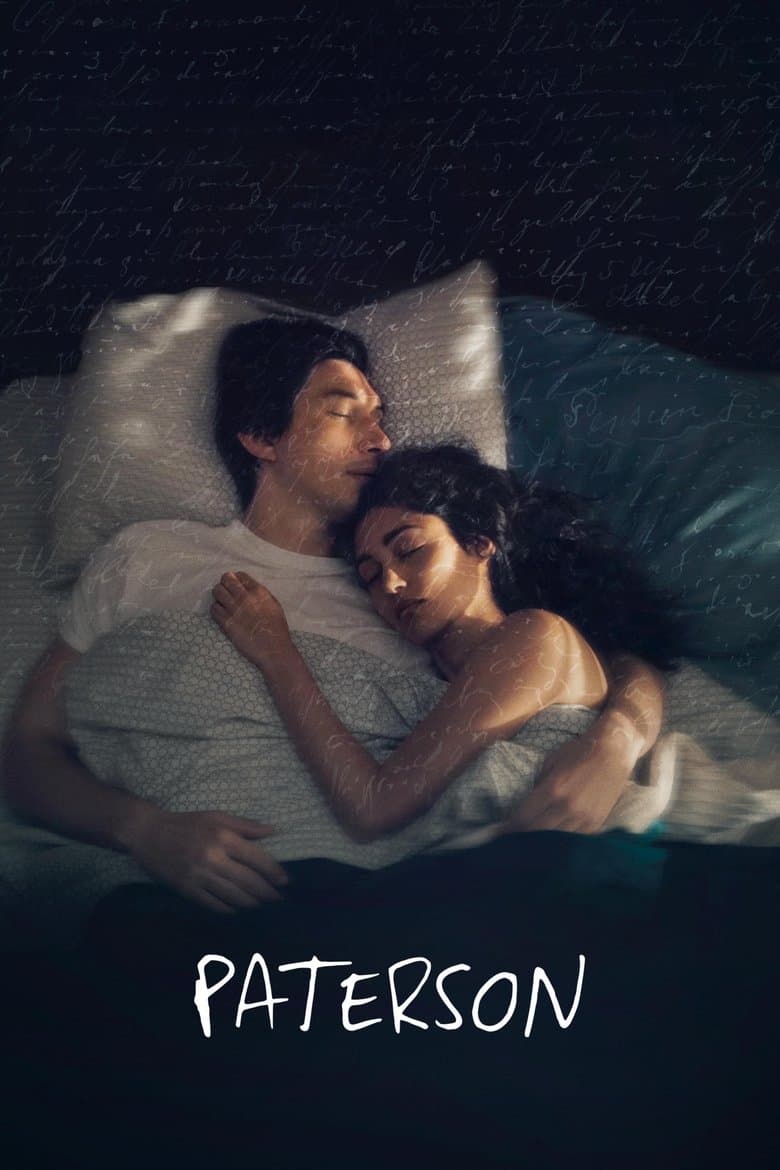
Movie · 2016
A week in the life of Paterson, a poet bus driver, and his wife Laura, a very creative artist, who live in Paterson, New Jersey, hometown of many famous poets and artists.
Movie · 2021
Resolving to achieve professional success without compromising her ethics, Lucy embarks on a ruthless game of one-upmanship against cold and efficient nemesis Joshua, a rivalry…
Movie · 2022
Divorced couple Georgia and David find themselves on a shared mission: they team up and travel to Bali to stop their daughter Lily from making the same mistake they once made 25…
Movie · 2016
A young woman struggles to move on with her life after the death of her husband, an acclaimed folk singer, when a brash New York writer forces her to confront her loss and the…
Movie · 2021
Troubled teen Will Hawkins has a run-in with the law that puts him at an important crossroad: go to juvenile detention or attend a Christian summer camp.
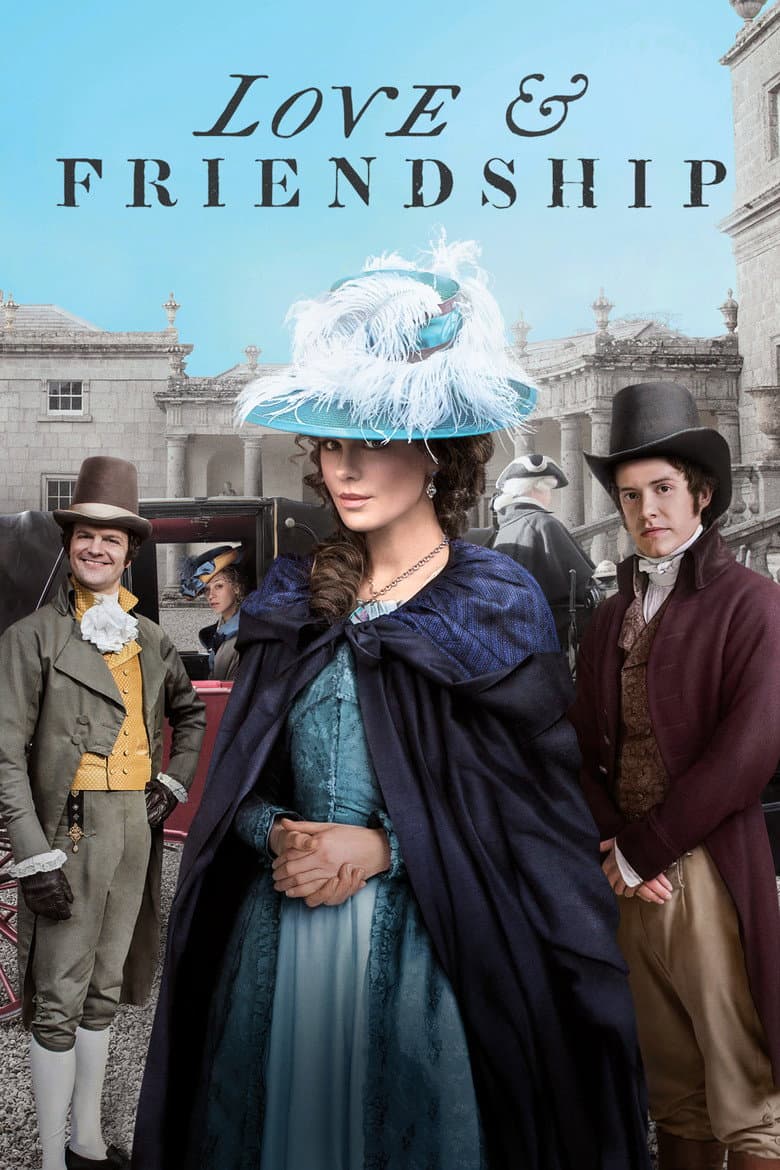
Movie · 2016
From Jane Austen’s novella, the beautiful and cunning Lady Susan Vernon visits the estate of her in-laws to wait out colorful rumors of her dalliances and to find husbands for…
