Movie review
April 4, 2019 · 94 min · PG · Kids · Animation · Comedy · Action · Adventure · Family
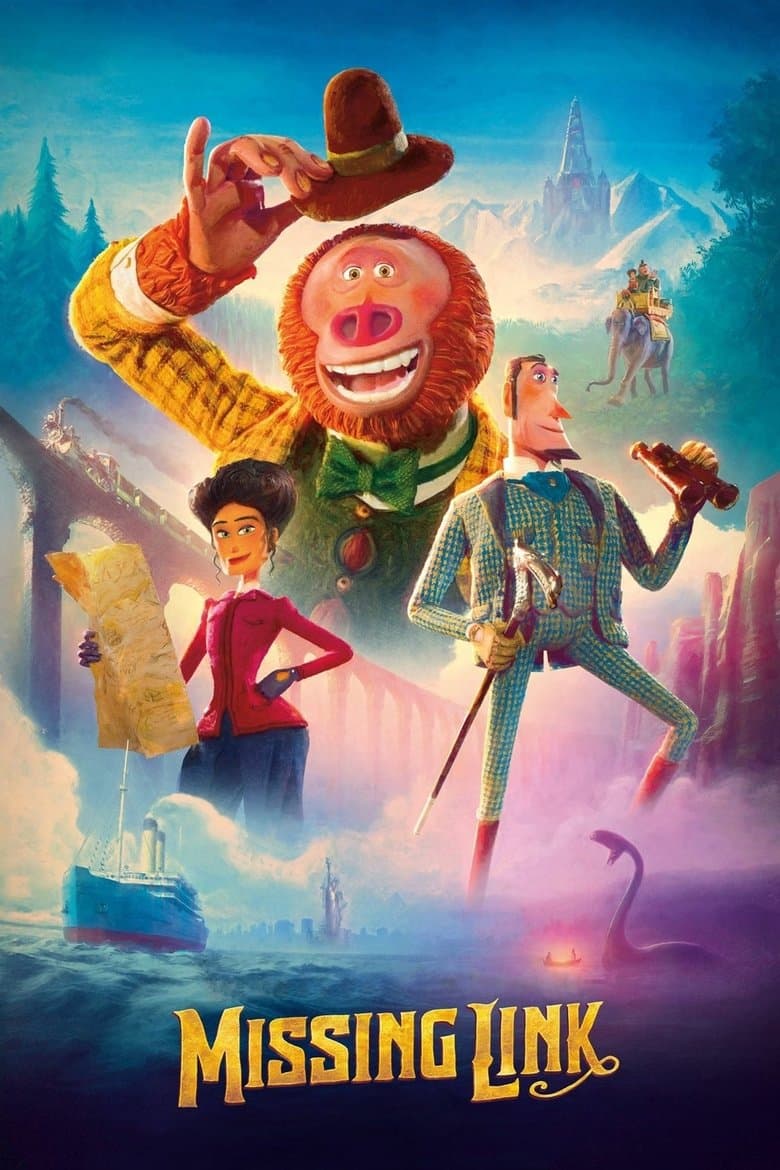
Set in 1886, the movie follows Sir Lionel Frost, a proud British explorer who hunts monsters and wants to join a famous explorers' club. He finds a lonely, talking Sasquatch in the Pacific Northwest, and the creature asks him to travel to the Himalayas to find the Yetis. Adelina Fortnight, a tough widow and adventurer, joins them with the map they need. The trip becomes a bright, silly chase story about danger, friendship, and finding a place to belong.
The movie gives Adelina a major heroic role instead of making her only a love interest, and it shows her speaking Spanish. The film also makes choosing your own identity a clear theme when Link chooses the name Susan and when the travelers learn that family is not always the group they hoped would accept them. A proud club of rich Victorian men is mocked for its empire talk and for treating women and creatures as lesser. These ideas recur through the adventure, but the film does not turn them into modern political speeches or a queer story.
Community feedback
Was our 40% Woke rating accurate?
Breakdown
These are the editorial factors and ratings behind our score for Missing Link.
Woke representation / casting
Adelina Fortnight is a major adventurer who speaks Spanish and is presented as a Latina woman from Santa Ana. The film makes her brave, capable, and independent instead of only a love interest. The director said he wanted Adelina to be Latina and to have her own story, and coverage framed the choice as cultural diversity and a strong female role. The other main roles are white men or mythical creatures, so the identity signal is noticeable but not dominant.
38%
Woke political dialogue
Not present. The characters mention evolution and changing ideas, but they do not use modern activist or identity-politics language. The political jokes stay inside the Victorian adventure story.
0%
Identity-driven story themes
The film makes belonging and choosing who you are part of the main story. Link chooses the name Susan after a kind prospector and keeps it even when Lionel says it is a girl's name. Adelina tells both men to stop seeking approval from groups that reject them. Lionel then chooses friendship over the club. The film does not state that Susan is transgender or make sexuality the subject, so the identity-driven message stays moderate.
39%
Western institutional / cultural critique
The film mocks a Victorian club of rich male explorers that boasts about bringing British manners to other lands. The club rejects evolution and treats women and creatures as lesser than its “great men.” Adelina challenges Lionel's selfish treatment of Link, and Lionel rejects the club's pride to protect Susan. The critique is clear and repeated, but it stays in the historical adventure setting and does not attack modern capitalism, Christianity, or present-day conservatives.
26%
Woke character or canon changes
Not relevant. The film creates its own characters and plot around Bigfoot legends. It does not rewrite a known character or real historical event to add an identity message.
0%
Anti-woke backlash and complaints
One Christian review raised a minor concern that Link's chosen name Susan could be read as a transgender joke. The review called it a political jab, but it did not describe a large protest, boycott, or news fight. The supplied X search found no anti-woke reaction, so the complaint evidence is isolated and weak.
7%
Creator track record context
Chris Butler has a cached score of 41 and is openly gay. His earlier ParaNorman included a gay character and received GLAAD recognition. Butler also said this film is about choosing your own identity and that children's entertainment should challenge old limits. Arianne Sutner has a cached score of 22 because of LGBTQ award and animation pipeline diversity work, while Travis Knight, Ovi Nedelcu, and Allison Jones have lower cached scores. This gives the wider team a mild creator track record signal.
29%
Production
Movie · 2025
When a faithful police dog and his human police officer owner are injured together on the job, a harebrained but life-saving surgery fuses the two of them together and Dog Man is…

Movie · 2016
While Po and his father are visiting a secret panda village, an evil spirit threatens all of China, forcing Po to form a ragtag army to fight back.

Movie · 2023
After a migrating duck family alights on their pond with thrilling tales of far-flung places, the Mallard family embarks on a family road trip, from New England, to New York City…
Movie · 2016
When a radio falls from the sky into the hands of a wide-eyed Tibetan Mastiff, he leaves home to fulfill his dream of becoming a musician, setting into motion a series of…
Movie · 2018
A friendship with a top-secret robot turns a lonely girl's life into a thrilling adventure as they take on bullies, evil bots and a scheming madman.
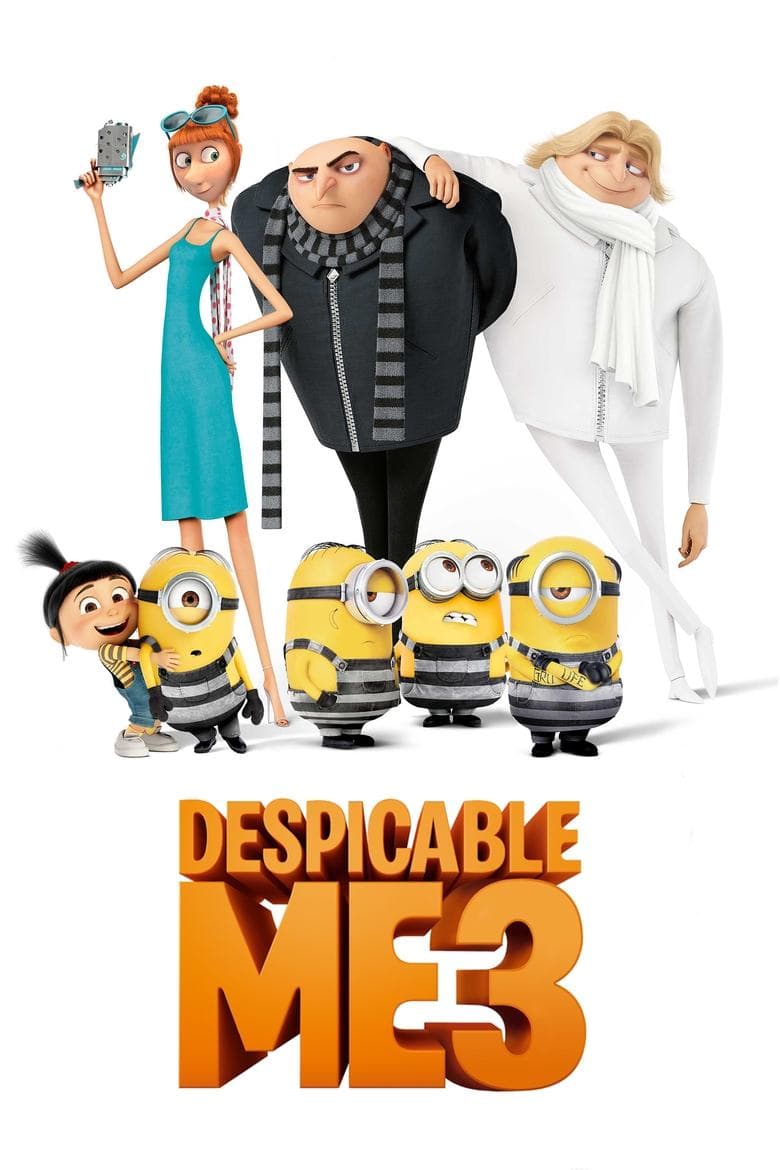
Movie · 2017
Gru and his wife Lucy must stop former '80s child star Balthazar Bratt from achieving world domination.

Movie · 2019
Max the terrier must cope with some major life changes when his owner gets married and has a baby. When the family takes a trip to the countryside, nervous Max has numerous…
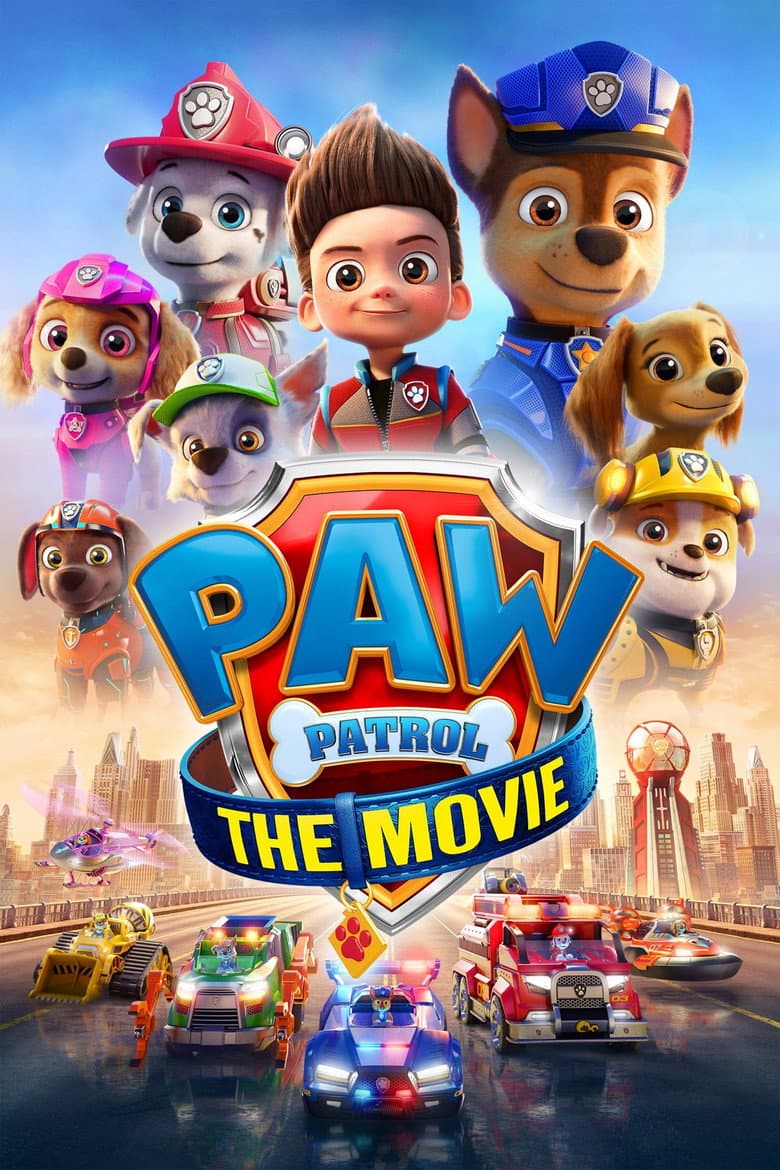
Movie · 2021
Ryder and the pups are called to Adventure City to stop Mayor Humdinger from turning the bustling metropolis into a state of chaos.
