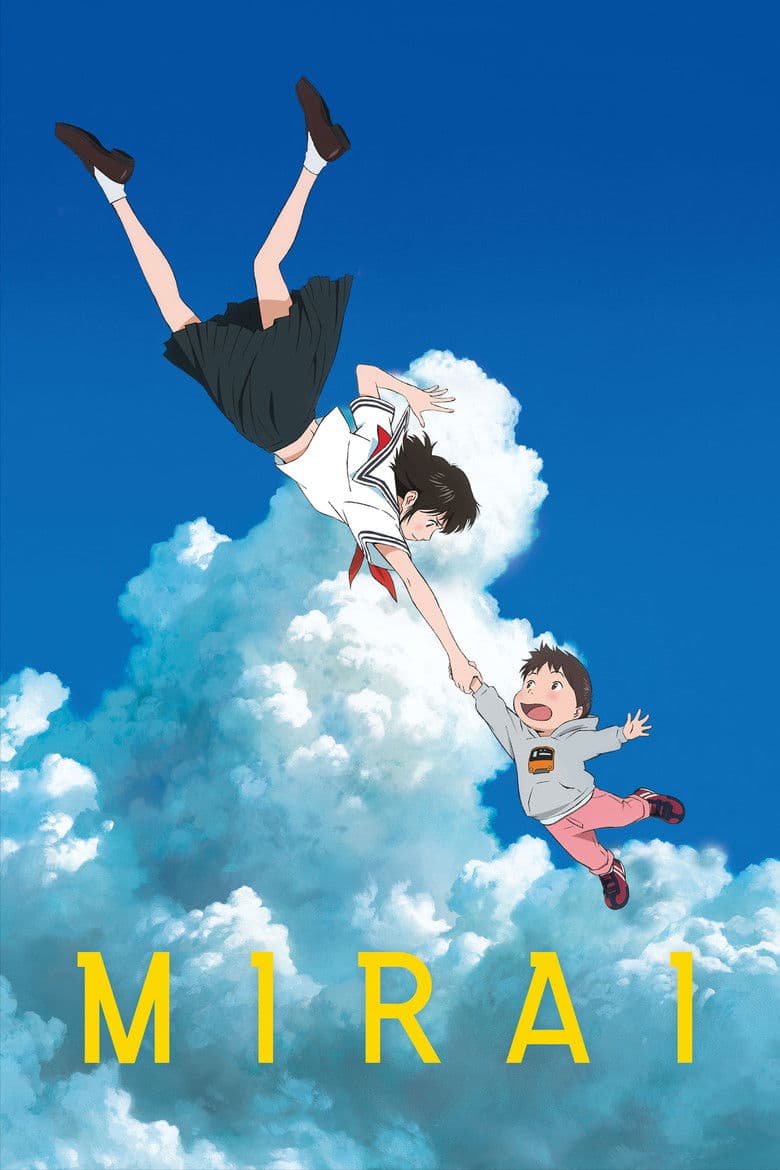
Movie review
July 20, 2018 · 98 min · PG · Japanese · Kids · Fantasy · Animation · Adventure · Family · Drama
Mirai follows Kun, a four-year-old boy who lives with his parents, baby sister, and dog in a modern home in Yokohama. Kun feels pushed aside when baby Mirai receives most of the family’s care and attention. A magical garden sends him through family memories and future moments, where he meets younger and older versions of his relatives. These strange trips help Kun face his anger, understand his family, and accept his place as a big brother. The tone stays warm and playful, although the train station journey becomes scary.
The clearest identity-driven element is the family’s reversal of common gender roles. Kun’s mother returns to her job while his father works from home, handles the house, and struggles with childcare, and the story treats shared duties as a good change. The film also gives future Mirai an active guiding role and asks how family roles shape a person’s identity. These ideas appear in several family scenes, but the main message stays focused on jealousy, growing up, memory, love, and belonging rather than politics.
Community feedback
Was our 33% Woke rating accurate?
Breakdown
These are the editorial factors and ratings behind our score for Mirai.
Woke representation / casting
The Japanese voice cast fits a Japanese family in Yokohama. The mother is shown as a working executive while the father becomes the main home caregiver. That is a noticeable gender-role reversal in a prominent family story. The film does not build a broad diversity message through its cast.
18%
Woke political dialogue
The film includes short talks about the mother returning to work and the father taking care of the house. The mother says she loves her job but still wants time to raise her children. These talks support shared family duties, but the film does not give a political speech.
18%
Identity-driven story themes
The film repeatedly shows a working mother and a stay-at-home father. The parents are loving but imperfect, and Kun learns that care and family duties do not belong to only one gender. The film gives future Mirai an active role in guiding Kun and makes family identity part of his final change. These ideas matter across the family scenes, but the main plot remains about sibling jealousy, memory, and growing up.
34%
Western institutional / cultural critique
The film gently questions traditional gender roles inside a modern family. The mother works outside the home while the father handles childcare and learns that housework is difficult. The parents argue about those duties, but the story does not attack Christianity, capitalism, or Western institutions.
24%
Woke character or canon changes
Not relevant. Mirai is an original story, so it does not change an established character, franchise, or real historical figure.
0%
Anti-woke backlash and complaints
One anonymous X poster called Mirai “feminist tripe” and said it was a flop. The post received zero likes and no follow-up. Broader news and audience coverage did not show a lasting anti-woke campaign.
5%
Creator track record context
Hosoda has a mild progressive track record. He has spoken about women becoming stronger in a man’s society and about breaking old gender roles in family life. The other cached key creators are mainly craft or business figures with little public activist context.
21%
Production

Movie · 2025
Charles Dickens tells his young son Walter the greatest story ever told, and what begins as a bedtime tale becomes a life-changing journey.

Movie · 2019
It's been ten years since the dragons moved to the Hidden World, and even though Toothless doesn't live in New Berk anymore, Hiccup continues the holiday traditions he once shared…

Movie · 2019
Simba idolizes his father, King Mufasa, and takes to heart his own royal destiny. But not everyone in the kingdom celebrates the new cub's arrival.

Movie · 2022
The unlikely friendship of a boy, a mole, a fox and a horse traveling together in the boy's search for home.
Movie · 2024
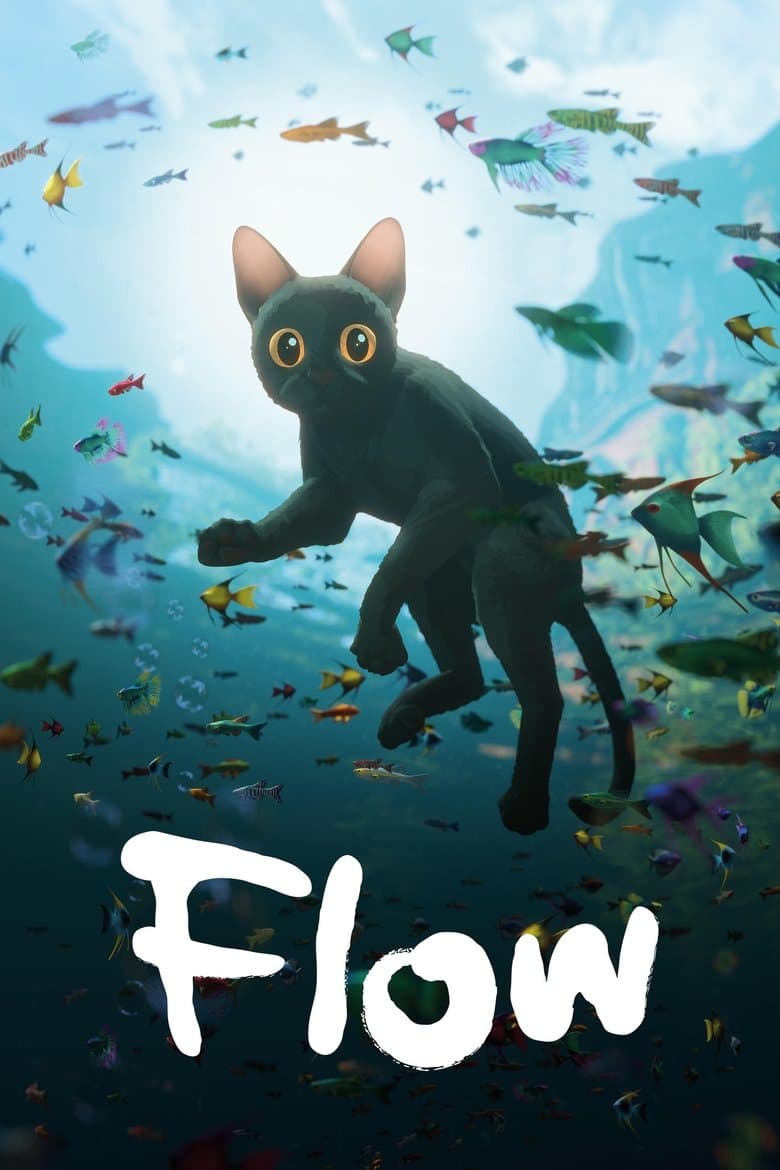
A solitary cat, displaced by a great flood, finds refuge on a boat with various species and must navigate the challenges of adapting to a transformed world together.
Movie · 2024
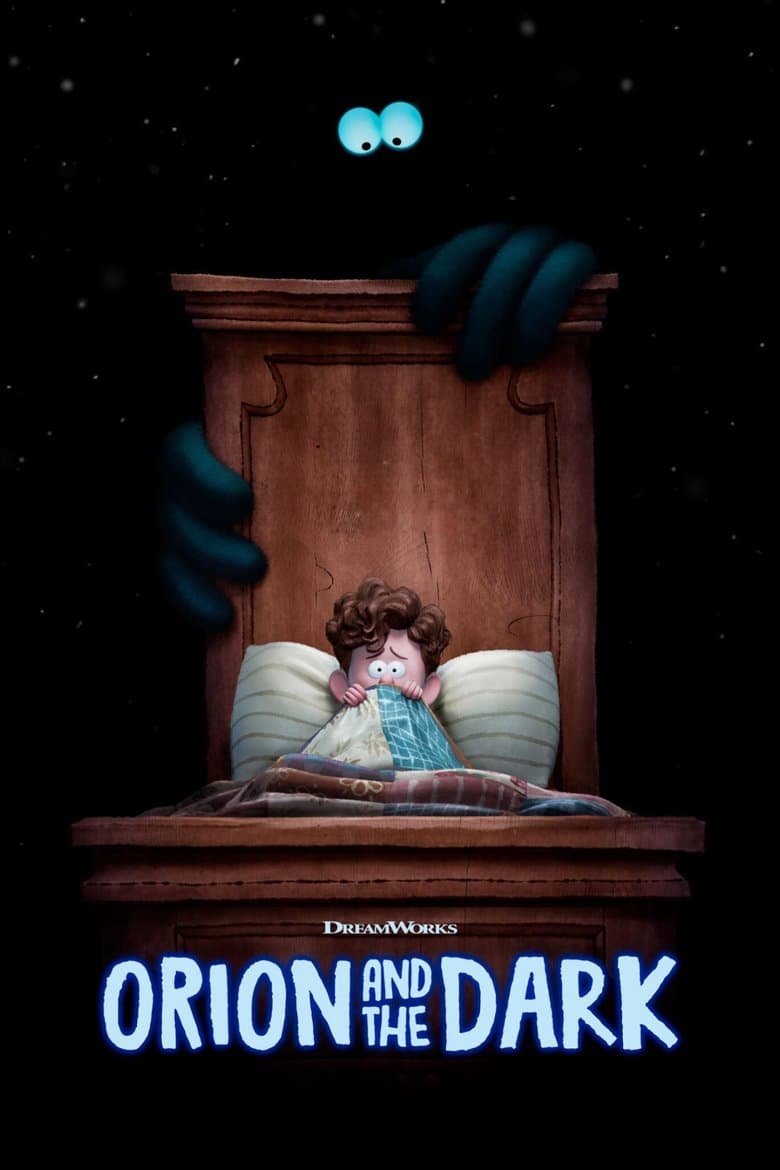
A boy with an active imagination faces his fears on an unforgettable journey through the night with his new friend: a giant, smiling creature named Dark.

Movie · 2019
A young girl named June with a big imagination makes an incredible discovery -- the amusement park of her dreams has come to life.

Movie · 2019
A dog finds the meaning of his own existence through the lives of the humans he meets.
