Movie review
July 23, 2021 · 99 min · R · Crime · Mystery · Action · Thriller
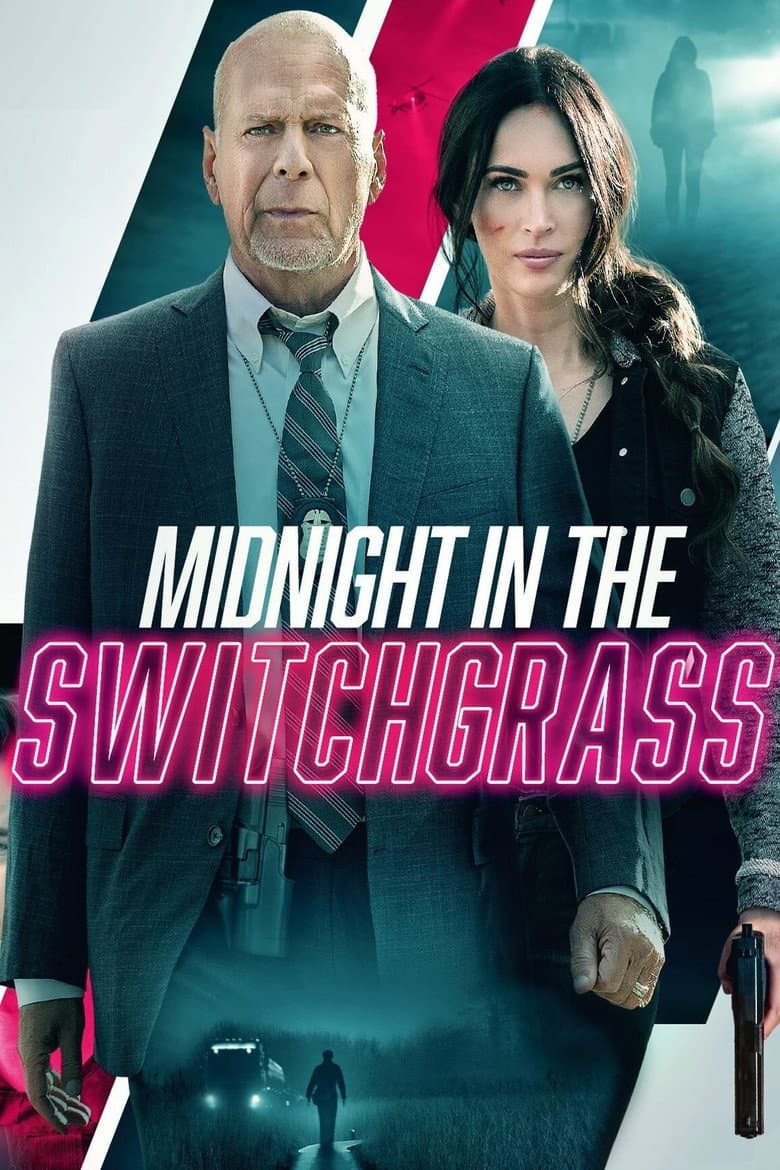
Midnight in the Switchgrass follows Florida cop Byron Crawford as he studies a string of murders near Pensacola. FBI agents Rebecca Lombardo and Karl Helter are working undercover against men who target young women. The cases join when Rebecca and Byron trace the crimes to Peter Hillborough, a truck driver who hides a violent life behind his family home. The movie has a bleak, tense, and grimy crime-thriller tone, with heavy violence and scenes of captivity.
Rebecca is shown as a tough agent who fights back, takes risks, and later faces the killer alone. Byron is a religious family man who feels guilty that nobody has protected the missing women. The women help one another during captivity, and the story says that poor choices, addiction, or sex work do not make a person less human. The movie gives this female solidarity and concern for ignored victims a clear place in the rescue story, but the main shape remains a standard serial-killer thriller.
Community feedback
Was our 41% Woke rating accurate?
Breakdown
These are the editorial factors and ratings behind our score for Midnight in the Switchgrass.
Woke representation / casting
Rebecca leads the FBI side of the case, and the movie presents her as a tough fighter who takes risks and saves herself from the killer. The women help one another during captivity, which gives female strength and sisterhood a repeated place in the story. Director and cast interviews also frame these choices as female unity and an empowered lead. The racial mix is not presented as a diversity message, and no clear setting mismatch appears.
30%
Woke political dialogue
Byron argues that women who have faced addiction or sex work still deserve respect and a chance to recover. The dialogue says that nobody cares about the girls, while the case is pushed aside by officials who do not want to spend more time on it. Rebecca keeps working after her operation loses support because she believes the women are in danger. These ideas are clear but appear in a few short exchanges.
28%
Identity-driven story themes
Rebecca fights back after the killer takes her, and Tracey keeps going while trapped in his shed. The women use trust and encouragement to help each other survive. Byron treats the missing women as people instead of throwaway victims. The story repeats female solidarity and concern for women ignored by society, but the main plot remains a serial-killer chase.
47%
Western institutional / cultural critique
Local officials move Byron off the case even after he links several murders. Federal officials shut down the undercover operation while Rebecca says the girls still need help. The story blames public neglect and low concern for women in prostitution or drug use. The criticism is aimed at failures inside law enforcement, not at Western culture as a whole.
31%
Woke character or canon changes
Not relevant. The movie is a fictional crime story inspired by several cases rather than a franchise with established characters. The move from the real case to Florida is an ordinary story change, and no identity-based change to a known figure is reported.
0%
Anti-woke backlash and complaints
Not present. The separate X research found no anti-woke complaints, boycott, or campaign about the movie. Other public talk focused on poor quality, the short Bruce Willis role, violence, and the premiere dispute.
0%
Creator track record context
The cached profiles give Randall Emmett 3/100, Alan Horsnail 0/100, and the listed producers low scores with no clear activist record. Emmett uses social justice and female empowerment language when discussing this movie. Emmett and Carmichael also describe the story as giving ignored women a voice and building female unity. The title-specific framing adds a small signal, but the wider creator record is commercial and apolitical.
8%
Production
Movie · 2023
After a pawn shop robbery goes askew, two criminals take refuge at a remote farmhouse to try to let the heat die down, but find something much more menacing.
Movie · 2020
Marcus and Mike are forced to confront new threats, career changes, and midlife crises as they join the newly created elite team AMMO of the Miami police department to take down…
Movie · 2020
Kyle and Swin live by the orders of an Arkansas-based drug kingpin named Frog, whom they've never met. But when a deal goes horribly wrong, the consequences are deadly.
Movie · 2024
A contract killer, after being diagnosed with a fast-moving form of dementia, is presented with the opportunity to redeem himself by saving the life of his estranged adult son.
Movie · 2017
Quan is a humble London businessman whose long-buried past erupts in a revenge-fueled vendetta when the only person left for him to love – his teenage daughter – dies in an Irish…
Movie · 2026
Trust frays when a team of Miami cops discovers millions in cash inside a run-down stash house, calling everyone — and everything — into question.

Movie · 2025
Taking place during the events of John Wick: Chapter 3 – Parabellum, Eve Macarro begins her training in the assassin traditions of the Ruska Roma.
Movie · 2020
A reformed hunter becomes involved in a deadly game of cat and mouse when he and the local sheriff set out to track a vicious killer who may have kidnapped his daughter years ago.
