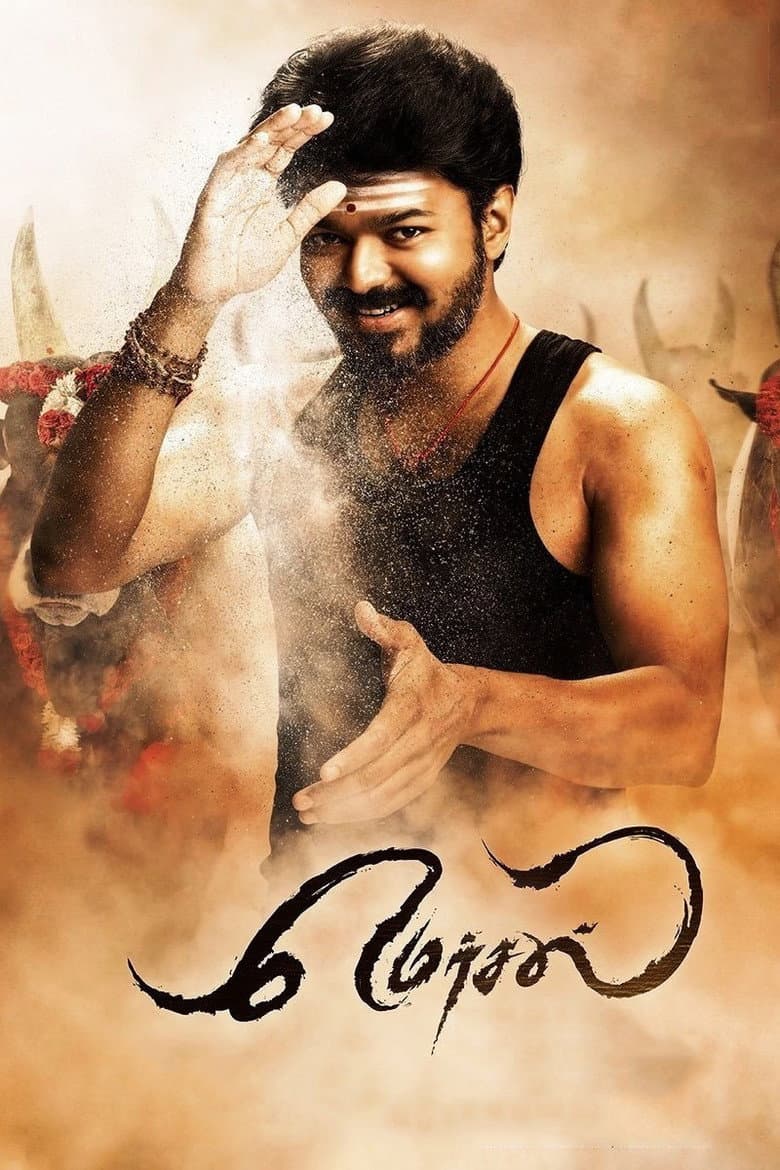
Mersal is a Tamil action thriller set across Chennai, Madurai, Paris, and a village in the 1970s. Police arrest Dr. Maaran after medical workers are killed or taken, but the case leads to his lookalike brother Vetri and their father Vetrimaaran. Maaran is a doctor who charges five rupees, while Vetri uses magic and violence to punish corrupt doctors. The film mixes revenge, family tragedy, romance, comedy, songs, and large action scenes.
The film gives a clear social message about medical care. Maaran says ordinary people should get cheap treatment, and the story attacks doctors who treat illness as a business. A long speech compares India's GST and public hospitals with Singapore and mocks Digital India, which gives the film a direct political edge. The three women include a mother, a doctor, and a reporter, but the story still centers on Vijay's three male roles and their revenge.
Community feedback
Was our 48% Woke rating accurate?
Breakdown
These are the editorial factors and ratings behind our score for Mersal.
Woke representation / casting
Not present. The cast uses Indian actors in roles that fit the film's Indian setting. The women include a doctor, a reporter, and a Punjabi wife, but the film does not frame their identities as a diversity message.
0%
Woke political dialogue
The film says ordinary people should receive cheap or free medical care. The film compares India's GST with Singapore's tax and health system in a long speech. Vadivelu's character jokes that Digital India and demonetisation left him without cash. The film also uses Tamil pride lines, so its political message is clear even though it is not about gender or LGBTQ issues.
45%
Identity-driven story themes
The story treats medical care as a public duty instead of a way to make money. The five-rupee doctor serves poor patients, while the villain uses medical treatment to earn more money. The family builds a village hospital, and the story links medical greed to deaths and revenge. The message is a broad health and class concern, not a race, gender, or queer campaign.
30%
Western institutional / cultural critique
Not present. The film attacks corrupt doctors, poor public health, GST, and Digital India in India. The story does not attack Western institutions, Christianity, traditional family life, or men as a group.
0%
Woke character or canon changes
Not relevant. The film's triple-role characters are fictional and are not presented as real historical figures. The story makes no race, gender, or sexuality change to an established character.
0%
Anti-woke backlash and complaints
BJP leaders and other right-leaning critics attacked the film's GST and Digital India lines and asked for cuts. National outlets covered the dispute, and #MersalVsModi trended during the 2017 release. Fact-checking found the Singapore free-health-care claim false and the 28% GST claim incomplete, but the political fight itself was real. Available X evidence shows repeated complaints but no organized boycott, while one later “woke clown” label stayed on a small account. The dispute focused on policy criticism rather than DEI or LGBTQ content.
50%
Creator track record context
Atlee's cached record includes repeated films about healthcare, women, public problems, and political accountability. Atlee also described Mersal as a story about a common man facing a social issue. The other cached writers and producers show little or no record of DEI, queer, or identity-politics work. The creative context is moderate and comes mainly from Atlee's social-message pattern.
40%
Production

Movie · 2008
Batman raises the stakes in his war on crime. With the help of Lt. Jim Gordon and District Attorney Harvey Dent, Batman sets out to dismantle the remaining criminal organizations…
Movie · 2019
After barely surviving a brutal attack by a sadistic serial killer, crime boss Jang Dong-su is left humiliated.
Movie · 2019
Two policemen, one an old-timer, the other his volatile younger partner, find themselves suspended when a video of their strong-arm tactics becomes the media's cause du jour.
Movie · 2019
Dilli, a convicted criminal, is out on parole to meet his daughter. However, a drug bust sets him off on a mission to save the life of police officers.
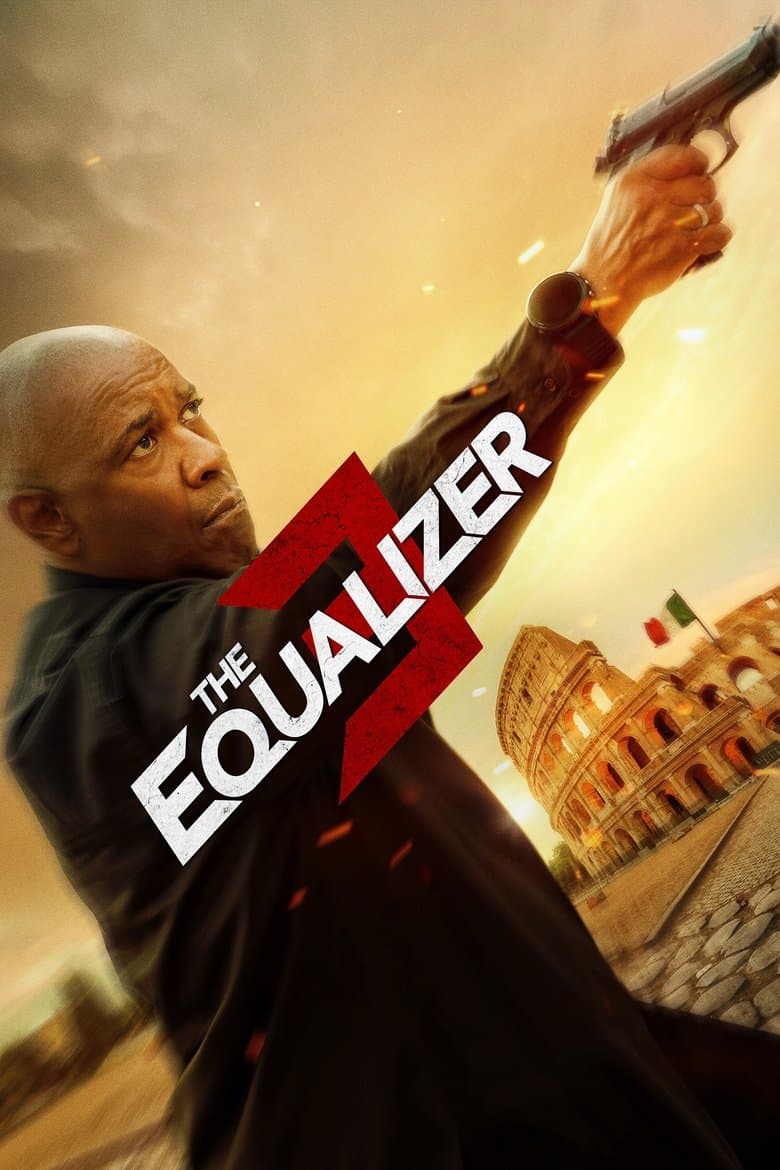
Movie · 2023
Robert McCall finds himself at home in Southern Italy but he discovers his friends are under the control of local crime bosses.
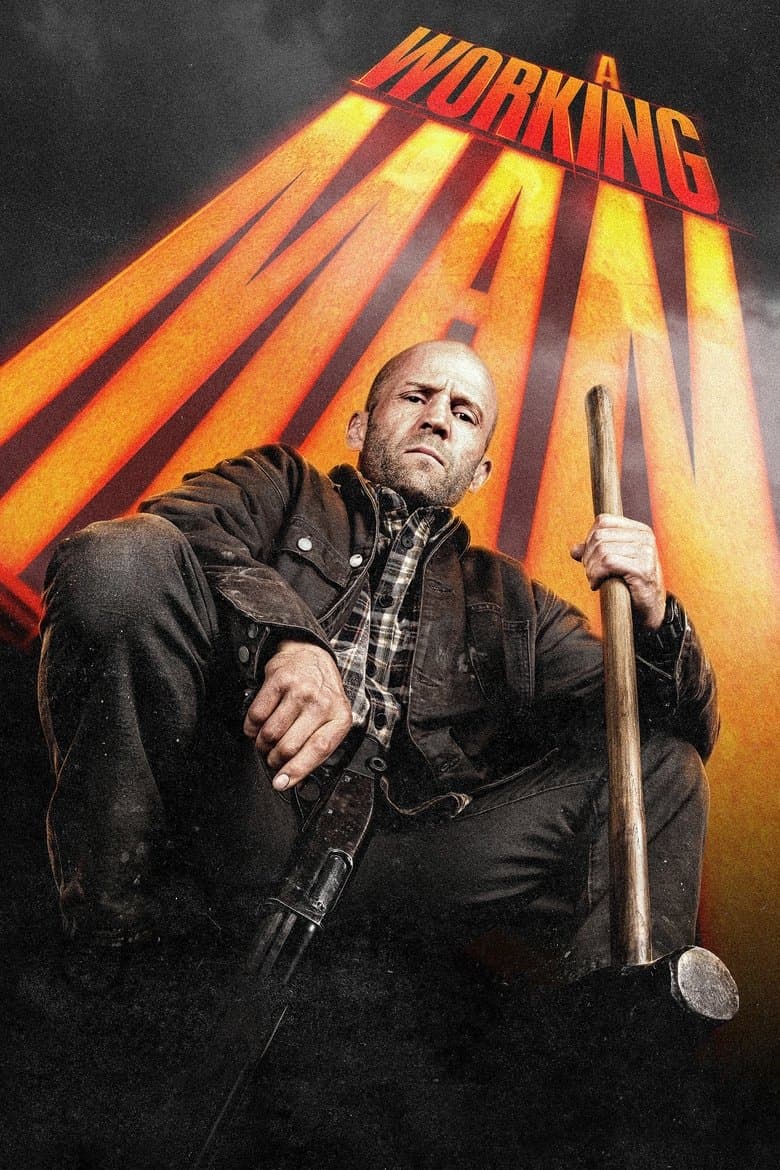
Movie · 2025
Levon Cade left behind a decorated military career in the black ops to live a simple life working construction.

Movie · 2019
While on a prison furlough, a lowly criminal evades his guards and returns to his old stomping ground to take revenge on the people who turned him into a cold blooded killer.
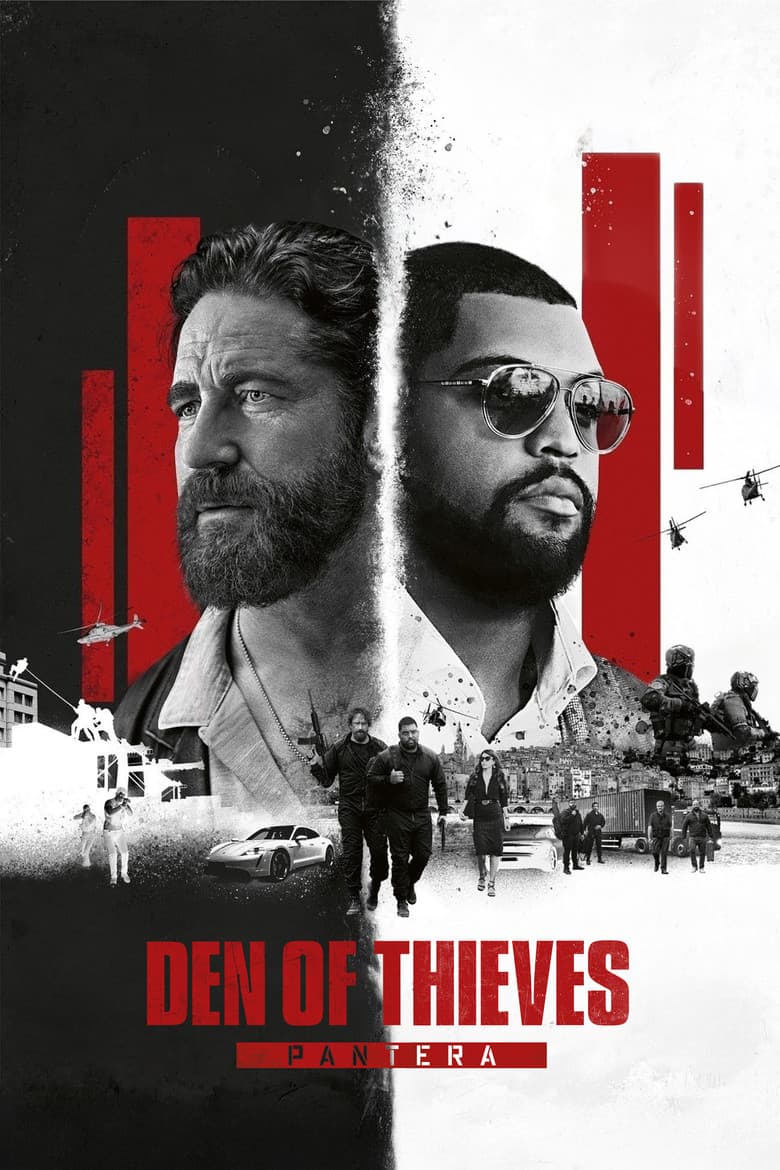
Movie · 2025
Big Nick is back on the hunt in Europe and closing in on Donnie, who is embroiled in the treacherous and unpredictable world of diamond thieves and the infamous Panther mafia, as…
