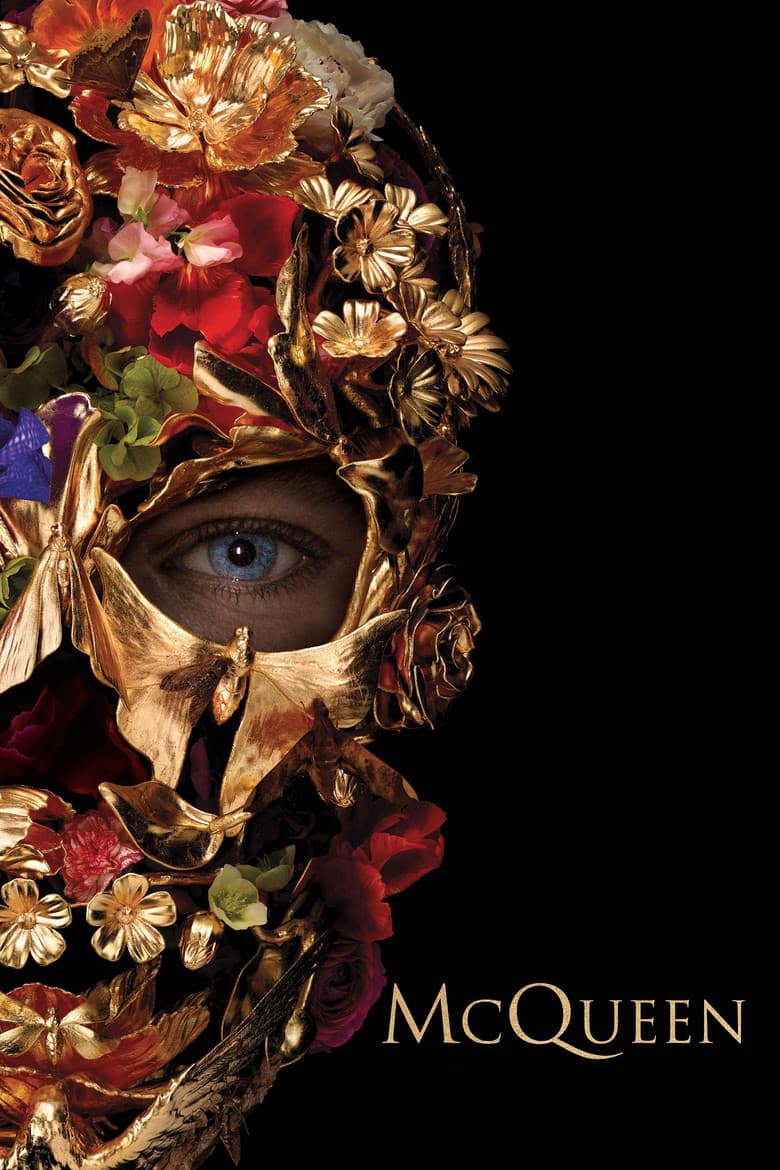
McQueen follows Lee Alexander McQueen, a working-class boy from East London who becomes a famous fashion designer. He starts as a tailor, studies fashion, and rises with help from Isabella Blow and a close group of friends. The film follows his wild runway shows, work at Givenchy, growing fame, family pain, depression, HIV diagnosis, and the deaths of people he loved. The tone is stylish, dark, personal, and sad, with bright clothes set against a tragic life.
The clearest identity element is McQueen’s life as a gay man, shown through male partners, talk of sexuality, and his HIV status. The film also connects some designs with rape, abuse, and his wish to make women look stronger. These points come from his real life and work, rather than from a modern campaign about diversity or politics. The film gives more space to talent, class, pressure, grief, drugs, and his final years than to identity politics. Viewers mainly see a portrait of an unusual artist whose clothes turn fear, anger, desire, and pain into public shows.
Community feedback
Was our 32% Woke rating accurate?
Breakdown
These are the editorial factors and ratings behind our score for McQueen.
Woke representation / casting
Not present. The film uses real interviews, home videos, and runway footage instead of casting a made-up group of characters. The people shown are tied to McQueen’s real life and work, so the film does not present its cast as a diversity statement.
0%
Woke political dialogue
McQueen says he wanted women to look stronger after seeing violence against his sister. He describes fashion as a way to show sexuality and who a person is. The film also includes his claim that historic violence against Scotland still happens in the world today. These lines appear in short personal sections and do not become a repeated political speech.
24%
Identity-driven story themes
The documentary presents McQueen as a gay man and includes male partners, talk of sexuality, and his HIV status. The film connects several designs to rape, abuse, and his wish to make women look stronger. These identity themes help explain his personal life and art. The film gives more time to fashion, class, work pressure, grief, and depression, so identity is important but not the whole subject.
40%
Western institutional / cultural critique
The film shows small fashion brands being turned into global companies and shows McQueen resisting pressure from big fashion houses. It also notes unpaid work, marketing, and the damage caused by nonstop production. These are mild criticisms of corporate fashion and consumer culture. The film does not turn them into a wider attack on Western institutions, capitalism, Christianity, or traditional family life.
12%
Woke character or canon changes
Not relevant. The film is a documentary about a real person and does not change a fictional character, source story, or historical role for identity reasons. Its edits shorten and arrange real events, but they do not swap a race, gender, sexuality, or leadership role.
0%
Anti-woke backlash and complaints
Not present. The separate X research found no anti-woke reaction, and web searches found no clear complaints that this documentary pushes DEI, identity politics, or left-wing messaging. Public reviews and audience posts were mostly positive, while criticism focused on pacing, music, or the limited discussion of McQueen’s private life.
0%
Creator track record context
The two directors have little public record of activist work. Producer Andee Ryder has a stronger public record of trans visibility and support for casting trans actors. Most other producers are linked to ordinary film work, humanitarian subjects, or personal-freedom causes. This creates some identity-related context, but it does not show a broad activist pattern around this film.
22%
Production
Movie · 2024
Christopher Reeve portrayed the Man of Steel in four Superman films and played dozens of other roles that displayed his talent and range as an actor, before being injured in a…
Movie · 2022
The inspirational rise of SpaceX as well as Elon Musk's two-decade effort to resurrect America’s space travel ambitions.
Movie · 2023
His love of film began as an escape from a rocky childhood. From underdog to Hollywood legend, Sylvester Stallone tells his story in this documentary.
Movie · 2022
In candid conversations with actor Jonah Hill, leading psychiatrist Phil Stutz explores his early life experiences and unique, visual model of therapy.
Movie · 2025
Those who knew iconic funnyman John Candy best share his story, in their own words, through never-before-seen archival footage, imagery, and interviews.

Movie · 2019
An Iraqi journalist joins an army of uneasy allies and unforgettable characters in the epic battle to liberate the city of Mosul from the Islamic State.

Movie · 2023
A short kid from a Canadian army base becomes the international pop culture darling of the 1980s—only to find the course of his life altered by a stunning diagnosis.
Movie · 2020
This documentary examines unidentified aerial phenomenon. With testimony from high-ranking government officials and NASA Astronauts, Senator Harry Reid says it "makes the…
