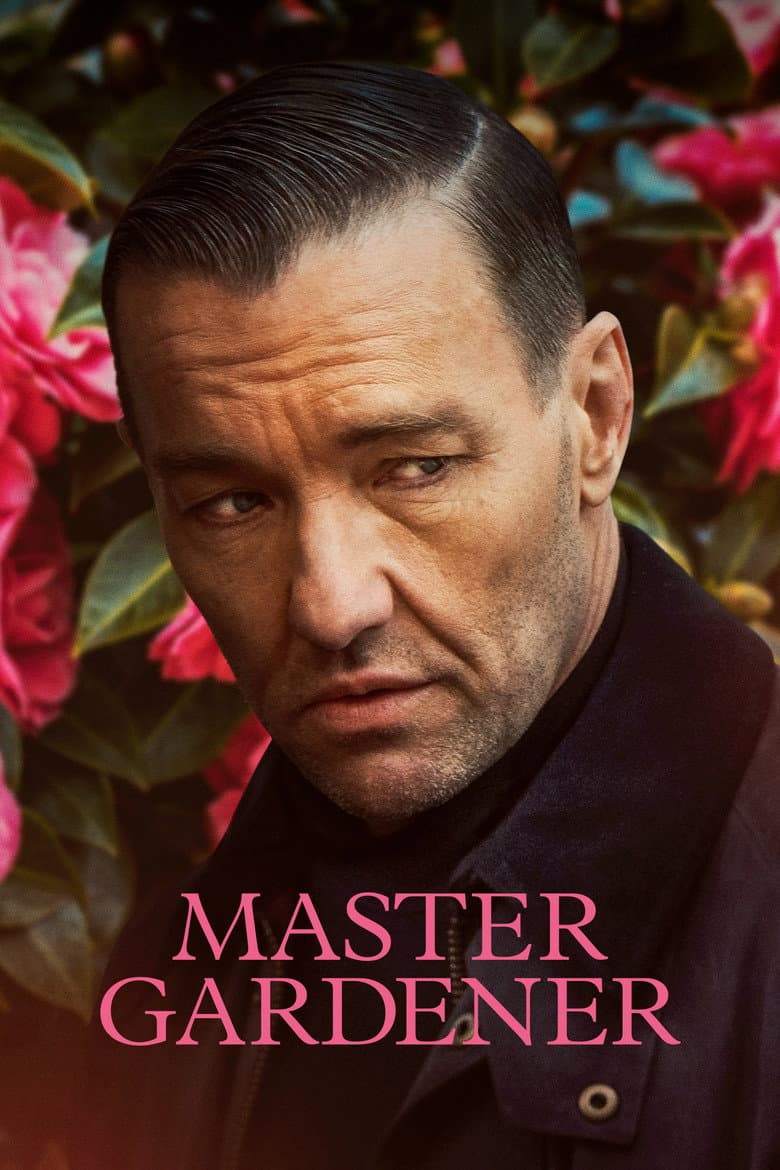
Narvel Roth tends the gardens at Gracewood, a rich family's old Louisiana estate. He follows strict routines while hiding a violent past as a white supremacist killer in witness protection. His employer, Norma Haverhill, orders him to train her young mixed-race grandniece Maya, who is fighting drug addiction. The quiet drama slowly turns into a tense crime story and an uneasy romance.
Race and redemption shape the film from start to finish. Narvel's hidden tattoos, his confession that he was taught to hate, and his bond with Maya make white supremacy a central part of the plot. The film also shows an interracial romance, a large age gap, and a power struggle inside a former plantation home. It asks whether a man who did terrible things can change, and it presents love, work, and forgiveness as possible paths out of hate.
Community feedback
Was our 49% Woke rating accurate?
Breakdown
These are the editorial factors and ratings behind our score for Master Gardener.
Woke representation / casting
The film makes the interracial pairing a clear part of its design. Maya is a mixed-race young woman in a central role opposite a white former neo-Nazi. The cast fits a modern Louisiana setting, so the diversity is not a strong mismatch. The identity contrast still shapes the audience's view of the main romance.
18%
Woke political dialogue
Narvel tells Maya that he was taught from childhood to hate people who were unlike him. The film uses direct terms such as white supremacy, racism, and white pride. These ideas return in his journal, confession, and talks about his past. The movie does not turn the story into a long debate about current party politics.
30%
Identity-driven story themes
The film makes white supremacy and interracial love central to Narvel's past and present. Narvel is a former white supremacist who must face his tattoos and his relationship with Maya, a mixed-race woman. Maya's acceptance helps the story imagine a way out of inherited hate. The film treats personal change and racial healing as its main moral question.
62%
Western institutional / cultural critique
The estate is a former plantation owned by a wealthy white family. Norma treats Narvel as a servant and speaks about Maya's mixed background in a cold, race-conscious way. The film links the word master, old wealth, and slavery imagery. The critique stays inside the characters' personal power struggles instead of attacking modern Western institutions.
24%
Woke character or canon changes
Not relevant. The film is an original story, so it does not change an established character, canon, or real historical event.
0%
Anti-woke backlash and complaints
A small number of audience comments call the race material white-guilt content or woke nonsense. Those comments appear on review pages and Reddit rather than in major news reports. Most public discussion focuses on the slow pace, weak dialogue, and unusual romance. The anti-woke reaction is real but fringe and limited.
8%
Creator track record context
Paul Schrader's stored creator score is 16/100. His stored record includes criticism of cancel culture and political correctness, along with films about guilt, violence, and moral change. The title-related interviews show him using race, redemption, and interracial romance as deliberate pressure points. The other cached crew scores are low or mild, so creator context stays limited.
16%
Production
Movie · 2022
Two strangers strike up a conversation on a long journey. However, neither is who they appear to be, each carry secrets that threaten to ruin them — and in the background, one of…
Movie · 2024
Roy Freeman, an ex-homicide detective with a fractured memory, is forced to revisit a case he can't remember.
Movie · 2023
Following the brutal murder of a young real estate agent, a hardened detective attempts to uncover the truth in a case where nothing is as it seems, and by doing so dismantles the…

Movie · 2021
When the aging Meyer Lansky is investigated one last time by the Feds who suspect he has stashed away millions of dollars over half a century, the retired gangster spins a…
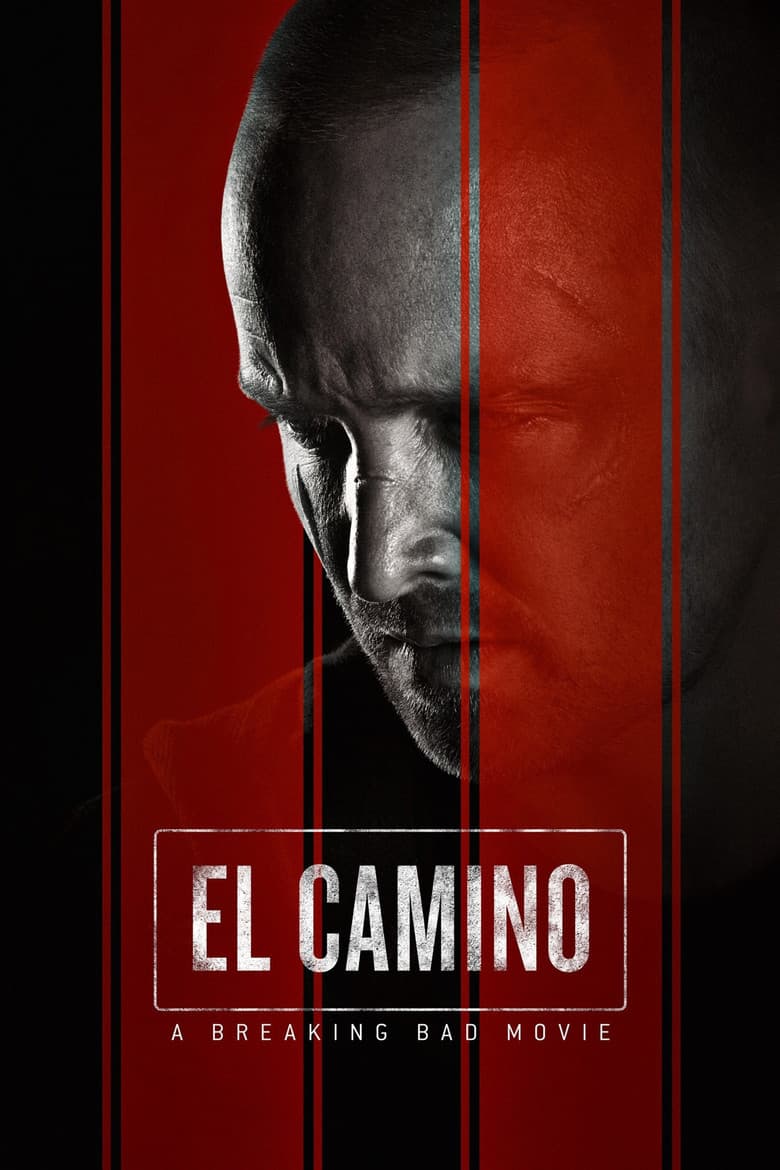
Movie · 2019
In the wake of his dramatic escape from captivity, Jesse Pinkman must come to terms with his past in order to forge some kind of future.
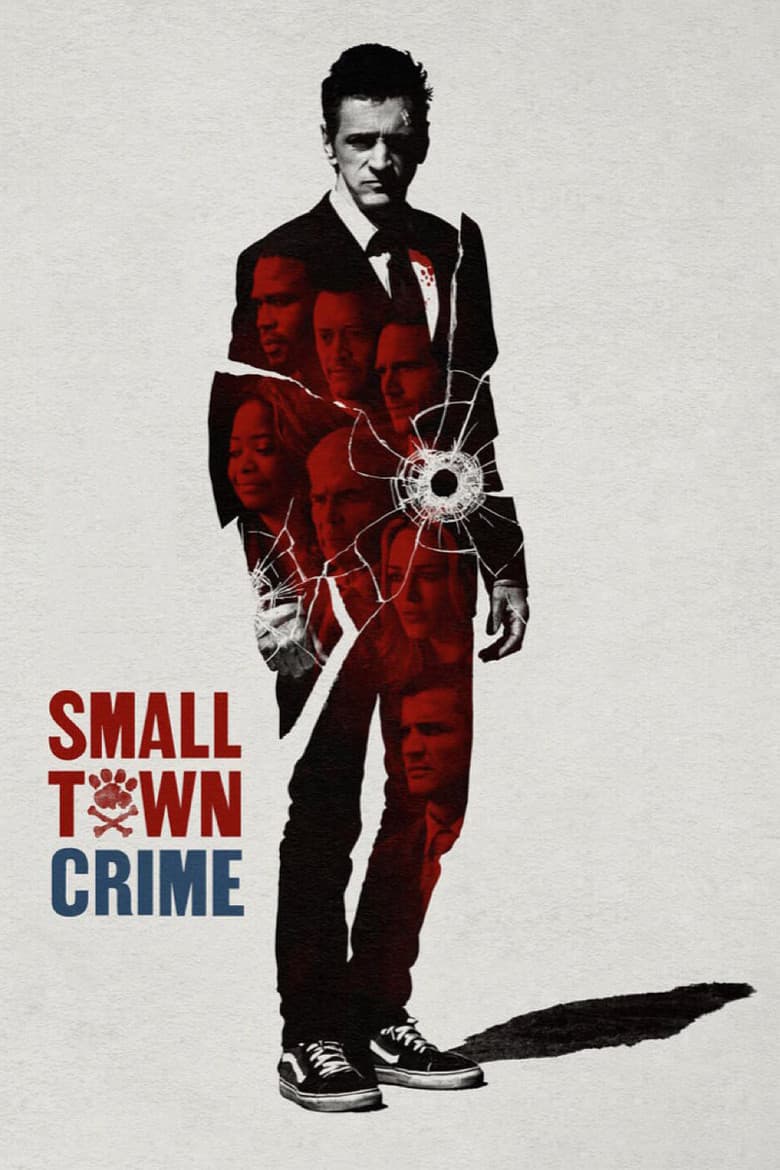
Movie · 2018
Mike Kendall, a disgraced ex-cop, is fighting a losing battle with the bottle. When he finds a woman left for dead at the side of a road, Kendall turns private eye to track down…
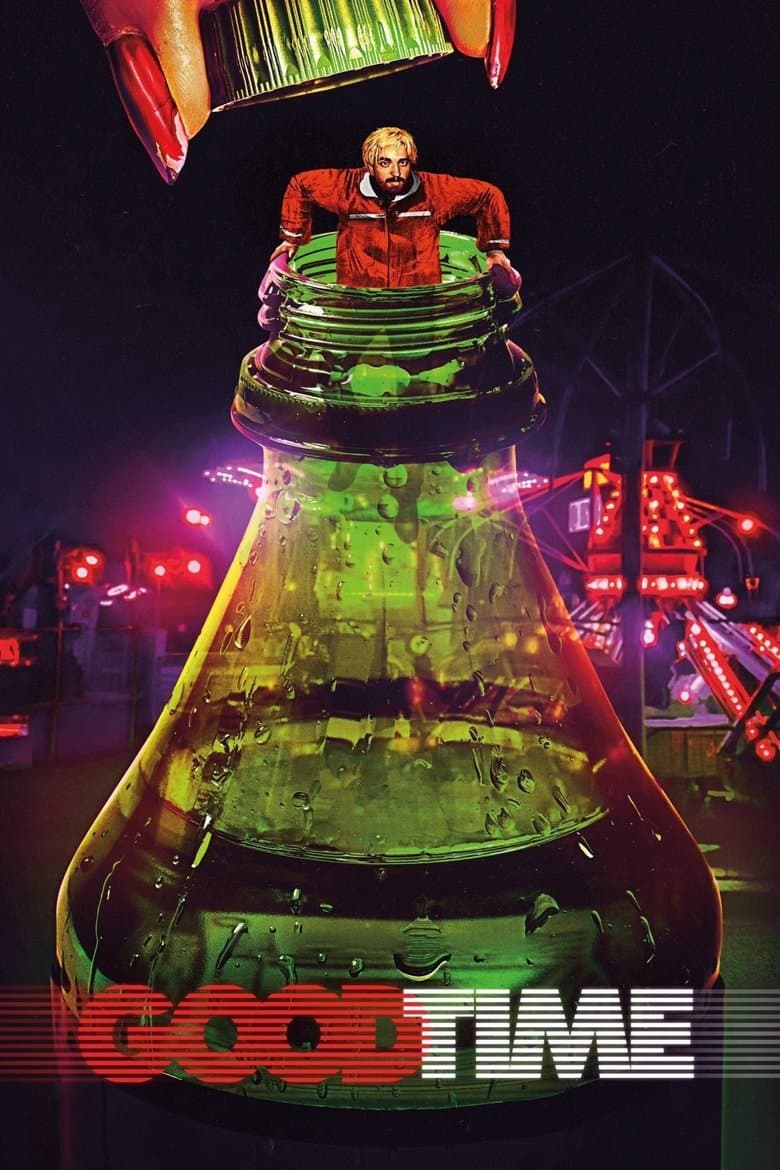
Movie · 2017
After a botched bank robbery lands his younger brother in prison, Connie Nikas embarks on a twisted odyssey through New York City's underworld to get his brother Nick out of jail.
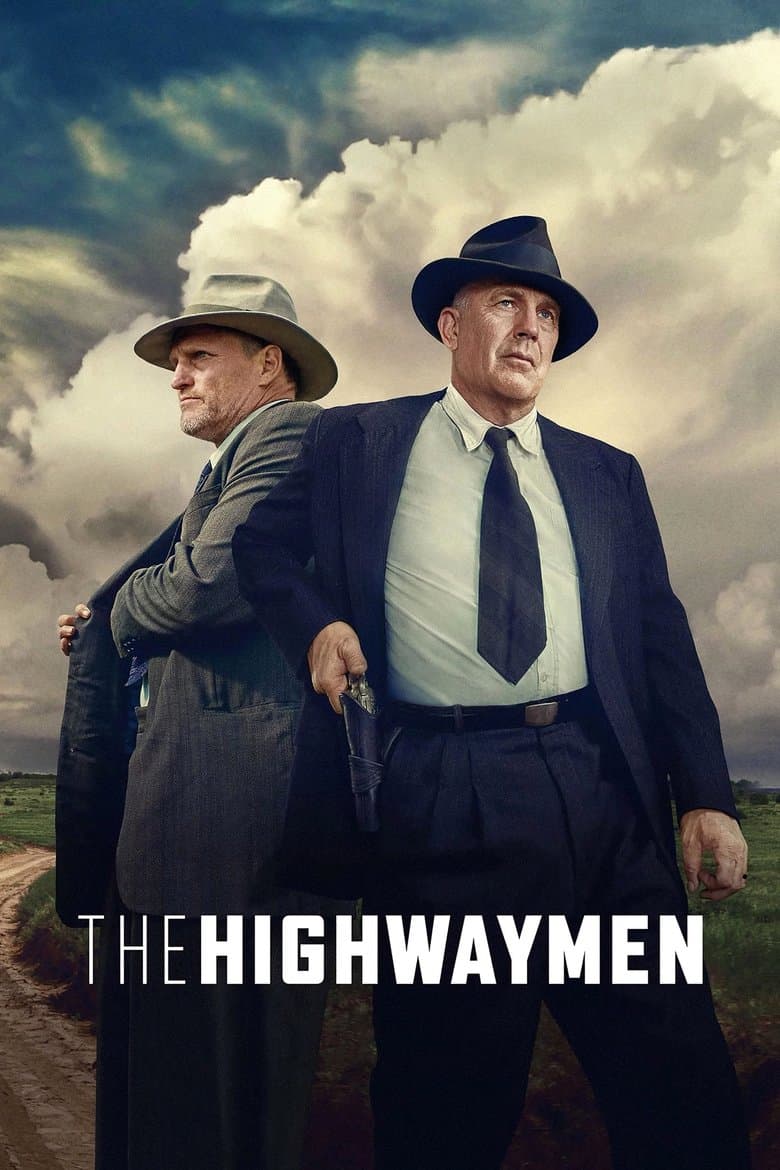
Movie · 2019
In 1934, Frank Hamer and Manny Gault, two former Texas Rangers, are commissioned to put an end to the wave of vicious crimes perpetrated by Bonnie Parker and Clyde Barrow, a…
