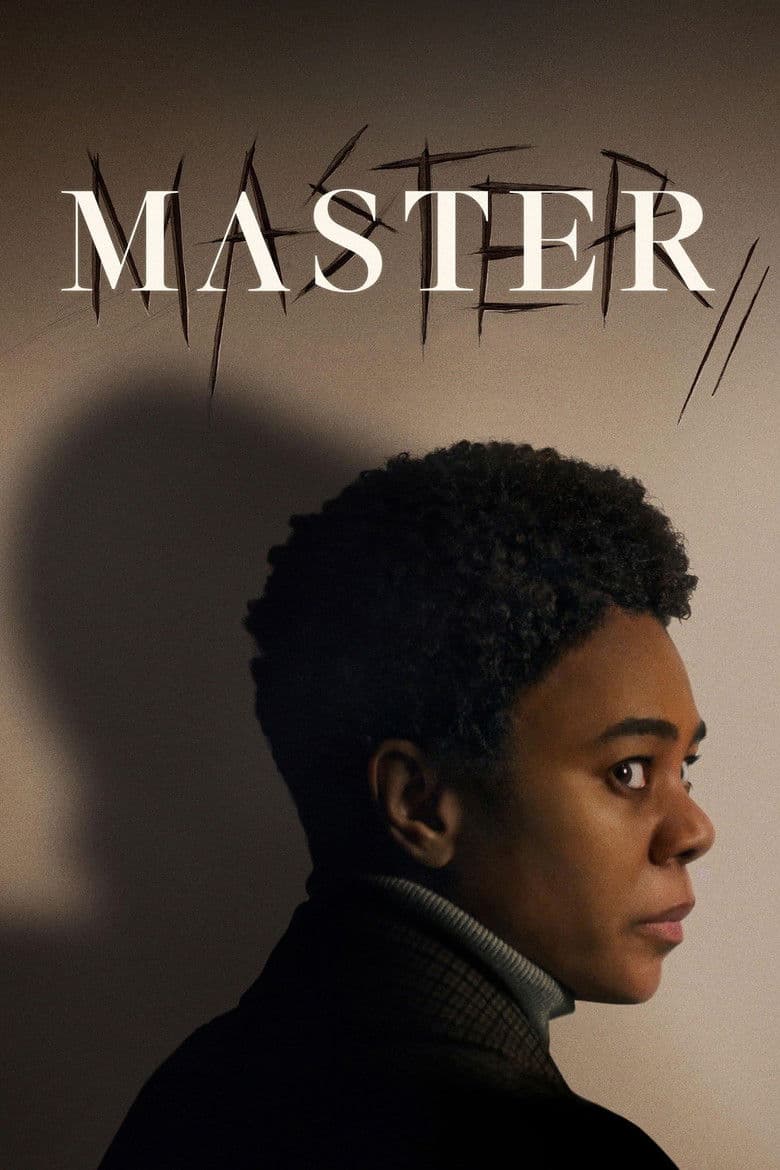
Master follows Gail Bishop, a professor who becomes the first Black master of a residence house at Ancaster, an old New England college. Freshman Jasmine Moore moves into a room linked to the death of the school’s first black student. Gail, Jasmine, and professor Liv Beckman face strange visions, racist attacks, social pressure, and the fear that the campus is hiding a living evil. The film uses a quiet, gloomy horror style, and it keeps the line between ghosts and mental strain unclear.
The film makes race and institutional power the center of its story. Jasmine faces small insults, a noose, a burning cross, and white students singing a racist word at a party. Gail learns that her title may be a public symbol while the school still expects her to clean up its problems. Dialogue about diversity programs, critical race analysis, white supremacy, and America’s racism appears across the film, while Liv’s disputed black identity adds another identity conflict. The story treats the campus as a sign of wider American racism and ends on a deeply bleak note.
Community feedback
Was our 89% Woke rating accurate?
Breakdown
These are the editorial factors and ratings behind our score for Master.
Woke representation / casting
Three main roles are black women. The film makes Gail the first Black master, Jasmine one of only a few black students, and Liv a black professor facing tenure pressure. The story uses their race and gender as its main lens. The mostly white campus makes this lead casting a deliberate identity choice rather than a random mixed group.
68%
Woke political dialogue
The film uses repeated direct talk about identity and campus politics. Characters discuss a critical race reading, diversity workshops, multicultural events, and radical inclusion. Gail calls the problem “America” and says it is everywhere, while another character calls the school a patriarchal white supremacist system. The film also mocks hollow campus activism, but identity language remains a regular part of the story.
62%
Identity-driven story themes
Three black women carry the main story. Jasmine faces microaggressions, racist threats, and pressure to change how she presents herself. Gail learns that the school uses her first-black-master role as a public sign while leaving its old power structure intact. Liv’s disputed black identity makes belonging and racial identity part of the mystery. The supernatural horror treats racism and exclusion as the real danger.
90%
Western institutional / cultural critique
Ancaster is shown as an elite Western institution built on old power and racist history. Faculty members treat diversity plans as public image while protecting the school’s old order. The film uses terms such as patriarchy, white supremacy, privilege, tokenism, and institutional racism. The ending says the system has not changed and presents the school as part of a wider American problem.
84%
Woke character or canon changes
Not relevant. Master is an original fictional story, not an adaptation of a book or franchise. No established character, historical figure, or canon role is changed.
0%
Anti-woke backlash and complaints
X research found no anti-woke posts, boycott, or review-bombing campaign. One Rotten Tomatoes audience review called the film leftist-pandering propaganda and attacked its black lead, racist white classmates, and political message. The complaint was isolated, while other audience comments mostly debated the unclear plot and weak horror.
8%
Creator track record context
The cached creator context gives Mariama Diallo a score of 68 and describes repeated work about black women, race, and institutional power. The same context gives Terence Nance 56 and Regina Hall 31, while the other producers range from 7 to 34. The team has a clear identity-focused pattern led by the director, but the record is not uniform across every producer. The film strongly matches Diallo’s known themes.
57%
Production
Movie · 2017
Secure within a desolate home as an unnatural threat terrorizes the world, a man has established a tenuous domestic order with his wife and son, but this will soon be put to test…
Movie · 2022
A woman's carefully constructed life is upended when an unwelcome shadow from her past returns, forcing her to confront the monster she's evaded for two decades.
Movie · 2018
A filmmaker discovers a box of video tapes depicting two students' disturbing film project featuring a local horror legend, The Peeping Tom.
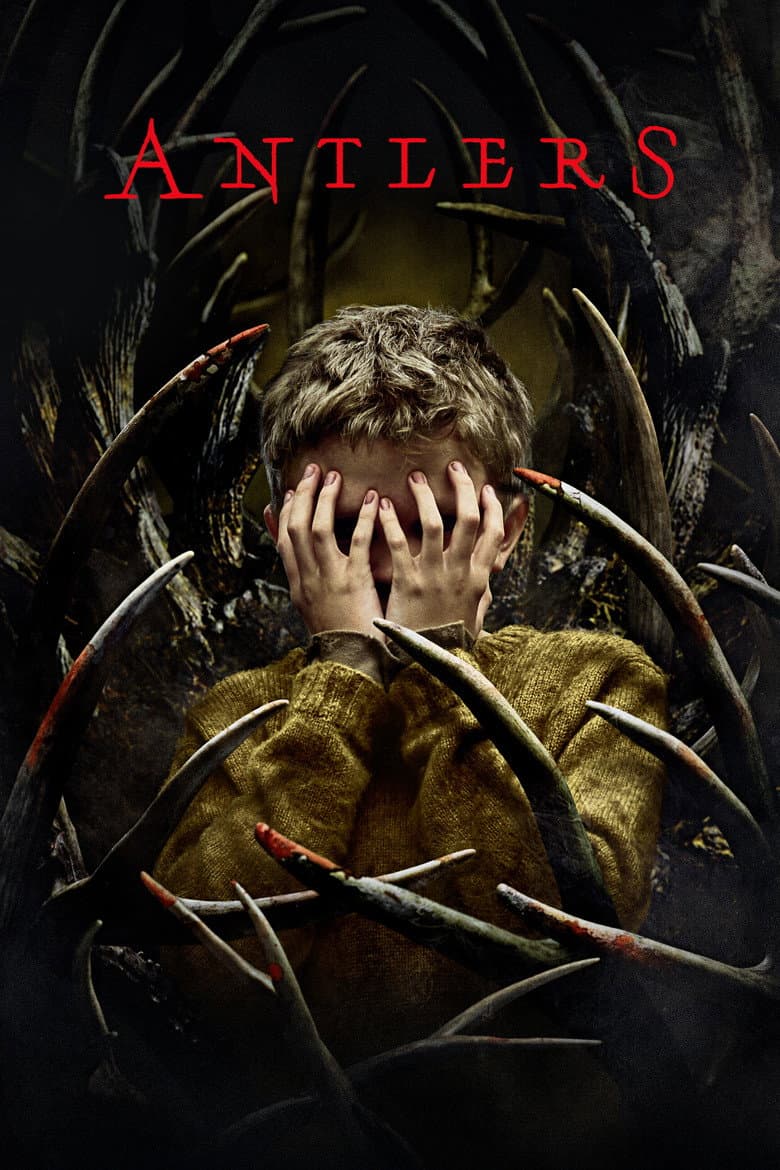
Movie · 2021
A small-town Oregon teacher and her brother, the local sheriff, discover a young student is harbouring a dangerous secret that could have frightening consequences.
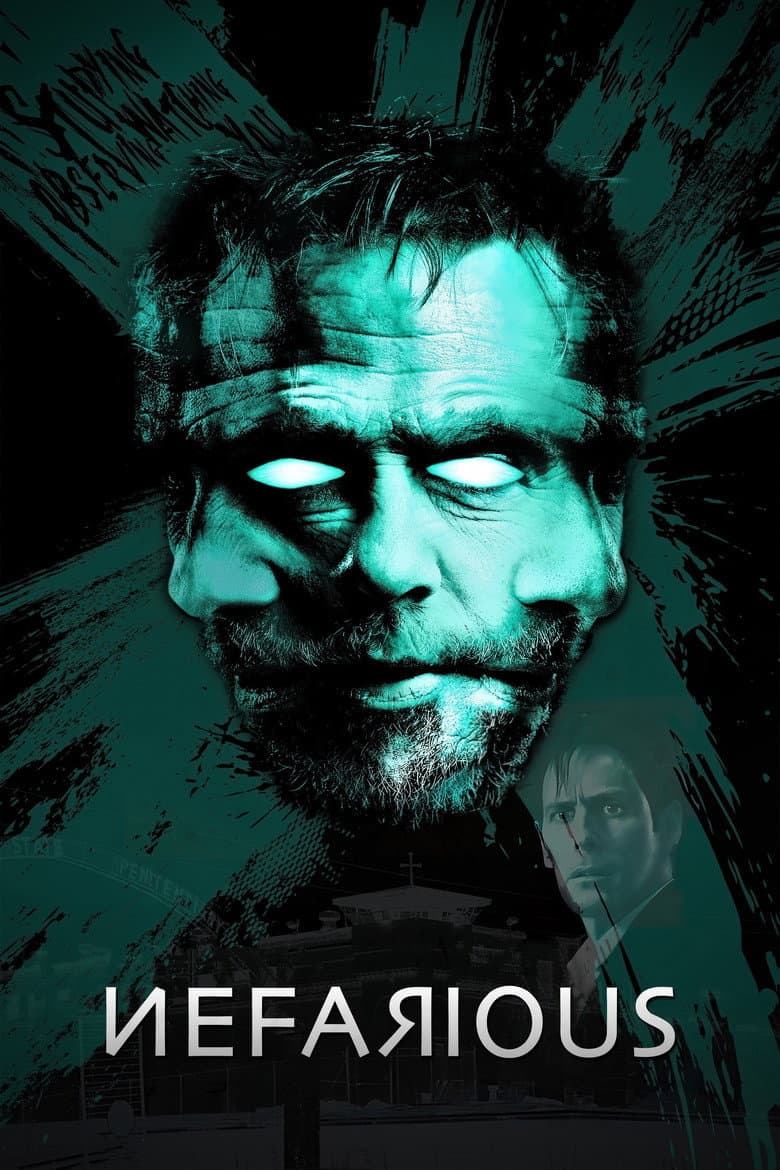
Movie · 2023
On the day of his scheduled execution, a convicted serial killer gets a psychiatric evaluation during which he claims he is a demon, and further claims that before their time is…
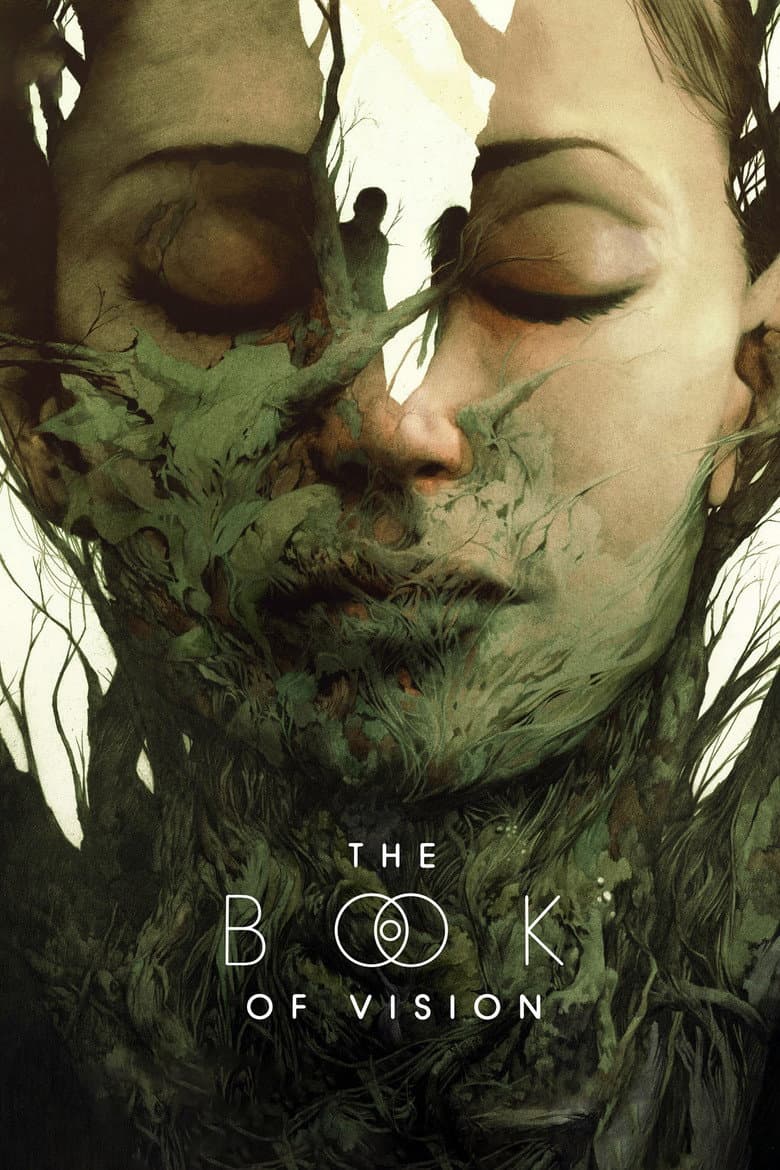
Movie · 2021
Eva, a mysterious doctor, searches for an answer to her urgent dilemma as she unravels Dr. Anmuth's Book of Vision.
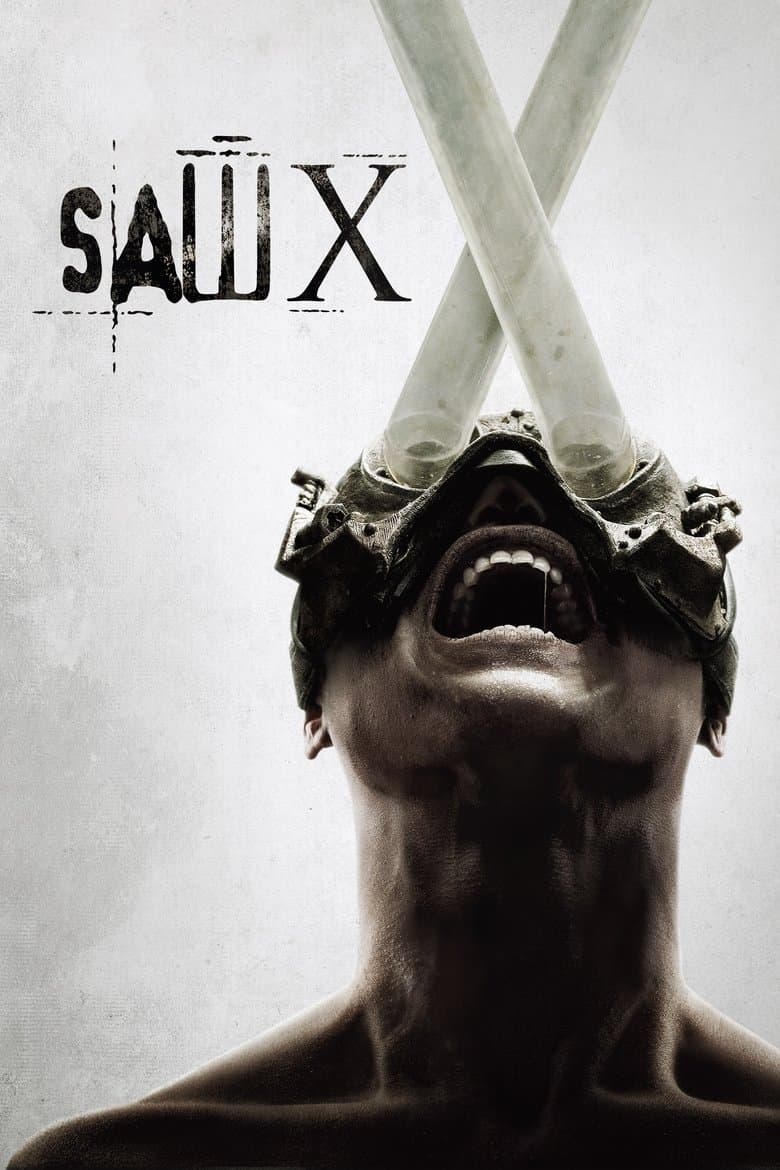
Movie · 2023
Between the events of 'Saw' and 'Saw II', a sick and desperate John Kramer travels to Mexico for a risky and experimental medical procedure in hopes of a miracle cure for his…
Movie · 2024
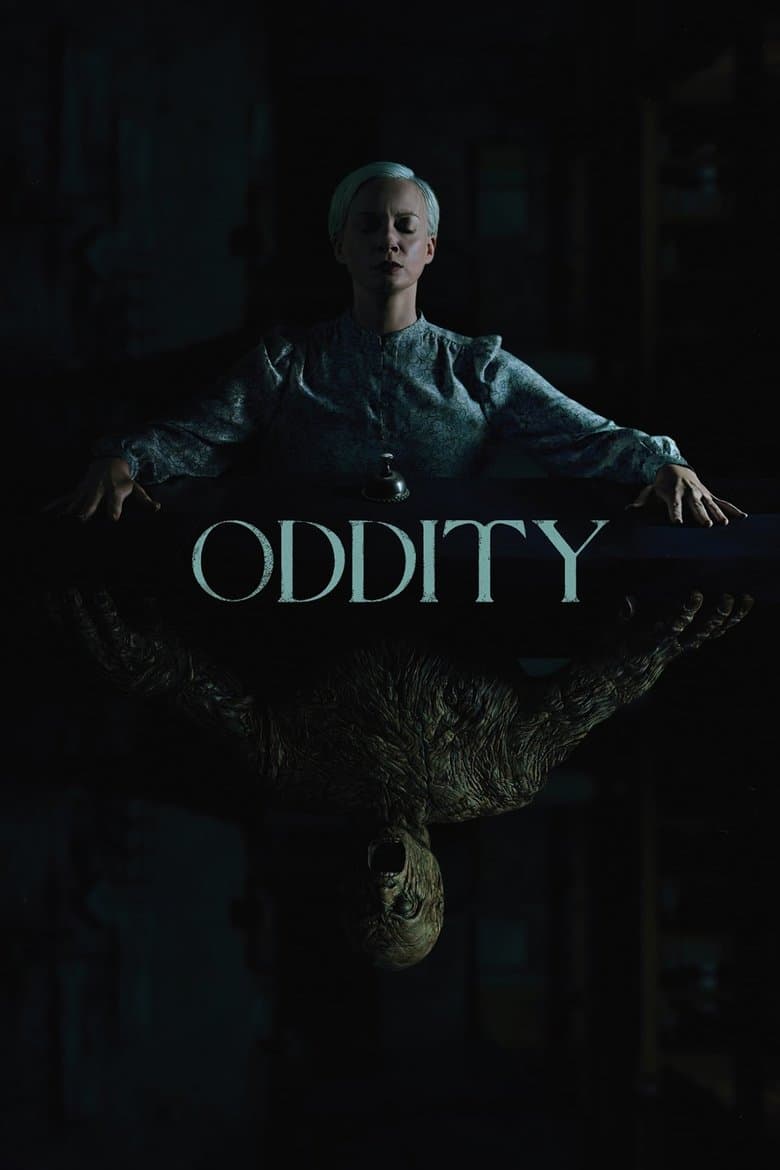
After the brutal murder of her twin sister, Darcy goes after those responsible by using haunted items as her tools for revenge.
