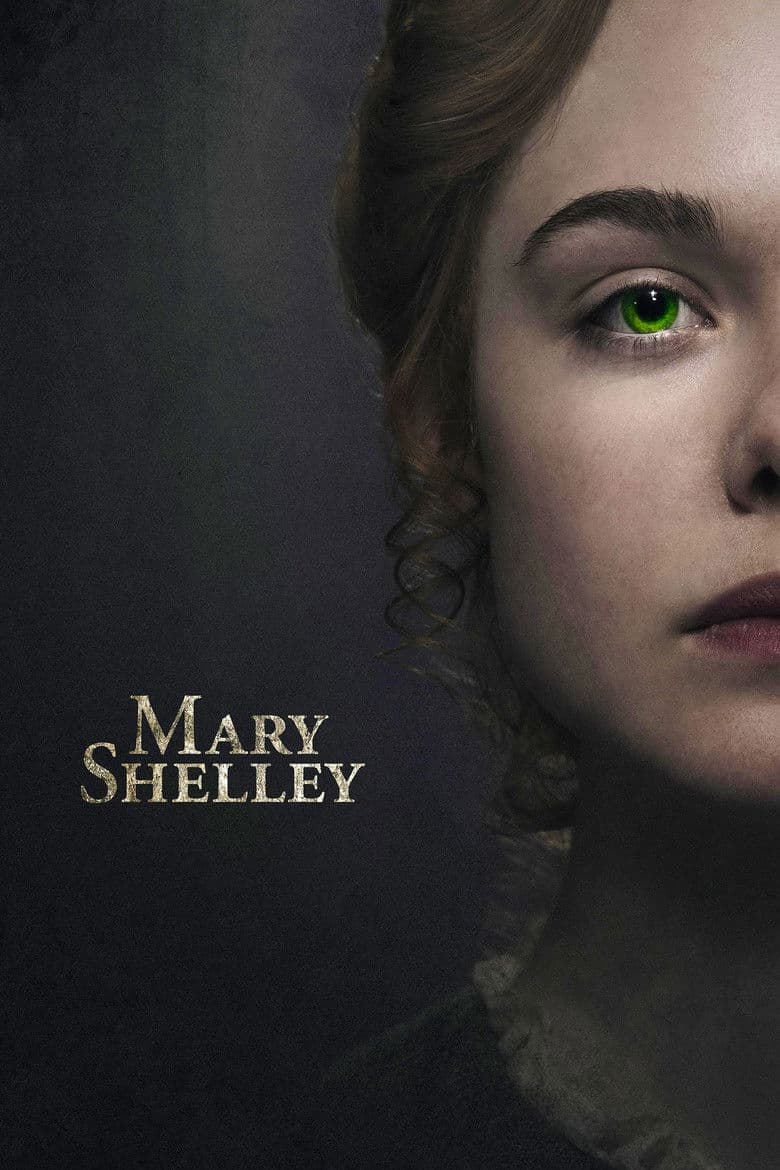
Mary Shelley follows Mary Godwin from her teenage years in England to the summer in Geneva that inspires Frankenstein. She falls for the married poet Percy Shelley and leaves home with him and her stepsister Claire. Mary faces poverty, a lost baby, jealousy, and the careless behavior of the poets around her. The film uses a dark, romantic period style as Mary turns grief and fear into a story about a created monster.
The film makes Mary's fight to be seen as a real writer its main identity-driven theme. Men often treat her as a young girl, a partner, or a helper before they accept her as the author. A publisher questions whether a woman can write such a dark book, and Mary answers that her gender should not decide its value. The movie also presents free love, sexual double standards, and women's lack of control over their work as major parts of the conflict, so the feminist message is clear even though the story stays in the early 1800s.
Community feedback
Was our 58% Woke rating accurate?
Breakdown
These are the editorial factors and ratings behind our score for Mary Shelley.
Woke representation / casting
Not present. The cast portrays real British and European people in a British period story. The film does not use a visible diversity-first cast pattern.
0%
Woke political dialogue
The dialogue repeatedly treats gender as a barrier to authorship. The publisher asks whether a young woman could write such a dark book, and Mary answers that bearing a child should not stop her from writing. Byron says that women should understand his ideas without forming their own, and Mary later defends Claire against his cruelty. The lines support a clear feminist message.
45%
Identity-driven story themes
The story makes Mary's search for her own voice and credit its central conflict. The film shows her resisting family rules, a lover who takes her for granted, and publishers who doubt a woman writer. The story presents female freedom, sexual choices, and the right to make art as linked parts of her growth. Mary succeeds by claiming her work and identity, so the identity-driven message is central.
62%
Western institutional / cultural critique
The film presents the period's family rules, publishing world, and male poets as barriers that often limit women. Mary's father dismisses her writing, the publisher doubts her because she is a woman, and Byron treats Claire as disposable. The story treats male entitlement and strict gender roles as harmful forces. The critique stays tied to the historical setting and does not expand into modern attacks on capitalism, race, or political parties.
42%
Woke character or canon changes
Not relevant. The film changes some dates and events for drama, but no race, gender, sexuality, or hero-role change is confirmed.
0%
Anti-woke backlash and complaints
Movieguide calls the film's feminist message an agenda and objects to its rejection of God and its open-relationship behavior. That review is a clear anti-left complaint, but it is one conservative source rather than a large public campaign. The separate X pass found no anti-woke posts, boycott, or review-bombing.
14%
Creator track record context
Haifaa al-Mansour's past work often focuses on women's agency under strict social rules. Emma Jensen's past work centers women's authorship and includes work with a gender-equality industry group. Heidi Levitt has supported casting that reflects changing America, while the other stored producers and casting directors show little political activism. This gives the creative team a moderate creator track record signal.
30%
Production
Movie · 2016
Lou Clark, a directionless 26-year-old from the English countryside, takes a job at the local castle as a caregiver and companion to a wealthy young banker, Will Traynor.
Movie · 2023
Set in 1889 France, Dodin Bouffant is a chef living with his personal cook and lover Eugénie. They share a long history of gastronomy and love but Eugénie refuses to marry Dodin…
Movie · 2018
Over the course of 12 years, and three stages of life, Sidney Hall falls in love, writes the book of a generation and then disappears without a trace.
Movie · 2020
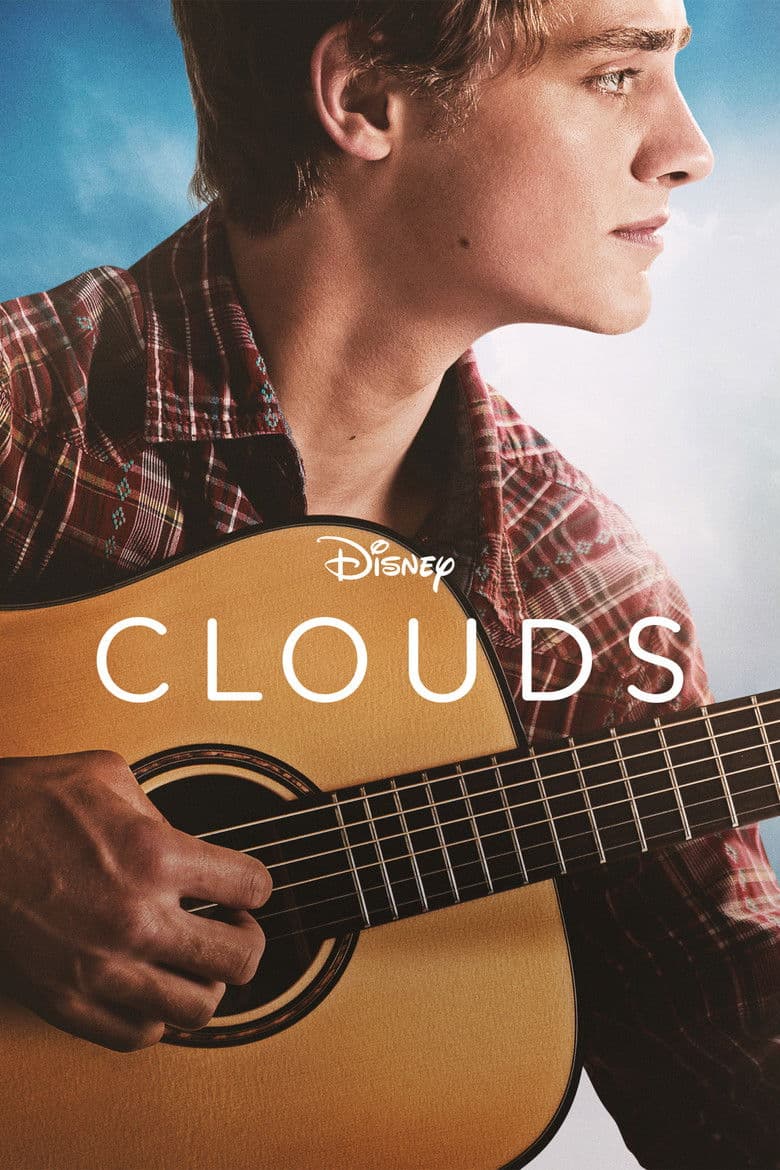
Young musician Zach Sobiech discovers his cancer has spread, leaving him just a few months to live. With limited time, he follows his dream and makes an album, unaware that it…
Movie · 2019
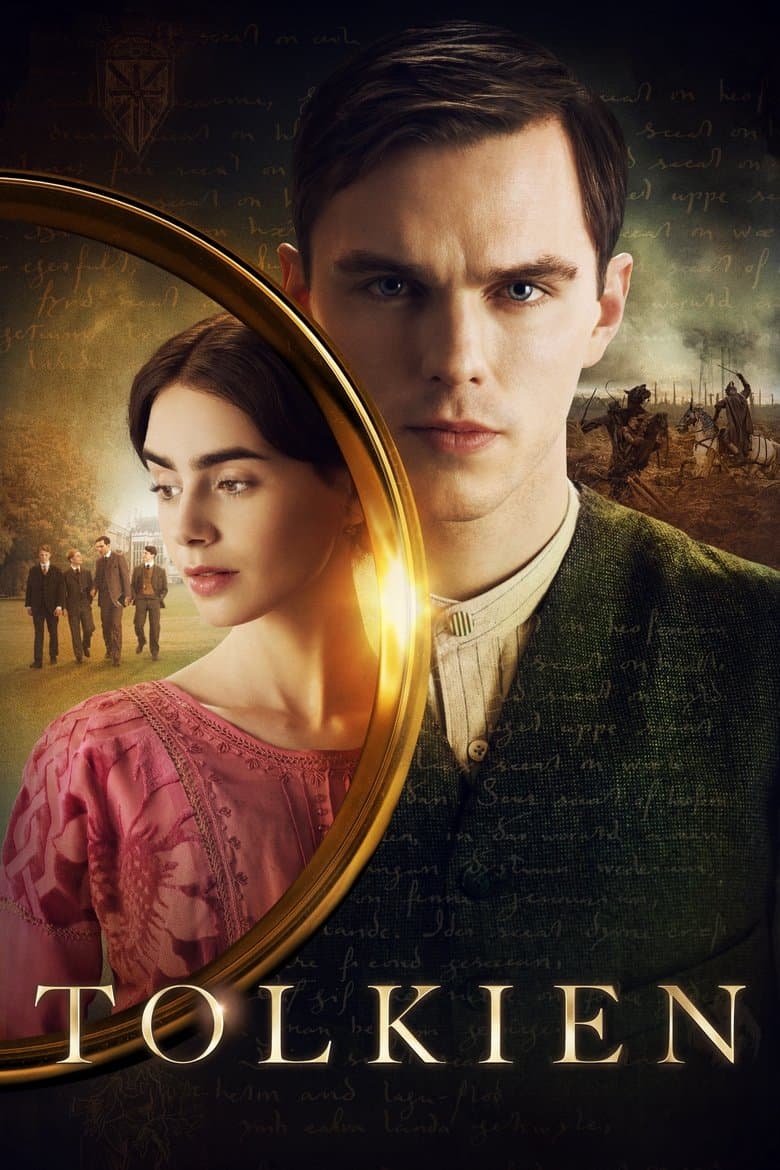
England, early 20th century. The future writer and philologist John Ronald Reuel Tolkien (1892-1973) and three of his schoolmates create a strong bond between them as they share…

Movie · 2025
Heather is a young woman traveling Europe with friends before starting her perfectly planned life. A chance meeting with Jack sparks an unexpected romance that leads to deep…

Movie · 2025
Morgan Grant and her daughter Clara explore what's left behind after a devastating accident reveals a shocking betrayal and forces them to confront family secrets, redefine love…

Movie · 2023
Hadley and Oliver begin falling in love on a flight from New York to London, but when they lose each other at customs, can they defy all odds to reunite?
