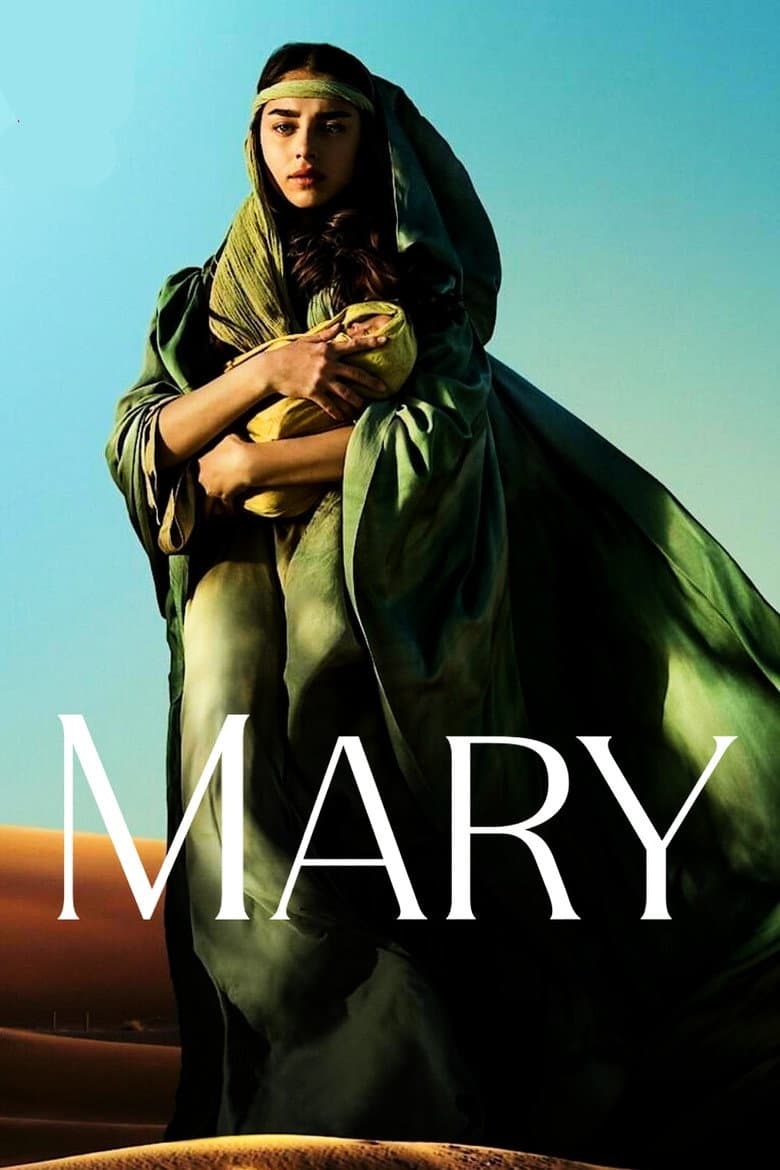
Mary follows a young Mary of Nazareth from her parents’ prayers for a child to the birth of Jesus. Mary grows up in the Temple after her parents promise her to God. After Gabriel tells her that she will bear the Messiah, priests and neighbors reject her, while King Herod hunts the baby to protect his throne. Mary and Joseph flee through a violent Judea as the film mixes faith, family drama, spiritual danger, and action.
The film gives Mary a female-centered coming-of-age story and presents her as brave, chosen, and morally clear. It also gives Anna a mentor role and shows Mary helping poor people in the Temple. These choices add a mild empowerment tone, but the story does not build around modern identity politics, DEI, or activist causes. The main message stays focused on faith, motherhood, sacrifice, and the struggle between God and evil.
Community feedback
Was our 15% Woke rating accurate?
Breakdown
These are the editorial factors and ratings behind our score for Mary.
Woke representation / casting
The film uses Israeli Jewish actors for Mary, Joseph, and several family roles, which fits the story’s Jewish setting. Gabriel has a striking blue, shadowy look that is not clearly male or female. That unusual design is the main identity-coded casting choice, but the film does not call Gabriel queer. The human cast does not show a repeated diversity-first pattern.
5%
Woke political dialogue
Not present. Characters talk about Roman rule, taxes, resistance, and the law of the time. The film does not turn those ancient conflicts into modern identity, DEI, or activist speeches.
0%
Identity-driven story themes
The film centers Mary’s courage, fear, choice, and care for others. Mary accepts a hard calling, feeds poor people, faces public shame, and protects Jesus. Anna mentors Mary, which adds to the female-centered coming-of-age focus. These choices create a mild empowerment tone, but the story does not become a modern identity-politics program.
10%
Western institutional / cultural critique
Not present. The film condemns Herod, Roman power, and a hostile mob within its ancient setting. It does not turn these conflicts into a modern attack on Christianity, Western institutions, family life, or traditional social norms.
0%
Woke character or canon changes
Not relevant. The film adds apocryphal events and changes timing, dialogue, and action scenes. It does not swap the race, sex, sexuality, or identity of an established character or real person.
0%
Anti-woke backlash and complaints
Some X users called Gabriel queer-coded or said Netflix had gone woke because of the angel’s look. Other posts feared that the film would turn Mary into a girlboss or add LGBTQ material. A small Reddit discussion repeated similar complaints, but the reaction stayed scattered. News coverage mostly focused on a separate boycott over Israeli casting, which is outside this score.
25%
Creator track record context
Most key creators have low woke scores and no known DEI or identity-politics record. Caruso and Hayes are mainly linked to faith, historical, genre, and research-focused work. Several producers have charity or strong-female-lead interests, while Gillian Hormel has a stronger social-impact and representation mission. That background adds some context, but it is not a dominant pattern around this film.
18%
Production

Movie · 2019
American car designer Carroll Shelby and the British-born driver Ken Miles work together to battle corporate interference, the laws of physics, and their own personal demons to…
Movie · 2023
The story of Tim Ballard, a former US government agent, who quits his job in order to devote his life to rescuing children from global sex traffickers.

Movie · 2020
A first-time captain leads a convoy of allied ships carrying thousands of soldiers across the treacherous waters of the "Black Pit" to the front lines of WWII.
Movie · 2022
Harry Haft is a boxer who fought fellow prisoners in the concentration camps to survive. Haunted by the memories and his guilt, he attempts to use high-profile fights against…
Movie · 2021
A widowed farmer and his son warily take in a mysterious, injured man with a satchel of cash. When a posse of men claiming to be the law come for the money, the farmer must decide…

Movie · 2017
In the near future, Major is the first of her kind: a human saved from a terrible crash, then cyber-enhanced to be a perfect soldier devoted to stopping the world's most dangerous…

Movie · 2017
Set in a dugout in Aisne in 1918, a group of British officers, led by the mentally disintegrating young officer Stanhope, variously await their fate.

Movie · 2018
A geologist races against time to save his estranged wife and two children when a devastating earthquake strikes Oslo, Norway.
