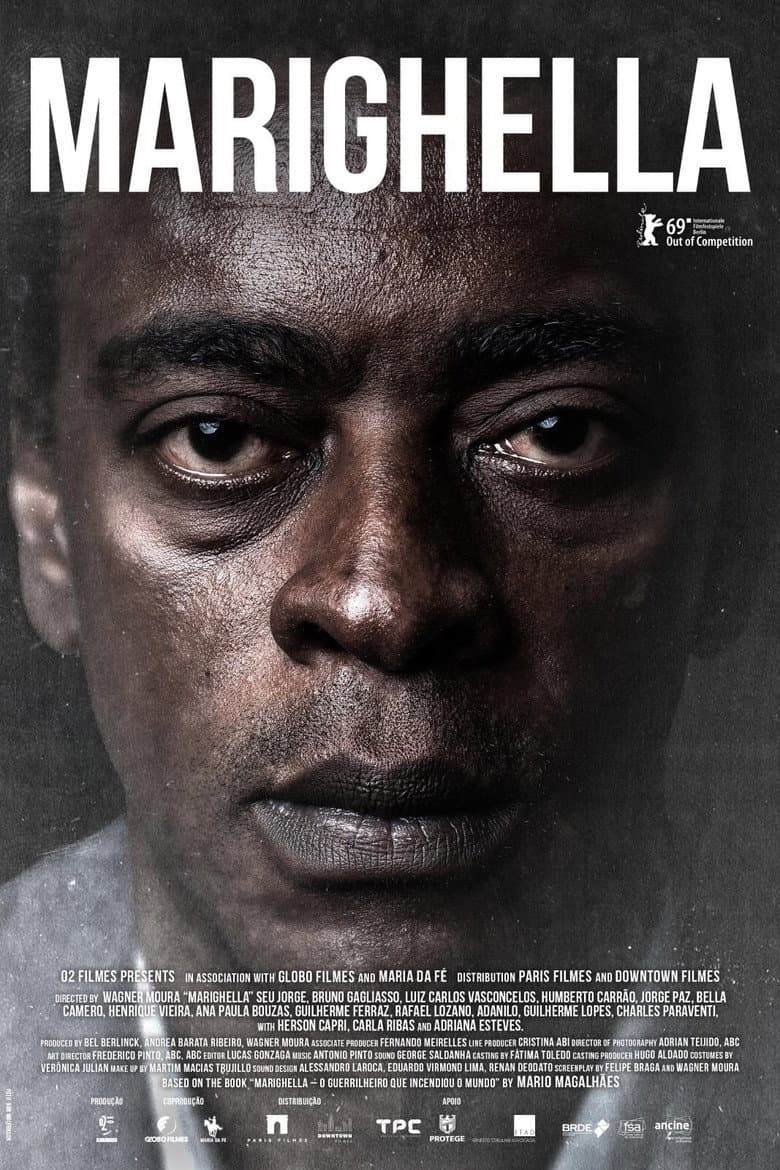
Marighella follows Carlos Marighella, a Brazilian writer, former lawmaker, and communist leader. After the 1964 military coup, he leaves his family and builds the National Liberation Action, an armed group fighting the dictatorship. The story moves through Brazil from 1964 to 1969 as the group robs banks, steals weapons, kidnaps an American ambassador, and faces raids, torture, and betrayal. The tone is tense, violent, and tragic, while the film also shows Marighella's love for his son and his wish to return home.
The film presents resistance, democracy, and freedom as reasons to fight, while it gives little weight to the dictatorship's claim that the rebels were terrorists. It shows the police and military as racist, cruel, and willing to use torture, while Marighella's group appears brave, loyal, and human even when it kills and kidnaps. The film makes Marighella's black identity more visible than many accounts do, and a church scene discusses a Black Jesus and the suffering of poor people. These choices add a clear left-wing and identity-driven message to a historical story, but the main focus remains armed resistance and the cost of family separation.
Community feedback
Was our 81% Woke rating accurate?
Breakdown
These are the editorial factors and ratings behind our score for Marighella.
Woke representation / casting
Seu Jorge plays Marighella as a much darker black man than the real mixed-race figure described in historical records. Moura said he wanted Marighella to be black, so the lead casting carries an identity message. The lead is a heroic and highly visible figure, which makes the choice easy to notice. The rest of the cast does not show a broad one-of-each pattern, so the score stays below the highest range.
58%
Woke political dialogue
Marighella repeatedly calls for resistance, democracy, and action against fascism. The film uses several lines about people needing to know that resistance exists in Brazil. A church scene connects Jesus with black identity and the suffering of poor people. Most political talk concerns the 1960s dictatorship rather than modern identity politics, so the score stays below the high range.
38%
Identity-driven story themes
Marighella's portrayal makes racial identity part of the hero's public image. The film presents a black revolutionary as a symbol of resistance against racist state power. A church scene links a Black Jesus with poor and oppressed people. The main plot still follows armed resistance and family loss, so identity themes are important but do not control every scene.
48%
Western institutional / cultural critique
Not present. The film condemns the 1960s military dictatorship, its police, and its torture. It does not make a modern attack on family life, Christianity, or Western social institutions.
0%
Woke character or canon changes
The film presents the real Carlos Marighella as a very dark black man, while historical accounts describe him as mixed-race with an Italian father and Black ancestry. Moura said the film should reaffirm Marighella's black identity, and the story adds a scene about a Black Jesus. These choices change how viewers read a real historical figure. The film also changes his son's age and invents tapes, but those are story changes rather than identity changes.
62%
Anti-woke backlash and complaints
Bolsonaro-aligned users and officials called the film left-wing propaganda that glorified a communist guerrilla. Critics used #MarighellaTerrorista and drove a large IMDb one-star campaign before most Brazilians could see the film. Folha, Veja, and The Guardian reported thousands of ratings and comments, and IMDb removed the user ratings after the campaign. Culture secretary Mário Frias called the film pamphlet garbage. Conservative complaints also attacked the darker casting, although the claim that Marighella was simply white overstates the record.
88%
Creator track record context
Moura has a left-leaning humanitarian record and has spoken against Bolsonaro and forced labor. Braga and Magalhães often work with political repression, social exclusion, and people pushed to the edge of society. O2 producers have backed stories about race, class, gender, and inequality. The team supports a clear social focus, but its members are not mainly known for queer or DEI activism.
48%
Production
Movie · 2021
After a blood- soaked jujitsu match in Dubai, fighting legend Mickey Kelley falls to superstar Blaine. But years later, an online video proves that Blaine cheated, and the world…
Movie · 2022
A fictional history of two legendary revolutionaries' journey away from home before they began fighting for their country in the 1920s.
Movie · 2017
Set in a dugout in Aisne in 1918, a group of British officers, led by the mentally disintegrating young officer Stanhope, variously await their fate.
Movie · 2025
In the late 1990s, up-and-coming mixed martial artist Mark Kerr aspires to become the greatest fighter in the world.
Movie · 2019
Cal is a dedicated cop who also serves as a sergeant in the Marine Corps Reserve. When his reckless half brother lands in jail for accidentally killing a man, Cal and his buddies…
Movie · 2018
The amazing true story of Billy Moore, an English boxer incarcerated in Thailand’s most notorious prison. Thrown into a world of drugs and violence, he finds his best chance to…
Movie · 2018
Between personal obligations and training for his next big fight against an opponent with ties to his family's past, Adonis Creed is up against the challenge of his life.
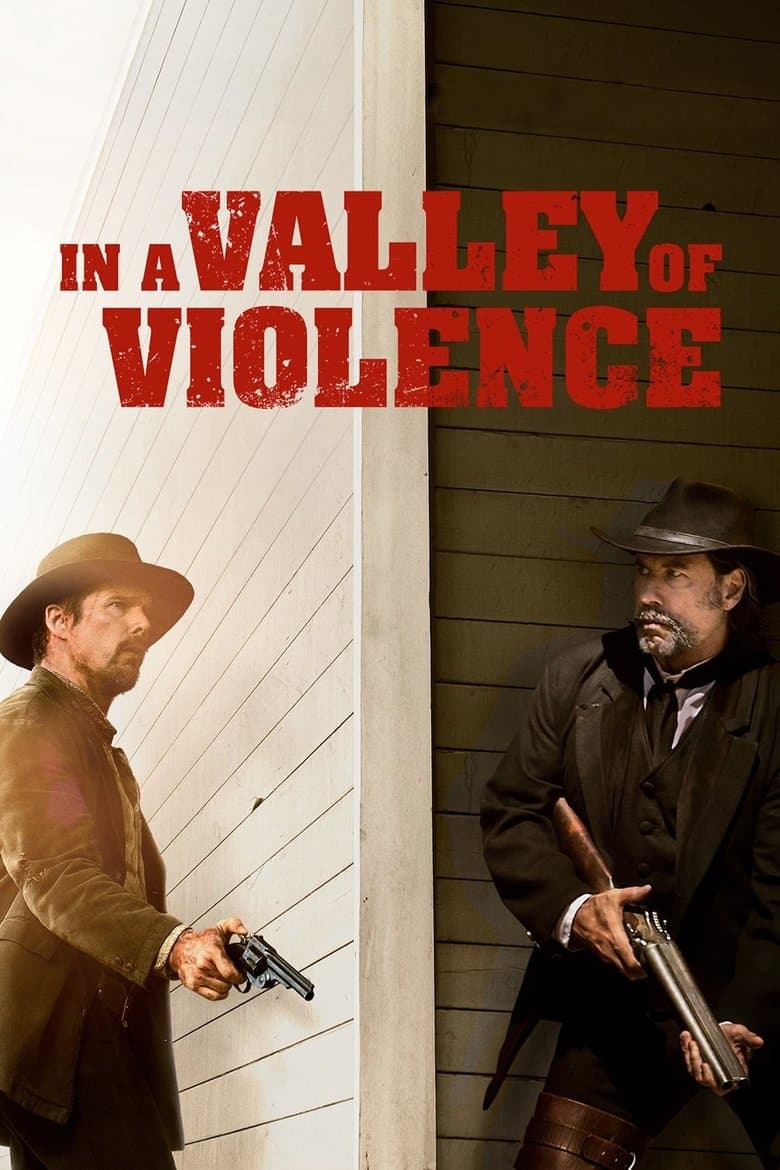
Movie · 2016
The story of a drifter named Paul who arrives in a small town seeking revenge on the thugs who murdered his friend.
