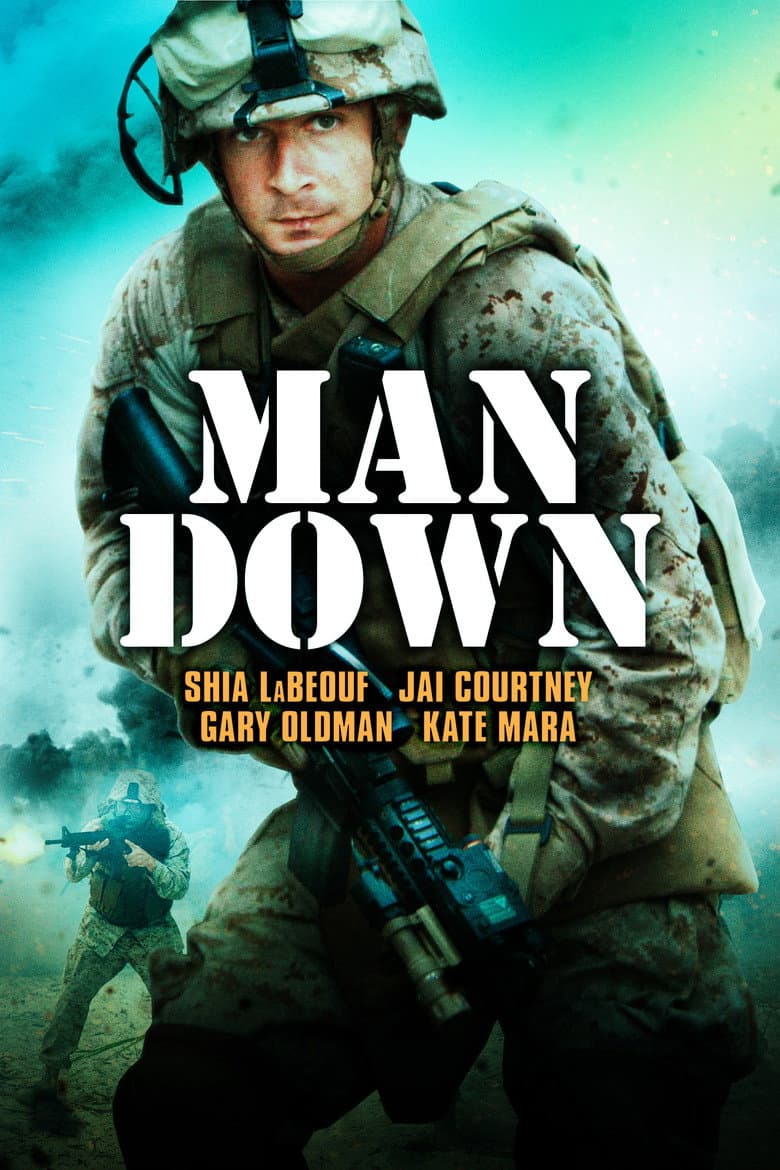
Man Down follows Gabriel Drummer, a United States Marine who returns from Afghanistan with deep mental wounds. He expects to go home, but he sees his town as a ruined wasteland and cannot find his wife Natalie or his young son Johnathan. His longtime friend Devin joins him as they cross dangerous streets and question a stranger who may know where the family is. The film uses a grim, tense mood and moves between combat, family memories, military counseling, and the search.
The story centers on post-traumatic stress, the pain of losing trust, and the cost of sending young men to war. Gabriel wants to protect his son, but his fear and broken memory make him mistake family members and other survivors for enemies. The movie also shows how a veteran can lose his home, his family, and his grip on real life after returning from combat. Its ending treats Gabriel's tragedy as a warning about suicide, homelessness, and the need to help wounded veterans.
Community feedback
Was our 2% Woke rating accurate?
Breakdown
These are the editorial factors and ratings behind our score for Man Down.
Woke representation / casting
Not present. The main family and the two Marines are presented without a diversity message. The supporting cast includes several backgrounds, but race, gender, religion, or identity is not a story point.
0%
Woke political dialogue
Not present. Characters discuss war, combat, and PTSD. They do not use modern identity, DEI, or activist ideas in spoken lines.
0%
Identity-driven story themes
Not present. The central themes are war trauma, family loss, friendship, and a father's need to protect his son. The movie does not build its conflict around race, gender, sexuality, or another identity cause.
0%
Western institutional / cultural critique
Not present. The film shows a damaged veteran and poor care after war. It does not attack men, families, Christianity, or Western culture through modern activist messaging.
0%
Woke character or canon changes
Not relevant. The film uses original characters and is not an adaptation of known characters, canon, or real historical figures.
0%
Anti-woke backlash and complaints
Not present. Available audience reaction focuses on the twist, PTSD story, acting, and confusing structure. No reliable anti-woke or anti-DEI complaint is tied to the film.
0%
Creator track record context
Dito Montiel and Adam G. Simon have no strong public record of activist or identity-driven work. Some casting and production figures have inclusion-focused or LGBTQ-themed credits. Most of the wider team has little or no similar record, so this gives only weak background context.
8%
Production
Movie · 2019
In 1933, Welsh journalist Gareth Jones travels to Ukraine, where he experiences the horrors of a famine. Everywhere he goes he meets henchmen of the Soviet secret service who are…
Movie · 2018
Two lifelong friends head up to an isolated Scottish Highlands village for a weekend hunting trip that descends into a never-ending nightmare as they attempt to cover up a…
Movie · 2017
A former rodeo star, now a motel manager, meets a young man who is responsible for the violence that suddenly has seized his small town.
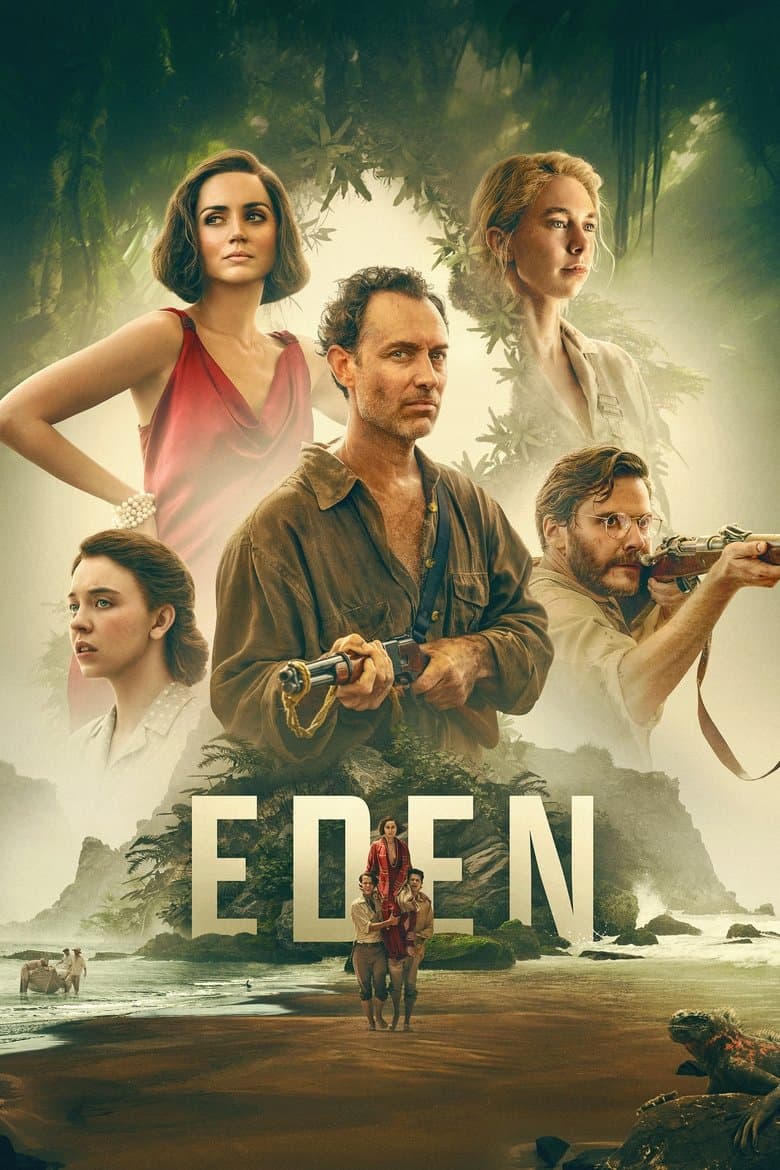
Movie · 2025
A group of disillusioned outsiders abandon modern society in search of a new beginning. Settling on a remote, uninhabited island, their utopian dream quickly unravels as they…
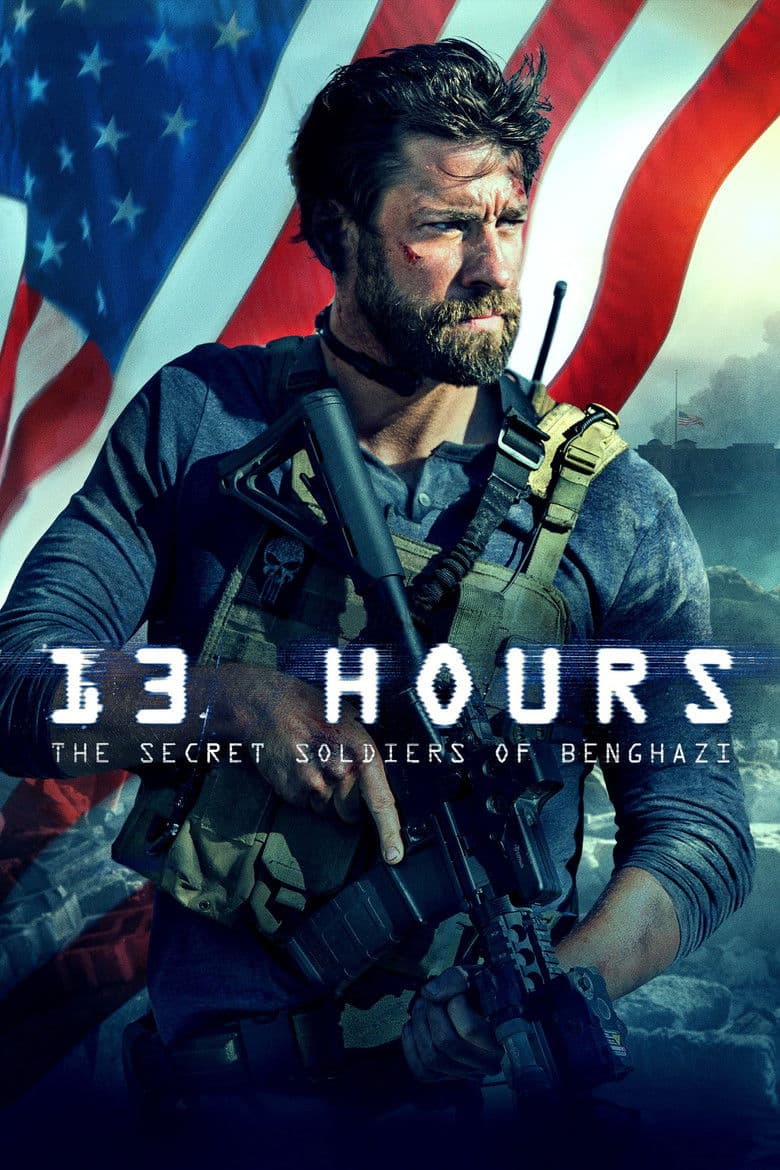
Movie · 2016
An American Ambassador is killed during an attack at a U.S. compound in Libya as a security team struggles to make sense out of the chaos.
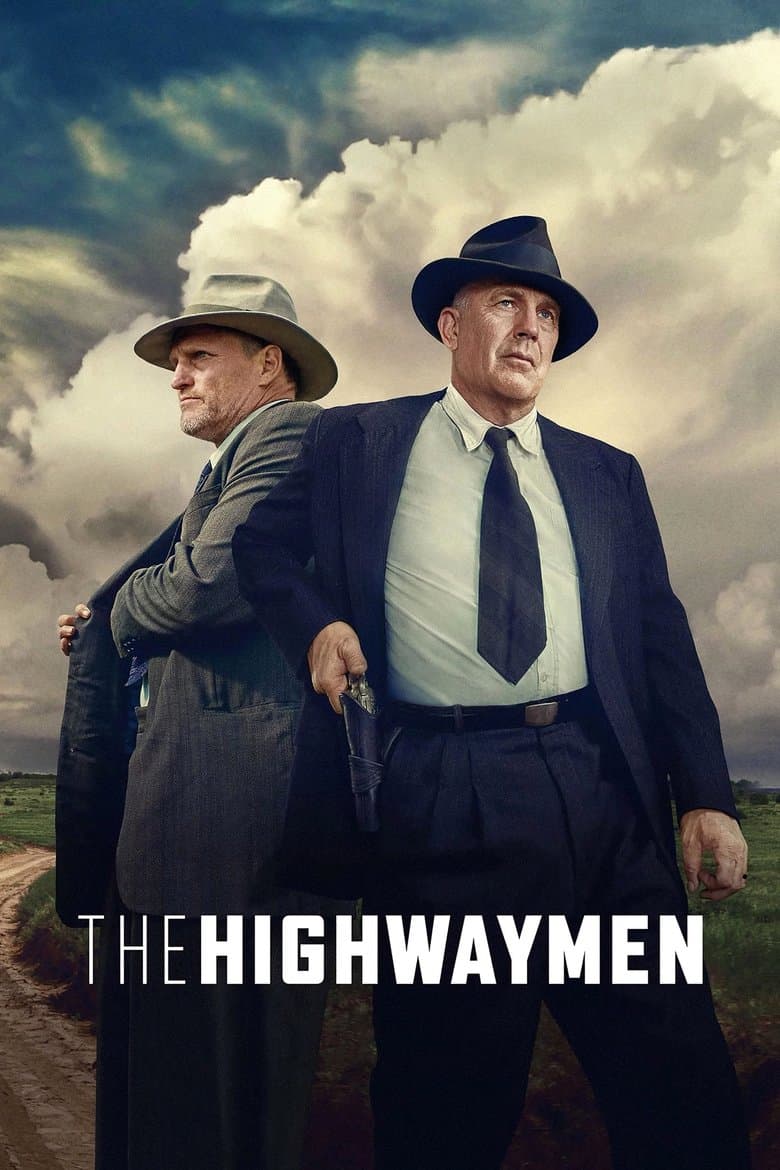
Movie · 2019
In 1934, Frank Hamer and Manny Gault, two former Texas Rangers, are commissioned to put an end to the wave of vicious crimes perpetrated by Bonnie Parker and Clyde Barrow, a…
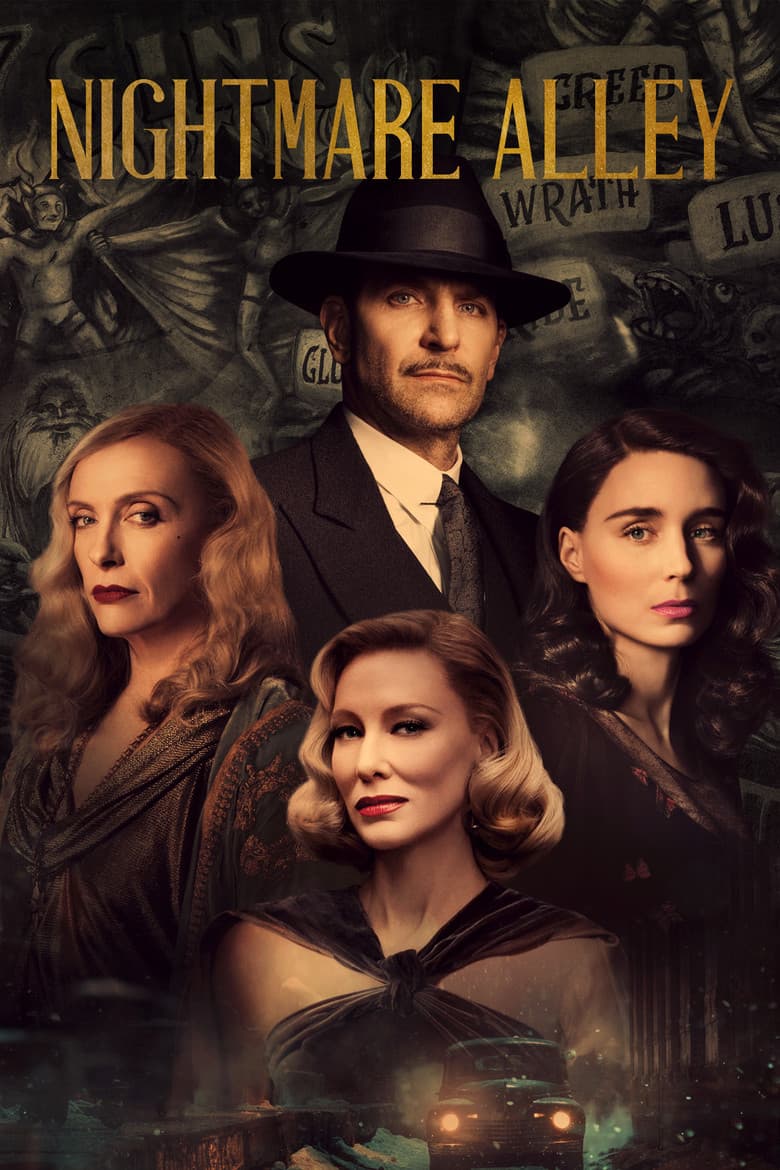
Movie · 2021
An ambitious carnival man with a talent for manipulating people with a few well-chosen words hooks up with a female psychologist who is even more dangerous than he is.

Movie · 2019
During the 1980s, a failed stand-up comedian is driven insane and turns to a life of crime and chaos in Gotham City while becoming an infamous psychopathic crime figure.
