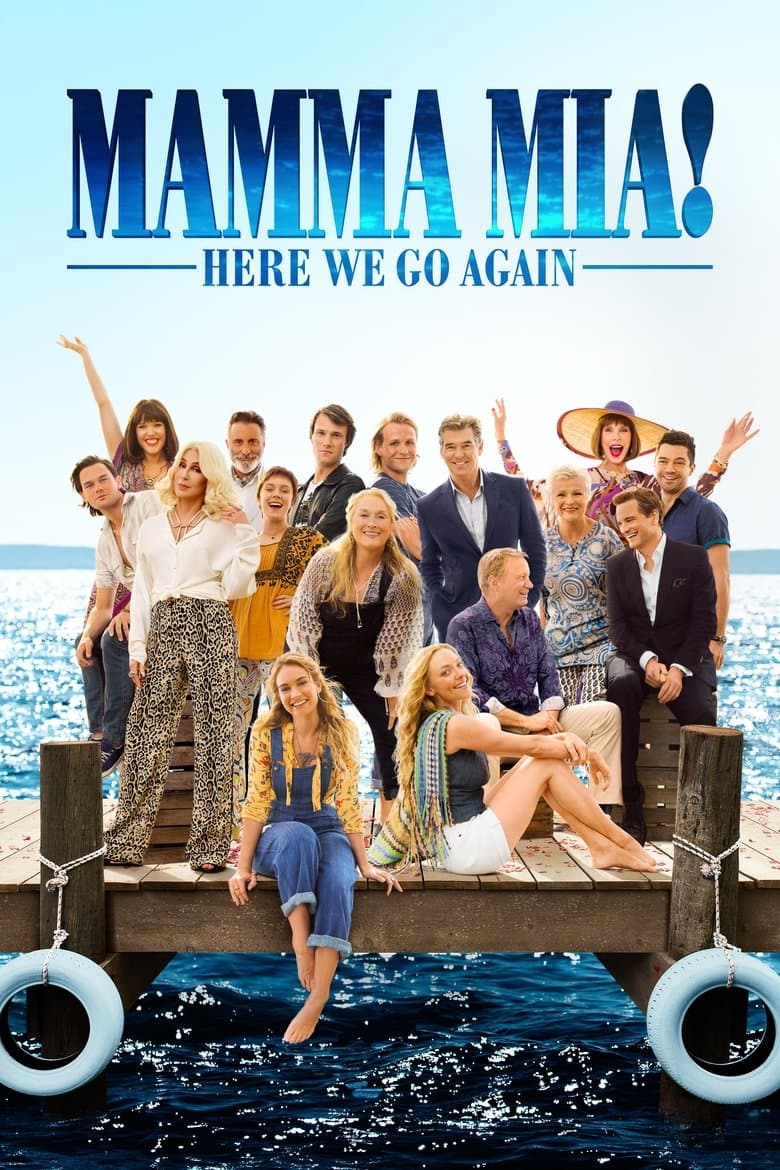
Sophie reopens Hotel Bella Donna after her mother Donna dies. She faces marriage and pregnancy while family and friends gather again. A 1979 story follows young Donna as she leaves Oxford, travels to Greece, and meets Sam, Bill, and Harry, the three men who may be Sophie’s father. The film is a dual-timeline jukebox musical built around ABBA songs. The tone is warm, camp, and focused on mother and daughter bonds.
Audience-facing woke elements stay light but clear. Harry returns as a confirmed gay dad, with a flirty post-credits beat with a man and a brief same-sex kiss in Paris that young Donna greets kindly. The story also celebrates independent single motherhood and a nontraditional three-dad family. A song lyric change makes the teacher female, which some UK coverage fretted over as woke. There are no activist speeches, and identity politics is not the main engine of the plot.
Community feedback
Was our 40% Woke rating accurate?
Breakdown
These are the editorial factors and ratings behind our score for Mamma Mia! Here We Go Again.
Woke representation / casting
The leads are still mostly white Anglo and European star casting on a Greek island fantasy. Gay Harry is a major returning dad, and the cast also has an ahistorical female Oxford Vice-Chancellor plus multiethnic supporting faces such as Andy García as the Mexican hotel manager. That pattern is light background casting, not a lead-level redesign for diversity.
24%
Woke political dialogue
The film has no activist monologues, DEI jargon, or identity-politics lectures. Talk stays in rom-com banter, grief, and camp one-liners, including Tanya teasing men. Any political edge is only incidental comedy, not message speech.
8%
Identity-driven story themes
The core story is grief, motherhood, romance, and ABBA feeling, not a race or gender systems tract. Still, it celebrates independent single motherhood and a nontraditional three-dad family, plus Harry’s gay identity, a male-male post-credits flirt, Dynamos friendship energy, and a brief affirmative same-sex kiss in the Paris past. Those LGBTQ pieces lift the score above a plain girl-power musical without making identity politics the plot engine.
42%
Western institutional / cultural critique
There is a light free-spirit push against conventional monogamy and tidy nuclear-family expectations, plus playful irreverence in the Oxford graduation number. The film does not mount a sustained attack on Christianity, Western institutions, capitalism, or toxic masculinity as a modern activist thesis.
14%
Woke character or canon changes
The main scored change is rewriting “When I Kissed the Teacher” so the teacher is female, which UK coverage framed as possible woke-ifying while creators said it was for musical practicality. Harry’s gayness continues the first film rather than a new identity rewrite. Cher as Ruby and other new beats expand the franchise instead of ideology-driven history swaps.
22%
Anti-woke backlash and complaints
Complaints were thin and local around Abba lyrics being called woke-ified. There was no large, sustained anti-woke or anti-DEI backlash against the movie. Mainstream reception was commercially huge and largely affectionate, and pro-queer calls for more gay story are not counted here.
12%
Creator track record context
Cached scores sit low to moderate for Parker, Johnson, Curtis, and most producers, with Nina Gold higher on inclusive casting. Overall the activist signal is mild. Public creative talk for this title stayed entertainment-first around ABBA, emotion, and craft.
18%
Production
Movie · 2019
A struggling musician realizes he's the only person on Earth who can remember The Beatles after waking up in an alternate reality where the group was forgotten.
Movie · 2022
Divorced couple Georgia and David find themselves on a shared mission: they team up and travel to Bali to stop their daughter Lily from making the same mistake they once made 25…
Movie · 2016
The story of a young man who arrives in Hollywood during the 1930s hoping to work in the film industry, falls in love, and finds himself swept up in the vibrant café society that…
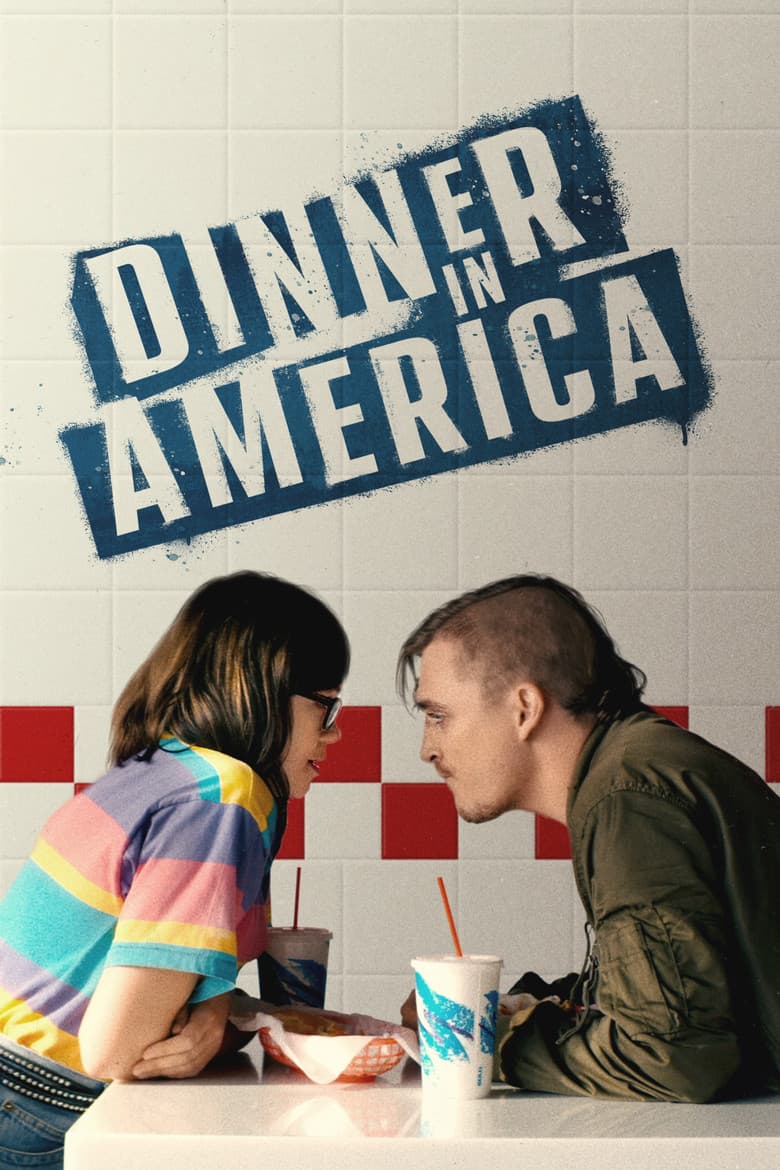
Movie · 2020
An on-the-lam punk rocker and a young woman obsessed with a local band go on an unexpected and epic journey together through the decaying suburbs of the American Midwest.
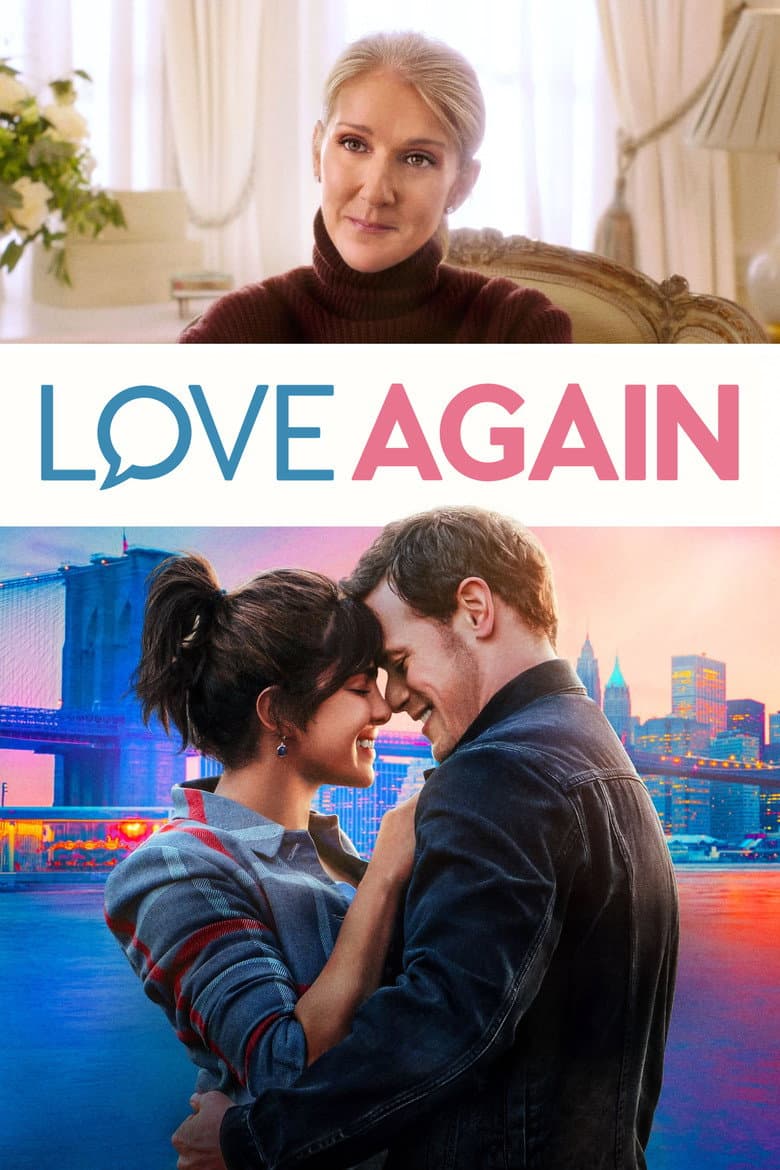
Movie · 2023
Mira Ray, dealing with the loss of her fiancé, John, sends a series of romantic texts to his old cell phone number… not realizing the number was reassigned to Rob Burns' new work…
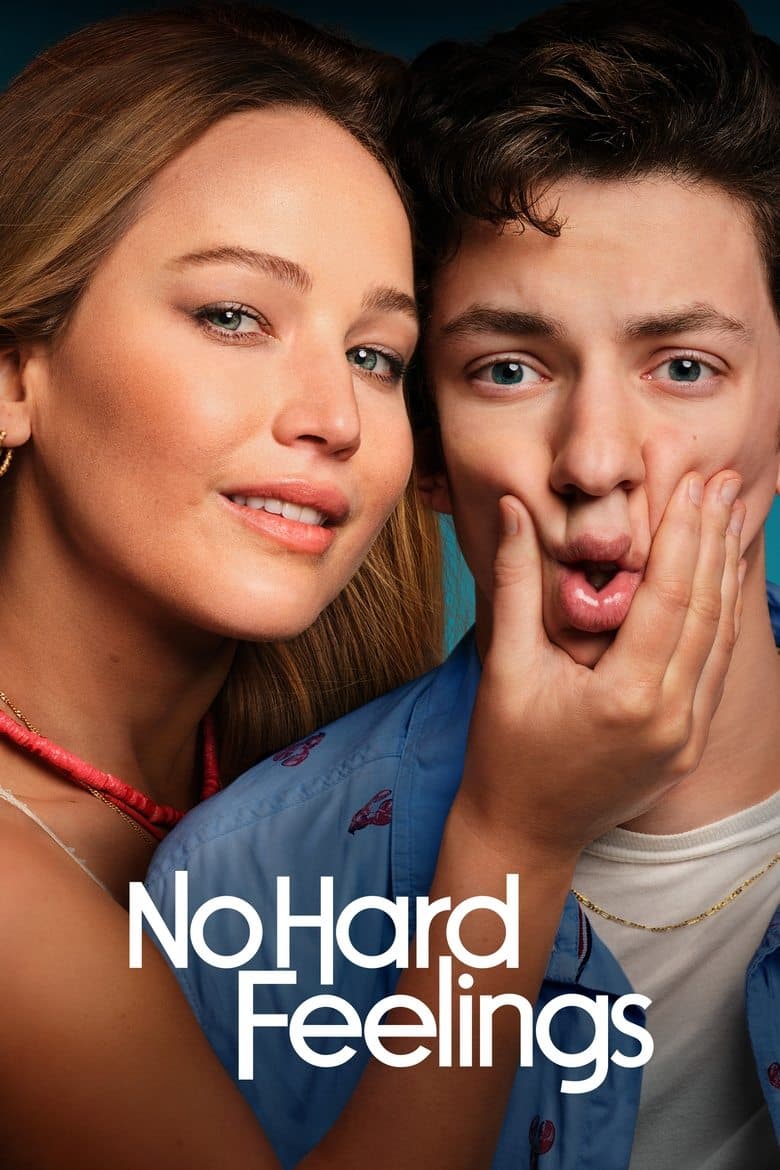
Movie · 2023
On the brink of losing her childhood home, Maddie discovers an intriguing job listing: wealthy helicopter parents looking for someone to “date” their introverted 19-year-old son…
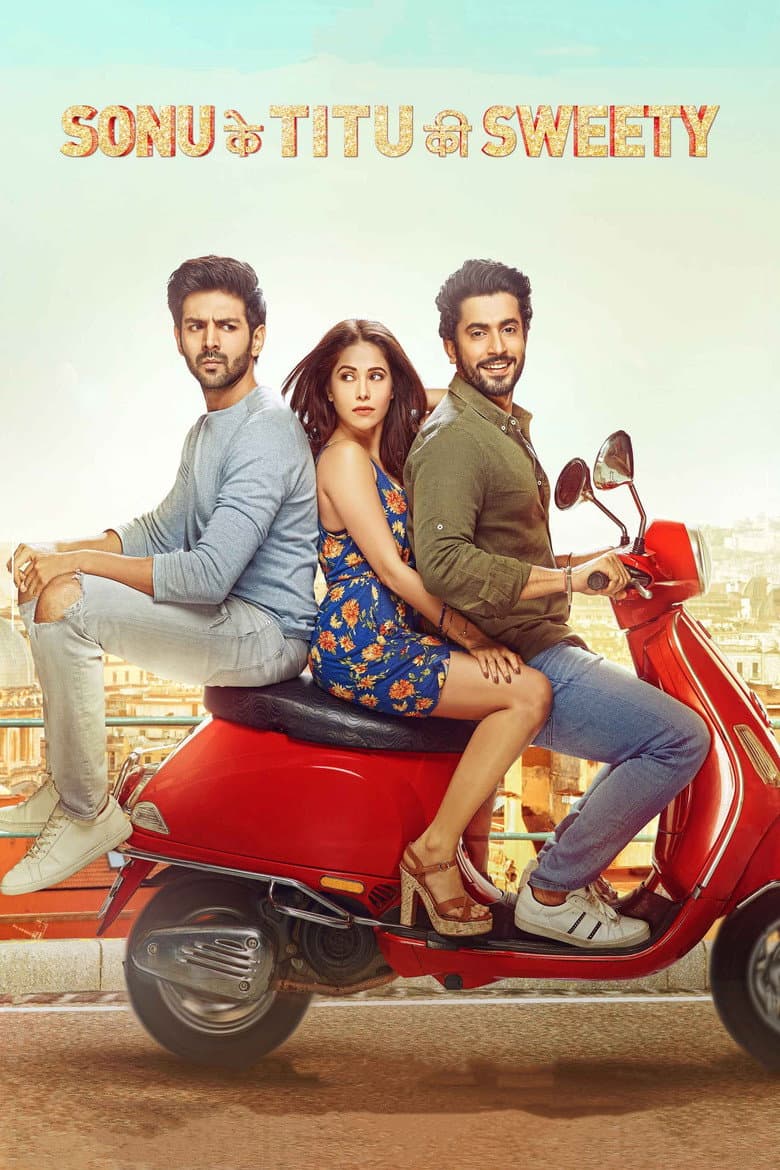
Movie · 2018
Titu is going to marry a perfect woman named Sweety. Titu's best-friend Sonu doubts Sweety's character and tries to break the marriage while Sweety tries to do opposite and which…
Movie · 2016
Mia, an aspiring actress, serves lattes to movie stars in between auditions and Sebastian, a jazz musician, scrapes by playing cocktail party gigs in dingy bars, but as success…
