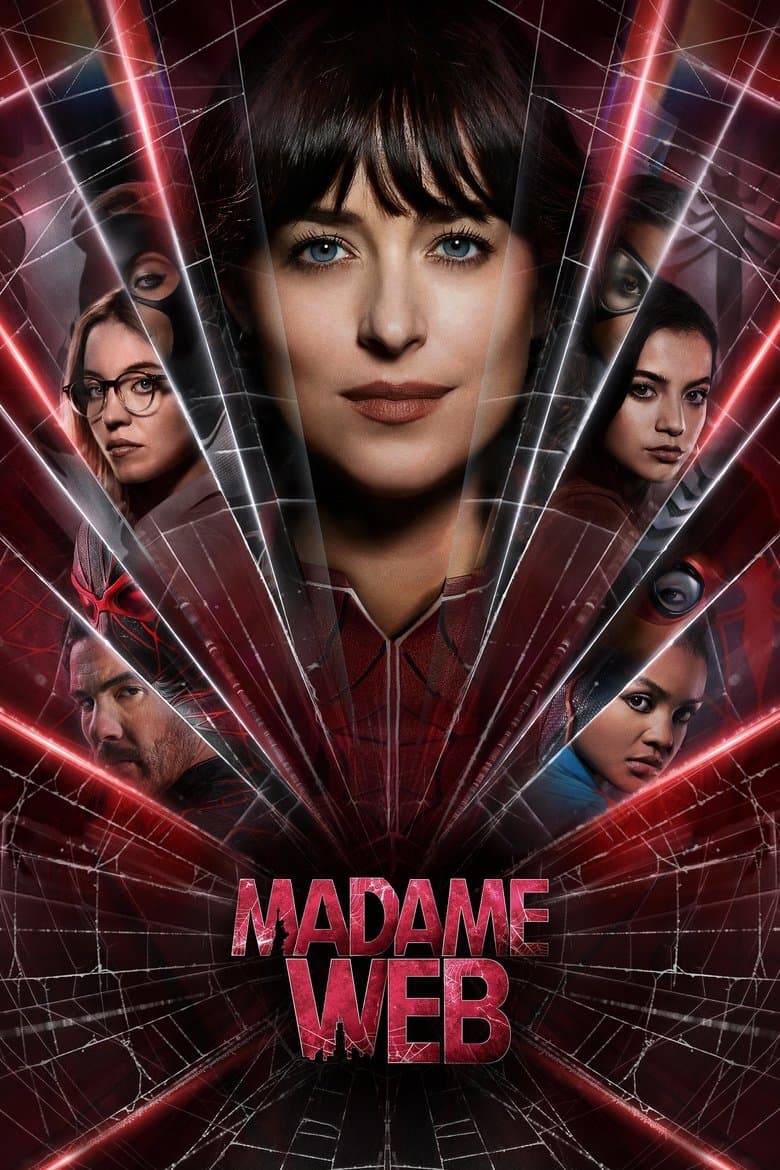
Madame Web follows Cassandra Webb, a New York paramedic who starts seeing deadly events before they happen. The story takes place in 2003, when Cassandra is still learning why her mother died in the Amazon. She uses her visions to protect Julia, Anya, and Mattie from Ezekiel Sims, a man who wants to kill them before they grow into spider-powered heroes. The movie mixes chase scenes, family secrets, teenage trouble, and a strange superhero origin story.
The movie places one adult woman and three teenage girls at the center of nearly every major danger and decision. Cassandra becomes a protector and guide, while the girls are shown as future heroes who will fight together. The group is also presented through a visibly mixed cast, with a white lead and three girls played by actresses of different ethnic backgrounds. The story treats female power, shared survival, and the bond between the women as important themes, but it does not build its plot around speeches about politics or identity.
Community feedback
Was our 46% Woke rating accurate?
Breakdown
These are the editorial factors and ratings behind our score for Madame Web.
Woke representation / casting
The film gives the most important hero roles to four women. The three teen heroines are played by Sydney Sweeney, Celeste O’Connor, and Isabela Merced, creating a clear mixed group of future heroes. The story does not explain those specific ethnic choices, and all three girls are presented as future saviors. New York can support this mix, so the gender and ethnic pattern is noticeable without being a strong mismatch with the setting.
38%
Woke political dialogue
Not present. The characters do not discuss DEI, racism, feminism, or current politics. Their lines focus on visions, family history, survival, and the villain.
0%
Identity-driven story themes
The film makes four women the main drivers of the story. Cassie protects three teenage girls because her visions show them becoming spider-powered heroes. The girls’ growing bond and future as a team shape the danger, the ending, and Cassie’s change into a caring guardian. The movie presents female strength and women helping women as a clear message, but it does not turn that message into a wider political argument.
44%
Western institutional / cultural critique
Not present. The villain uses violence and surveillance, but the story does not attack Western institutions, men as a group, capitalism, religion, or traditional family life. The conflict stays focused on prophecy, murder, and family secrets.
0%
Woke character or canon changes
Not relevant. The movie changes Madame Web from an older blind character into a young paramedic and makes the other heroines teenagers. Those changes serve the new origin story, and no identity or DEI reason is shown.
0%
Anti-woke backlash and complaints
Right-leaning coverage called the movie a feminist flop and a woke franchise failure. Social posts called it a woke Spider-Man spin-off and blamed an all-female superhero formula for the poor opening. The reaction had some reach and kept returning in later woke-flop lists. No organized boycott was clear, and much of the larger online anger focused on weak writing, bad editing, and missing Spider-Man links instead.
40%
Creator track record context
Most credited creators have no known political or activist record. Writer Kerem Sanga made a queer-centered coming-of-age film, while Dennis O’Neil wrote older comics about racism, war, and corruption. Casting director Victoria Thomas is linked to inclusive casting work, and S.J. Clarkson often directs stories with strong women. The team does not show a strong shared modern identity or DEI pattern.
30%
Production
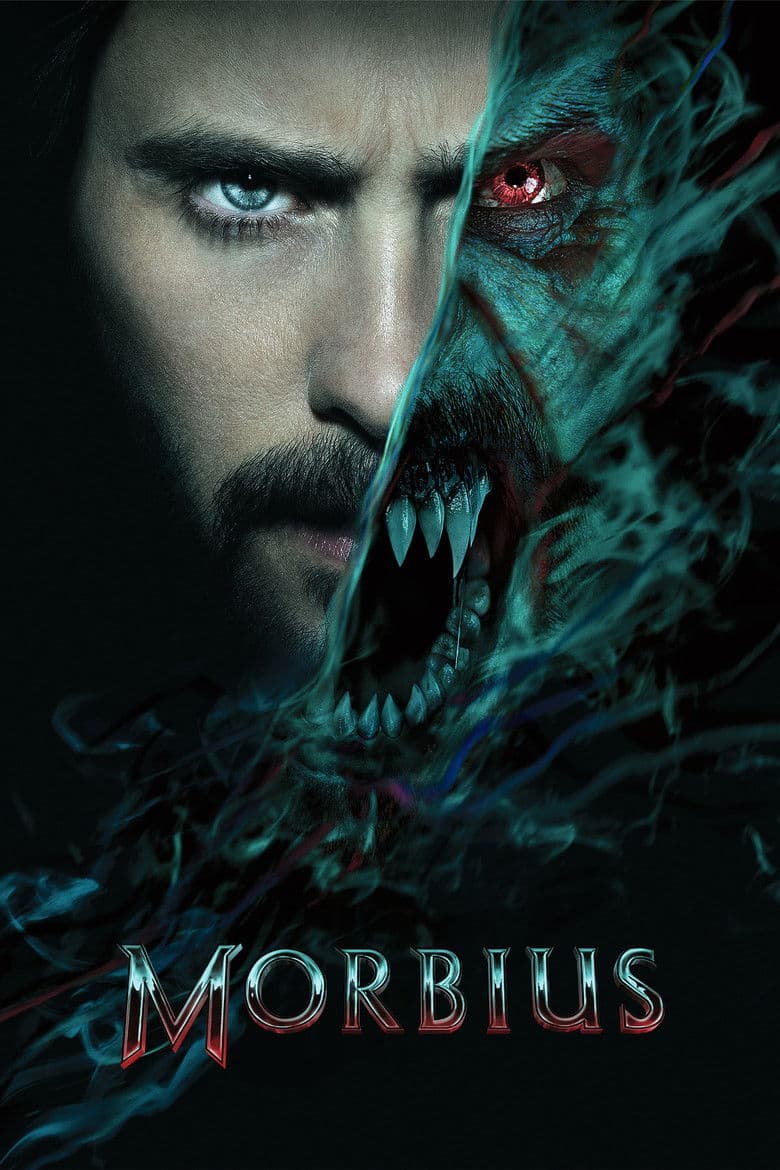
Movie · 2022
Dangerously ill with a rare blood disorder, and determined to save others suffering his same fate, Dr. Michael Morbius attempts a desperate gamble.
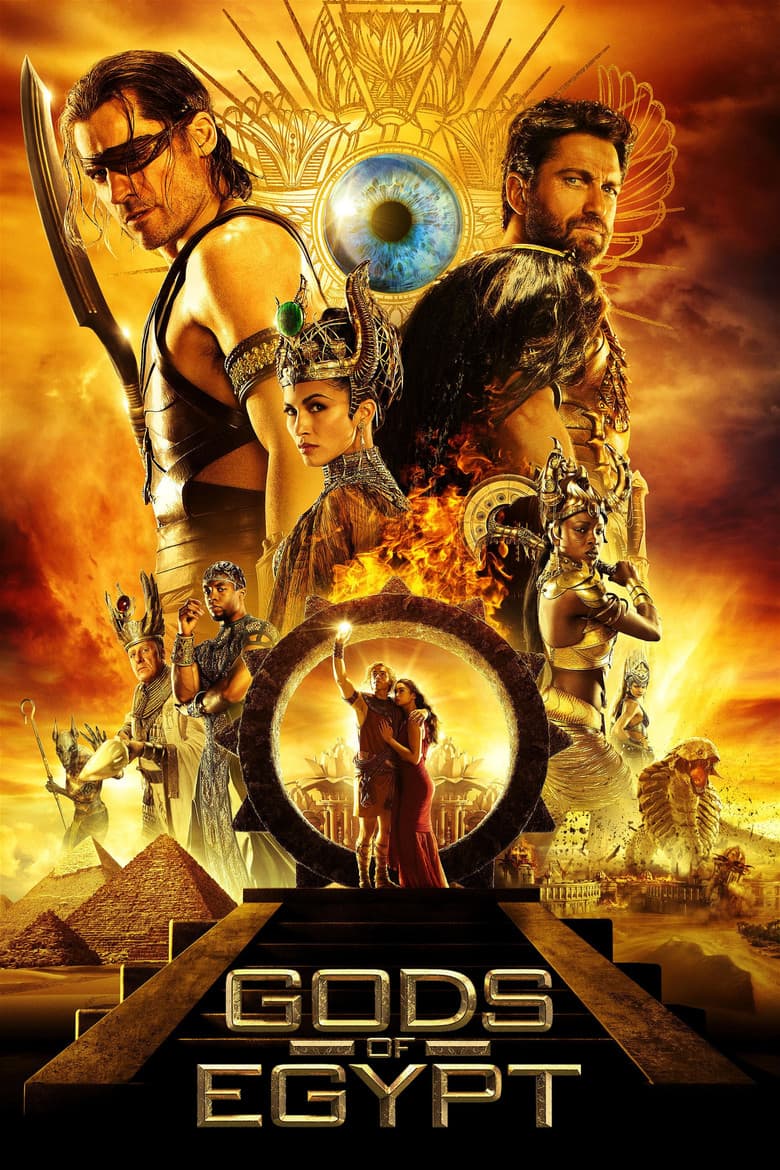
Movie · 2016
A common thief joins a mythical god on a quest through Egypt.
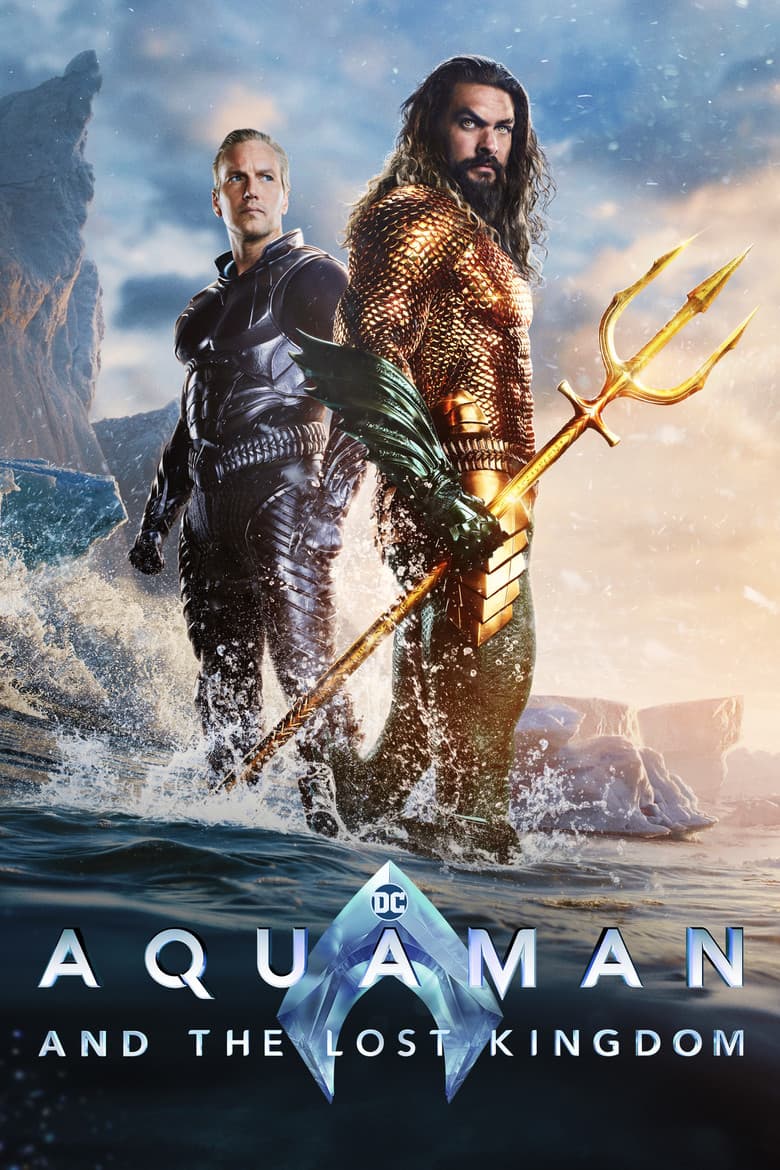
Movie · 2023
Black Manta seeks revenge on Aquaman for his father's death. Wielding the Black Trident's power, he becomes a formidable foe.
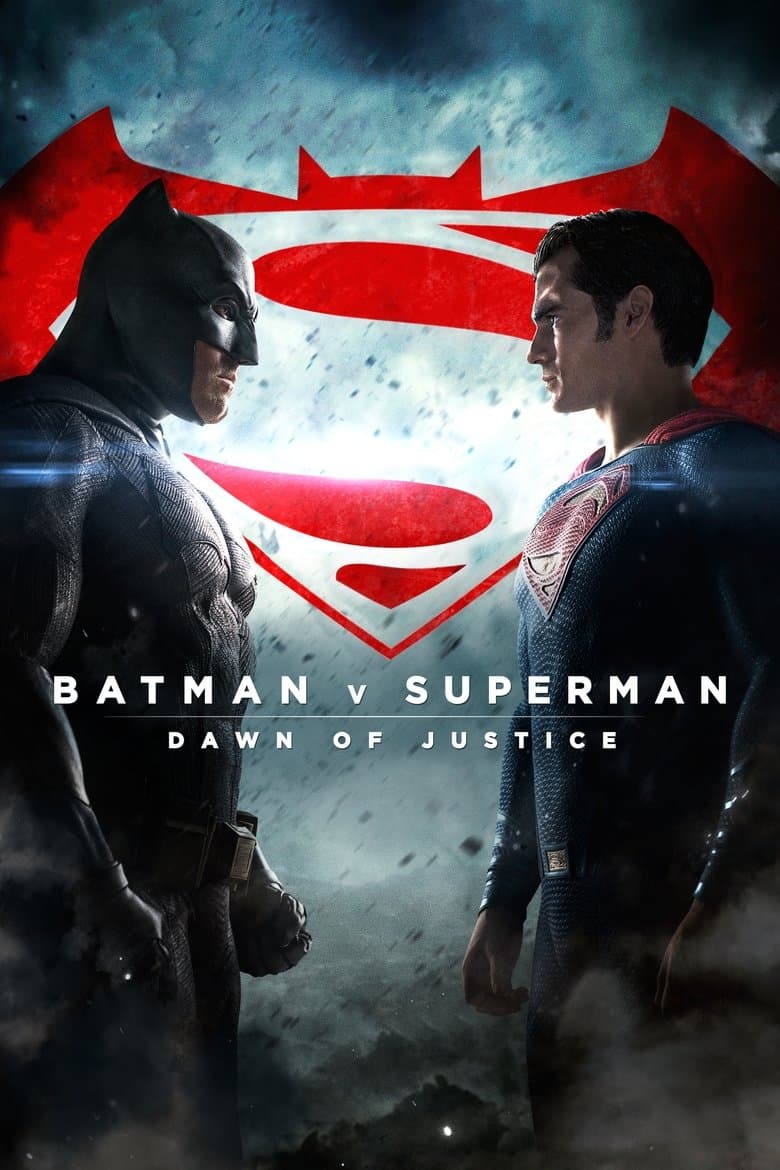
Movie · 2016
Fearing the actions of a god-like Super Hero left unchecked, Gotham City’s own formidable, forceful vigilante takes on Metropolis’s most revered, modern-day savior, while the…
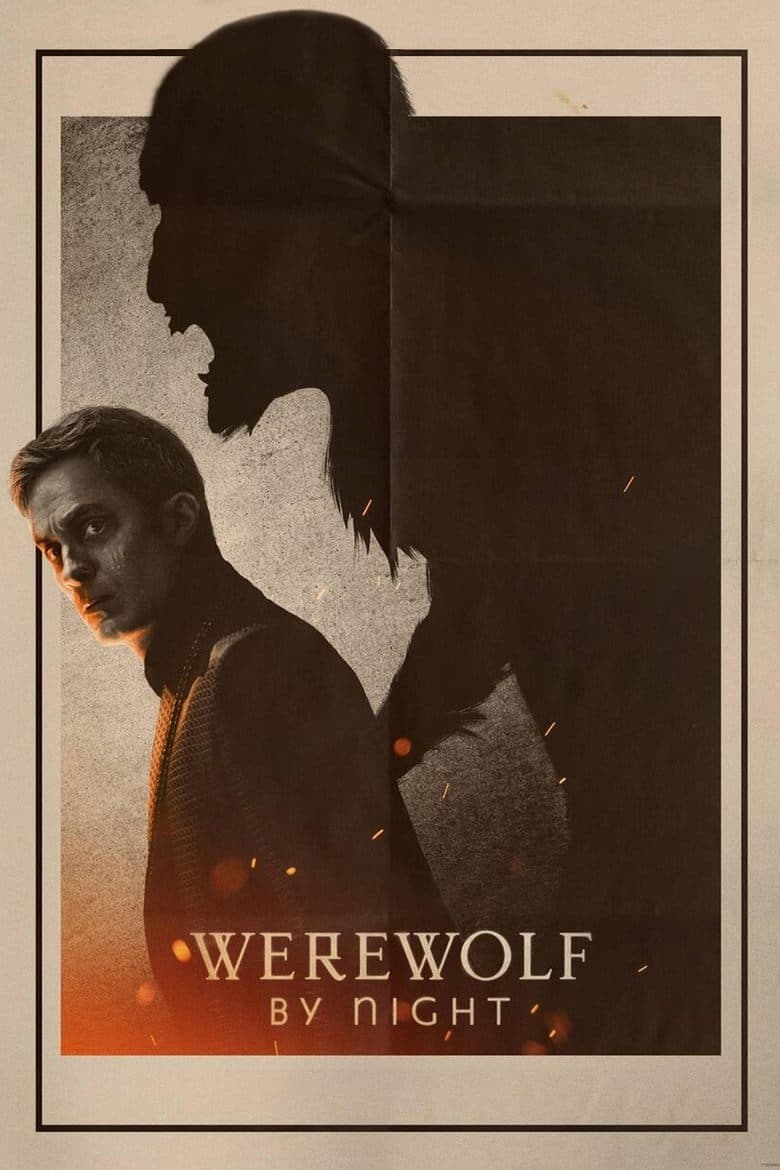
Movie · 2022
On a dark and somber night, a secret cabal of monster hunters emerge from the shadows and gather at the foreboding Bloodstone Temple following the death of their leader.
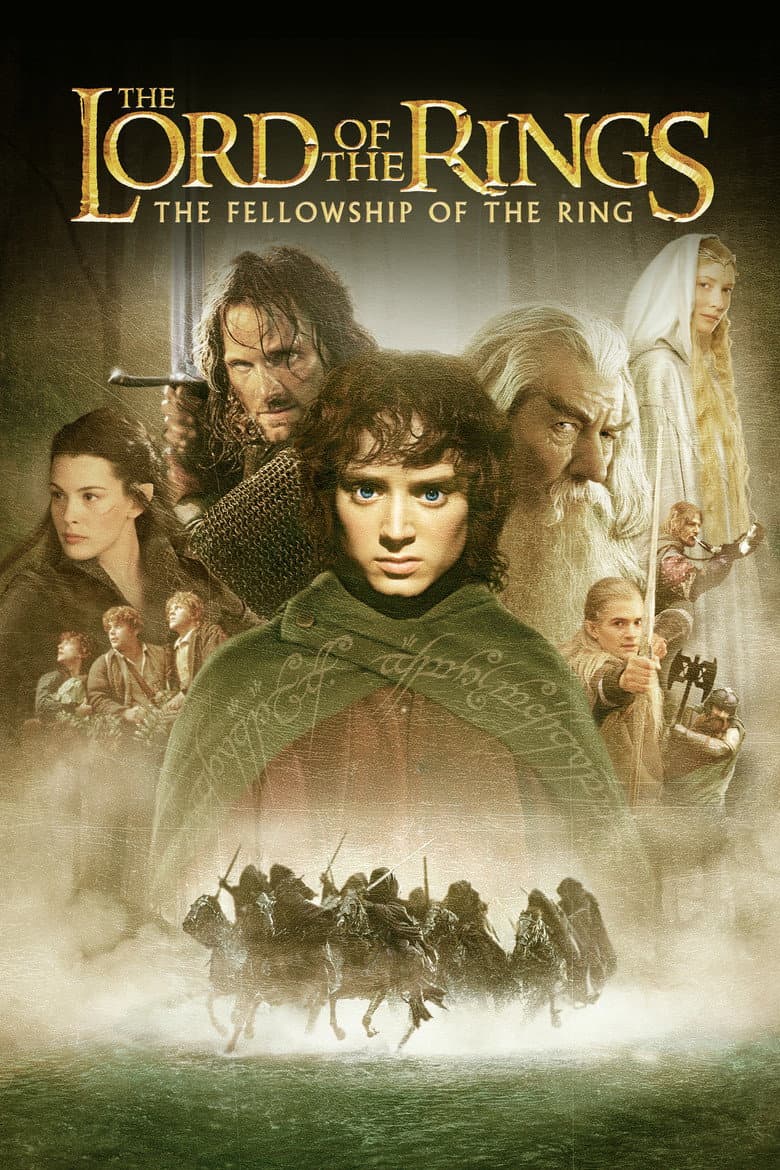
Movie · 2001
Young hobbit Frodo Baggins, after inheriting a mysterious ring from his uncle Bilbo, must leave his home in order to keep it from falling into the hands of its evil creator.
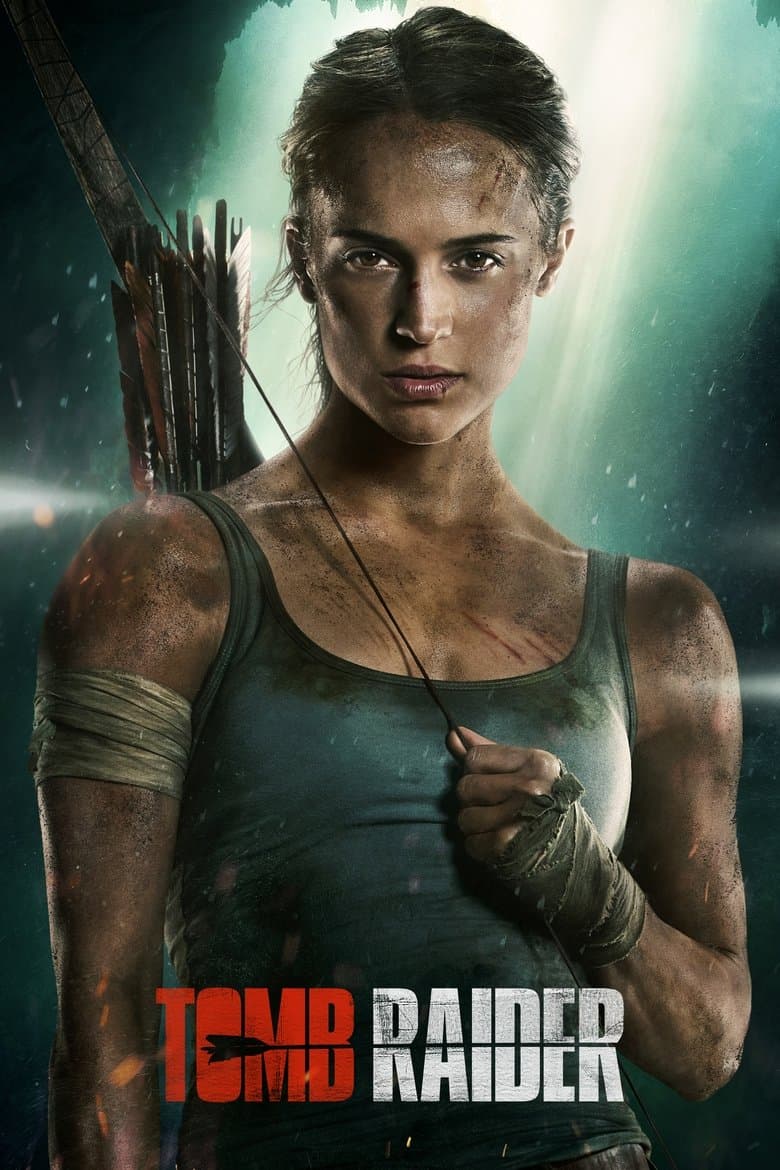
Movie · 2018
Lara Croft, the fiercely independent daughter of a missing adventurer, must push herself beyond her limits when she finds herself on the island where her father disappeared.
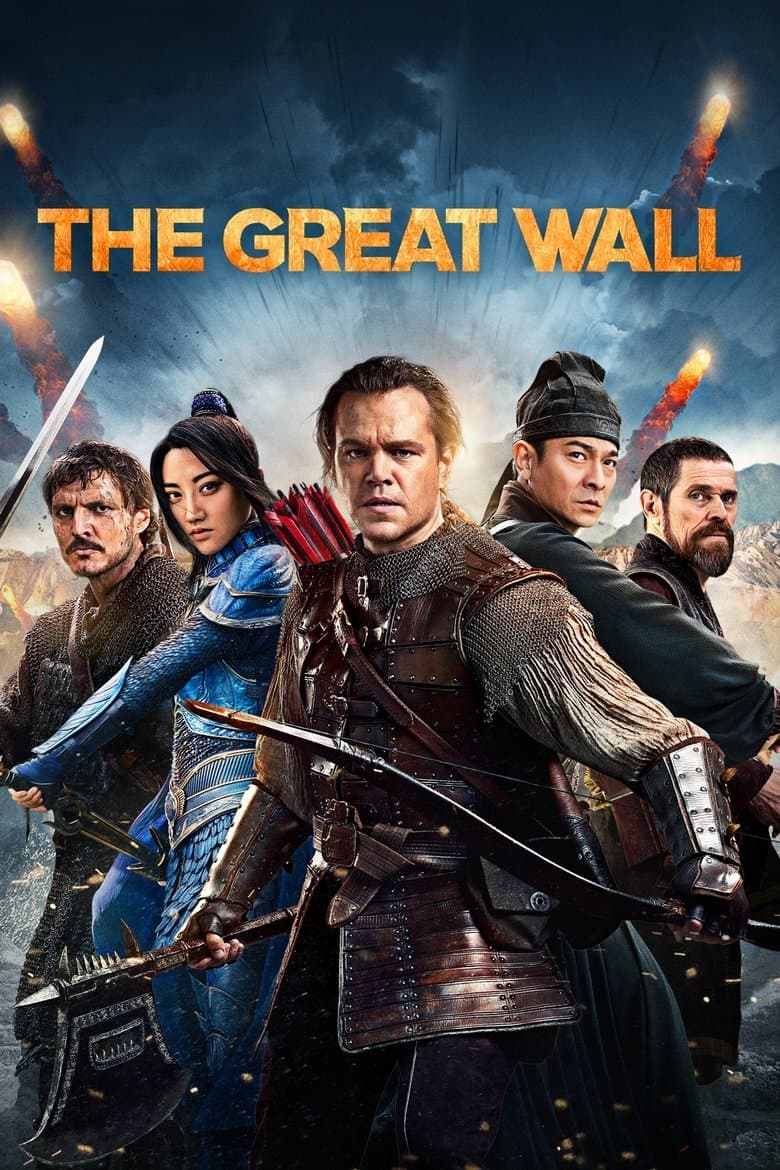
Movie · 2016
European mercenaries searching for black powder become embroiled in the defense of the Great Wall of China against a horde of monstrous creatures.
