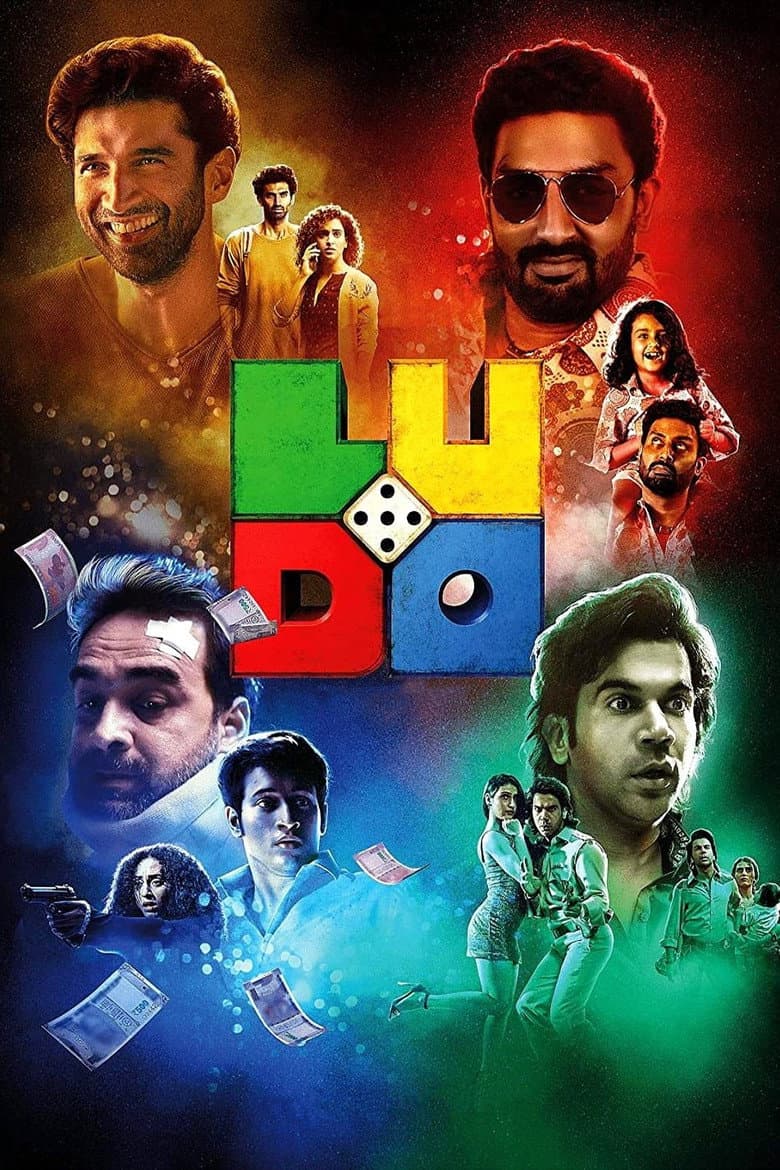
Ludo is a Hindi crime comedy set in a colorful, almost dreamlike version of modern India. A violent gangster named Sattu links four stories that follow people caught in love, money, family trouble, and bad luck. A couple tries to remove a leaked sex video before the woman’s wedding. A former gangster tries to reconnect with his daughter, while a lovesick restaurant owner helps a married woman and a nurse and a salesman run from killers with a suitcase of cash. The tone mixes danger, romance, crude jokes, bright songs, and strange coincidences.
The movie treats life like a game in which chance moves people around like colored pieces. It shows a woman facing public shame after a private video spreads, and it shows a nurse suffering abuse from a doctor. It also includes a short joke about a man being gay, a line about society disrespecting women, and jokes about media, government, religion, and wealthy social life. These moments are brief beside the crime plots, romances, family pain, and ideas about sin, luck, and whether good and bad depend on who is looking.
Community feedback
Was our 32% Woke rating accurate?
Breakdown
These are the editorial factors and ratings behind our score for Ludo.
Woke representation / casting
Not present. The film uses a mostly Indian ensemble that fits its modern Indian setting. The Kerala background and language gap for Sheeja serve the plot, and the film does not present the cast as a diversity statement.
0%
Woke political dialogue
The film includes a short joke that calls the media a puppet of the government and says cows give votes as well as milk. Another line says society disrespects women while discussing cheating and sexual abuse. The ending says that God, the devil, heaven, and hell are ideas people made to control a chaotic world. These lines give the comedy a mild attack on government, religion, and social problems, but they do not make up a repeated political speech.
28%
Identity-driven story themes
The film makes the leaked sex video a major problem for Shruti before her wedding. The film shows a doctor using his power to harass a nurse, and Sattu attacks him. A line says society disrespects women while the film discusses cheating and abuse. These gender-related ideas support parts of the plot, but the movie does not build its main message around feminism, identity politics, or female dominance.
24%
Western institutional / cultural critique
Not present. The film jokes about Indian media, police, government, religion, and wealthy social life. It does not build a modern activist attack on Western institutions, Christianity, or traditional family life.
0%
Woke character or canon changes
Not relevant. The film is an original crime comedy. It uses a brief Ramleela performance and Mahabharata discussion, but it does not rewrite those characters or change their identities.
0%
Anti-woke backlash and complaints
Right-leaning Hindu groups and accounts accused the film of mocking Hindu gods, cows, temples, and a Ramleela scene. Boycott calls against Ludo and Netflix appeared on X, and #Hinduphobic_AnuragBasu reportedly reached tens of thousands of posts. ThePrint, Koimoi, and Zoom reported the dispute, while the CBFC record lists religious visuals and a “prasad” joke as later changes. The available coverage is mainly online and partisan rather than a long national news cycle, and it focused on religious mockery rather than race or gender DEI.
55%
Creator track record context
Public profiles describe Anurag Basu and Allan Amin as mainly craft-focused and not activist. Bhushan Kumar is mainly business-focused, with some traditional and devotional material but no clear DEI profile. Trishaan has a modest inclusive casting record, while Shubham Gaur is described as professional rather than identity-first. This gives the title only a small creator track record context signal.
5%
Production

Movie · 2019
Istanbul Police Department homicide detectives encounter a murder nothing like they’ve seen before.Commissioners Emin, Salih, Asuman and deputy Alaattin begin investigating.But…
Movie · 2018
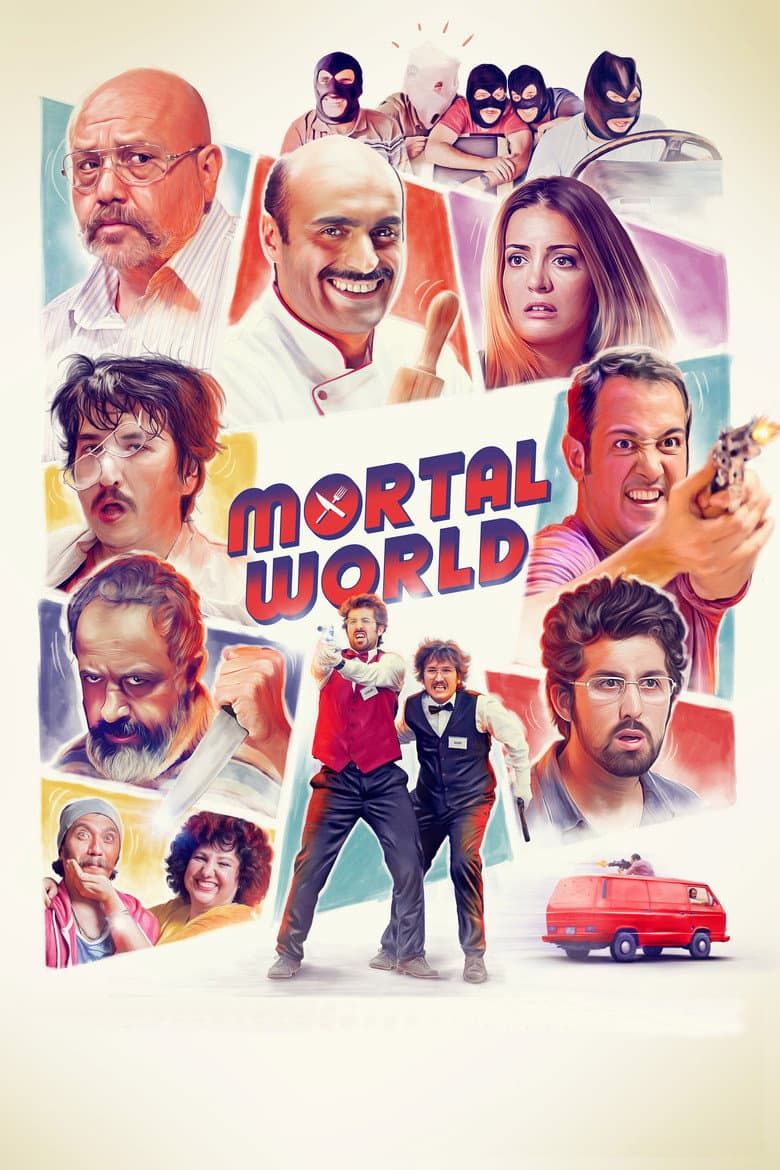
Mermer family, who has been managing a restaurant called “Anatolian flavors” in Haydarpasa train station for generations, consist of 8 members.
Movie · 2019
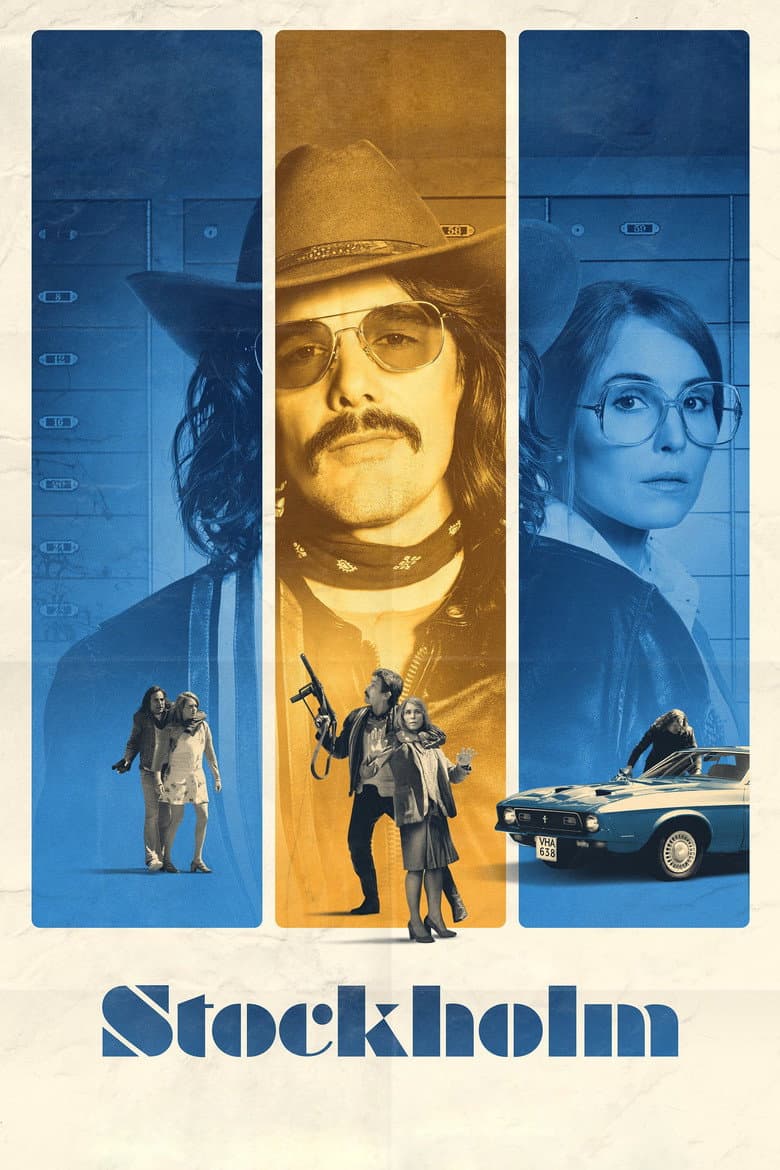
Based on the extraordinary true story of the European city’s 1973 bank heist and hostage crisis that was documented in the 1974 New Yorker article “The Bank Drama” by Daniel Lang.
Movie · 2026
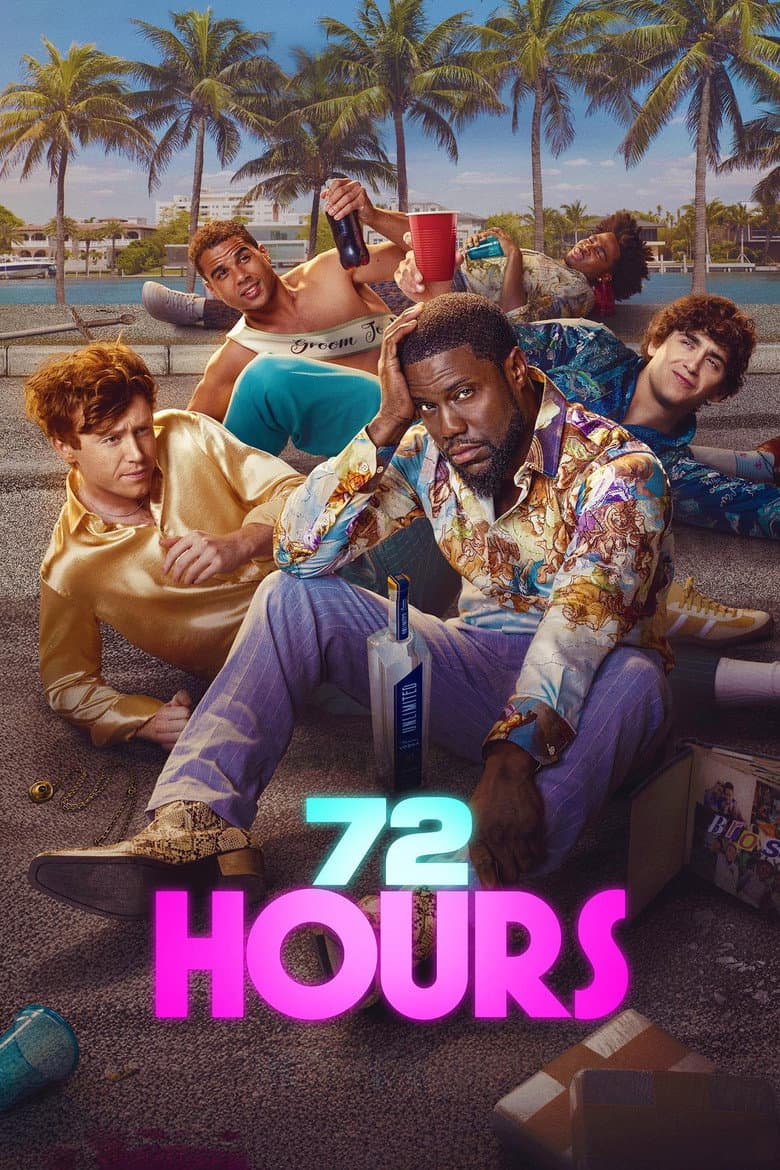
To save his career, a 40-year-old ad exec joins a crew of twentysomethings for a wild Miami bachelor party after they mistakenly add him to a group chat.
Movie · 2017
Desperate to pay the bills and come through for their loved ones, three lifelong pals risk it all by embarking on a daring bid to knock off the very bank that absconded with their…
Movie · 2017
In a locked down train station, a homicide detective conducts an interview with a tormented monkey who is suspected of murder.
Movie · 2024
Broke and depressed, Ray is mistaken for a dangerous hitman and given an envelope of cash. Along with his P.I.
Movie · 2024
Hired to cover up a high-profile crime, a fixer soon finds his night spiralling out of control when he's forced to work with an unexpected counterpart.
