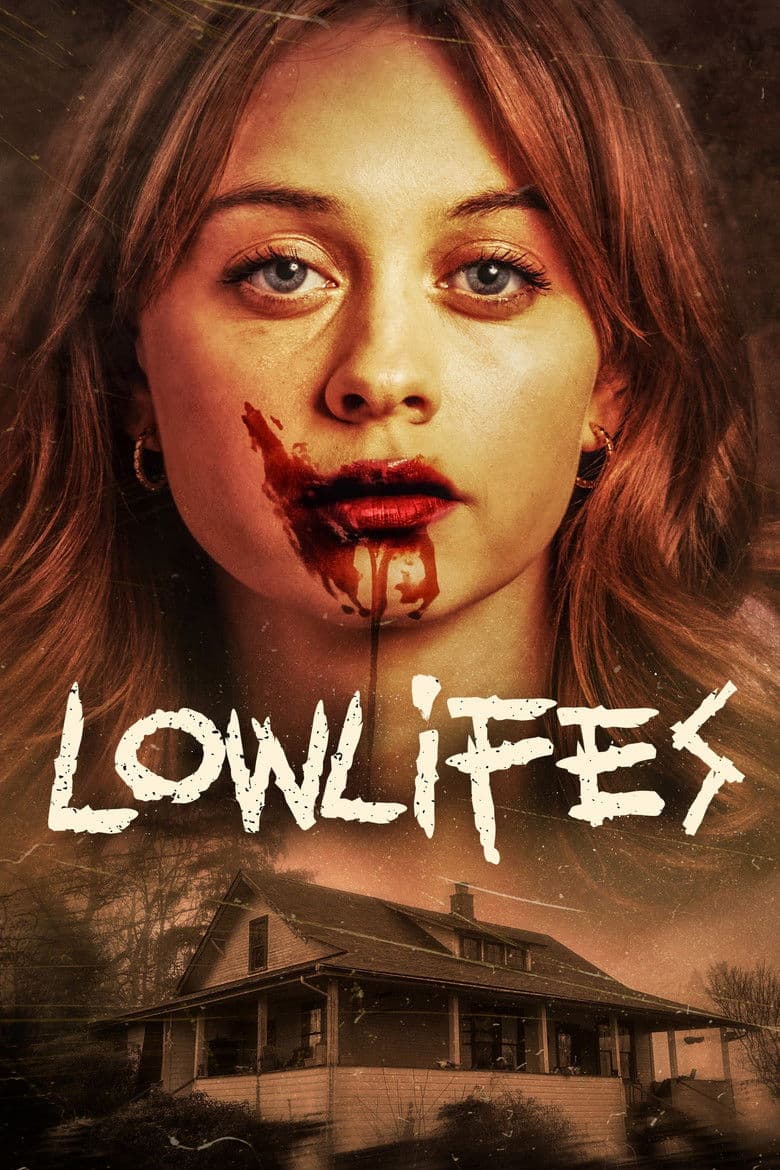
Lowlifes follows Keith, Kathleen, and their two children on an RV trip through rural America. After two local men seem to threaten them, the family accepts help and spends the night at a remote farm. The early twist reveals that the polite travelers are hunters who kill people and eat them, while the local family is mostly caring and defensive. The story becomes a bloody fight between two families, with black humor, sudden reversals, and graphic violence.
The clearest identity-driven element is Amy’s attraction to Savannah, one of the young women at the farm. The girls open up, kiss, and become tied to the film’s final struggle, while Amy’s father reacts with anger when he learns she likes women. The movie also uses Keith’s contempt for rural people and his belief that they are less worthy of life as part of its city versus country reversal. These points are visible, but the movie mainly uses them to drive a cruel horror story about violence, family control, and people being judged by their surface image.
Community feedback
Was our 37% Woke rating accurate?
Breakdown
These are the editorial factors and ratings behind our score for Lowlifes.
Woke representation / casting
Not present. The named cast does not show a clear representation-first pattern or a mismatch with the modern setting. The two female leads are important to the horror plot, but prominence alone does not make the casting woke.
0%
Woke political dialogue
Amy tells Keith that she would rather eat women than people after he reacts to her sexuality. Keith also questions how she can be a lesbian while having pop-star posters on her wall. The film uses these lines as crude jokes during a family fight. The identity talk stays in this short part of the movie and does not become a wider political speech.
31%
Identity-driven story themes
Amy hides her attraction to women and wants to escape her father’s control. Amy and Savannah share their fears, kiss, and become the emotional center of the final struggle. The story ties their relationship to Amy’s choice between her violent family and the local household, then lets Amy survive while Savannah dies. The film gives this queer side story real plot weight, but it remains part of a cannibal horror story rather than the main subject.
46%
Western institutional / cultural critique
Keith repeatedly treats the rural family as worthless and says they have no dreams or reason to live. The film reverses that view by making the polished city family the killers and the rural family the victims. This creates a mild class and city-versus-country critique, but it does not build a broad attack on capitalism, religion, or Western institutions.
14%
Woke character or canon changes
Not relevant. The movie is an original story with no established characters, source material, or historical figures to change.
0%
Anti-woke backlash and complaints
The supplied X research found no anti-woke reaction or title-specific complaints. Most Reddit and horror comments praised the twist, gore, and humor, although some viewers disliked the ending. Film Blitz called the lesbian side story unnecessary and complained about the film’s “gratuitous gayness,” which gives the title a small, isolated anti-woke complaint.
18%
Creator track record context
The cached scores are 0 for Mitch Oliver, 16 for Tesh Guttikonda, and 0 for Al Kaplan, while the producers range from 0 to 16. Their notes describe horror, comedy, and genre work without a strong activist or DEI pattern. That background gives little support for seeing this movie as part of a wider woke creator record.
4%
Production
Movie · 2017
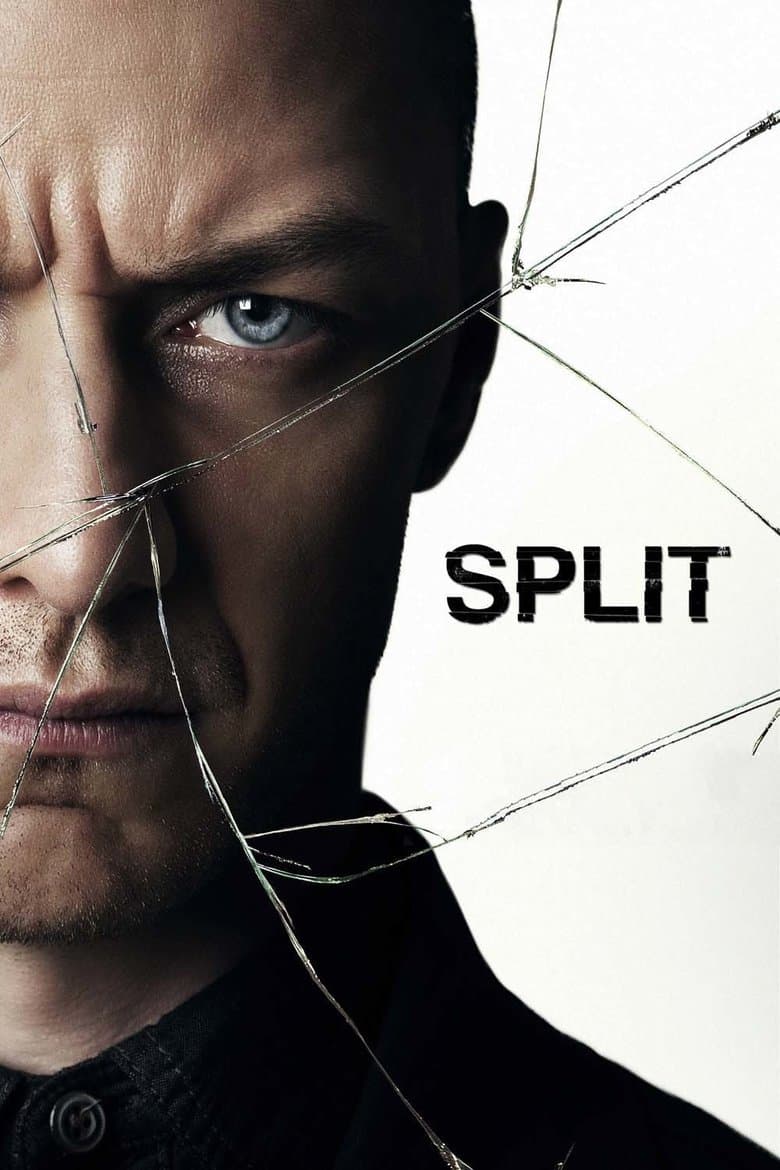
Though Kevin has evidenced 23 personalities to his trusted psychiatrist, Dr. Fletcher, there remains one still submerged who is set to materialize and dominate all the others.
Movie · 2024
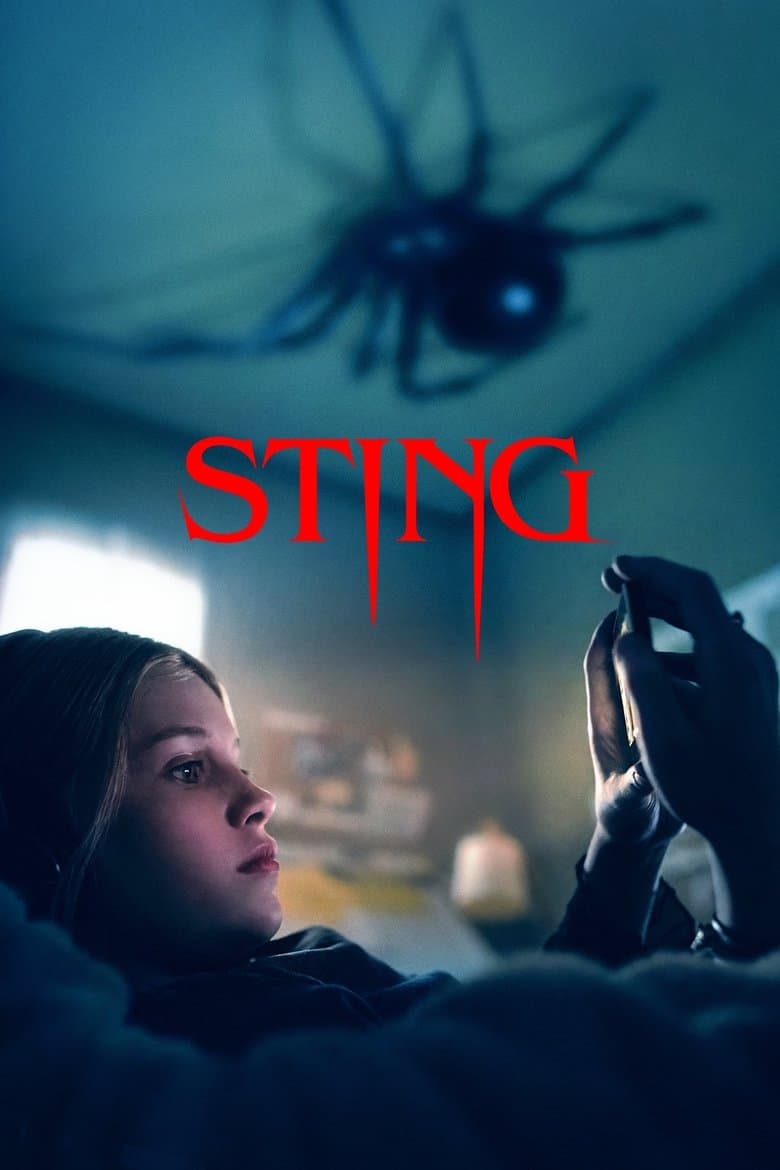
After raising an unnervingly talented spider in secret, 12-year-old Charlotte must face the truth about her pet and fight for her family's survival.

Movie · 2024
Nothing is what it seems when a twisted one-night stand spirals into a serial killer’s vicious murder spree.

Movie · 2024
In 1980s Hollywood, adult film star and aspiring actress Maxine Minx finally gets her big break. But as a mysterious killer stalks the starlets of Hollywood, a trail of blood…
Movie · 2025
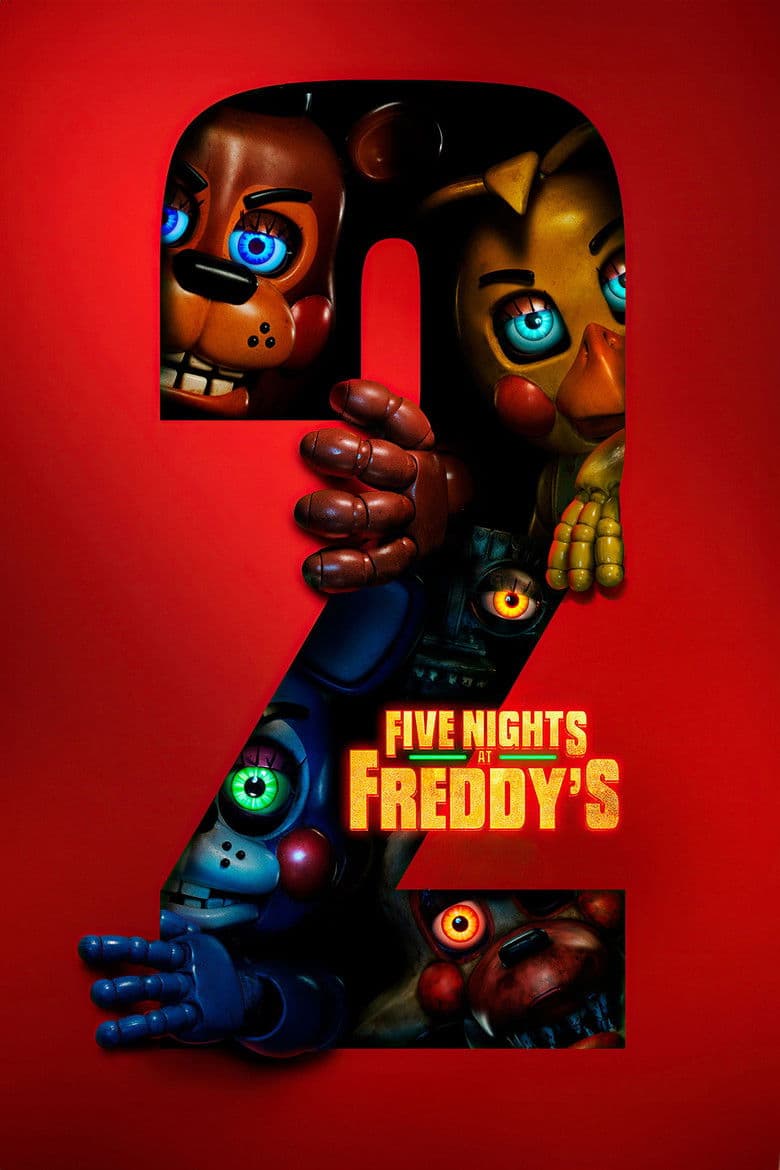
One year since the supernatural nightmare at Freddy Fazbear's Pizza, the stories about what transpired there have been twisted into a campy local legend, inspiring the town's…
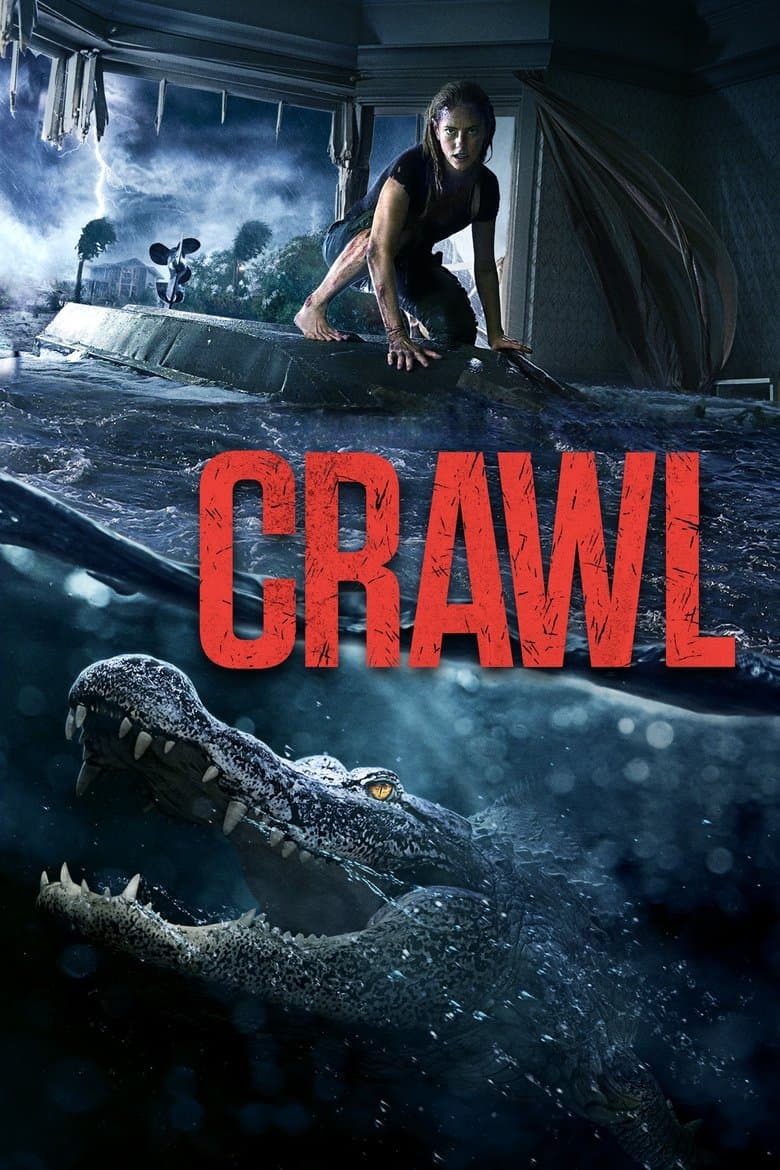
Movie · 2019
When a huge hurricane hits her hometown in Florida, Haley ignores evacuation orders to look for her father. After finding him badly wounded, both are trapped by the flood.
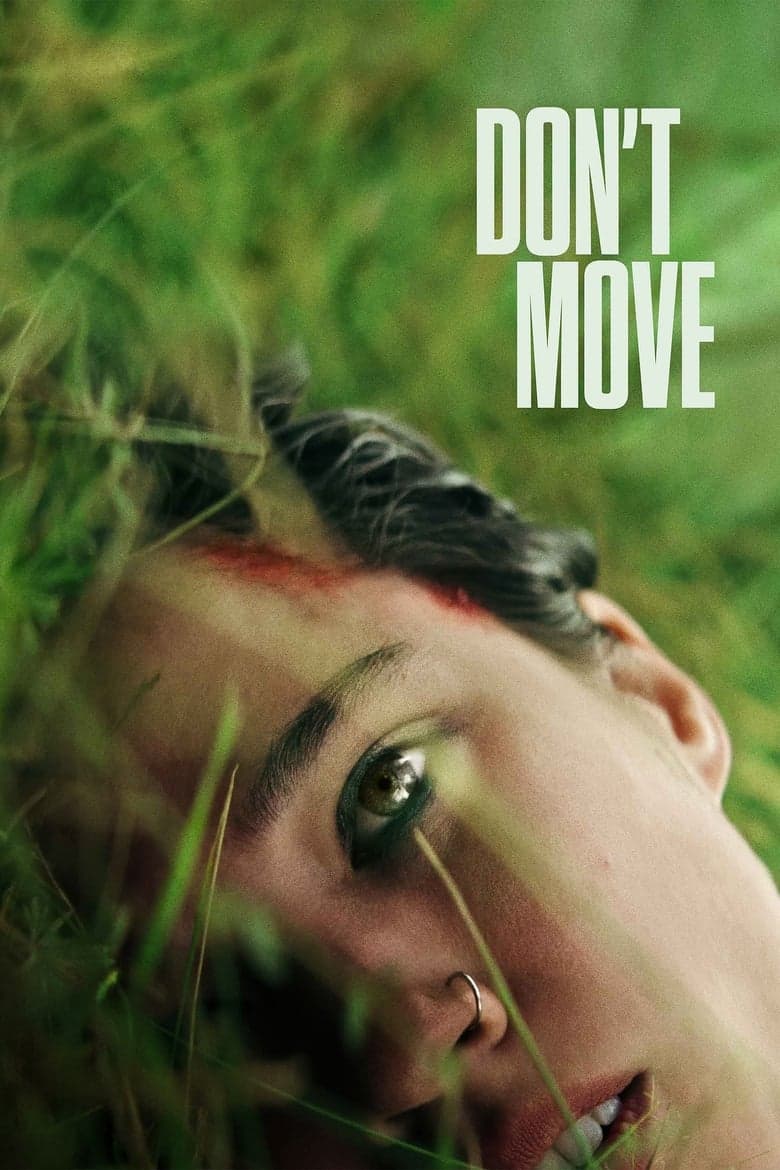
Movie · 2024
A grieving woman in a secluded forest encounters a killer who injects her with a paralytic drug. As her body shuts down, her fight for survival begins.
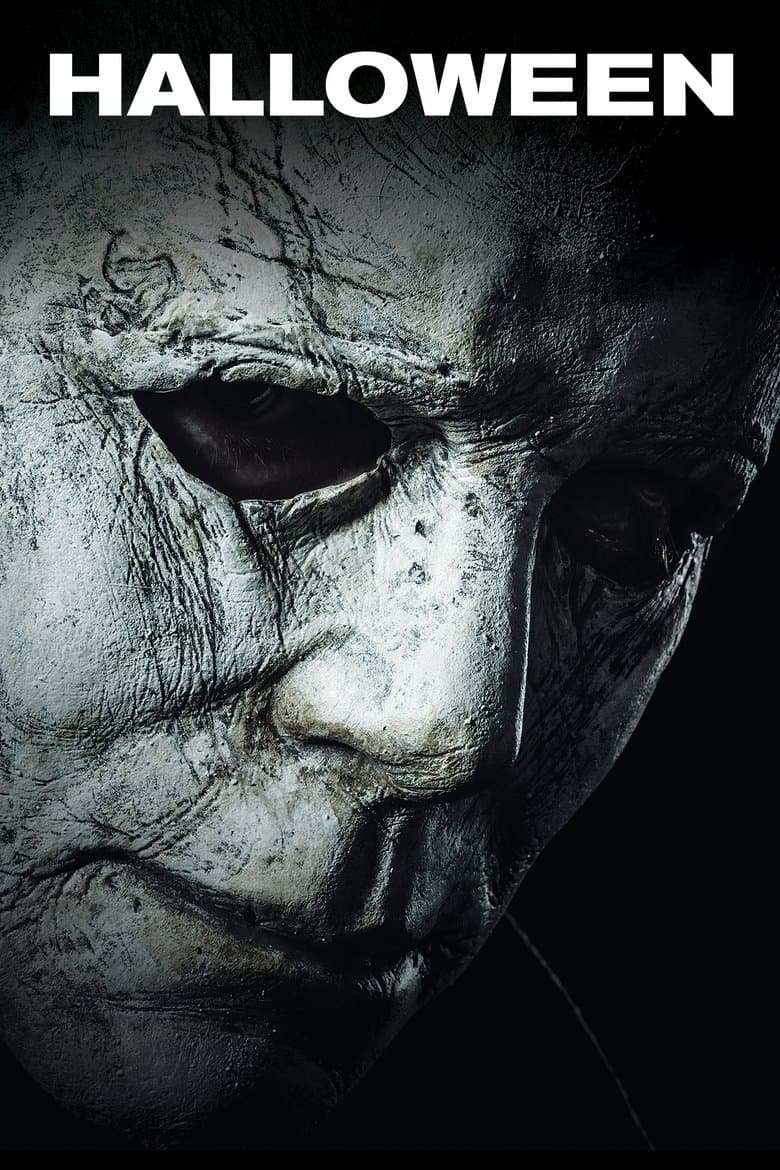
Movie · 2018
Laurie Strode comes to her final confrontation with Michael Myers, the masked figure who has haunted her since she narrowly escaped his killing spree on Halloween night four…
