
Katherine Loewe is a famous American novelist who travels to a quiet writers’ retreat in Morocco after a long relationship ends. She hopes the change of place will break her writer’s block, but she mostly avoids the other guests and the retreat’s busy social life. Owen Brophy is a younger finance worker who comes with his novelist girlfriend, Lily, and he also feels out of place. Katherine and Owen grow close while both question the lives they have been living, and the film uses a slow, dreamy, and sometimes awkward tone.
The clearest identity-driven element is the central romance between a successful older woman and a younger man. The story treats Katherine’s age, career, sexual desire, and right to seek a new life as normal parts of her character rather than as a joke. It also shows Owen feeling small beside Lily’s writing success, then finding a more equal bond with Katherine, which gives the film a mild challenge to older dating and gender roles. The movie adds a brief moral conflict about Owen’s private-equity work buying a coal company, but that issue stays beside the romance and does not become a full political message.
Community feedback
Was our 36% Woke rating accurate?
Breakdown
These are the editorial factors and ratings behind our score for Lonely Planet.
Woke representation / casting
The lead casting makes the age and gender reversal visible. Laura Dern plays a successful older novelist, and Liam Hemsworth plays the much younger man who becomes her love interest. This pairing goes beyond the more common older-man and younger-woman romance pattern. The film does not make a wider diversity message the main point.
18%
Woke political dialogue
The film has a brief anti-corporate point. Owen talks about his private equity job and a plan to buy land for coal mining. The plan includes pushing out the current owner, and the movie treats that choice as morally troubling. The point stays in a small side plot and does not become repeated activist speech.
12%
Identity-driven story themes
The film makes an older woman’s desire and romantic choice the center of the story. Katherine is a successful writer who pursues a younger man after her long relationship ends. The movie treats her age and sexuality as normal, while it shows male insecurity around women who are more successful or more experienced. The age-gap romance gives these gender and age expectations a continuing role, even though the film does not use activist language.
38%
Western institutional / cultural critique
The film shows Owen as a finance worker whose company plans to buy land for coal mining and push out its owner. The plan makes private equity and corporate power look suspect, but the story gives the issue only a few scenes. The romance also treats Owen’s jealousy of successful women as a flaw and gives Katherine more control over the relationship. These points create a mild critique of corporate power and old gender habits, but they do not dominate the movie.
24%
Woke character or canon changes
Not relevant. The movie is an original romance and does not change an established character, canon, source text, or real historical event.
0%
Anti-woke backlash and complaints
Not present. No searched complaint said that the film pushes woke, DEI, or identity politics. Public criticism focused on weak chemistry, the age gap, cheating, and the romanticized Morocco setting.
0%
Creator track record context
Susannah Grant has a stored score of 36/100 because her work often uses strong female leads and she has supported more chances for women behind the camera. Sarah Timberman has a stored score of 62/100 because she has backed women-centered stories and discussed feminism and women’s stories. The other stored producer scores are low, from 9 to 25. Together, these records give the film moderate female-centered context but do not show a strong shared identity-politics pattern.
34%
Production

Movie · 2017
In 1950s London, a renowned dressmaker's meticulous lifestyle begins drastically changing as his relationship with his young muse intensifies.

Movie · 2018
German artist Kurt Barnert has escaped East Germany and now lives in West Germany, but is tormented by his childhood under the Nazis and the GDR regime.
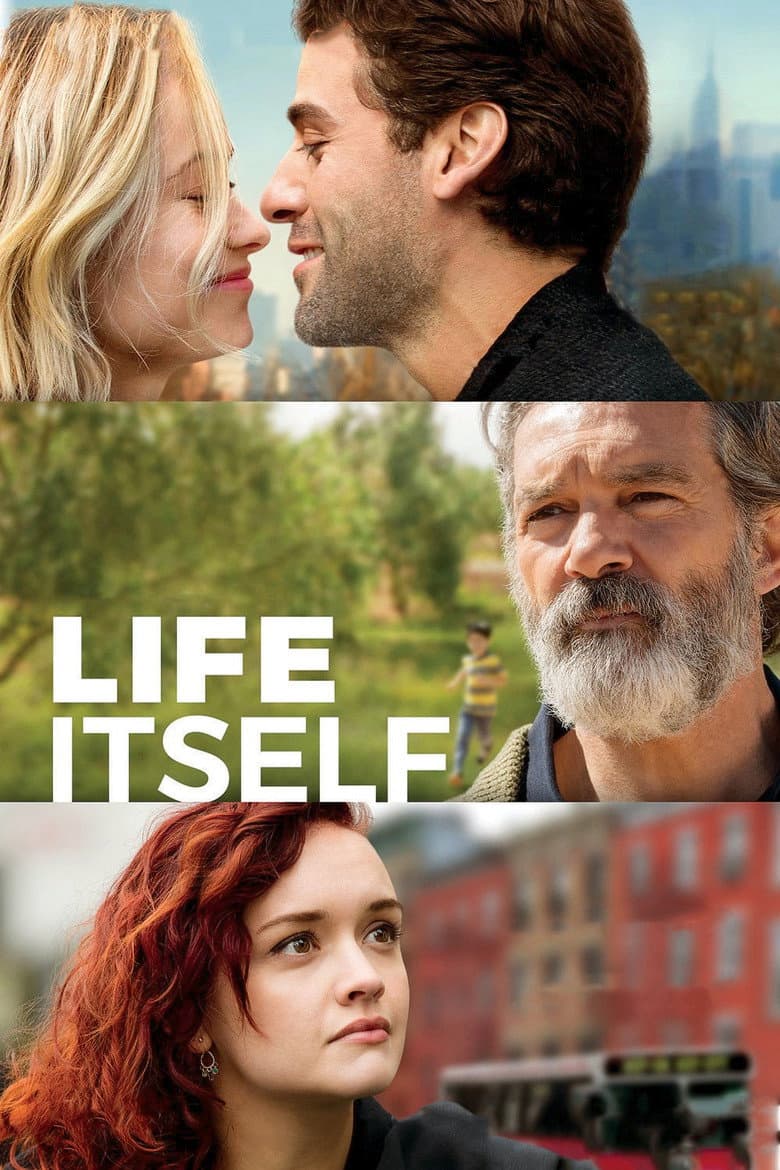
Movie · 2018
As a young New York couple goes from college romance to marriage and the birth of their first child, the unexpected twists of their journey create reverberations that echo over…

Movie · 2018
Seasoned musician Jackson Maine discovers — and falls in love with — struggling artist Ally. She has just about given up on her dream to make it big as a singer — until Jack…

Movie · 2023
Hadley and Oliver begin falling in love on a flight from New York to London, but when they lose each other at customs, can they defy all odds to reunite?

Movie · 2025
Sarah and David are single strangers who meet at a mutual friend’s wedding and soon, through a surprising twist of fate, find themselves on a funny, fantastical, sweeping…

Movie · 2024
Remi and Barnes, two very different teenagers, meet by chance in the winter of their senior year, then spend four days together over the course of a year that will change their…

Movie · 2017
A brilliant but impulsive young surgeon spirals into self-destruction after a painful breakup, struggling to cope with love, loss, and the consequences of his own temper.
