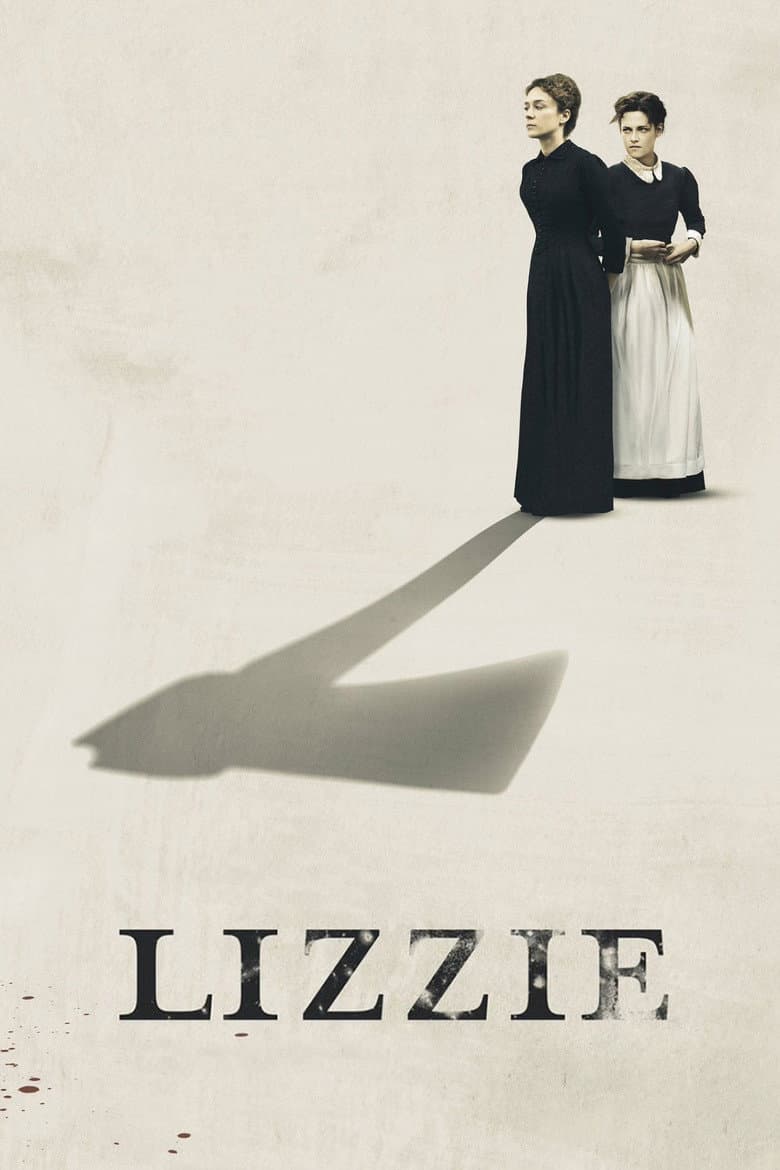
In 1892 Fall River, Massachusetts, 32-year-old Lizzie Borden lives in a tight, unhappy home ruled by her cold father, Andrew. The unmarried Lizzie feels trapped by family rules, money worries, illness, and threats that she could be sent away. When Irish maid Bridget Sullivan arrives, Lizzie finds someone who listens to her and shares her loneliness. The film uses a slow, dark thriller style as fear, desire, and anger build toward the axe murders of Lizzie’s father and stepmother.
Lizzie and Bridget become lovers, and their secret bond is a main part of the story. The film presents the women as seeking care and freedom in a home where men control money, work, movement, and bodies. Andrew abuses Bridget, while Lizzie faces control from her father and violence from her uncle. The women then plan and carry out the murders, so the film treats the killings as revenge against male power as well as a crime mystery.
Community feedback
Was our 90% Woke rating accurate?
Breakdown
These are the editorial factors and ratings behind our score for Lizzie.
Woke representation / casting
Not present. The main cast fits the white Massachusetts family and Irish maid shown in the story. The film does not build a diversity-first group or use unusual identity casting in its central roles.
0%
Woke political dialogue
Lizzie tells Bridget, “Men don’t have to know things. Women do.” Lizzie also speaks about male control, lost freedom, and standing as an equal to her father. The film places these ideas at key moments around the romance and murders. The dialogue carries a clear gender message, but it does not turn into a long speech.
36%
Identity-driven story themes
Lizzie and Bridget become lovers, and their relationship drives the main plot. The film presents their bond as a hidden queer life inside a home ruled by men. Lizzie’s anger grows from her father’s control, while Bridget suffers sexual abuse from him. The women treat the murders as revenge and a path to freedom, so identity and support between women stay central.
88%
Western institutional / cultural critique
The film shows the Borden household as a system where men control women’s money, work, movement, and bodies. Andrew’s abuse of Bridget and John’s attack on Lizzie make male power the main source of danger. The story links that power to the threat of an asylum and to the male authorities who judge Lizzie. Lizzie and Bridget’s revenge is presented as a break from that order.
65%
Woke character or canon changes
The film changes the historical story by making Lizzie and Bridget secret lovers. The film also makes Bridget a willing co-conspirator and adds repeated sexual abuse by Andrew. Historical accounts say the affair is unproven, and the real Bridget was not a murder suspect. These changes reshape the motive, the murder scene, and the meaning of the case.
82%
Anti-woke backlash and complaints
Small X accounts called the lesbian relationship woke, gay, or crazy, and another called the invented affair nonsense. A separate online review objected to the movie as “vehemently anti-man” and attacked its gender message. Mainstream coverage often called the film feminist or tied it to #MeToo, but no large boycott or review-bombing campaign appeared. The anti-woke backlash stayed real but fringe.
27%
Creator track record context
Macneill’s public record includes some gender-conscious and queer work, but much of his wider work is dark psychological drama. Kass has a limited public record and no clear pattern of activism. Sevigny has repeatedly worked on queer and gender-focused material and has supported inclusion-rider and Time’s Up efforts. Most other credited producers have little public political profile, so the creator signal is clear but mixed.
56%
Production

Movie · 2021
Deputy Sheriff Joe "Deke" Deacon joins forces with Sgt. Jim Baxter to search for a serial killer who's terrorizing Los Angeles.
Movie · 2017
A traumatized veteran, unafraid of violence, tracks down missing girls for a living. When a job spins out of control, his nightmares begin to overtake him, and a conspiracy is…
Movie · 2016
A U.S Customs official uncovers a massive money laundering scheme involving Pablo Escobar.

Movie · 2016
Alex, an immigrant from Ukraine comes to Canada and becomes involved with an online criminal organization called Darkweb.
Movie · 2021
A cold and mysterious new security guard for a Los Angeles cash truck company surprises his co-workers when he unleashes precision skills during a heist.
Movie · 2017
The story of the kidnapping of 16-year-old John Paul Getty III and the desperate attempt by his devoted mother to convince his billionaire grandfather Jean Paul Getty to pay the…

Movie · 2022
After escaping a Michigan prison, a charming career criminal assumes a new identity in Canada and goes on to rob a record 59 banks and jewellery stores while being hunted by a…

Movie · 2025
Struggling single father Jerry indoctrinates his son Joe into the sovereign citizen movement, teaching him that laws are mere illusions and freedom is something you take.
