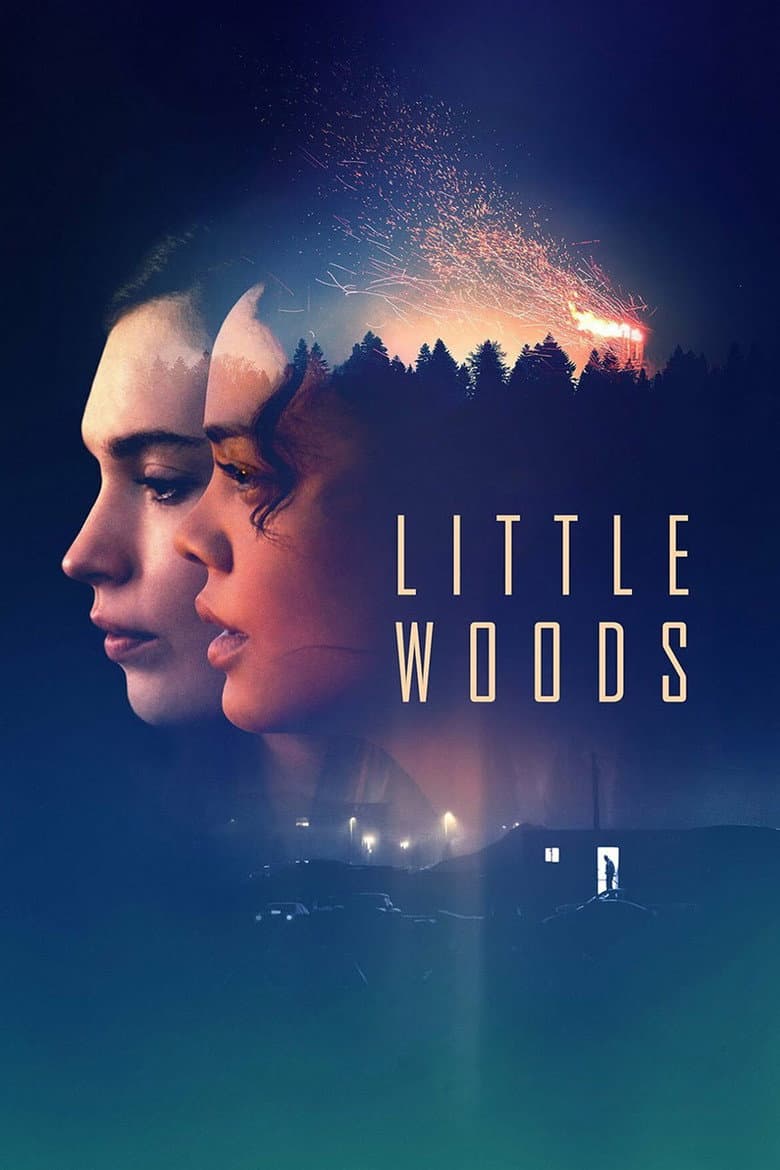
Little Woods follows Ollie, a woman on parole in a fading North Dakota oil town. She wants to leave her old life of smuggling pills and move to Spokane. Her sister Deb is pregnant, raising a young son, and facing a lost home, an unreliable father, and bills she cannot pay. Ollie returns to crime when Deb needs help, and the sisters face drug dealers, border danger, and a hard choice. The film feels cold, tense, sad, and grounded in daily struggle. The film puts women's poverty, pregnancy, abortion access, and support between the sisters at the center. Deb learns that giving birth without insurance may cost thousands of dollars, while the nearest legal clinic is far away. Ollie is the most capable person in the story, and men are often shown as threats, weak partners, or parts of the system that traps the sisters. The story treats health care, bank debt, drug laws, and the oil boom as forces that push poor people into crime. These ideas are important throughout the plot, but the movie presents them through a quiet family thriller instead of long political speeches.
Community feedback
Was our 71% Woke rating accurate?
Breakdown
These are the editorial factors and ratings behind our score for Little Woods.
Woke representation / casting
The film gives its most capable central role to Ollie, played by black actress Tessa Thompson, and makes her the family’s main problem-solver. Ollie’s adoption by Deb’s mother explains why the sisters are racially different. Interviews and coverage frame the project as a woman-led story from a black woman’s point of view. The remaining main cast is mostly white, and the film does not build a broad diversity showcase.
34%
Woke political dialogue
Deb asks a clinic worker about the cost of pregnancy and hears that it may be $8,000. The sisters discuss the lack of insurance and the long trip to a legal abortion clinic. Ollie says that choices are only as good as a person’s options, linking the family crisis to the world around them. The film uses these lines in several scenes, but it does not stop for a long political speech.
37%
Identity-driven story themes
The story makes women’s poverty and reproductive care part of its main conflict. Deb’s pregnancy, her decision to seek an abortion, and the barriers around that decision drive the plot. Ollie is repeatedly shown as the most capable protector, while men are often threats, weak partners, or obstacles. The sisters’ bond becomes the film’s main source of strength and its hopeful ending. These themes remain central even though the movie also works as a crime thriller.
65%
Western institutional / cultural critique
The bank, health system, border rules, and parole system all block the sisters from a safe and legal path. The oil boom leaves the town with high costs, injured workers, and easy demand for pills. The story treats abortion access as a problem of distance and money instead of a moral debate. The movie rarely names political parties or gives speeches, but its repeated view of these systems is clearly critical.
55%
Woke character or canon changes
Not relevant. The film is an original story about Ollie and Deb. It does not change a known character, source story, or real historical event.
0%
Anti-woke backlash and complaints
Movieguide published a strongly negative review that called the film feminist, politically correct, pro-abortion, and anti-capitalist. That review is a clear anti-woke complaint about the film’s message. The complaint did not lead to a broad boycott, review-bombing campaign, or major news cycle. Other coverage mostly praised the film or described its politics as quiet and tied to the story, so the backlash remains limited.
24%
Creator track record context
DaCosta’s stored record includes racial justice themes and public support for Black Lives Matter. Thompson’s stored record includes advocacy for LGBTQ+ visibility, racial representation, and more women directors. Fung and Nadig’s stored records show repeated support for women filmmakers and underrepresented stories, while the other producers have lower scores. The film matches that context through its women-led story and focus on health and reproductive access.
55%
Production
Movie · 2016
An American Ambassador is killed during an attack at a U.S. compound in Libya as a security team struggles to make sense out of the chaos.

Movie · 2016
When Krisha returns to her estranged family for Thanksgiving dinner, past demons threaten to ruin the festivities.

Movie · 2025
A broker of lucrative payoffs between corrupt corporations and the individuals who threaten them breaks his own rules when a new client seeks his protection to stay alive.
Movie · 2018
Two lifelong friends head up to an isolated Scottish Highlands village for a weekend hunting trip that descends into a never-ending nightmare as they attempt to cover up a…

Movie · 2023
In 1988, American video game salesman Henk Rogers discovers the video game Tetris. When he sets out to bring the game to the world, he enters a dangerous web of lies and…
Movie · 2017
The story of the kidnapping of 16-year-old John Paul Getty III and the desperate attempt by his devoted mother to convince his billionaire grandfather Jean Paul Getty to pay the…
Movie · 2017
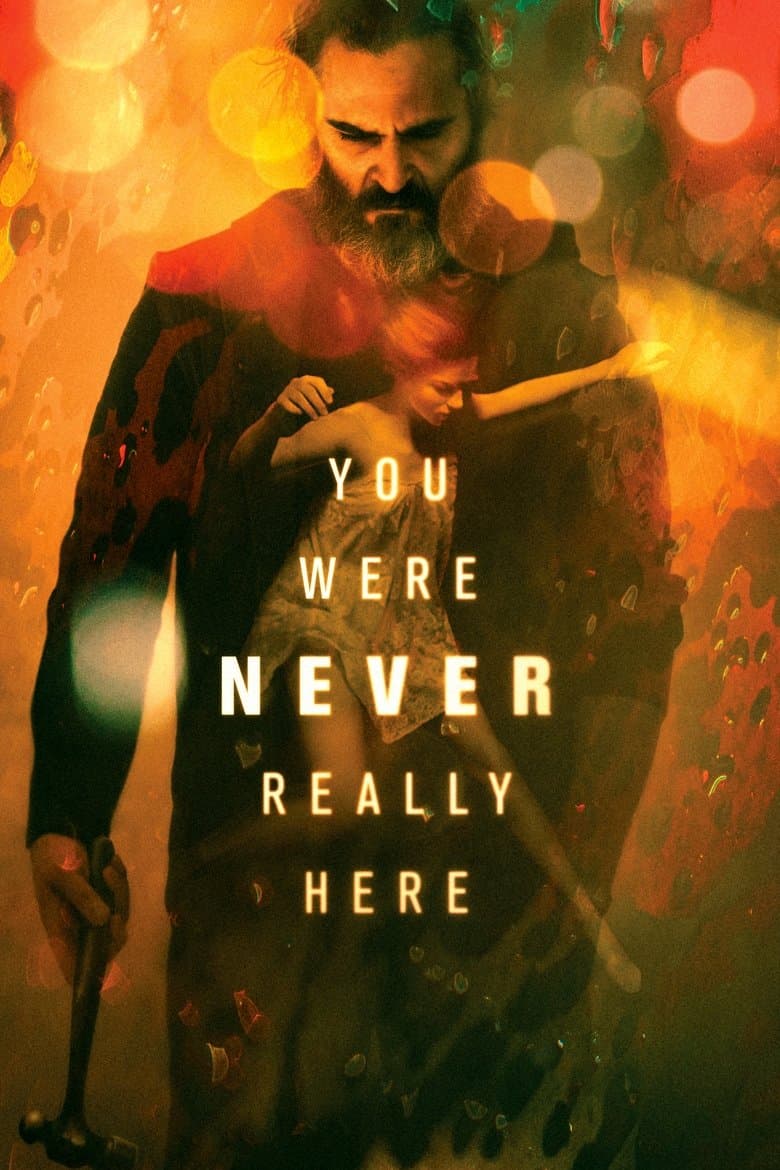
A traumatized veteran, unafraid of violence, tracks down missing girls for a living. When a job spins out of control, his nightmares begin to overtake him, and a conspiracy is…

Movie · 2024
During the 1972 Munich Olympics, an American sports broadcasting crew finds itself thrust into covering the hostage crisis involving Israeli athletes.
