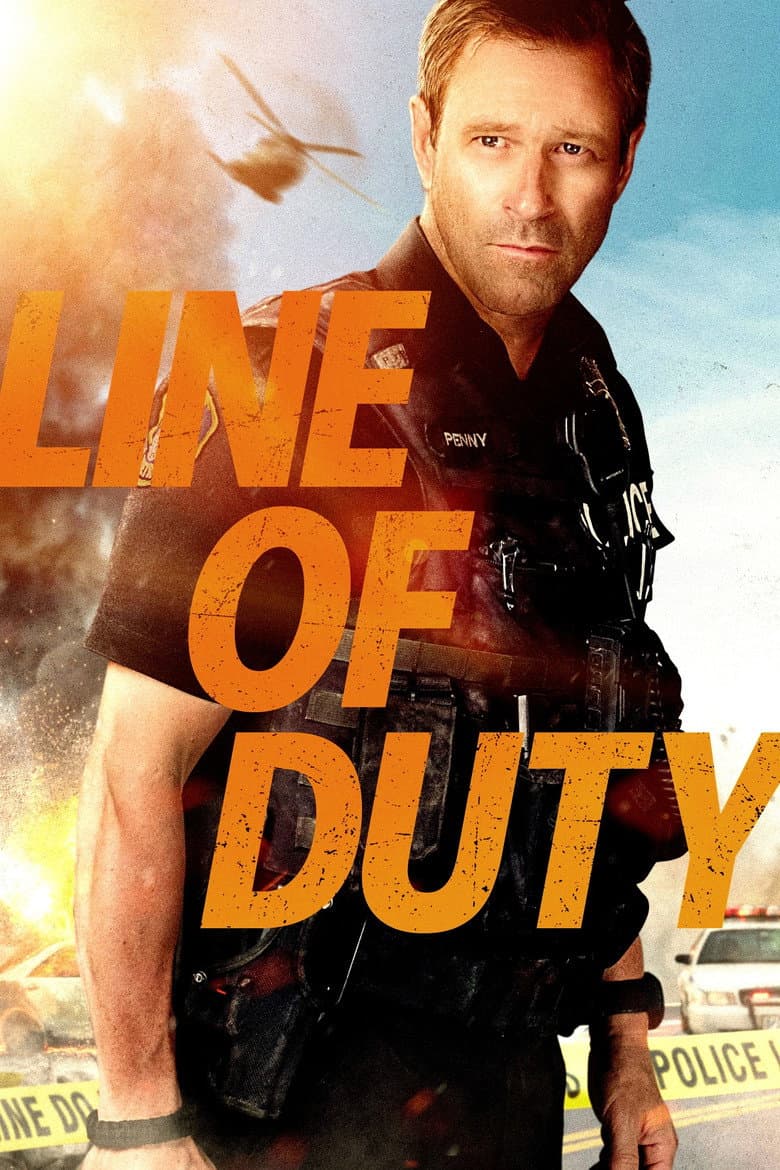
Frank Penny is a disgraced police officer who wants to repair his name after a past shooting left him stuck on routine street duty. When he kills a kidnapper during a chase, he loses the only clue to the location of an 11-year-old girl. Frank then breaks orders and races across Birmingham, Alabama, with less than an hour to save her from a hidden water tank. Young online reporter Ava Brooks follows him with a live camera, while police, TV news, and armed criminals close in. The film has a fast, loud, and often silly action tone.
The film gives its clearest modern social message to Ava and her friend Clover, who call their web channel real news and say big companies hide stories from the public. They speak about standing up for underdogs, empowering ordinary people, and police misconduct, while Ava treats filming Frank as a way to show viewers what police work feels like. Frank pushes back against their claims and warns that reporters may chase ratings, but he later admits that her live work can help find the girl and praises good cops. These ideas make media trust, public cameras, and police image a recurring side theme, but the main story still presents a brave male officer as the person who saves the child.
Community feedback
Was our 31% Woke rating accurate?
Breakdown
These are the editorial factors and ratings behind our score for Line of Duty.
Woke representation / casting
Not present. The modern American cast includes a white male police hero, a young female reporter, and a black police chief, but the film does not frame these choices as a diversity message. Identity is not the reason given for any major character.
0%
Woke political dialogue
Ava says corporate news filters what people hear and presents her channel as real, uncensored news. Clover says police misconduct happens every day, and Ava says live reporting can show viewers what it is like to be a police officer. Ava and Clover also use empowerment and underdog language. Frank challenges their view of the media and later praises good cops, so the political talk is brief and mixed rather than the movie’s main subject.
35%
Identity-driven story themes
Ava and Clover present citizen media as a way for ordinary people to fight powerful news companies and speak for underdogs. Ava’s female-led web channel stays important throughout the chase, and the film gives her a clear public voice beside the male cop. The story does not make gender, race, or sexuality the main conflict, and Frank remains the main action hero. This makes the identity-driven theme noticeable but limited.
26%
Western institutional / cultural critique
The film treats police misconduct and public distrust of police as real concerns through Ava and Clover’s comments about officers and cameras. The film also attacks corporate and television news for filtering stories and chasing ratings. Frank’s rescue arc then supports the police and shows him as a brave officer. The result is a mixed critique of media and policing rather than a broad attack on Western institutions.
30%
Woke character or canon changes
Not relevant. The film is an original action story and does not change an established character, source, or real historical figure.
0%
Anti-woke backlash and complaints
Not present. The supplied X research found no anti-woke reaction. Web reviews criticized the writing, tone, and pro-cop message, but no clear anti-woke backlash was found.
0%
Creator track record context
Most key creatives have commercial careers in action, genre film, and distribution. Drysdale and Miller have no known identity-focused pattern. Elsa Ramo has a women-focused networking group and Craig Chapman produced a race-centered film, but those past links do not shape this movie’s plot or marketing. Eckhart’s interview frames this movie around police duty, redemption, and public cameras.
10%
Production
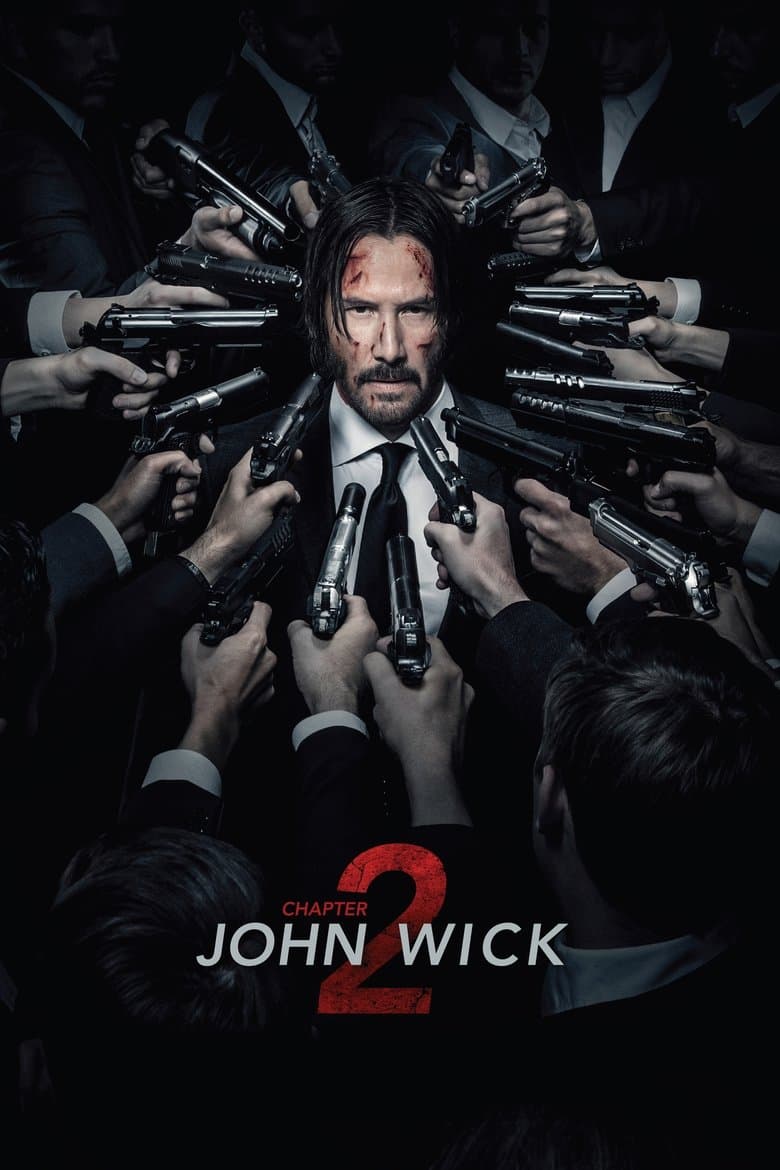
Movie · 2017
John Wick is forced out of retirement by a former associate looking to seize control of a shadowy international assassins’ guild.
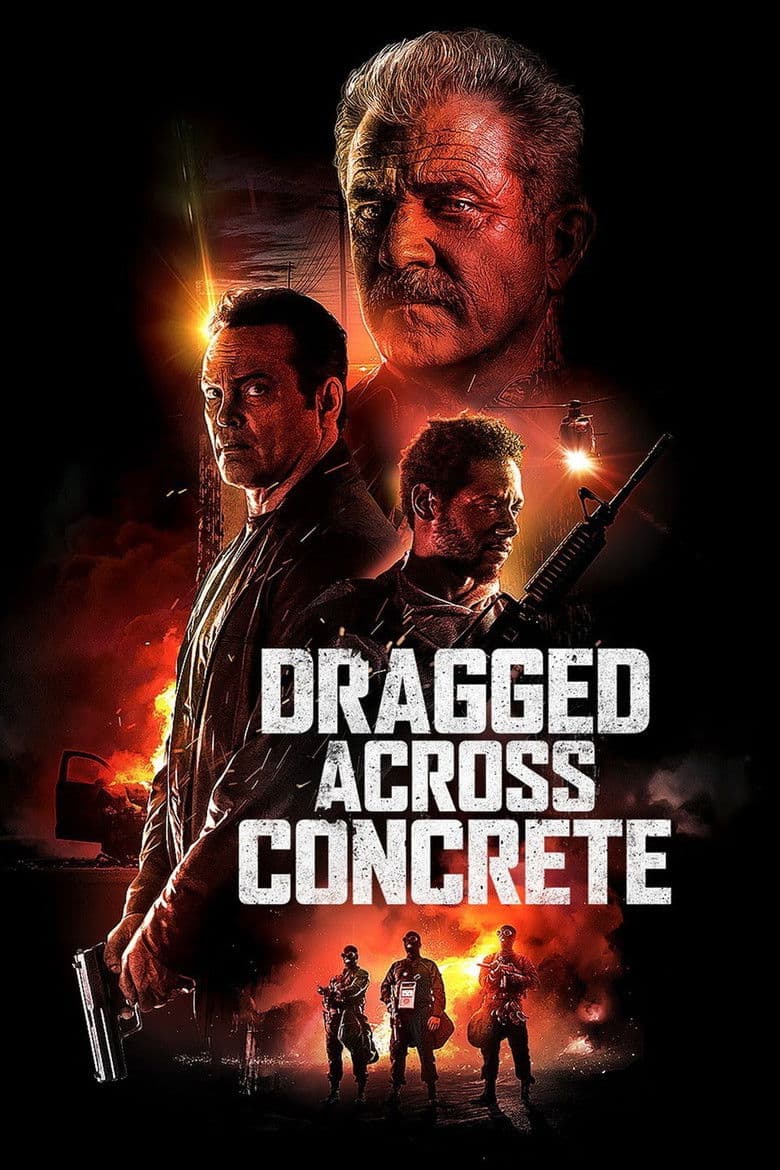
Movie · 2019
Two policemen, one an old-timer, the other his volatile younger partner, find themselves suspended when a video of their strong-arm tactics becomes the media's cause du jour.
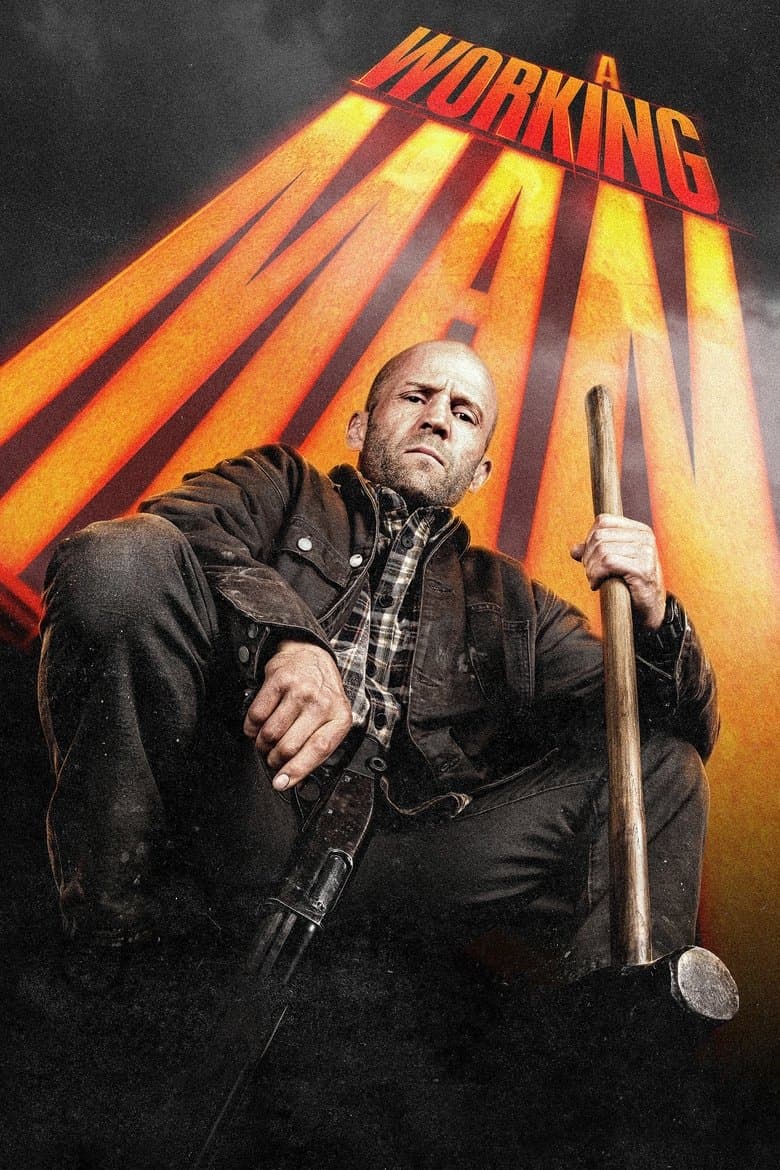
Movie · 2025
Levon Cade left behind a decorated military career in the black ops to live a simple life working construction.
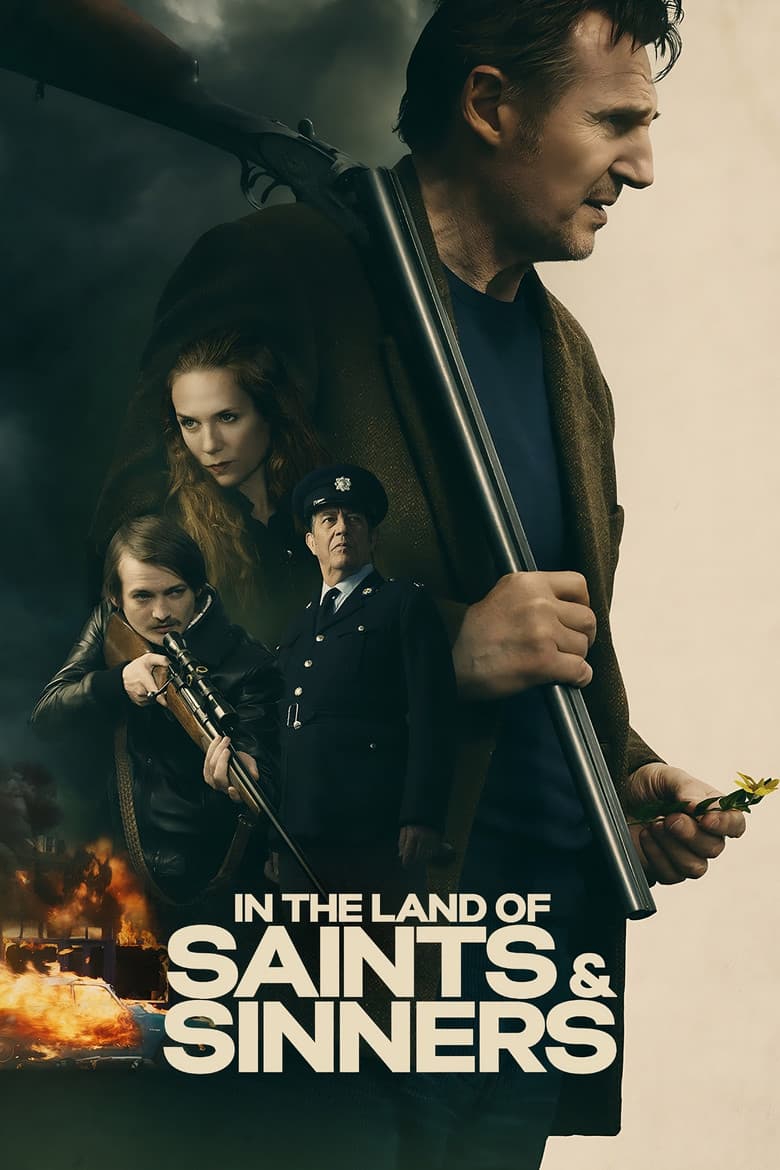
Movie · 2023
In a remote Irish village, a damaged Finbar is forced to fight for redemption after a lifetime of sins, but what price is he willing to pay?
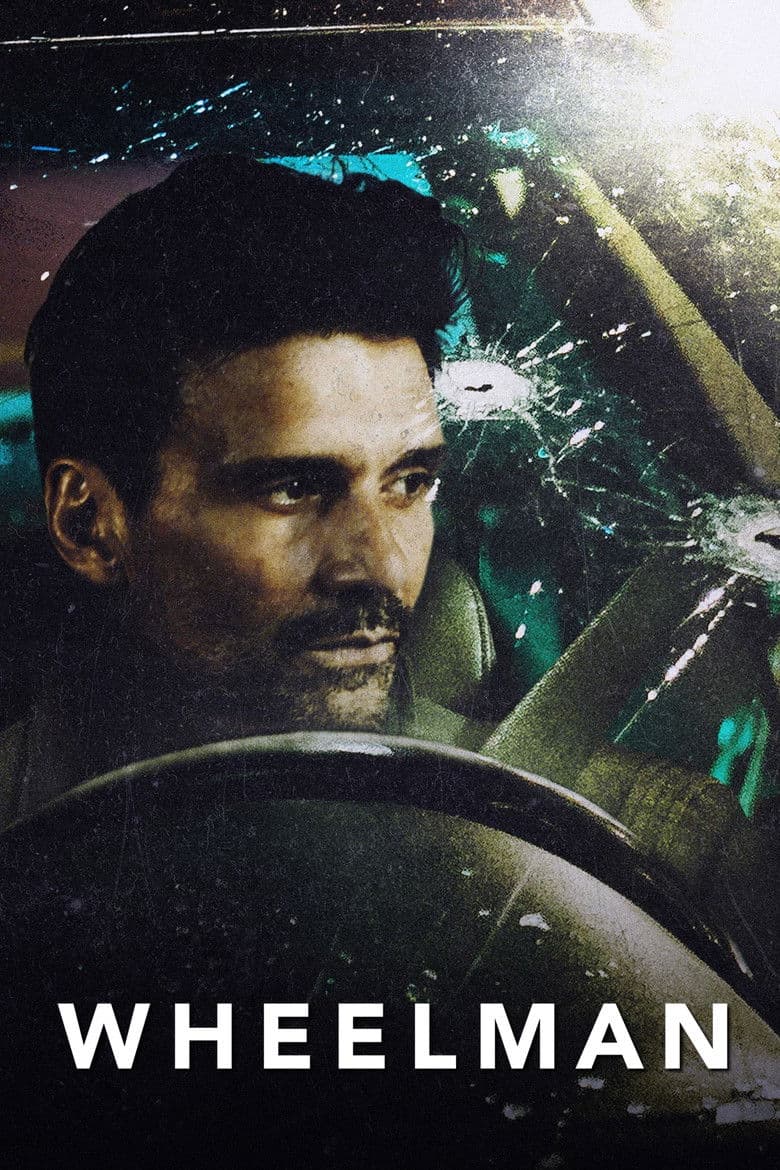
Movie · 2017
A getaway driver for a bank robbery realizes he has been double crossed and races to find out who betrayed him.
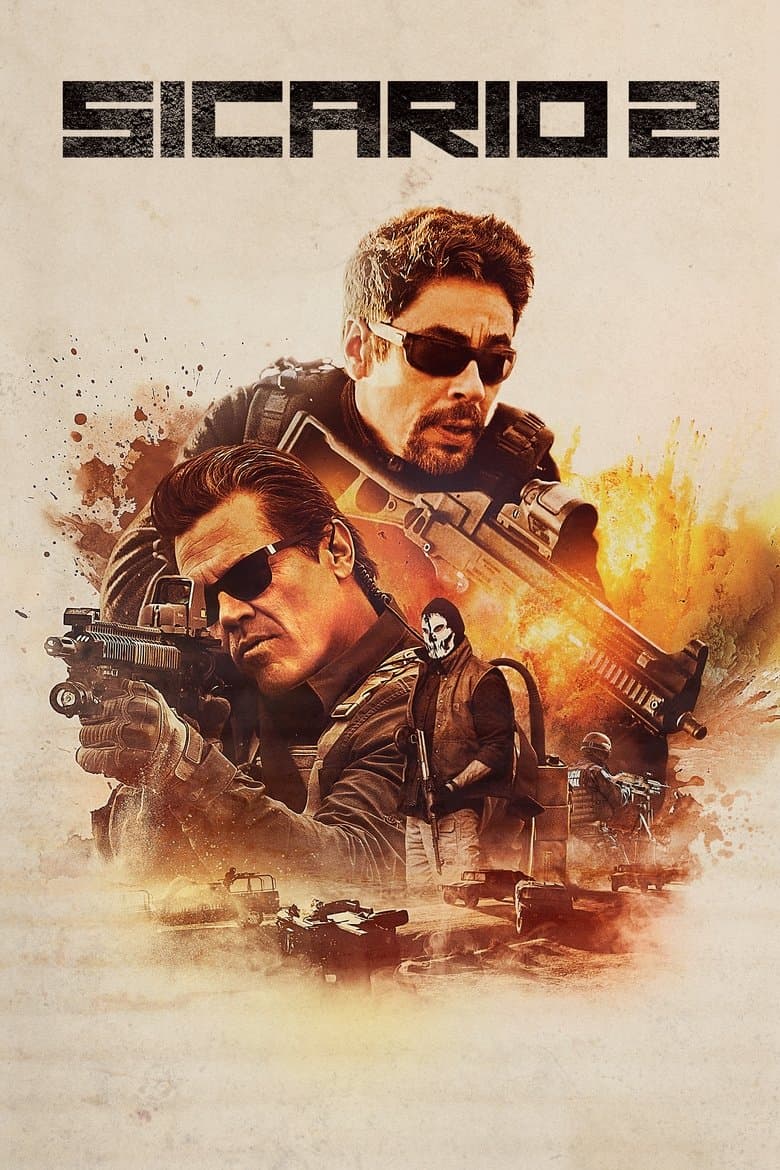
Movie · 2018
Agent Matt Graver teams up with operative Alejandro Gillick to prevent Mexican drug cartels from smuggling terrorists across the United States border.
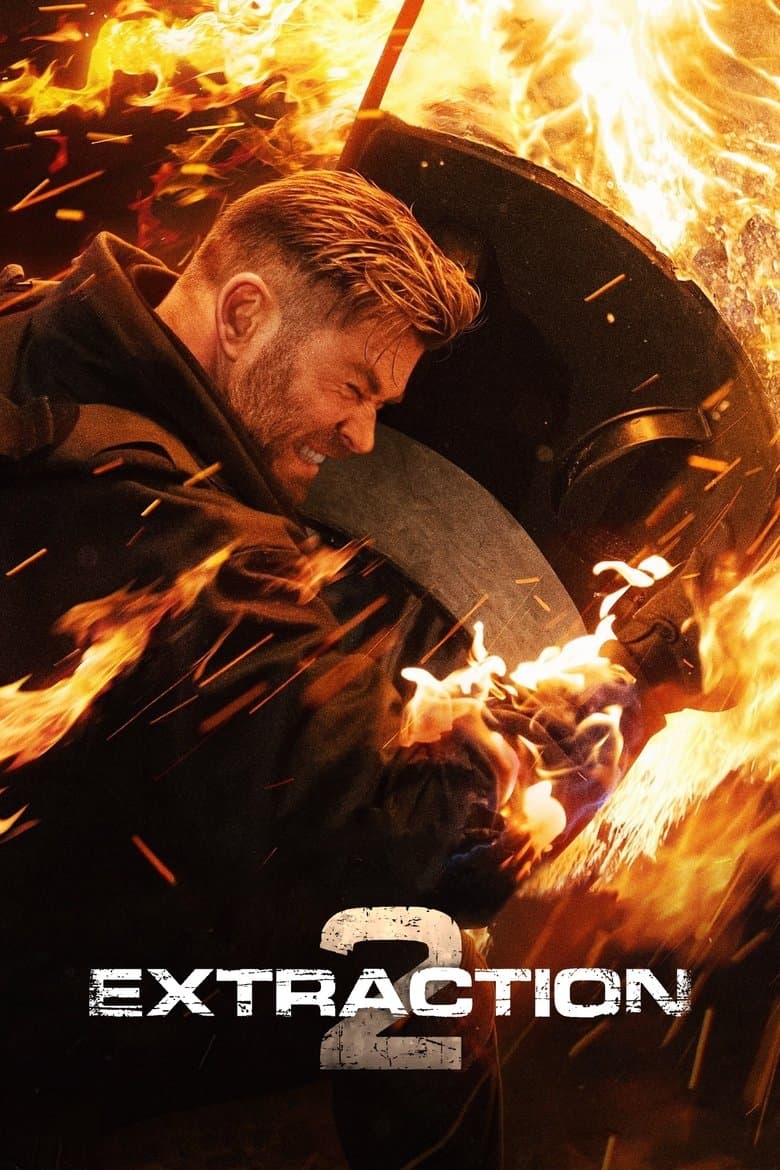
Movie · 2023
Back from the brink of death, highly skilled commando Tyler Rake takes on another dangerous mission: saving the imprisoned family of a ruthless gangster.
Movie · 2018
When his fiancee is kidnapped by human traffickers, Roman and his ex-military brothers set out to track her down and save her before it is too late.
