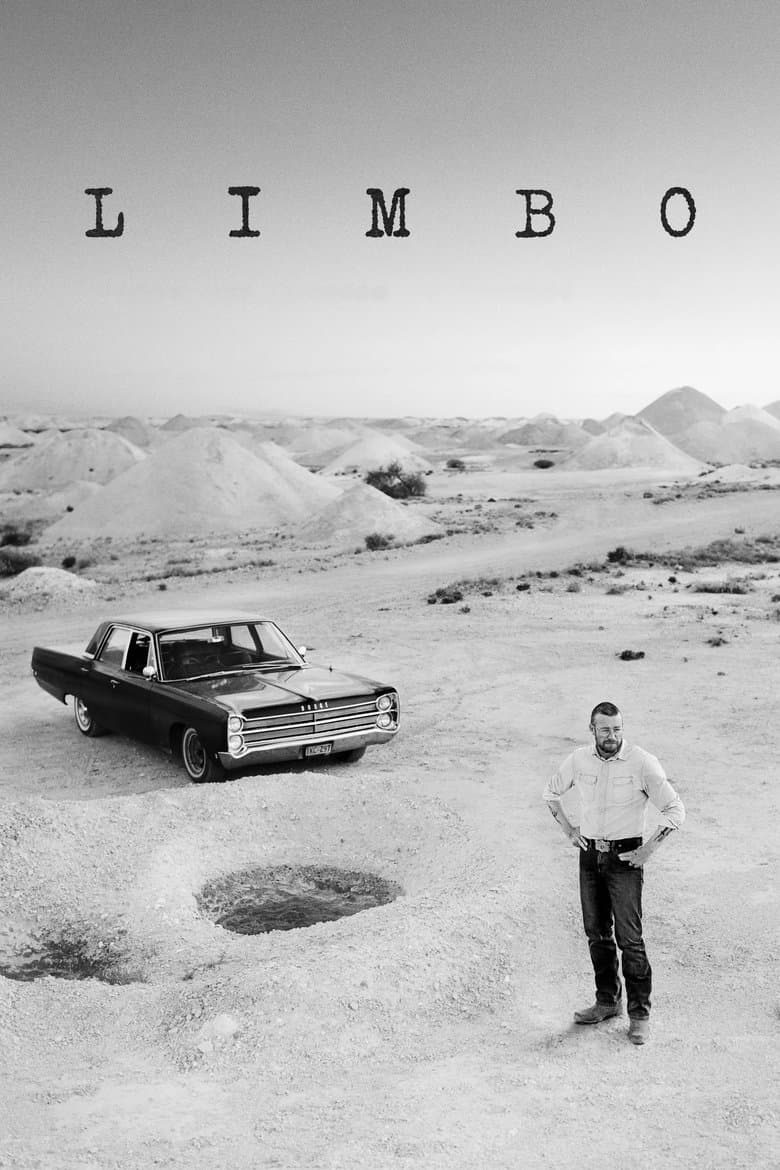
Limbo is a slow-burning Australian crime movie about a worn-out detective who goes to a remote desert town. He is there to investigate the twenty-year-old cold case of a missing Indigenous girl. The story heavily focuses on anti-colonial messaging, showing how the white police force mistreated and ignored the local Indigenous family. These themes of systemic racism and historical trauma are highly visible throughout the movie.
Community feedback
Was our 73% Woke rating accurate?
Breakdown
These are the editorial factors and ratings behind our score for Limbo.
Woke representation / casting
The film prominently casts Indigenous actors Rob Collins and Natasha Wanganeen to play the victim's siblings. They are portrayed with immense dignity and emotional depth, standing in stark contrast to the broken, drug-addicted white detective. This casting is deliberate and highlights Indigenous representation as a core priority, though it remains grounded within the realistic setting of the remote outback town. No LGBTQ+ elements are present.
40%
Woke political dialogue
The characters speak directly about how the system treats Indigenous people poorly. Dialogue explicitly points out that police did not care about the missing girl because of her race and that they only wanted to frame a local black man. While the dialogue is delivered in a quiet, hard-boiled tone rather than loud speeches, it clearly points to systemic white privilege and institutional bias.
Production
35%
Identity-driven story themes
The central story is entirely built on identity politics, exploring the legacy of colonial trauma and systemic oppression of First Nations Australians. Rather than being a standard murder mystery, the plot serves as a metaphor for colonial amnesia and the unequal treatment of Indigenous victims by the Western justice system. These themes are highly visible and drive every major narrative beat.
70%
Western institutional / cultural critique
The film delivers a strong, uncompromising critique of the Australian justice system and its police force, portraying them as systemically racist, indifferent, and abusive toward minority populations. It also includes a subtle critique of traditional Western religion, as the protagonist's car radio constantly plays evangelical Christian sermons that offer no real comfort or moral guidance to the broken characters.
62%
Woke character or canon changes
Not relevant. As an original screenplay, the movie does not adapt existing source material or make changes to established fictional or historical characters.
0%
Anti-woke backlash and complaints
The film did not attract any notable anti-woke backlash, conservative campaigns, or online complaints. This is largely because it was a low-budget, niche independent film released mainly through international film festivals and arthouse theaters.
0%
Creator track record context
The core creative team has a very high concentration of progressive, social-justice-focused track records. Key creatives like Ivan Sen, Elaine Crombie, Greer Simpkin, and Cecilia Ritchie are well-known advocates for anti-colonial storytelling, Indigenous representation, and gender equity, while other administrative producers have more neutral backgrounds.
65%
Movie · 2024
Roy Freeman, an ex-homicide detective with a fractured memory, is forced to revisit a case he can't remember.
Movie · 2021
Based on true events, "Nitram" lives with his parents in suburban Australia in the mid-90s. He lives a life of isolation and frustration at never fitting in.
Movie · 2019
A charismatic New York City jeweler always on the lookout for the next big score makes a series of high-stakes bets that could lead to the windfall of a lifetime.

Movie · 2022
Suspicious that her colleague is responsible for a series of mysterious patient deaths, a nurse risks her own life to uncover the truth.
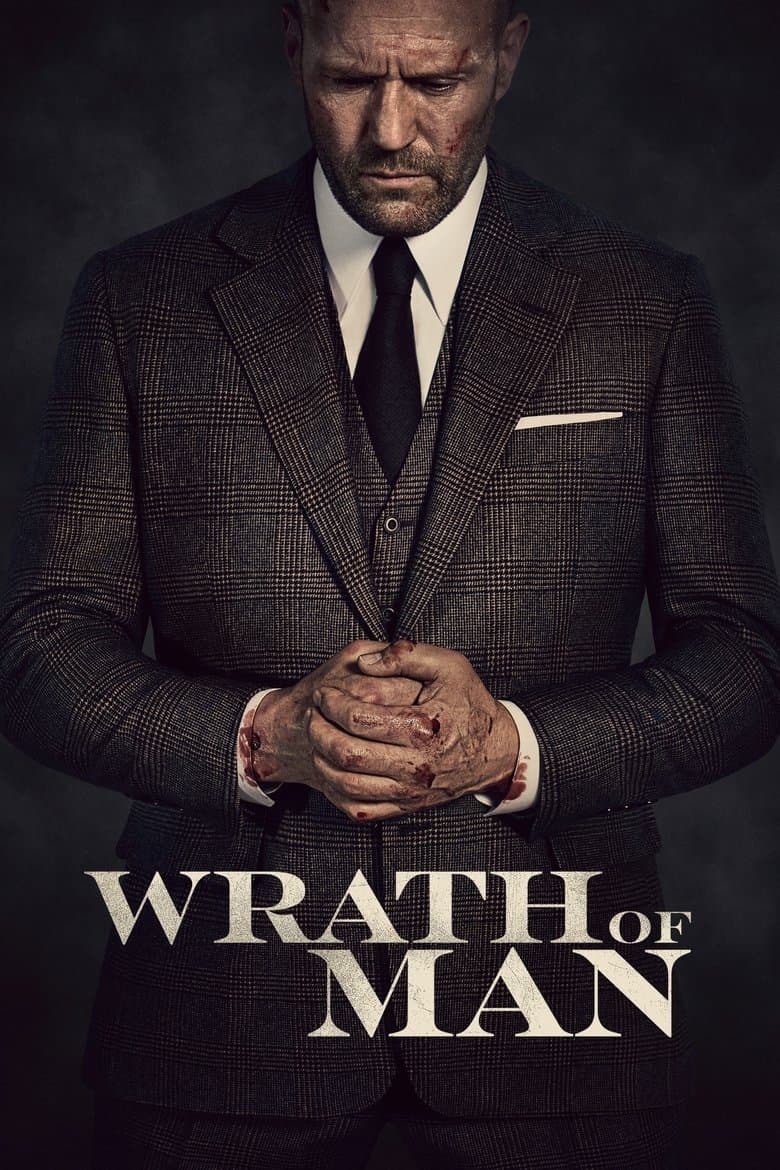
Movie · 2021
A cold and mysterious new security guard for a Los Angeles cash truck company surprises his co-workers when he unleashes precision skills during a heist.
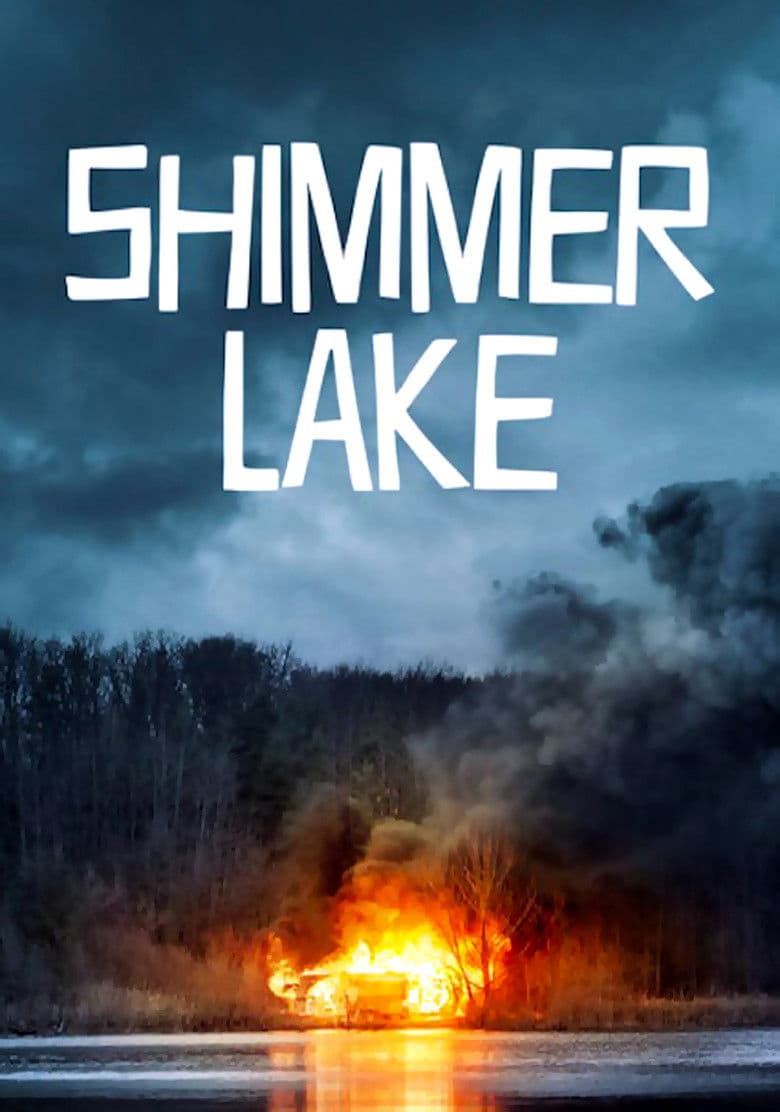
Movie · 2017
Shot in reverse day-by-day through a week—a local sheriff embarks on a quest to unlock the mystery of three small-town criminals and a bank heist gone wrong.
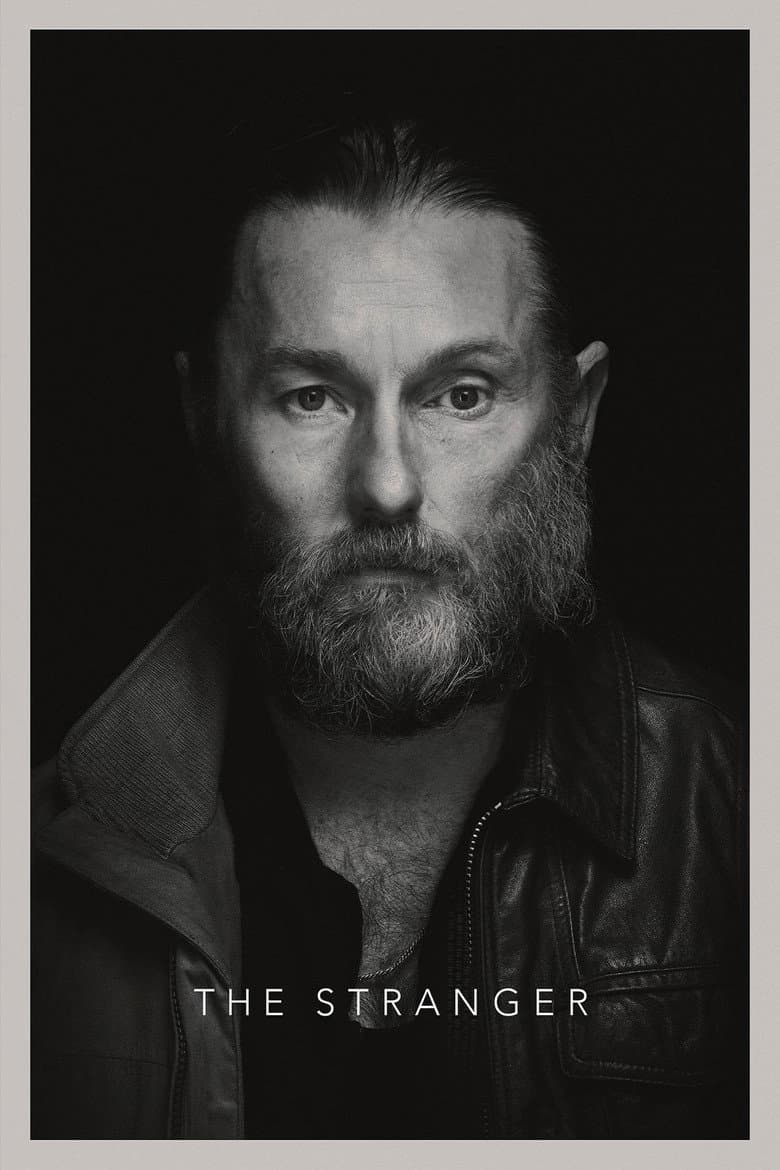
Movie · 2022
Two strangers strike up a conversation on a long journey. However, neither is who they appear to be, each carry secrets that threaten to ruin them — and in the background, one of…
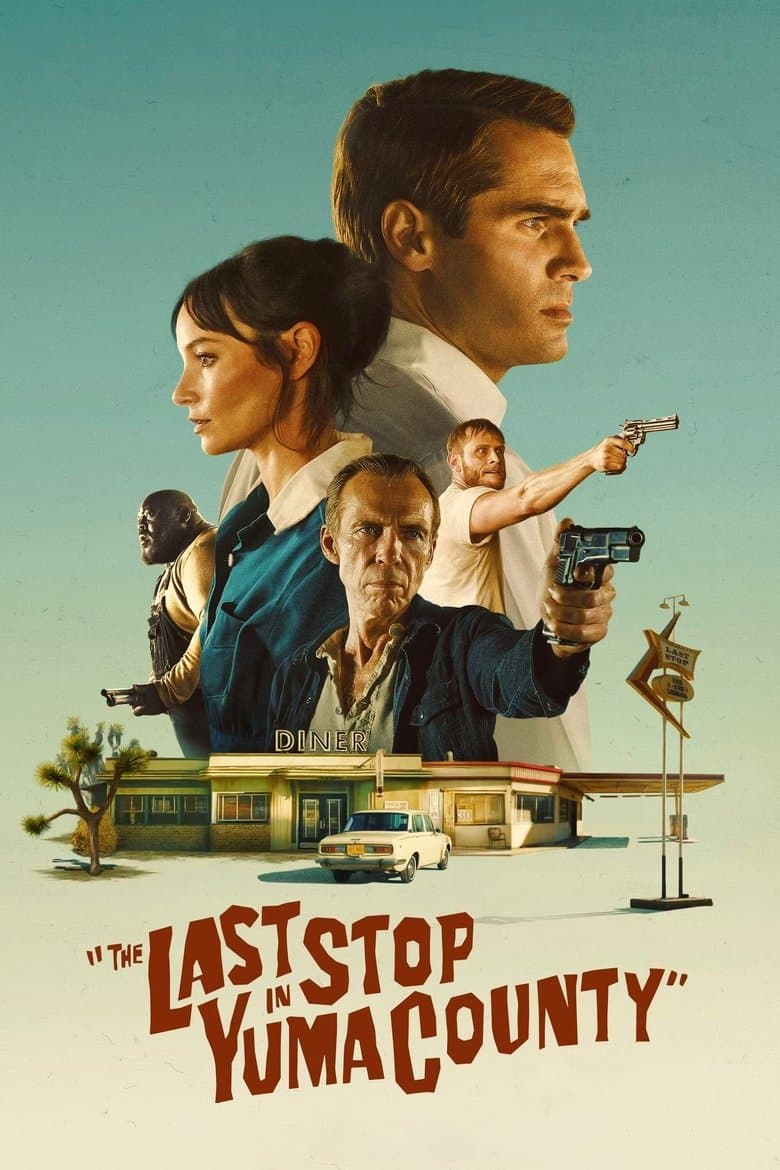
Movie · 2024
While awaiting the next fuel truck at a middle-of-nowhere Arizona rest stop, a traveling young knife salesman is thrust into a high-stakes hostage situation by the arrival of two…
