
Deanna Miles is a cheerful housewife whose husband leaves her for another woman on the day they drop their daughter at college. She returns to the same school to finish the archaeology degree she left when she became pregnant. Deanna lives in a dorm, joins her daughter’s sorority circle, attends parties, and tries to rebuild her bond with Maddie while her divorce moves forward. The movie uses broad jokes, awkward sex humor, drinking, and warm family scenes to tell a light college comedy about starting over after middle age.
The main woke element is a repeated female empowerment message. Deanna is praised for choosing school, freedom, sexual confidence, and a life outside marriage, while her friends form a strong sisterhood around her. The film treats an older woman’s sex life as normal and presents a younger man’s attraction to her as sweet rather than shameful. Deanna’s final lesson tells the women to support one another, but the movie does not build a larger political argument about race, class, government, or social institutions.
Community feedback
Was our 33% Woke rating accurate?
Breakdown
These are the editorial factors and ratings behind our score for Life of the Party.
Woke representation / casting
Not present. The college group includes people from different backgrounds, including an Asian boyfriend and a Latina friend. The present-day Atlanta campus makes that mix ordinary, and the film does not frame it as a diversity message.
0%
Woke political dialogue
Deanna gives a party toast that mentions maternity leave for all genders. The line uses modern gender-inclusive language. The film does not return to that issue or build a political debate around it. Other speeches focus on school, divorce, and friendship.
15%
Identity-driven story themes
The story repeatedly treats female independence, older female sexuality, and sisterhood as positive answers to divorce and social pressure. Deanna’s husband pushed her out of college while finishing his own degree, and the plot rewards her for reclaiming education and freedom. The women support each other and make her the center of campus life. These themes shape the main character and ending, but the film presents them as personal comedy rather than a broad activist campaign.
45%
Western institutional / cultural critique
The film shows a traditional marriage as limiting when Dan convinces Deanna to leave college so he can finish his degree. The story treats that family role as unfair and rewards Deanna for choosing her own path. The film also mocks men who shame or dismiss her. It does not turn this conflict into a wider attack on schools, churches, capitalism, or Western institutions.
18%
Woke character or canon changes
Not relevant. The movie is an original contemporary comedy with no established characters, source canon, or real historical figures being changed.
0%
Anti-woke backlash and complaints
One CinemaBlend review called part of the film a “woke female empowerment” story and criticized its clash with the college comedy. Other audience discussion focused on weak jokes, plot problems, and the older woman’s sexual relationship with a student. No broad anti-woke campaign or major controversy was reported.
8%
Creator track record context
Cached context describes Melissa McCarthy and Ben Falcone as comedy creators with little activist or identity-focused work. Their stored scores are low. McCarthy’s title-related comments about older women’s sexuality add a mild empowerment signal.
10%
Production

Movie · 2022
Exploring every facet of ‘Weird Al’ Yankovic’s life, from his meteoric rise to fame with early hits like ‘Eat It’ and ‘Like a Surgeon’ to his torrid celebrity love affairs and…

Movie · 2018
Adam Sandler takes his comical musical musings back out on the road, from comedy clubs to concert halls to one very unsuspecting subway station.
Movie · 2024
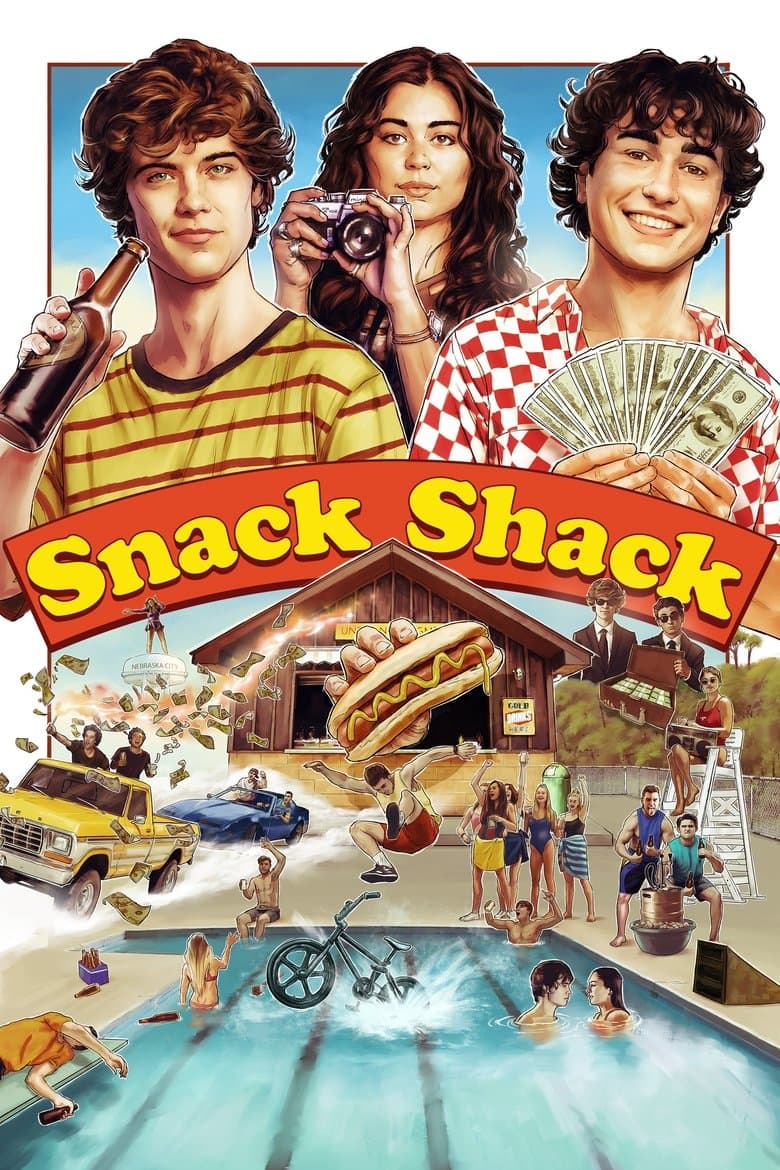
Inseparable best friends AJ and Moose decide to run the local pool's snack shack after their plan to sell home-brewed beer goes down the drain.
Movie · 2016
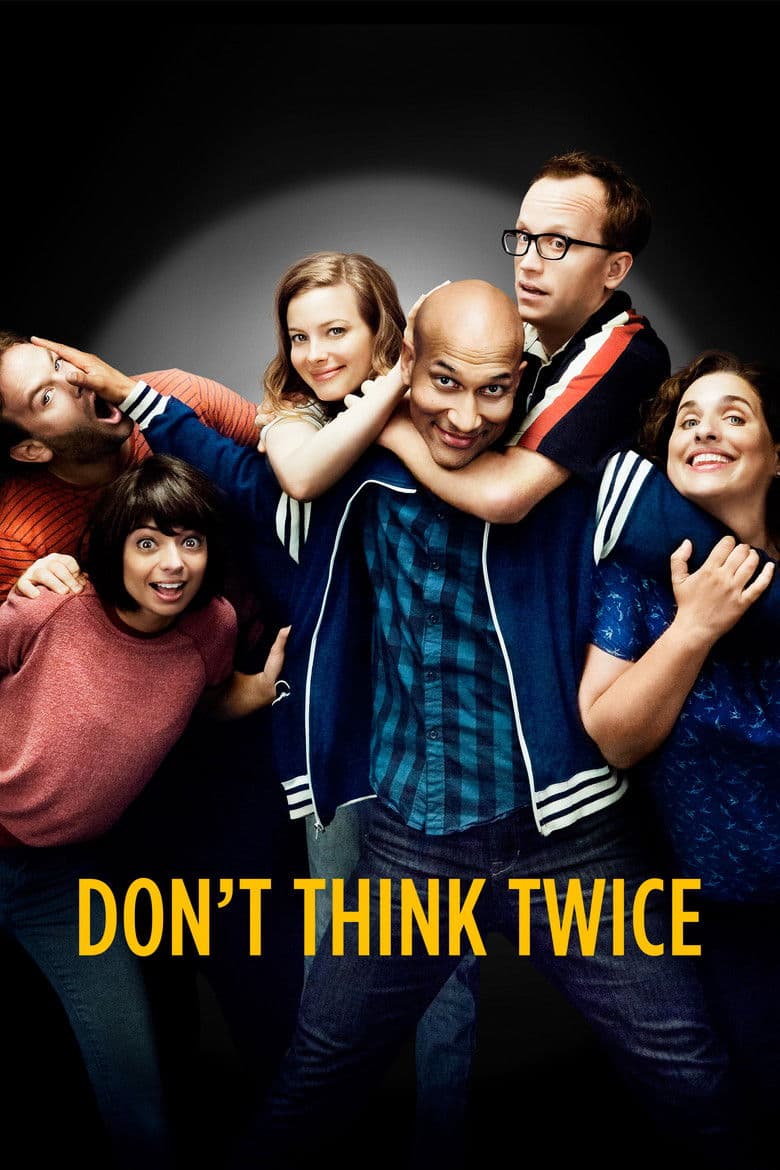
An improv group deals with several crises, including the loss of their lease and one member hitting the big time.
Movie · 2016
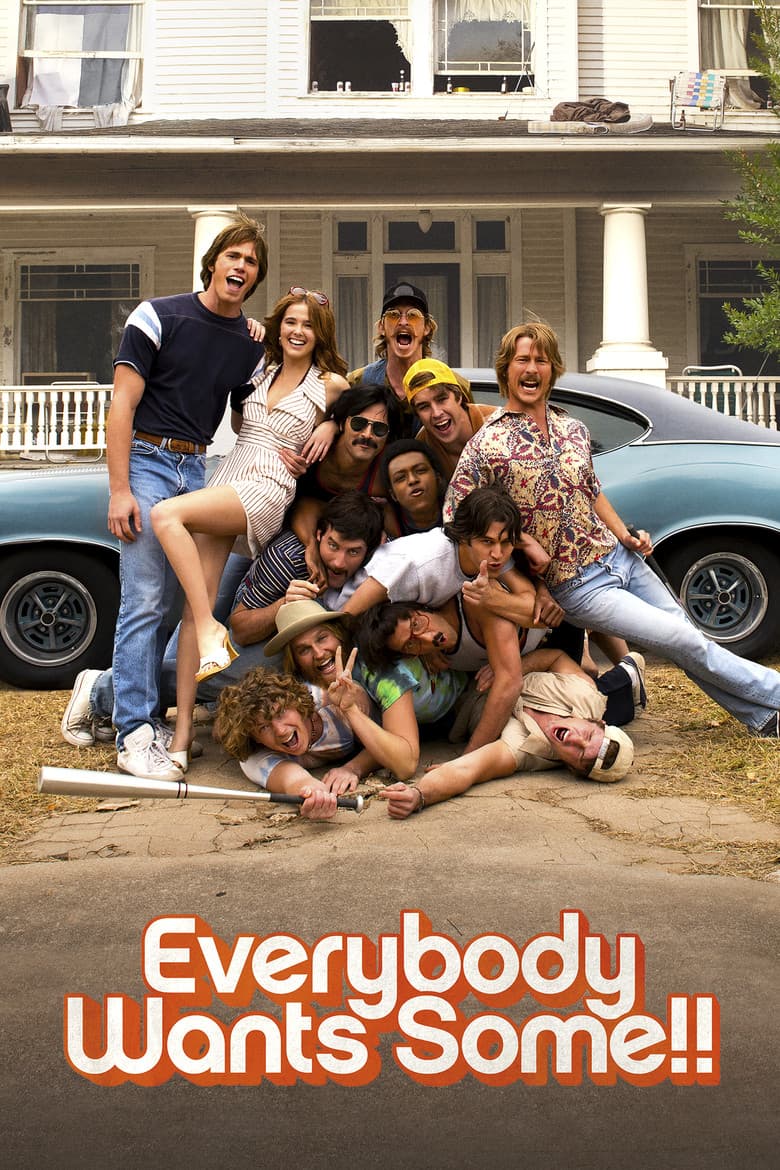
A comedy that follows a group of friends as they navigate their way through the freedoms and responsibilities of unsupervised adulthood.
Movie · 2023
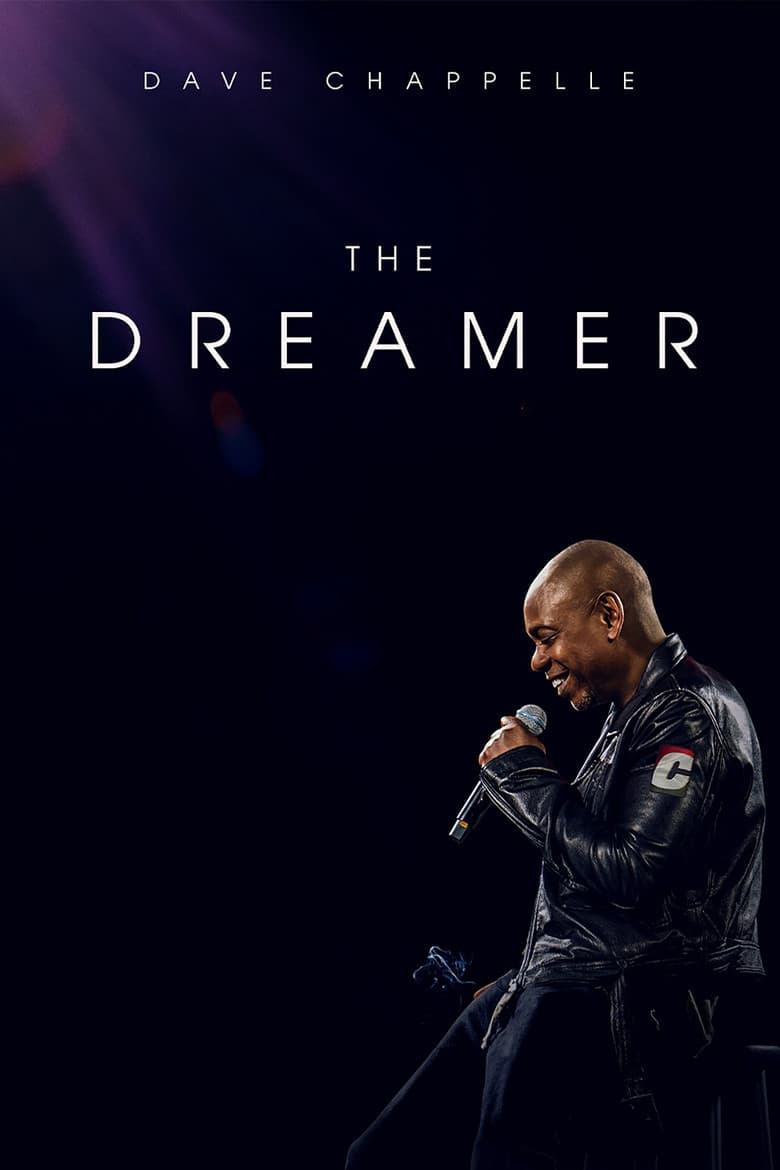
From his onstage tackle to the slap heard round the world, Dave Chappelle lets loose in this freewheeling and unfiltered stand-up comedy special.
Movie · 2016
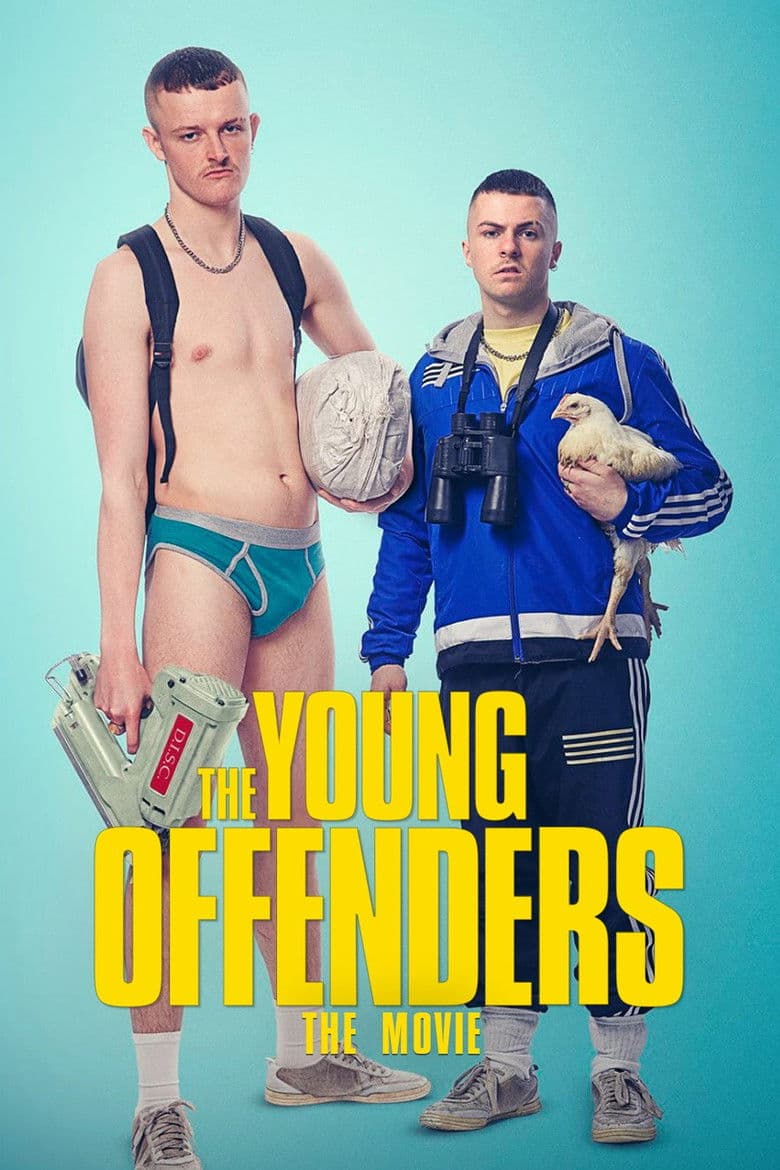
Two teenage boys from inner-city Cork steal bicycles and ride off on a 160km quest to find an unrecovered bale of cocaine worth 7,000,000 euros.

Movie · 2023
A chaotic intervention. An action-packed stay in rehab. After a weird couple of years, John Mulaney comes out swinging in his return to the stage.
