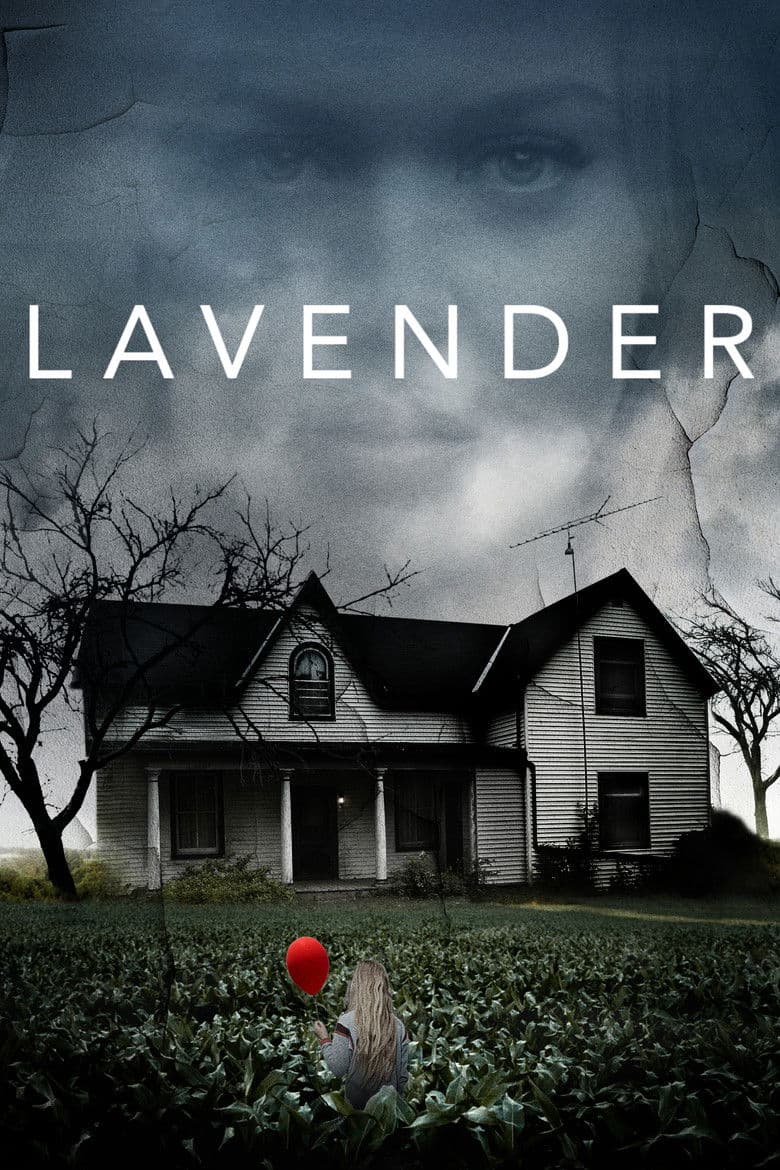
Jane is a photographer who has lived with missing memories since her family was killed when she was a child. After a car crash, she starts to remember an old farmhouse and fears that she may have caused the deaths. She returns to the rural home with her husband and young daughter while strange boxes, ghosts, and visions lead her toward the truth. The film has a slow, gloomy tone and mixes family drama with a quiet supernatural thriller.
Lavender keeps its attention on memory, childhood abuse, family violence, guilt, and the fear of failing as a parent. Jane works with her husband and a psychiatrist as she tries to separate real memories from visions. Her main struggle is to learn what happened and protect her daughter from the uncle who harmed her family. The ending uses the ghosts to expose a crime and give the dead a form of revenge.
Community feedback
Was our 1% Woke rating accurate?
Breakdown
These are the editorial factors and ratings behind our score for Lavender.
Woke representation / casting
Not present. The main cast centers on Jane, her husband, daughter, parents, uncle, and doctor in a rural family story. The film uses Jane’s gender to support the mother-daughter mystery, not to make a wider representation statement.
0%
Woke political dialogue
Not present. The dialogue deals with memory, family danger, abuse, and guilt. It does not contain modern identity, DEI, or activist lines.
0%
Identity-driven story themes
Not present. Jane’s fight is about recovered memory, family murder, and protecting her daughter. The film does not build its story around race, sex, sexuality, representation, or a current identity debate.
0%
Western institutional / cultural critique
Not present. The film shows an abusive uncle and a strained marriage as parts of one family mystery. It does not turn those events into a broad attack on men, family life, religion, or Western culture.
0%
Woke character or canon changes
Not relevant. Lavender is an original thriller and does not adapt established characters or a known canon. The earlier script’s male lead was changed to a mother during development because the director wanted the mother-daughter bond to fit better.
0%
Anti-woke backlash and complaints
Not present. The indexed discussion focuses on story quality and the trauma theme. The separate X pass found no anti-woke reaction, and the reviewed coverage shows no boycott or DEI complaint.
0%
Creator track record context
The cached scores are 5/100 for Ed Gass-Donnelly, 3/100 for Colin Frizzell, and 8/100 for Alexandra Klim. Gass-Donnelly’s only clear identity-related choice here was changing the lead to a mother so the mother-daughter bond would work better. His interviews present that choice as story design, while the film’s main ideas are memory, ghosts, and family trauma.
5%
Production
Movie · 2017
Liam wakes from a car crash with no memory of who he is. As he makes his way into town to look for help, he finds only dead bodies, all with strange pale eyes.
Movie · 2023
In 1988, American video game salesman Henk Rogers discovers the video game Tetris. When he sets out to bring the game to the world, he enters a dangerous web of lies and…

Movie · 2025
Marty Mauser, a young man with a dream no one respects, goes to hell and back in pursuit of greatness.
Movie · 2016
Irish Commandant Pat Quinlan leads a stand off with troops against French and Belgian Mercenaries in the Congo during the early 1960s.
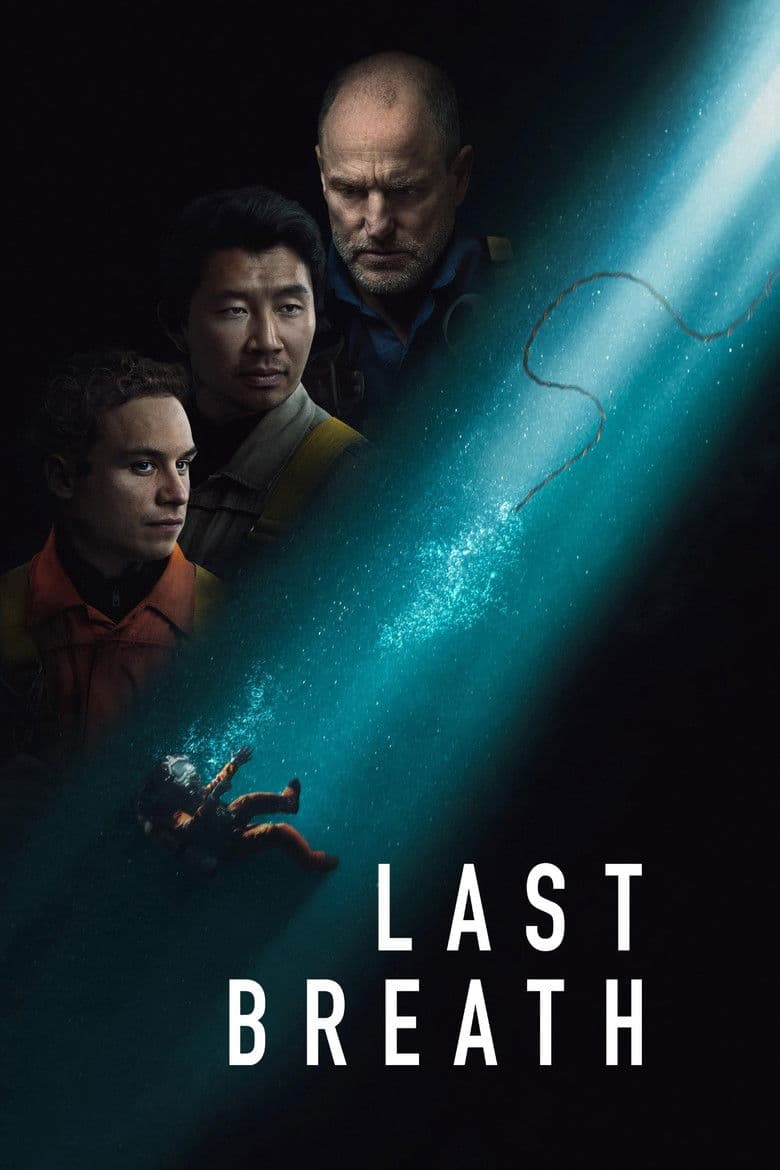
Movie · 2025
Seasoned deep-sea divers battle the raging elements to rescue their crewmate trapped hundreds of feet below the ocean's surface.
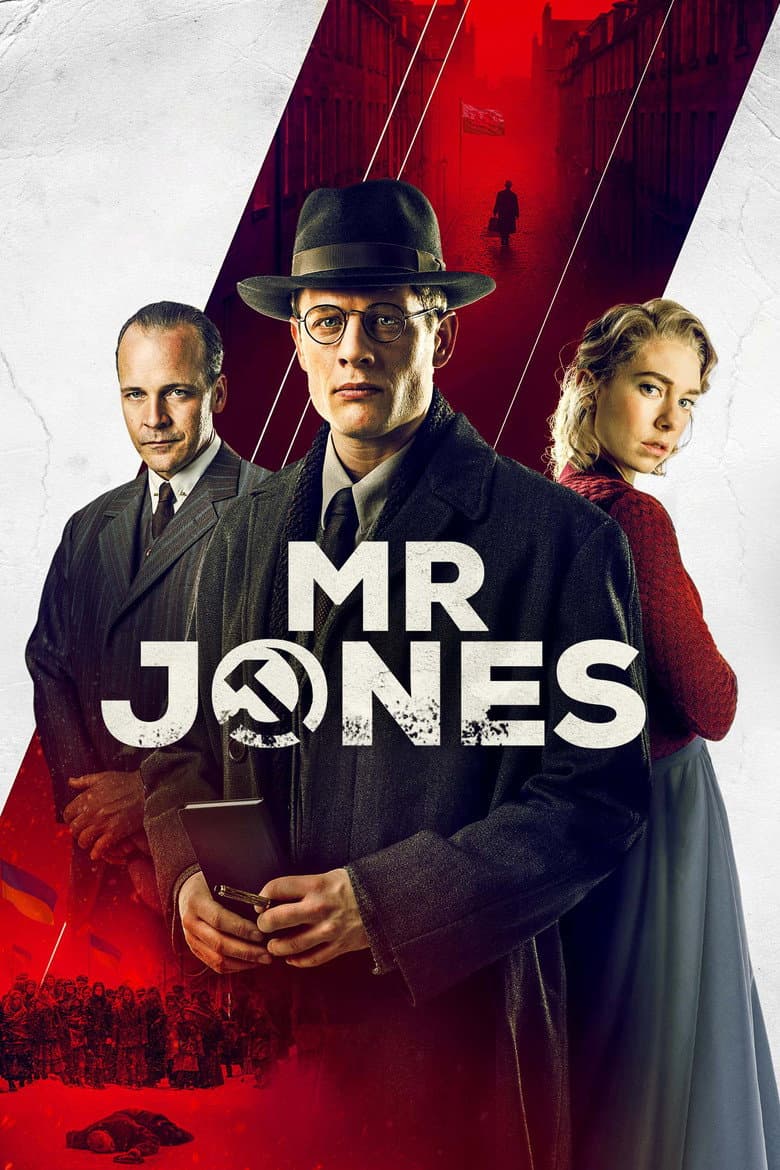
Movie · 2019
In 1933, Welsh journalist Gareth Jones travels to Ukraine, where he experiences the horrors of a famine. Everywhere he goes he meets henchmen of the Soviet secret service who are…
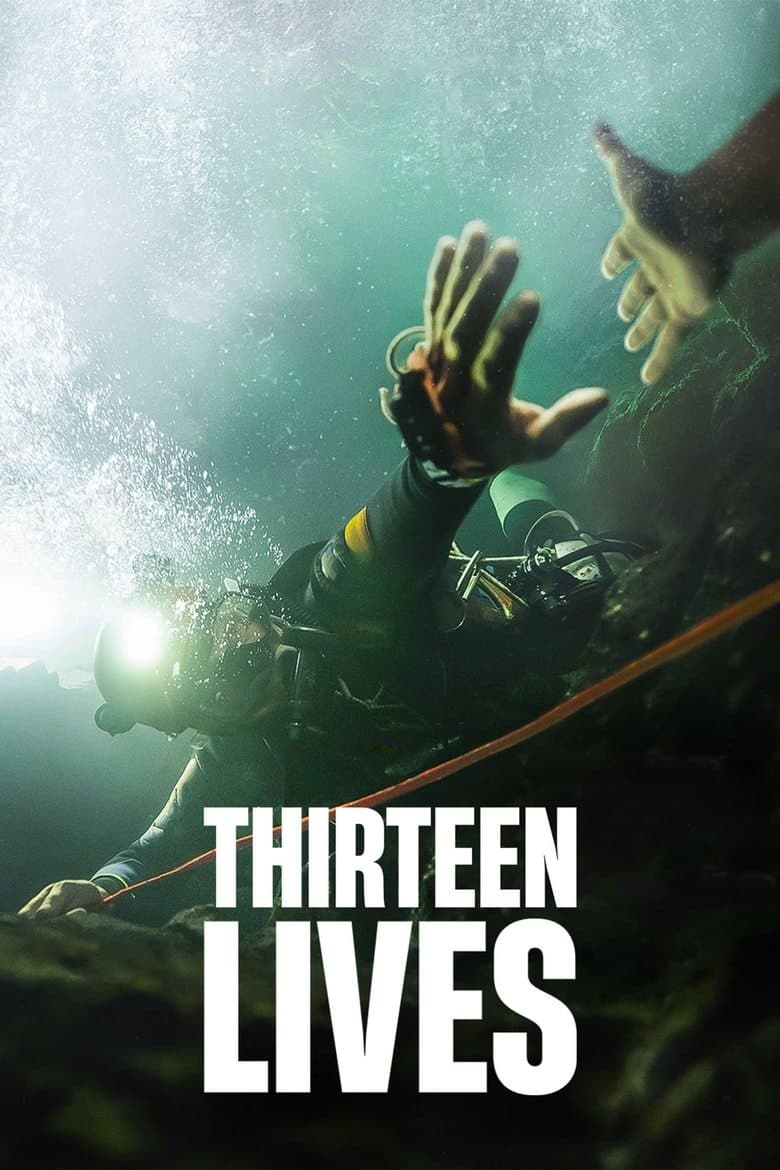
Movie · 2022
Based on the true nail-biting mission that captivated the world. Twelve boys and the coach of a Thai soccer team explore the Tham Luang cave when an unexpected rainstorm traps…

Movie · 2016
When Iraq invades Kuwait in August, 1990, a callous Indian businessman becomes the spokesperson for more than 170,000 stranded countrymen.
