Movie review
September 20, 2017 · 141 min · R · Sci-Fi · Comedy · Crime · Action · Adventure
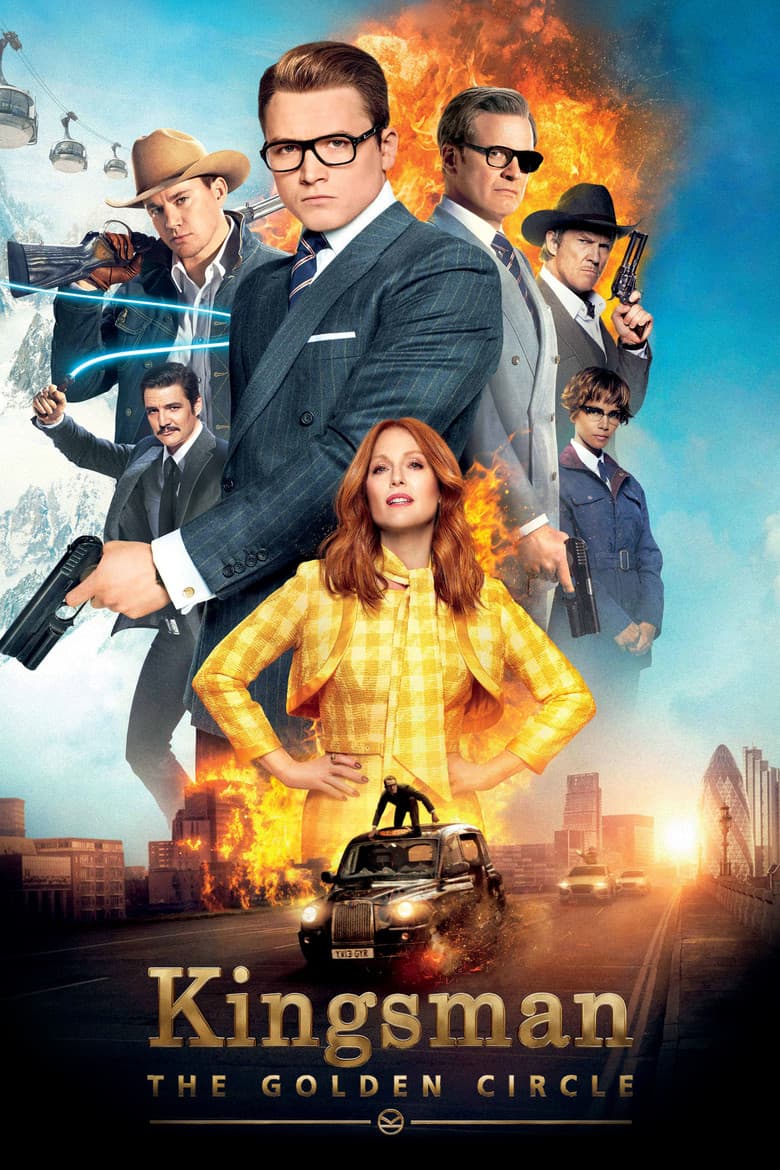
After Poppy Adams and her cartel wipe out Kingsman, Eggsy and Merlin join the American Statesman agency. They revive amnesiac Harry Hart and race to stop a toxin in the global drug supply. Poppy blackmails the U.S. president to legalize her empire. The corrupt president instead tries to let drug users die. Over-the-top action, gadgets, and dark comedy dominate, with loyalty and spy-team rivalry at the center.
Satire of drug-policy hypocrisy and political cynicism is present but secondary to spectacle. The film has clear talk about legalization and the war on drugs, and a president who treats users as disposable. Elton John appears as himself in a flamboyant cameo with a brief flirt beat, but there is no central queer plotline. Female agents are sidelined, and women are widely criticized as underwritten or sexualized. The story centers on loyalty, revenge, and stopping mass murder rather than identity politics.
Community feedback
Was our 23% Woke rating accurate?
Breakdown
These are the editorial factors and ratings behind our score for Kingsman: The Golden Circle.
Woke representation / casting
The modern UK and US spy cast includes Halle Berry as Statesman tech and strategy lead Ginger Ale, later promoted to field work, and Pedro Pascal as major agent Whiskey. That mix looks ordinary for a 2017 blockbuster and is not sold as diversity-first casting or a one-of-each identity grid. Female villain Poppy is a camp antagonist rather than empowerment casting. Roxy is killed early, and women are widely criticized as underwritten or sexualized.
12%
Woke political dialogue
The film has clear talk about legalization versus the war on drugs, including Poppy’s “Save lives. Legalize” line and a president who treats users as disposable. That talk is satirical and political, but it is not race, gender, or queer activist speech. A Charlie line mocking “positive discrimination” and “disabled lesbian mothers” is anti-PC ribbing rather than progressive messaging.
20%
Identity-driven story themes
Core arcs are loyalty, revenge, amnesia recovery, and stopping mass murder, not systemic identity politics. There is a mild social thread about drug users versus callous authority. Elton John appears as himself in a flamboyant cameo with a brief flirt beat, which is background LGBTQ presence without a queer plotline. There is no girlboss or liberation arc, and female agents are sidelined.
16%
Western institutional / cultural critique
A corrupt U.S. president schemes to kill drug users and is impeached. Quarantine and cage imagery reads as a jab at cruel drug-war policy. The mockery is closer to generic political cynicism and classical left-libertarian satire than modern activist framing of whiteness, patriarchy, or colonial guilt. The film was more often attacked for toxic sexism than for anti-traditional-culture messaging.
25%
Woke character or canon changes
Not relevant. The sequel uses an original story. Harry’s return and Roxy’s death are plot devices, not identity-driven race, gender, or sexuality rewrites of canon. A reported idea that Merlin would be confirmed gay did not appear on screen.
0%
Anti-woke backlash and complaints
Not present. There was no meaningful right-leaning or anti-woke campaign claiming this film pushes DEI or identity politics. Public controversy ran the other way through progressive and feminist criticism of misogyny, the Glastonbury tracking-device sex scene, and weak female roles.
0%
Creator track record context
Key names such as Vaughn, Goldman, Millar, Gibbons, producers, and casting have low cached woke scores. Vaughn is publicly Conservative-leaning and previously dismissed “bloody feminists” over the first film. There is no pattern of identity-activist filmmaking tied to this title.
11%
Production
Movie · 2019
Batman, Batgirl, and Robin forge an alliance with the Teenage Mutant Ninja Turtles to fight against the Turtles' sworn enemy, The Shredder, who has apparently teamed up with Ra's…
Movie · 2016
A detective from Hong Kong teams up with an American gambler to battle against a notorious Chinese criminal.
Movie · 2024
When the plots of reclusive author Elly Conway's fictional espionage novels begin to mirror the covert actions of a real-life spy organization, quiet evenings at home become a…
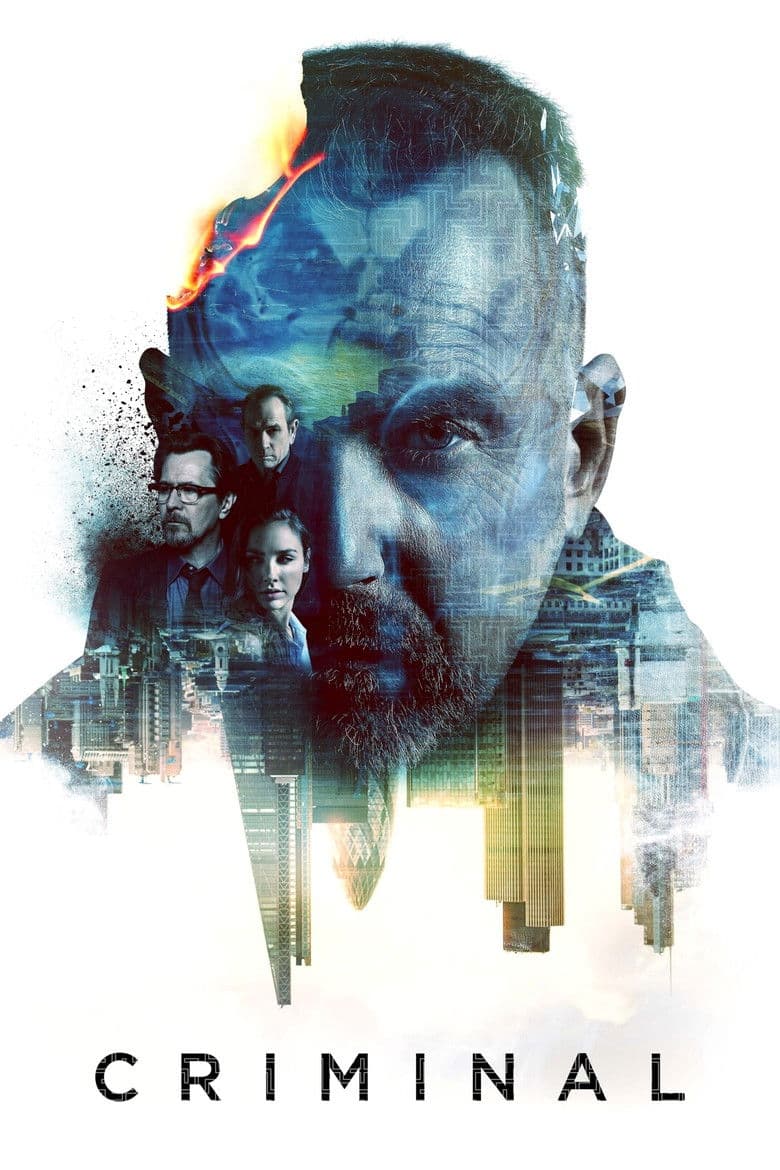
Movie · 2016
CIA Agent Bill Pope is on a mission to track down a shadowy hacker named 'The Dutchman'. When he gets mysteriously killed, an experimental procedure transfers his memories into a…
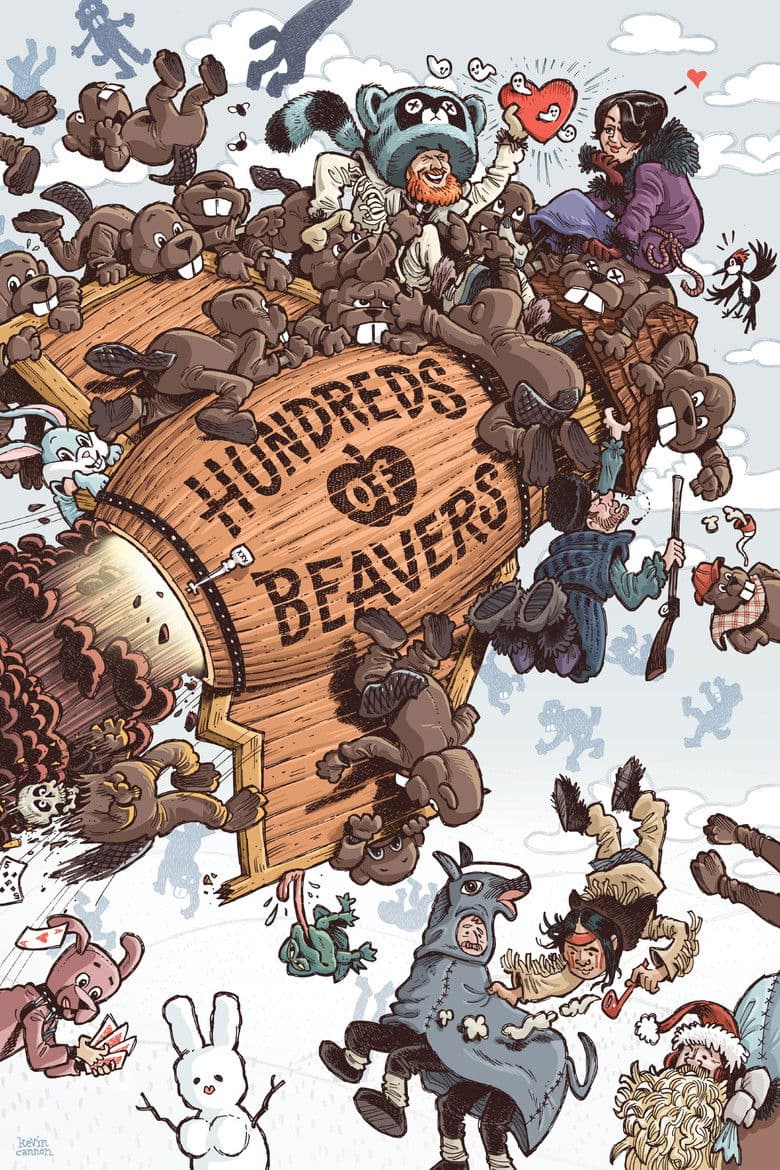
Movie · 2024
In the 19th century, a drunken applejack salesman must go from zero to hero and become North America's greatest fur trapper by defeating hundreds of beavers.
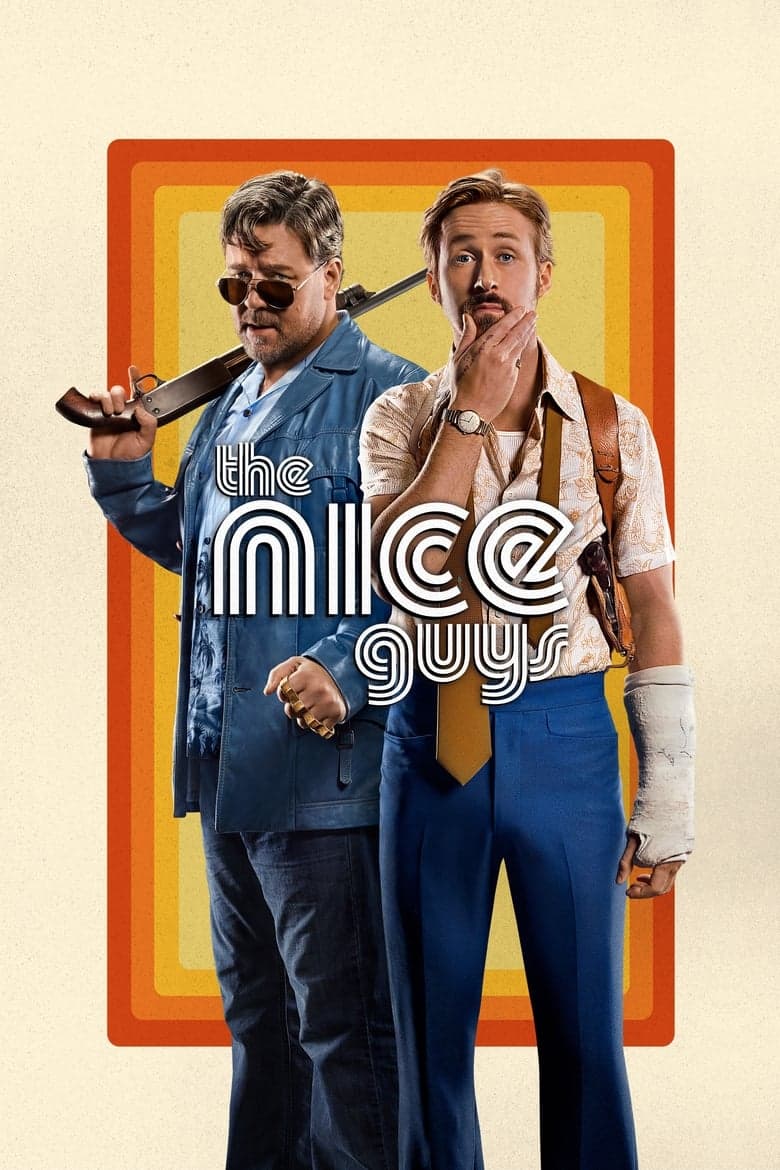
Movie · 2016
A private eye investigates the apparent suicide of a fading porn star in 1970s Los Angeles and uncovers a conspiracy.
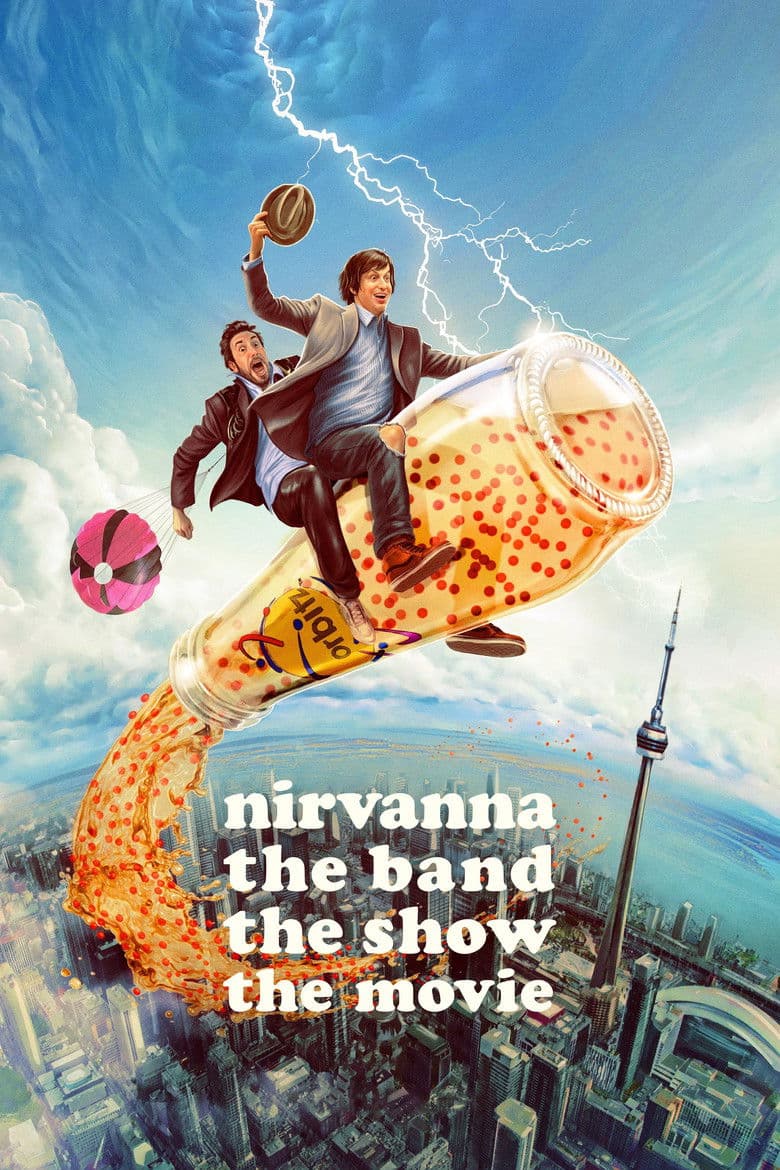
Movie · 2026
When their plan to book a show at the Rivoli goes horribly wrong, Matt and Jay accidentally travel back to the year 2008.
Movie · 2019
Asim Noyan swindles people with his lies and games. Asim Noyan and his gang, who no one else has been able to catch, get into a ruse again.
